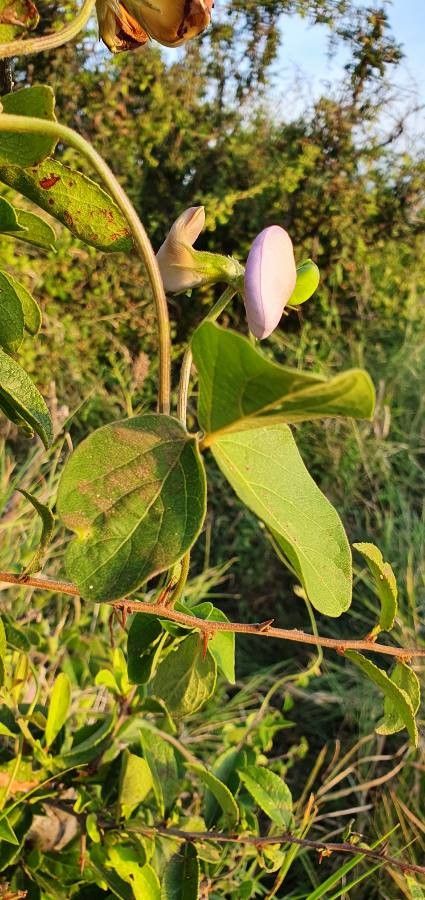
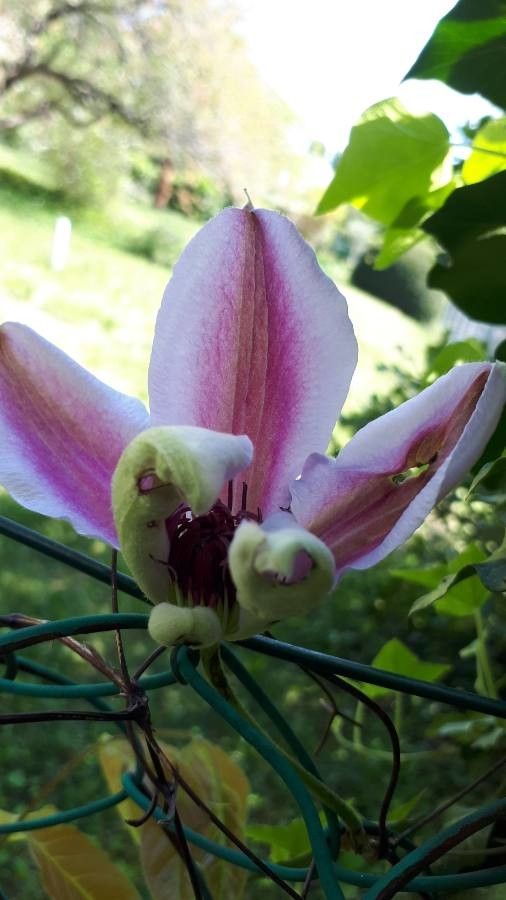
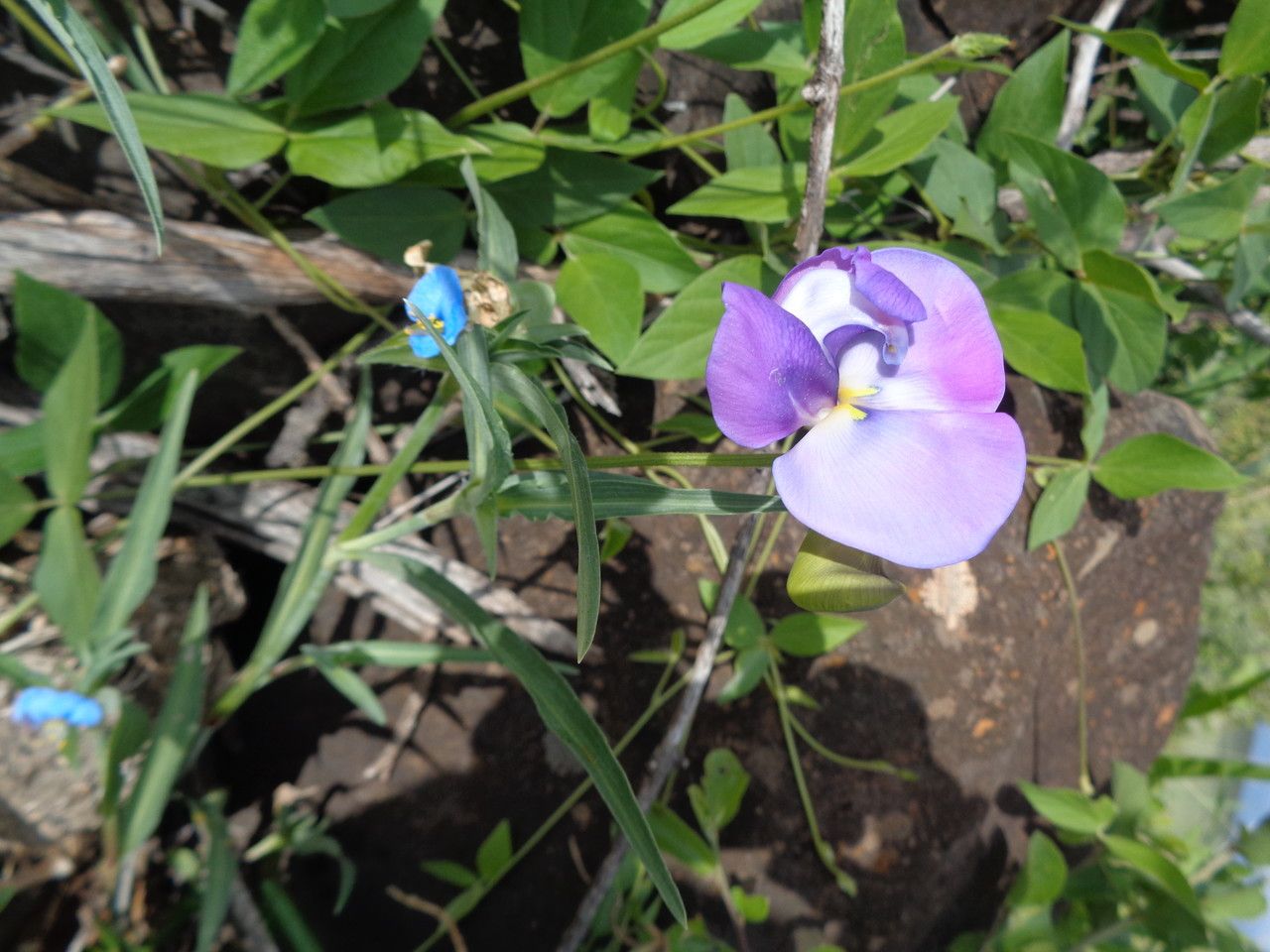
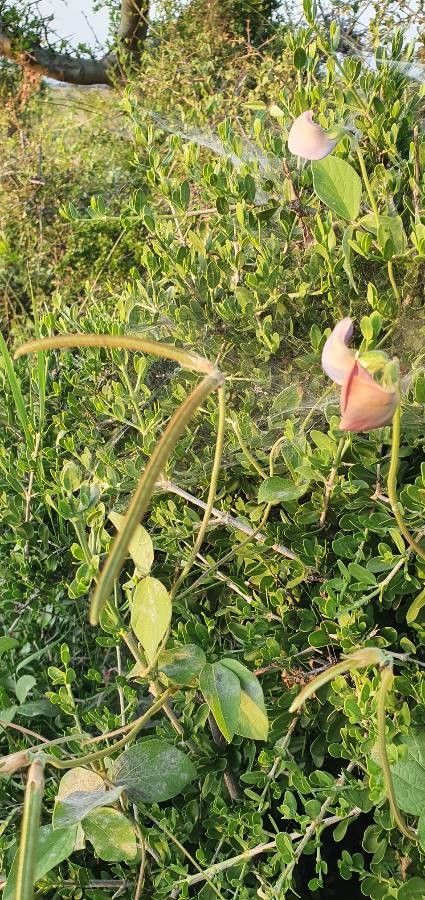
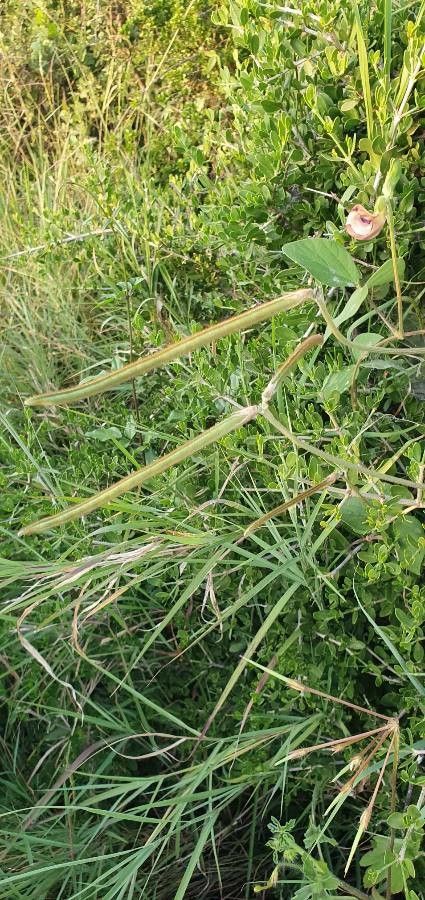
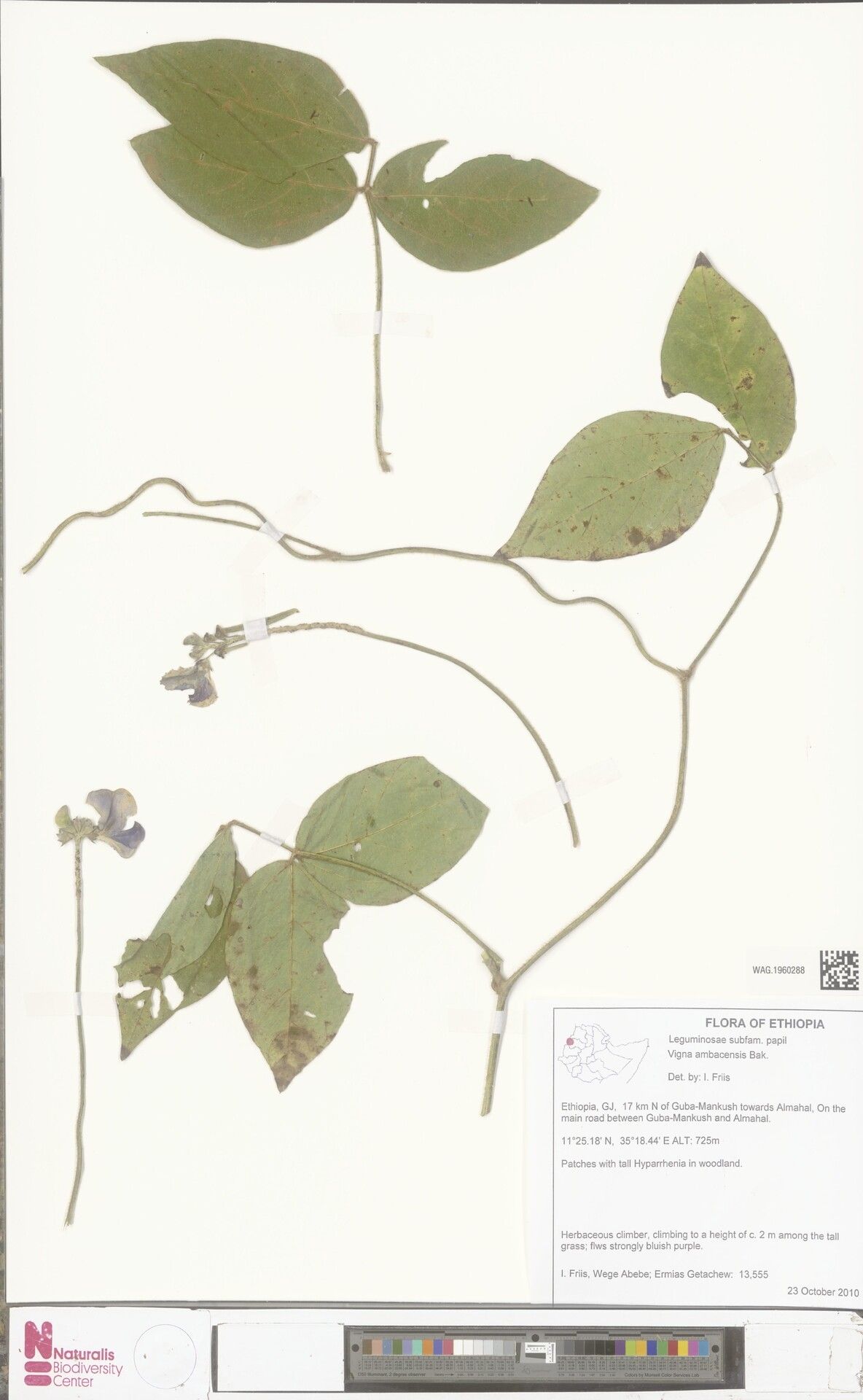
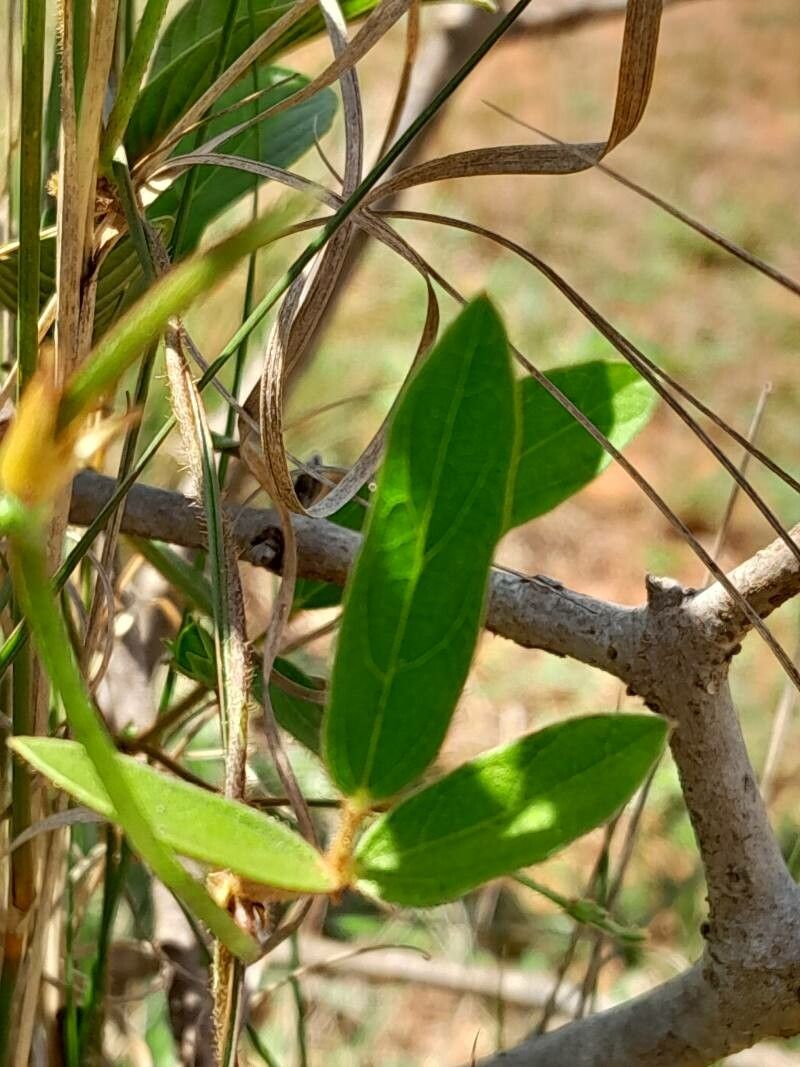
Vigna vexillata, commonly known as the creeping vigna or snail bean, is a perennial climbing plant that belongs to the family Fabaceae. Native to Southeast Asia, it can be found in countries such as Thailand, Malaysia, Indonesia, and the Philippines.
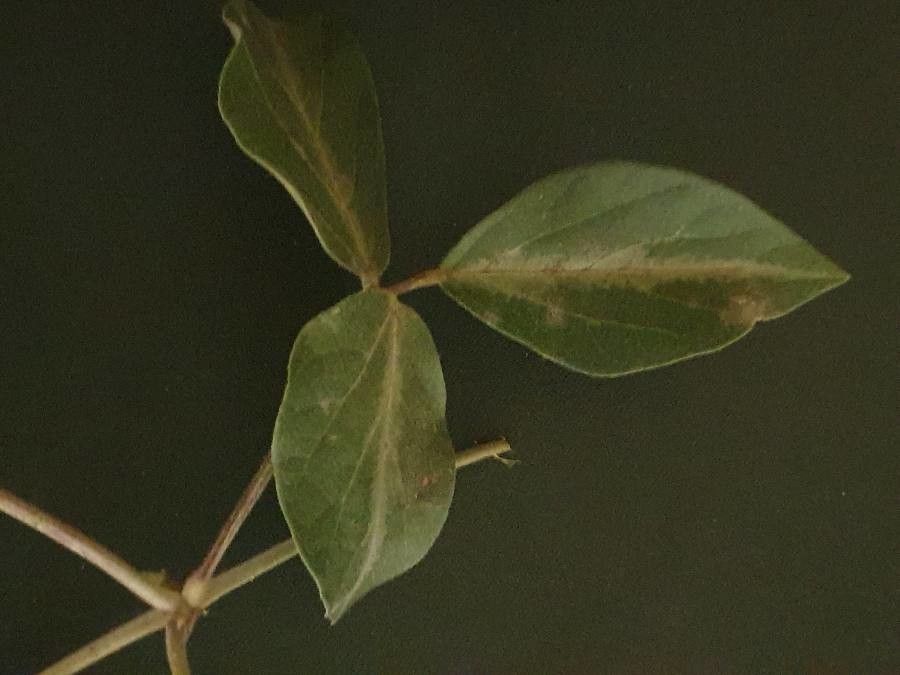
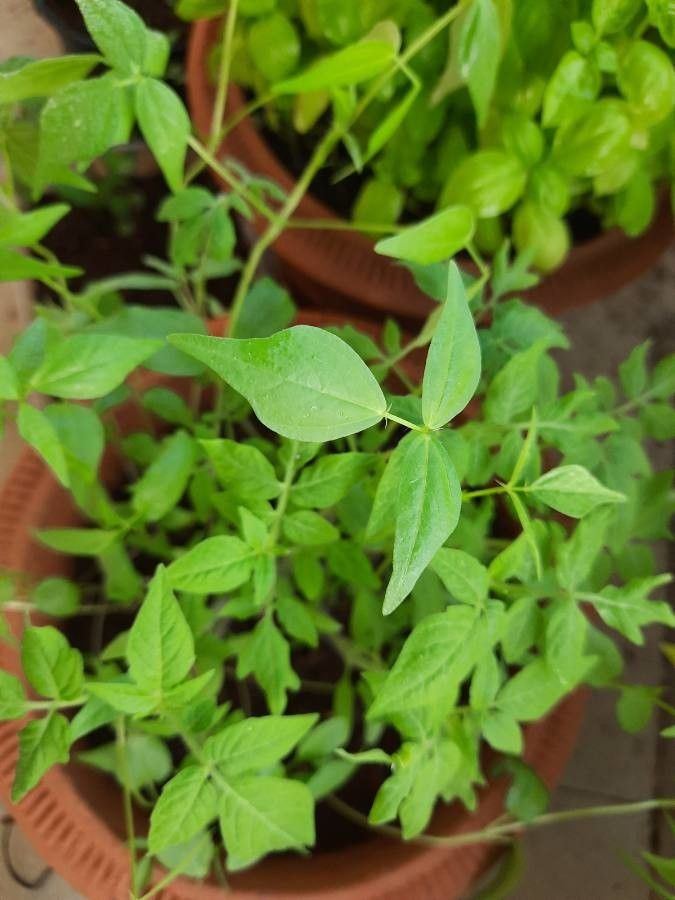
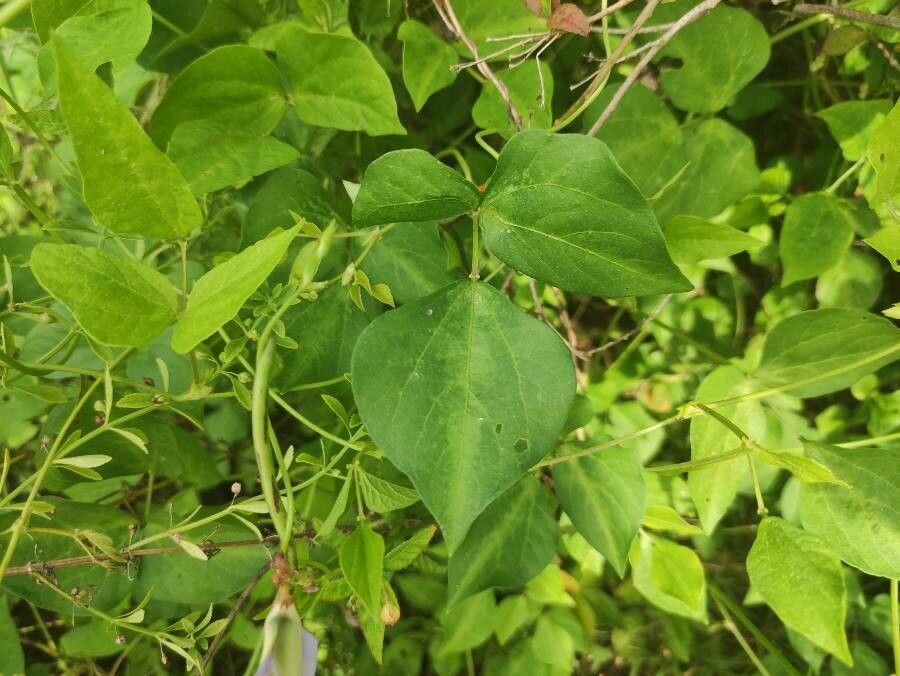
The plant features a slender stem that can grow up to 3 meters in length and produces small white or purple flowers. Its leaves are trifoliate, with ovate leaflets measuring approximately 2-5 centimeters long.
Vigna vexillata holds significant nutritional value and is an important crop for many communities in Southeast Asia. The seeds of this plant are rich in protein, fiber, and essential minerals such as iron and calcium.
The snail bean derives its name from its unique spiral-shaped pods, which resemble snail shells. These pods can grow up to 10 centimeters long and contain small black seeds, which are edible when cooked.
Besides its use as a food source, Vigna vexillata also possesses medicinal properties and has been traditionally used to treat various ailments, including fever, diarrhea, and skin infections.
Overall, Vigna vexillata is a valuable crop with high nutritional value, playing an essential role in many communities across Southeast Asia not only for food purposes but also in traditional medicine practices.
Zombi pea is fairly disease-resistant and typically not prone to illnesses. However, it can be vulnerable to pests and diseases found in its environment. These outbreaks are generally mild. Regarding care, the plant needs moderate maintenance. It should be pruned regularly to keep a neat appearance and encourage healthy growth. Fertilizing can also support better flowering. Zombi pea is appropriate for anyone with outdoor space, such as a garden or patio, and does not demand extensive care experience. When grown indoors it may need greater attention.
How to keep Vigna Vexillata.
Light
Zombi pea flourishes under constant exposure to sunlight, but can also tolerate areas where sunlight is less dominant. Its evolution in sun-rich environments supports healthy growth. However, fluctuations in sun exposure can hinder development and cause damage when illumination is either excessive or insufficient.
Water
The zombi pea thrives in subtropical climates and requires regular weekly watering, but be careful not to overwater it. While it can withstand short dry spells, it typically grows best outdoors where it can benefit from natural rainfall during the growing season. This rainfall helps to enhance its growth and overall health.
Temperature
Zombi pea is adapted to the local conditions of its native habitat, tolerating temperatures from 68 to 100 °F (20 to 38 ℃). In response to seasonal shifts, its housing can be adjusted so temperatures consistently stay within that preferred range.
Fertilizer
Proper fertilization is essential for Zombi pea health and appearance. Fertilize the Zombi pea during summer, repeating the application monthly throughout the season. Nutrients fuel growth and help maintain the plant's components. Fertilization improves the Zombi pea's flower display, ensuring the best blooms.
Pruning
To ensure your zombi pea thrives, proper pruning from early to late spring is essential. By trimming away dead stems, you can prevent disease and improve air circulation. Additionally, removing spent blooms promotes continuous flowering. These practices will enhance the vigor and beauty of the zombi pea in your garden.
Botanical profile.
- Plant Type
- Herb, Vine
- Life Cycle
- Perennial
- Genus
- Vigna
- Family
- Fabaceae
- Hardiness Zone
- 10-11
- Mature Height
- 6.1 m
- Mature Spread
- 49 cm to 91 cm
- Leaf Color
- Green, Dark Green
- Leaf Type
- Deciduous
- Flower Color
- Purple, Lavender
- Flower Size
- 2.54 cm
- Bloom Time
- Summer, Early fall, Mid fall
- Planting Time
- Spring, Autumn
- Harvest Time
- Late summer, Fall, Early winter
- Native Area
- Sri Lanka, Burkina Faso, Belize, India, Mexico, Madagascar, Pakistan, Nigeria, Guinea-Bissau, Uganda, Tanzania, Benin, Sierra Leone, Indonesia, Cameroon, Mozambique, Ethiopia, Central African Republic, Malawi, Honduras, Peru, Laos, Panama, Chad, China, Colombia, Japan, Togo, Senegal, Eswatini, Côte d'Ivoire, Ecuador, Costa Rica, Gambia, Congo (DRC), Somalia, Angola, Namibia, Rwanda, Kenya, Niger, Jamaica, Zimbabwe, Cuba, Cambodia, Burundi, Liberia, Venezuela, Brazil, Ghana, South Korea, Botswana, Congo, Nepal, South Africa, Zambia, Sudan, Bolivia, Vietnam, Myanmar, Guyana, Bhutan, Nicaragua, Thailand
Other names.
Reader questions.
What should I do if I give my Zombi pea plant too much or too little water?
Overwatering is a common issue for Zombi peas and can cause wilting and yellowing of the stems and leaves. It can also lead to diseases like root rot, mold, and mildew, which can be fatal for the plant. Underwatering is less common, but the leaves may become brittle and brown when it occurs. It's important to recognize the signs of overwatering early and adjust your watering schedule accordingly. If the soil drains poorly, replace it with a well-draining potting mix. If your plant is not getting enough water, increase your watering frequency until the signs improve.
What are the sunlight requirements for Zombi pea?
Zombi pea requires above 6 hours of sunlight daily to be considered in full sun, and about 3-6 hours of sunlight for partial sun conditions. It's important to observe the movement of sunlight in your garden to ensure spots selected provide the right balance of light and shade for your plants, contributing to their optimal growth. Additionally, Zombi pea can thrive in environments with abundant sunshine but also tolerates areas with less dominant sun. However, it's crucial to maintain consistency in sunlight exposure, as fluctuations can hinder the plant's development and even cause harm under extreme conditions.
What is the preferred temperature range for Zombi pea?
Zombi pea thrives in a temperature range from 68 to 100 °F (20 to 38 °C). It is accustomed to the local conditions of its native environment and prefers this temperature range for optimal growth. Adjustments should be made with seasonal changes to ensure the temperatures always remain within this preferred zone, particularly by bringing the plant indoors during autumn to protect it from cold temperatures.
How frequently should I water my Zombi pea plant?
If your Zombi pea is in a pot, the most precise way to determine if it needs water is to check the soil by inserting your finger into it. If the top two to three inches of soil are dry, it's time to water it. If you're growing your Zombi pea outdoors in the ground, you can use the same method to test the soil. When the top few inches of soil have dried out, it's time to water. Typically, during spring and early fall, watering once a week is sufficient. However, in extremely hot weather, you may need to water twice or more per week. It's worth noting that mature, well-established Zombi pea plants can tolerate drought well.
How can artificial lighting benefit indoor Zombi peas?
Indoor Zombi peas, when lacking natural sunlight, particularly during winter or in less sunny spaces, can greatly benefit from artificial lighting. Artificial lights, such as LEDs customized to provide specific wavelengths, can promote faster and healthier growth. For optimal growth, full sun plants require 30-50W per square foot of artificial light, partial sun plants need 20-30W per square foot, and full shade plants require 10-20W per square foot. Placement of the light source should be 12-36 inches above the plant, mimicking natural sunlight as closely as possible, and the duration should replicate natural daylight hours, with most plants benefiting from 8-12 hours of light per day.
How should Zombi pea be cared for in cold temperatures?
In cold temperatures, Zombi pea requires special care as it prefers warm conditions and does not tolerate low temperatures well. It is best when the temperature is above 20°C, and you should aim to keep it above 5°C during winter. If temperatures fall below 1°C, the leaves may lighten in color and, after frost damage, turn brown or black with symptoms such as wilting and drooping. If frost damage occurs, you should trim off the frost-damaged parts and move the plant to a warm environment indoors, placing it near a south-facing window for ample sunlight while ensuring it is not too close to heaters or air conditioning vents to avoid air dryness.
How much water does my Zombi pea plant need?
To water your Zombi pea effectively, don't be stingy with the amount of water you give. Wait until the top two to three inches of soil are dry, and then give the plant a good, thorough watering. Make sure to soak the soil completely. You'll know you've added enough water when you see excess water draining from the pot's drainage holes at the bottom. If there's no excess water draining, it means you haven't given enough water. However, be careful not to let water accumulate inside the soil, as this can be harmful to the plant. On the other hand, if water doesn't drain through the pot, it could be a sign of poorly draining soil, which is bad for the plant's health. Avoid this by ensuring the soil is well-drained. If the plant is outside, 1 inch of rain per week should be enough.
What are some symptoms of light deficiency in Zombi pea?
Symptoms of light deficiency in Zombi pea include new leaves growing smaller in size, leggy or sparse growth, faster leaf drop, slower or no new growth, lighter-colored new leaves, chlorosis, sunscald, leaf curling, wilting, and leaf scorching. These symptoms indicate that the plant is not receiving adequate sunlight, affecting its ability to photosynthesize, leading to weakened structure and reduced health.
What steps should be taken if Zombi pea is exposed to high temperatures?
During summer, it's important to ensure that Zombi pea is kept below 38°C to avoid heat stress. If the temperature exceeds 43°C, the plant may show signs of stress such as lighter leaf color and susceptibility to sunburn. To care for Zombi pea in high temperatures, you should trim away any sunburned and dried-up parts of the plant and relocate it to a spot where it is protected from the harsh midday and afternoon sun. Additionally, watering the plant in the morning and evening will help keep the soil moist and support the plant's well-being during hot periods.
How do I water my Zombi pea at different stages of growth?
The water needs of the Zombi pea can vary at different growth stages. When it is in the early years or has just been transplanted, more water is required because it is focused on developing new roots for future growth. These roots perform best with higher moisture levels. As the Zombi pea matures, less water is needed. Additionally, during the bloom period, when the plant is producing flowers, extra water may be necessary as flower development requires more moisture.
What are some solutions for addressing insufficient sunlight in Zombi pea?
To address insufficient sunlight for Zombi pea, gradually move plants to sunnier locations to receive at least 6 hours of direct sunlight daily. For indoor plants not easily movable or too large, consider using artificial light, keeping a lamp on for at least 8 hours daily or investing in grow lights. Outdoors, avoid sudden changes to prevent sunburn by gradually adapting plants to more sunlight. Reduce obstructions that block sunlight, possibly by pruning or transplanting to better locations. Note that parts of the plant affected by insufficient sunlight may not recover, but new growth will be healthy with improved light conditions.
What is the botanical name of Zombi pea?
The botanical name of Zombi pea is Vigna vexillata.