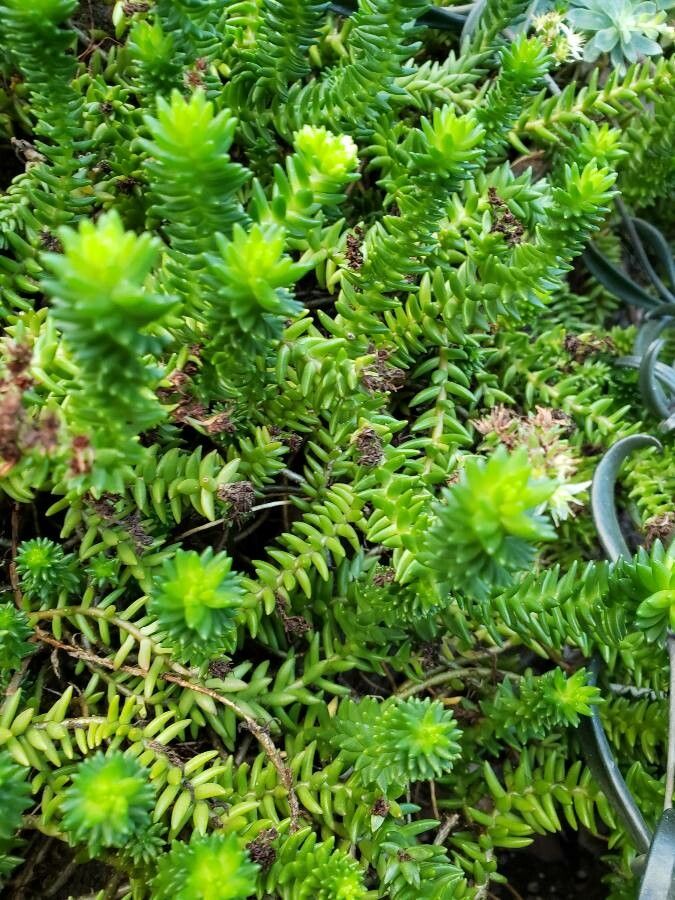
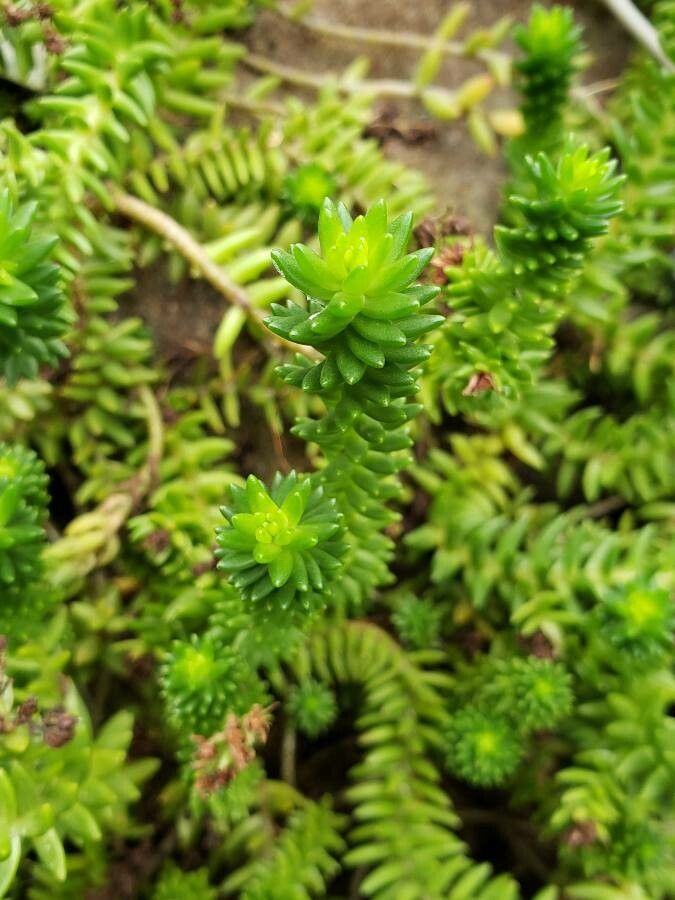
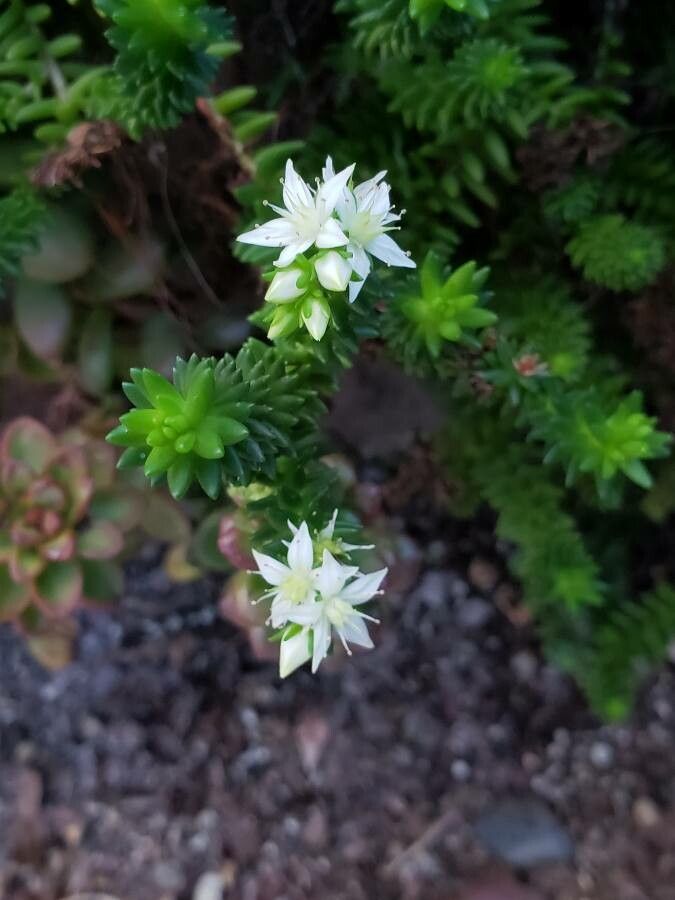
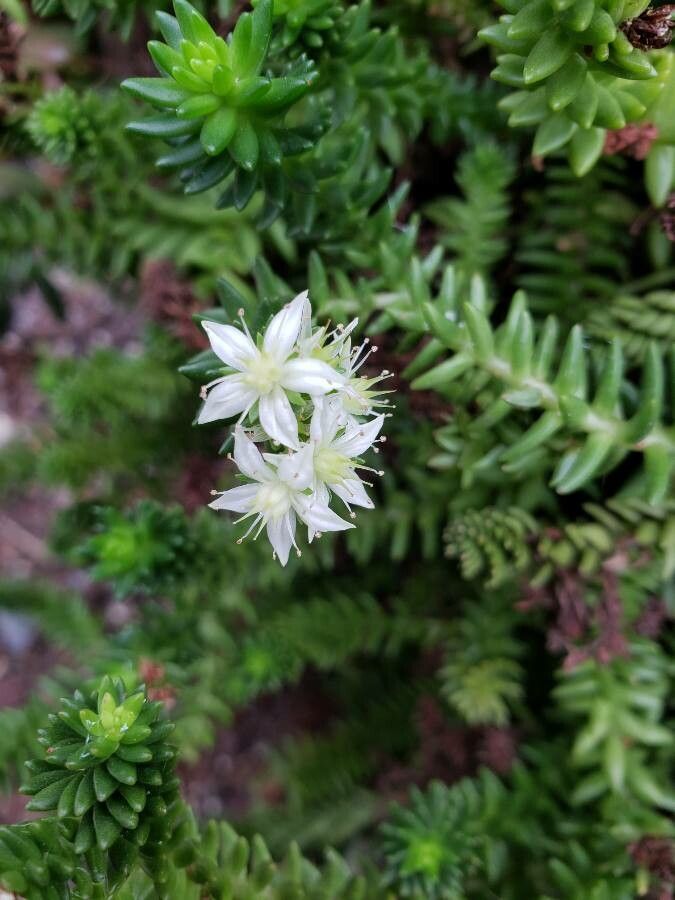
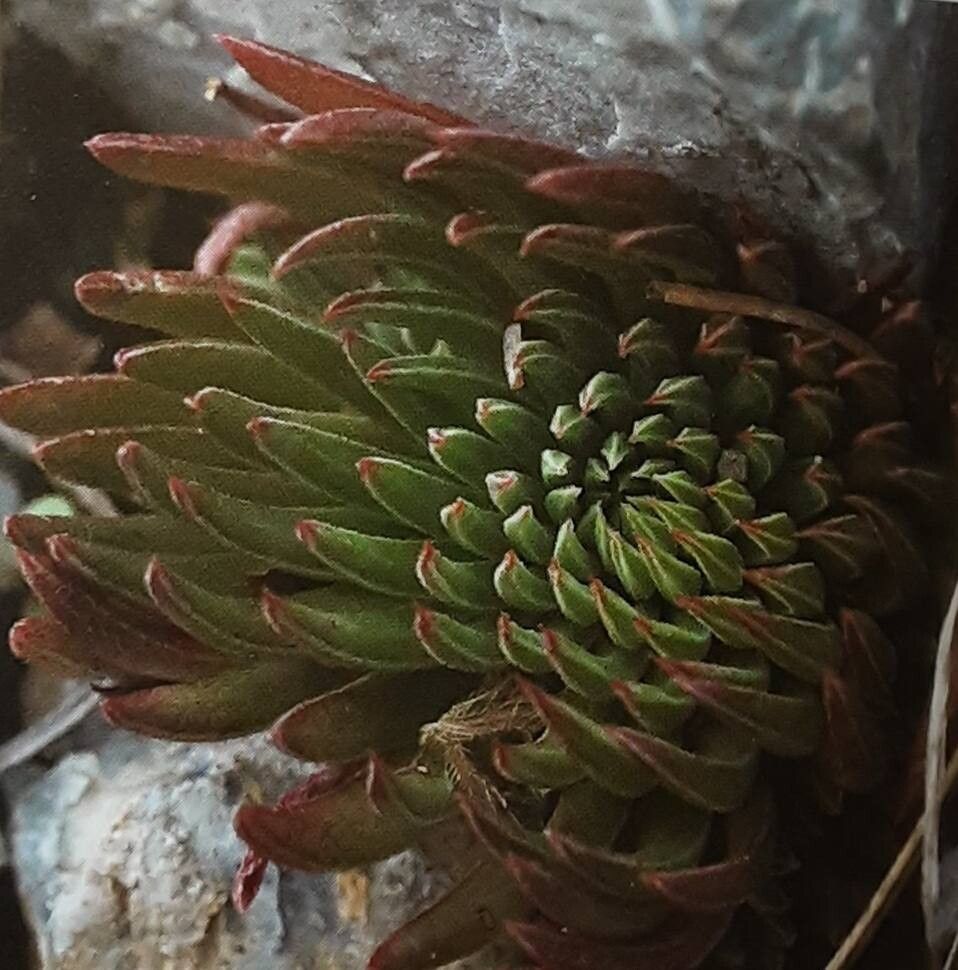
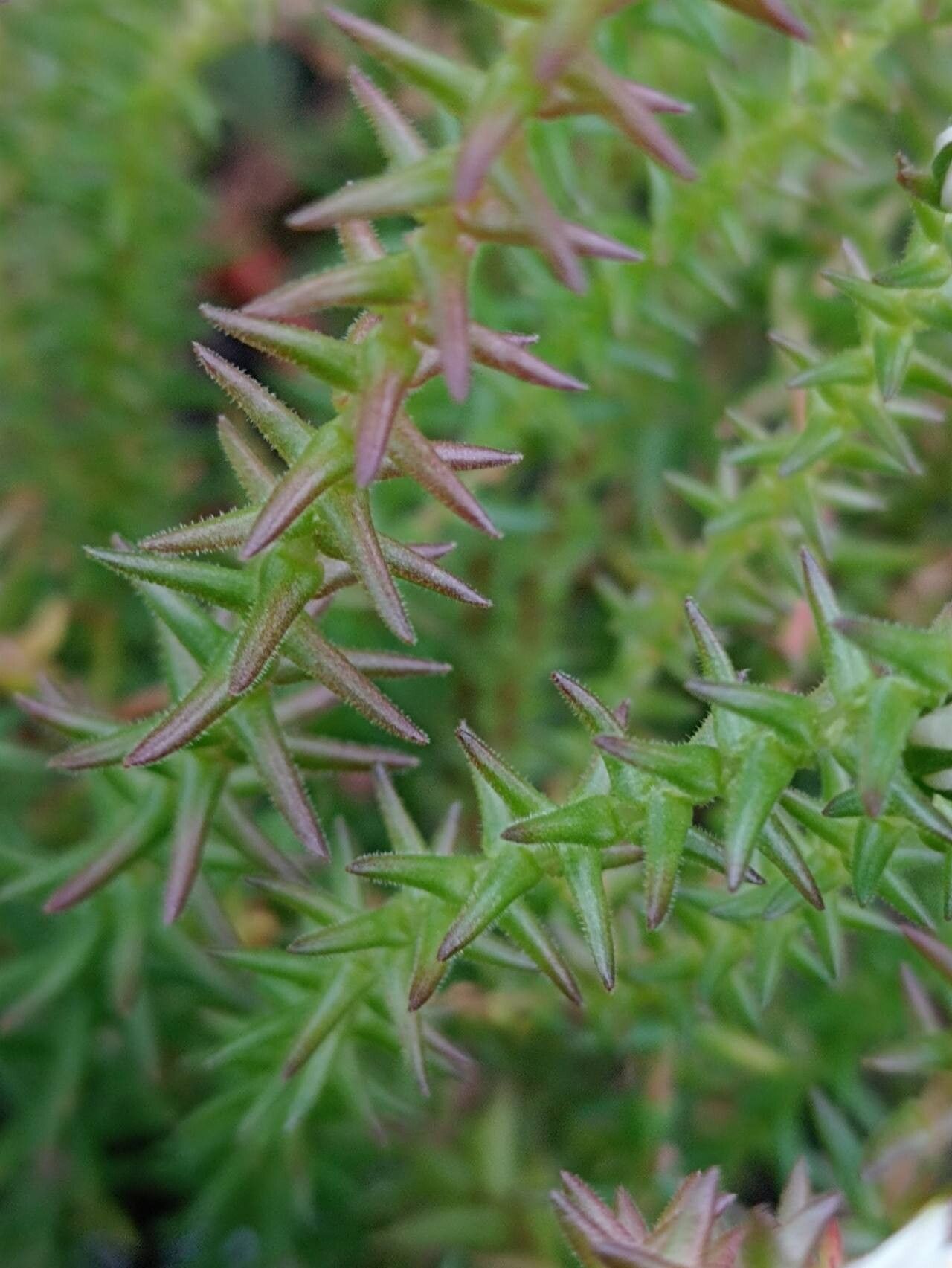
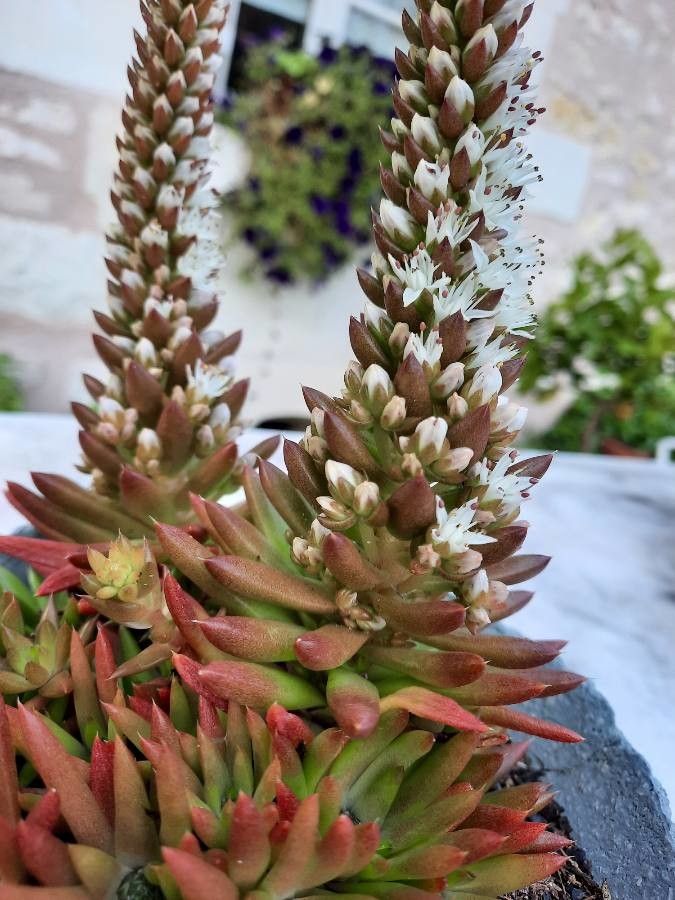
Cotyledon batesii has moderate resistance to disease but is more sensitive to humidity. It becomes vulnerable to illness when humidity is high and is likely to develop root rot during dormancy. Regarding care, Cotyledon batesii tolerates drought but requires increased watering in the growing season. Watering should be significantly reduced or stopped entirely while it is dormant. Cotyledon batesii is better suited to growers with some experience, as it can be challenging to maintain, especially during dormancy. It is particularly appropriate for those who can spend time caring for it through the winter months.
How to keep Villadia Batesii.
Light
Cotyledon batesii thrives in strong sunlight, which plays an important role in its healthy growth. Native to habitats with intense sun, it tolerates abundant sunlight well and can exhibit stunted growth if kept in insufficient light.
Water
Cotyledon batesii flourishes in semi-arid environments with minimal watering, needing irrigation only every three weeks. Its high drought tolerance and preference for dry soil make it less susceptible to root rot. Being an evergreen, Cotyledon batesii maintains its foliage throughout the year. Additionally, it requires less water during the cooler months because of reduced evapotranspiration.
Temperature
Cotyledon batesii grows best in conditions that stay between 68 and 100 °F (20 and 38 °C). The plants prefer summer-like warmth all year long. If temperatures drop below that range, provide indirect heating.
Fertilizer
For Cotyledon batesii, light applications of fertilizer once or twice a year during the growing season are adequate. Do not fertilize in winter or in summer when it is dormant. Cut back on fertilizer for plants that have been repotted and wait a couple of months after repotting before applying fertilizer. Fertilizing helps maintain healthy growth and promotes flowering.
Pruning
To help cotyledon batesii maintain its beautiful shape, prune the dense branches during the spring and fall. For propagation, follow these steps: cut a sturdy stem with 5 to 6 leaves, apply sulfur powder to the cut to prevent infection, and allow it to heal. Once the stem has healed, plant it in slightly moist soil.
Pot & Repot
Repot the Cotyledon batesii every two years, choosing a slightly larger pot with good drainage each time. The best time for repotting is in the spring. Place the plant in a location with bright, indirect light, and water it sparingly until you see new growth. This plant needs gentle care to thrive and has a rosette shape that requires room to expand.
Botanical profile.
- Plant Type
- Succulent
- Life Cycle
- Perennial
- Genus
- Villadia
- Family
- Crassulaceae
- Hardiness Zone
- 9-11
- Mature Height
- 10 cm to 25 cm
- Mature Spread
- 15 cm to 20 cm
- Leaf Color
- Green
- Leaf Type
- Semi-evergreen
- Flower Color
- Yellow, White
- Flower Size
- 2.03 cm to 6.35 cm
- Bloom Time
- Late summer, Early fall
- Planting Time
- Spring, Summer, Autumn
- Harvest Time
- Mid fall, Late fall
Reader questions.
What are the sunlight requirements for Cotyledon batesii?
Cotyledon batesii flourishes best when exposed to full sun, which means it requires above 6 hours of sunlight daily. It's important to observe the movement of sunlight through your garden to find spots that offer a harmonious balance of light and shade, ensuring your plants thrive. Originating from environments with strong solar intensity, Cotyledon batesii is highly tolerant of abundant sun exposure. Inadequate lighting conditions can severely impact its growth, making it crucial to ensure it receives enough natural light.
What is the ideal temperature range for Cotyledon batesii?
Cotyledon batesii flourishes in temperatures between 68 to 100°F (20 to 38°C), preferring summer-like conditions throughout the year. When temperatures fall below 68°F (20°C), the plant's growth begins to slow, and measures should be taken to reduce or stop watering in order to prevent root rot. During winter, or when temperatures drop below 32°F (0°C), it's crucial to move the plant indoors, ideally near a south-facing window for maximum sunlight exposure. Supplemental lighting may be employed if natural light is insufficient.
Can artificial lighting be used for Cotyledon batesii, and how?
Yes, artificial lighting can be used for Cotyledon batesii, especially when natural sunlight is insufficient. This is particularly useful in winter or less sunny spaces, as artificial lights can significantly promote healthier and faster growth. LED lights are recommended for their ability to be customized to specific light wavelengths needed by plants. For full sun plants like Cotyledon batesii, 30-50W/sq ft of artificial light is ideal. The light source should be placed 12-36 inches above the plant to mimic natural sunlight, and plants generally require 8-12 hours of light per day.
How does Cotyledon batesii react to low temperatures?
Cotyledon batesii is sensitive to low temperatures and thrives best above 68°F (20°C). Keeping it above 32°F (0°C) during winter is necessary to prevent dormancy or damage. At temperatures below 23°F (-5°C), the plant may wilt, weaken, and become susceptible to root rot. Frostbite may not show immediate symptoms, but affected areas should be trimmed, especially if the roots are rotted. In such cases, the affected parts can be propagated through cuttings. Moving the plant to a warm, indoor location with ample sunlight or supplemental lighting is advisable for recovery.
What are the symptoms of inadequate light for Cotyledon batesii?
Cotyledon batesii may exhibit several symptoms when exposed to suboptimal lighting, including smaller new leaves, leggy or sparse growth, faster leaf drop, slower or halted growth, and lighter-colored new leaves or chlorosis. Sunscald, leaf curling, wilting, and leaf scorching are also common symptoms indicating that the plant is receiving either too much or too little sunlight. Each of these symptoms indicates a deviation from the ideal light conditions, necessitating prompt adjustment to the plant's environment.
What should I do if Cotyledon batesii is exposed to high temperatures?
When exposed to temperatures above 100°F (38°C), especially exceeding 109°F (43°C), Cotyledon batesii's growth halts, and the plant may suffer from water loss, wilting, and increased susceptibility to sunburn. It's important to remove any sunburned or rotten parts and protect the plant from direct afternoon sunlight until it shows signs of recovery. If the plant has experienced root rot, withhold watering until new roots have developed, to encourage recovery.
What solutions can improve light conditions for Cotyledon batesii?
Improving light conditions for Cotyledon batesii involves several strategies, depending on whether the plant is grown indoors, outdoors, or in the ground. Indoors, gradually move the plant to a sunnier location until it receives at least 6 hours of direct sunlight, using a south-facing window or artificial light sources if necessary. Outdoors, similarly, adjust the plant's location gradually to avoid sunburn. For plants in the ground, reducing obstructions like pruning branches, or transplanting the plant to a sunnier spot, can significantly improve sunlight exposure. It’s essential to ensure the plants adapt to the light changes without drastic alterations to prevent shock.