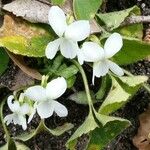
Viola alba
White violet · Parma violet
Description
Source: leafsnapViola alba, commonly known as white violet, is a species of violet in the family Violaceae.
Care Guide
💧 Water
Native to temperate regions, the white violet flourishes in moist environments and requires regular watering without becoming waterlogged. For best growth, it should be watered weekly. As an herbaceous perennial, the white violet is adaptable to different levels of rainfall, making it a resilient choice for gardens in appropriate climate zones.
How should I water my White violet to keep it healthy?
To properly water the White violet, it is best to use filtered water at room temperature. Tap water may have harmful particles, so filtering it is preferable. The White violet is used to warm climates, so it is important to avoid using cold water which may shock the plant. Overhead watering should be avoided as it can cause problems with foliage. Instead, simply water the soil with your filtered room temperature water until it is thoroughly soaked. This helps moisten the roots and allows them to spread through the soil and absorb necessary nutrients.
What should I do if I give my White violet too much water or too little water?
Both overwatering and underwatering can harm the health of your White violet, but overwatering is a more common issue. Too much water can cause wilting, yellowing leaves, and diseases like root rot, mold, and mildew that can kill your plant. Underwatering is less common as the White violet can handle drought fairly well, but it can still happen and result in brittle, brown leaves. It's important to notice signs of overwatering quickly. Some diseases caused by overwatering, like root rot, are difficult to fix if not caught early. If you see early signs of overwatering, reduce your watering schedule and check the soil drainage. Replace poorly draining soil with a loose, well-draining potting mix. If you notice signs of underwatering, increase your watering frequency until the plant recovers.
How many times should I water my White violet?
If your White violet is in a pot, the easiest way to check if it needs water is to put your finger in the soil. When the top two to three inches of soil feel dry, it's time to water it. If your White violet is growing outdoors in the ground, you can use the same method to check the soil. When the top few inches of soil have dried out, it's time to water. Generally, during spring and early fall, you'll need to water this plant about once a week using this method. But during extremely hot weather, you may need to water it two or more times a week. However, mature, well-established White violets can tolerate drought well.
How much water does my White violet require?
To properly water your White violet, don't hold back on the amount of water you give. Wait until the top two to three inches of soil are dry, then give the plant a thorough watering that completely soaks the soil. Make sure to add enough water to cause excess water to flow out of the drainage holes at the bottom of the pot. If you don't see any excess water draining, it means you haven't watered enough. However, be careful not to let water accumulate in the soil, as this can be very harmful to the plant. On the other hand, if water doesn't drain well from the pot, it means the soil is poorly draining, which isn't good for the plant's health. If the plant is outside, receiving about 1 inch of rain per week should be enough.
How do I water my White violet as it grows?
The water needs of the White violet can vary depending on its growth stages. In the first few years of its life or after being transplanted, it requires more water than usual. During these stages, the White violet focuses on growing new roots, which require extra moisture for optimal performance. As the plant matures, it will need less water. Additionally, during the bloom period, when the flower is developing, the White violet may require more water due to increased moisture demands.
☀️ Light Full sun
White violet grows best in locations that receive ample sunlight all day. However, it can tolerate spots that get sun for only part of the day, giving it flexibility in where it can be grown. Too much or too little light may interfere with its healthy growth.
What are the sunlight requirements for White violet?
White violet thrives best under abundant day-long exposure to sunlight, categorized into full sun and partial sun requirements. Full sun means the plant should receive above 6 hours of sunlight daily, while partial sun refers to about 3-6 hours of sunlight. However, it can also adapt to partial sun environments, making it versatile in various growing conditions. It's essential to watch how sunlight moves through your garden and select spots that offer a balanced light and shade environment for your plants.
How do artificial lights support the growth of indoor White violet plants?
In scenarios where natural sunlight is insufficient, especially during winter or in less sunlit spaces, artificial lighting provides a crucial alternative for supporting optimal growth of White violet indoors. LED lights are recommended due to their ability to deliver specific light wavelengths needed by plants. Full sun plants need 30-50W/sq ft of artificial light, partial sun plants require 20-30W/sq ft, and full shade plants need 10-20W/sq ft. Placement should be 12-36 inches above the plant, mimicking natural sunlight conditions with 8-12 hours of light per day.
What are the signs of light deficiency in White violet?
Symptoms of insufficient light in White violet include smaller new leaves, leggy or sparse growth, early leaf drop, slower or halted growth, and lighter-colored leaves. These indications reflect the plant's struggle in inadequate lighting, leading to reduced vitality and potential health issues.
What are the symptoms of excessive sunlight exposure in White violet?
Overexposure to sunlight can lead to chlorosis, sunscald, leaf curling, wilting, and leaf scorching in White violet. These symptoms showcase the detrimental effects of too much sunlight, such as the breakdown of chlorophyll, tissue damage, dehydration, and impaired plant health.
What are the recommended solutions for White violet experiencing inadequate sunlight?
For indoor White violet plants, gradually increasing sunlight exposure to at least 6 hours daily or using artificial lights for 8 hours daily can help. Outdoor plants should be moved gradually to sunnier spots to prevent sunburn. For ground-planted White violet, reducing obstructions or transplanting to sunnier locations can improve light access. While some parts of the plant may not recover from previous light deficiency, new growth will benefit from these adjustments.
🌡️ Temperature 5–35°C
White violet is fairly adaptable, native to environments with temperatures from 41 to 95 °F (5 to 35 ℃). It prefers cooler conditions and will need some adjustments in hot summers or very cold winters to do well.
What are the essential care tips for White Violet (Viola alba)?
White Violet (Viola alba) thrives in temperatures ranging from 41°F to 95°F (5°C to 35°C) and prefers cool climates. It displays strong resistance to cold and typically does not require special frost protection. However, in regions where winter temperatures are expected to drop below -30°C, protective measures such as covering the plant with soil or straw are essential. To ensure the plant remains hydrated through winter and early spring, it is advisable to water it abundantly before the first freeze in autumn, helping the soil retain moisture.
How does White Violet react to low temperatures?
White Violet is cold-tolerant and fares well above 5°C. It should ideally be kept above -25°C during winters. If temperatures fall below -30°C, the plant may not show immediate distress, but its ability to sprout in spring could be adversely affected, potentially leading to decreased sprouting or a complete lack thereof. In such instances, removing parts of the plant that fail to sprout come spring is suggested.
What should I do if my White Violet experiences high temperatures?
In the summer, it's crucial to keep White Violet below 35°C. Exposure to temperatures above 41°C can cause the leaves to lighten in color, curl, become susceptible to sunburn, and, in extreme cases, lead to the plant wilting and drying out. To mitigate these issues, sunburned and dried parts should be trimmed away. Move the plant to a shaded area or use a shade cloth to protect it from the midday and afternoon sun. Additionally, maintain soil moisture by watering the plant during the cooler morning and evening hours.
💨 Humidity normal (40-60%)
This plant will thrive in moderate humidity, which is probably the level in your home. However, misting it a few times a week can be very beneficial. Make sure the room has good ventilation.
🪴 Soil 6-6
🌱 Fertilizer
The ideal time to fertilize a White violet is in early spring, as it comes out of dormancy and begins active growth. Fertilizing supplies essential nutrients for healthy growth. Although the White violet has relatively low fertilizer requirements, applying fertilizer annually can improve its survival and encourage better, longer-lasting flowers.
🪴 Pot & Repot 2-3 years
Repot white violets every 2 to 3 years during the spring. Use a slightly larger container to allow room for root growth. Make sure to choose a pot with good drainage and maintain high humidity and moderate sunlight after repotting. To prevent excess moisture, avoid using deep pots. This will help ensure the health of your white violets.
✂️ Pruning
The white violet has heart-shaped leaves and delicate white flowers. For optimal flowering, prune it from early to late spring, and remove any crowded or diseased growth. Light, regular pruning helps improve the plant's shape and encourages blooms. However, avoid heavy pruning due to its shallow root system.
🌿 Propagating
🐛 Diseases & pets
☠️ Toxicity
Characteristics
- Plant Type
- Herb
- Life Cycle
- Perennial
- Genus
- Viola
- Family
- Violaceae
- Hardiness Zone
- 4-10
- Mature Height
- 15 cm
- Mature Spread
- 49 cm
- Leaf Color
- Green
- Leaf Type
- Evergreen, Deciduous
- Flower Color
- White, Lavender
- Flower Size
- 3.05 cm
- Bloom Time
- Late winter, Early spring, Mid spring
- Planting Time
- Spring
- Harvest Time
- Mid spring, Late spring