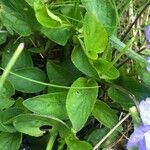
Viola canina
Heath dog violet · Heath violet · Dog violet · Common Dog-violet
Description
Source: leafsnapViola canina (heath dog-violet or heath violet) is a species of the genus Viola, native to Europe, where it is found in heaths, fens, and moist woodlands, especially on acidic soils.It is a herbaceous perennial plant growing to 5–15 cm tall. The flowers are pale blue, produced from April to July. Colonies of plants may be extensive.It is host to the pathogenic fungi Puccinia violae and Ramularia lactea.
Care Guide
💧 Water Every week
The heath dog-violet flourishes in moist meadows, favoring soil that is consistently damp but not waterlogged. To mimic its natural habitat, water it weekly. As an herbaceous perennial, this plant also benefits from higher humidity levels indoors, which encourages lush growth and improves its flowering potential during the growing season.
How should I water my Heath dog-violet?
To properly water the Heath dog-violet, it is recommended to use filtered water at room temperature. Filtered water is better because tap water may contain harmful particles. The ideal temperature is room temperature or slightly warmer since the Heath dog-violet is accustomed to warm environments and cold water can cause stress. Instead of overhead watering, it is advisable to apply the filtered room temperature water directly to the soil until it is completely soaked. This helps to moisten the roots, allowing them to spread through the soil and absorb necessary nutrients.
What should I do if I give my Heath dog-violet too much or too little water?
Overwatering is a common issue that can harm your Heath dog-violet. It causes the stems and leaves to wilt and turn yellow. If not resolved, overwatering can lead to diseases like root rot, mold, and mildew, which can be fatal for your plant. Underwatering is less common, as the Heath dog-violet is fairly drought-tolerant. However, if it happens, the leaves may become brittle and brown. It's important to recognize the signs of overwatering early on. Some diseases caused by overwatering, like root rot, may be irreversible if not addressed promptly. If you notice the signs, reduce your watering schedule and check if the soil drains well. Replace poorly draining soil with a loose, well-draining potting mix. If your Heath dog-violet shows signs of insufficient watering, simply water more regularly until the signs disappear.
How often do I need to water my Heath dog-violet plant?
If your Heath dog-violet plant is in a pot, the best way to determine if it needs water is to stick your finger into the soil. If the top two to three inches of soil are dry, it's time to water it. If your Heath dog-violet is growing outdoors in the ground, you can use the same method to test the soil. Once the top few inches of soil have dried out, it's time to water it. Typically, during spring and early fall, you'll need to water this plant about once a week using this method. However, in extremely hot weather, you may need to increase watering to about twice a week or more. It's worth mentioning that mature, well-established Heath dog-violets can tolerate drought well.
How much water does my dog named Heath need?
To properly water your Heath dog-violet, don't hesitate to give it a good amount of water. Make sure the top two to three inches of soil are dry before watering. It's important to thoroughly soak the soil, allowing excess water to flow out of the pot's drainage holes. If you don't see any excess water coming out, you might not have given enough water. However, be careful not to let the water accumulate in the soil, as this can harm the plant. On the other hand, if water doesn't drain through the pot, your soil might not drain well, which is bad for the plant's health. If the plant is outside, it should receive about 1 inch of rain per week.
How do I water my Heath dog-violet as it grows?
The water needs of the Heath dog-violet vary throughout different growth stages. When the plant is young or newly transplanted, it requires additional watering to support root development. During this time, the plant puts a lot of energy into growing new roots, which need more moisture. As the plant matures, it requires less water. Another growth stage that requires increased watering is the bloom period, as the flower development requires a significant amount of moisture.
☀️ Light Partial sun
Early dog violet prefers locations where sunlight does not fully reach throughout the day. Originating from habitats with filtered light, it grows best by using morning or late-afternoon sun while also tolerating shadier spots. Both too much and too little sunlight can impede the plant's healthy growth.
What are the sunlight requirements for Heath dog-violet?
Heath dog-violet thrives in conditions of moderate sun but can tolerate more sun. In its native environment, it grows under the partial shade of larger plants, ensuring the sunlight isn't too intense. The plant can suffer from scorched leaves if exposed to excessive sunlight, while inadequate sunlight may hinder its growth. Requirements for successful growth include partial sun, characterized by about 3-6 hours of sunlight per day, and full sun, needing more than 6 hours of sunlight daily. It's important to observe how sunlight moves through your garden to find an optimal balance of light and shade that ensures plant health.
How does artificial lighting benefit indoor Heath dog-violet plants?
When natural sunlight is insufficient, especially during winter or in less sunny spaces, artificial lighting becomes crucial for the growth of indoor Heath dog-violet plants. These lights promote faster and healthier growth. LED lights are recommended due to their ability to be customized to provide necessary light wavelengths. For full sun plants, 30-50W/sq ft of light is recommended, partial sun plants require 20-30W/sq ft, and full shade plants need 10-20W/sq ft. The light source should be placed 12-36 inches above the plant to imitate natural sunlight, and the duration of light exposure should mimic natural daylight hours, generally 8-12 hours per day.
What are the symptoms of inadequate light exposure in Heath dog-violet?
Insufficient light can lead to several symptoms in Heath dog-violent, including smaller new leaves, leggy or sparse growth, premature leaf drop, halted or no new growth, and paler or irregularly colored new leaves. Additionally, chlorosis may occur, causing leaves to lose their green color and turn yellow, a symptom of excessive sunlight exposure that impairs photosynthesis. Sunscald, which appears as pale or necrotic spots from intense sunlight, leaf curling as a defense against overexposure, wilting from excessive water loss, and leaf scorching characterized by brown, dry leaf edges, are also possible symptoms.
How can you address light exposure issues for Heath dog-violet?
To optimize light exposure for Heath dog-violet, gradually move the plant to sunnier spots if outdoor, ensuring a week-by-week transition to prevent sunburn. Indoors, shift the plant to increasingly brighter locations or use artificial lighting, such as desk or ceiling lamps, for at least 8 hours daily or invest in professional grow lights for enough light exposure. For ground plants, reduce sunlight obstructions by pruning overhanging branches and leaves, or for smaller plants, consider transplanting during their dormant period to a sunnier location with good drainage. Note that parts of the plant affected by previous light conditions may not recover, but new growth should thrive under improved lighting.
🌡️ Temperature 10–35°C
The early dog violet is native to temperate habitats and does best at temperatures between 50 and 95°F (10 to 35°C). Seasonal care may involve keeping it in warmer conditions during winter.
What is the preferred temperature range for Heath dog-violet?
Heath dog-violet prefers temperatures ranging from 68 to 95 °F (20 to 35 °C). It thrives in warmer conditions, and to maintain its growth during cooler seasons, it is beneficial to provide additional warmth. Although the plant has strong cold resistance, making special frost protection measures usually unnecessary, precautions should still be taken if winter temperatures are expected to drop below -25°C. This includes covering the plant with soil or straw for cold protection and watering it abundantly before the first freeze in autumn to ensure the soil stays moist, which helps prevent drought and water scarcity during winter and early spring.
What should I do if the Heath dog-violet is exposed to low temperatures?
Heath dog-violet is cold-tolerant and performs best when the temperature is above 20°C. During winter, it's crucial to keep the temperature above 0°C. If temperatures fall below -25°C, you might not notice any changes during winter, but there might be a decrease in sprouting or even no sprouting during spring. To counter this, in spring, you should remove any parts of the plant that have failed to sprout.
What are the effects of high temperature on Heath dog-violet and how can I mitigate them?
During summer, it's important to keep Heath dog-violet's temperature below 35°C. If the temperature exceeds 38°C, the plant’s leaves may become lighter in color, prone to curling, susceptible to sunburn, and in severe cases, the entire plant may wilt and become dry. To mitigate these effects, you should trim away the sunburned and dry parts. Moving the plant to a location that provides shade during the midday and afternoon sun, or using a shade cloth to create shade, can be effective. Additionally, watering the plant in the morning and evening to keep the soil moist will help in reducing stress due to high temperatures.
💨 Humidity
🪴 Soil 6-7
🌱 Fertilizer
The best time to fertilize an Early dog violet is in early spring, when it is coming out of dormancy and beginning active growth. Fertilizing supplies essential nutrients for healthy development. Although the Early dog violet has relatively low fertilizer requirements, applying fertilizer once a year can improve its survival and encourage better, longer-lasting flowers.
Why do I have to add fertilizer to my Heath dog-violet?
The main structure of the Heath dog-violet is made up of its leaves. Fertilization is an important way to make sure the leaves look good and function properly. By fertilizing correctly, you can keep the leaves consistently colored and healthy in texture. Fertilization also helps the Heath dog-violet develop new roots and maintain existing ones beneath the soil's surface. This ensures that the plant stays healthy and can absorb nutrients from the soil effectively over time.
When should I fertilize my Heath dog-violet plant for the best results?
If you choose to grow your Heath dog-violet outdoors, it will send out new growth in early spring. This new growth is a sign that it's time to start fertilizing. Generally, a single application of fertilizer in spring is sufficient. However, if you want to maximize growth, you can fertilize multiple times during spring and early summer. In this case, you can feed your Heath dog-violet about once every month to a month and a half.
When is the best time to not fertilize my Heath dog-violet?
During the late fall and winter, your Heath dog-violet will go into a dormant phase where it won't produce new growth. So, it's best to avoid fertilizing it during this time. However, if you decide to fertilize in the spring and summer, you should gradually decrease the amount you use as summer approaches. This is because the growth rate of your Heath dog-violet also slows down during this period. In general, it's not a good idea to fertilize your Heath dog-violet when the weather is unusually hot or the soil is extremely dry. Fertilizing in these conditions can stress your plant and potentially cause it to die prematurely.
What kind of fertilizer does my Heath dog-violet plant need?
Choosing the best fertilizer for a Heath dog-violet is a simple task. These plants thrive on general-purpose garden fertilizer with equal amounts of nitrogen, phosphorus, and potassium (a ratio of 10-10-10 is ideal). Avoid fertilizers with high nitrogen levels if unsure. The best fertilizer for a Heath dog-violet usually comes in granular form, which is easy to apply. Look for slow-release options. Additionally, using organic soil amendments like compost can be beneficial in feeding your Heath dog-violet.
How should I make my Heath dog-violet grow better?
To ensure proper growth of your Heath dog-violet, wait until its first leaves emerge in early spring. Then, apply a balanced slow-release fertilizer around the base of the plant. You can repeat this process later in the season if desired. When applying fertilizer, make sure to target the soil at the base of the plant, not the plant itself. You may need to move some leaves aside to access the soil around the roots. It's also beneficial to water the plant before and after fertilizing.
🪴 Pot & Repot
✂️ Pruning
The heath dog-violet thrives in well-drained soil and produces delicate purple flowers. For best results, prune it from early to late spring by removing dead stems and faded flowers. Minimal trimming encourages growth, improves air circulation, and prevents disease, helping the plant produce vibrant blooms and maintain overall health.
🌿 Propagating
🐛 Diseases & pets
☠️ Toxicity
Characteristics
- Plant Type
- Herb
- Life Cycle
- Perennial
- Genus
- Viola
- Family
- Violaceae
- Hardiness Zone
- 6-9
- Mature Height
- 10 cm to 15 cm
- Mature Spread
- 10 cm to 15 cm
- Leaf Color
- Dark Green
- Leaf Type
- Deciduous
- Flower Color
- Violet
- Flower Size
- 1.27 cm to 1.78 cm
- Bloom Time
- Spring
- Planting Time
- Autumn, Spring, Summer
- Harvest Time
- Late spring, Early summer, Mid summer
- Native Area
- Turkey, Sweden, India, Austria, Slovakia, Montenegro, Pakistan, Slovenia, Morocco, Croatia, Belarus, Russia, Germany, Estonia, Romania, Latvia, Belgium, Netherlands, France, Czech Republic, Bulgaria, Poland, Greece, Ukraine, Serbia, Lithuania, Italy, Spain, Switzerland, Denmark, Albania, Ireland, United Kingdom, Hungary, Algeria, Azerbaijan