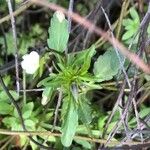
Viola kitaibeliana
Dwarf pansy · Field pansy · Dwarf Violet
Description
Source: leafsnapViola kitaibeliana, the dwarf violet, is a plant species in the genus Viola. It is native to a large area from the Canary Islands, across Europe, to northern Iran and southern Turkmenistan.It is an annual, and requires disturbed or grazed soil to grow.In 2021, two plants were discovered flowering on the 0.16 sq km island of Teän, in the Scilly Isles; the first seen there for 16 years.
Care Guide
💧 Water
The dwarf pansy thrives in temperate climates and needs moderate moisture to grow well. To prevent waterlogging, it is important to water the plant weekly. Applying mulch can help retain soil moisture during dry spells, which is particularly beneficial during its vigorous growth cycle in the spring.
How should I water my Dwarf pansy plant?
Watering Dwarf pansy can be done using various tools such as a garden hose with a spray nozzle or a watering can. This plant is not too particular about the type of water it receives, as it can thrive with rainwater, tap water, or filtered water. It is generally recommended to avoid watering this plant from above, as it can harm the leaves and flowers and potentially cause diseases. A drip irrigation system is often the most effective watering method for Dwarf pansy, as it delivers water evenly and directly to the soil. When it comes to container-grown Dwarf pansy, a similar watering approach can be used, but with tools like a cup, watering can, or tap to water the soil directly.
What do I do if I give my Dwarf pansy too much water or not enough water?
The solution for underwatering Dwarf pansy is straightforward: when you see that your plant is lacking moisture, simply increase the frequency of watering. On the other hand, overwatering can be a more serious issue if not caught early. Overwatering can lead to diseases that cause the Dwarf pansy to decline and die. To prevent this, it's important to choose a suitable growing location with plenty of sunlight to dry the soil and good drainage to avoid waterlogging. If you have overwatered a potted Dwarf pansy, you may need to transfer it to a new pot. The previous container may have lacked adequate drainage or holes. When repotting an overwatered Dwarf pansy, use loose soil and a pot that drains efficiently.
How much water does the Dwarf pansy need?
To keep your Dwarf pansy healthy, water it regularly throughout the growing season. In spring, water the plant once per week. As the season gets warmer, increase watering to two to three times per week, but avoid overwatering. Aim to keep the soil relatively moist, but not wet, regardless of the watering frequency. If your Dwarf pansy is in a pot, you'll need to water it more frequently. Potted plants dry out faster, so water them a few times per week compared to just once per week for plants in the ground.
How much water does my small pansy plant need?
Determining how much water to give your Dwarf pansy can be done in a few different ways. Some gardeners prefer to gauge the moisture level of the soil and water accordingly. In this method, the general recommendation is to water until the top six inches of soil feel moist. Another approach is to use a specific measurement for watering. Typically, about two gallons per week is appropriate for a Dwarf pansy, depending on heat and how quickly the soil dries out. However, it's important to be cautious with strict watering guidelines to avoid overwatering if the plant requires less water. When growing Dwarf pansy in a container, a different method should be used to determine watering needs. Ideally, water should be supplied enough to moisten all dry soil layers. A simple way to test moisture is by feeling the soil with your finger. You can also water until a slight trickle of excess water comes out of the drainage holes in the pot.
How can I know if I'm giving enough water to my Dwarf pansy?
Avoiding overwatering can be a challenge with Dwarf pansy. These plants have deep roots that need weekly watering, but they are prone to root rot and browning if overwatered. Underwatering is less of a concern, as Dwarf pansy can survive without much water for a while. However, if you wait too long to water them, they may wilt and develop dry leaves.
☀️ Light Full sun
Dwarf pansy grows best in abundant sunlight but can also tolerate moderate light levels. Its native habitat offers plenty of sun, which supports healthy growth. Both too much and too little light can harm the plant, producing poor foliage and diminished color.
What are the sunlight requirements for Dwarf Pansy?
Dwarf Pansy thrives mostly under abundant solar exposure and can endure moderate levels of sunlight as well. It requires full sun, which is above 6 hours of sunlight daily, or partial sun, about 3-6 hours of sunlight. Watching how sunlight gracefully moves through your garden to choose spots that provide the perfect balance of light and shade is crucial for ensuring the happiness of your plants.
How does artificial lighting benefit indoor Dwarf Pansy plants?
Indoor Dwarf Pansy plants require adequate lighting for optimal growth, especially when natural sunlight is insufficient, like in winter or less sunny spaces. Artificial lights, such as LED lights, offer a vital solution by promoting faster, healthier growth. They should provide specific wavelengths of light that your plants need, with recommended wattages based on the plants' sunlight needs. The light source should be placed 12-36 inches above the plant to mimic natural sunlight, and most plants need 8-12 hours of light per day.
What are the symptoms of inadequate light for Dwarf Pansy?
When Dwarf Pansy is cultivated indoors with inadequate light, it may exhibit symptoms like smaller leaves, leggy or sparse growth, faster leaf drop, slower or no new growth, lighter-colored new leaves, and conditions such as chlorosis, sunscald, leaf curling, wilting, and leaf scorching. These symptoms indicate a lack of adequate sunlight which is crucial for the plant's health and development.
How can I address light-related issues for an indoor Dwarf Pansy?
To address light-related issues for an indoor Dwarf Pansy, you can gradually move the plant to a sunnier location until it receives at least 6 hours of direct sunlight daily. A south-facing window with curtains open during the day is ideal. If the plant is large or not easily movable, using artificial light such as a desk or ceiling lamp for at least 8 hours daily, or investing in professional plant grow lights, can provide ample light. It's crucial to avoid sudden changes in light intensity.
What should I do to ensure my outdoor or ground-based Dwarf Pansy gets enough light?
For outdoor or ground-based Dwarf Pansy, gradually moving your plants to sunnier spots can help them adapt to more intense light. Avoid sudden transitions to prevent sunburn. If trees or other obstructions block sunlight, pruning branches and leaves may help. For smaller plants, consider transplanting during the plant's dormant period, typically late winter or early spring, to a location with ample sunlight and good drainage.
🌡️ Temperature 15–37.8°C
Dwarf pansy is native to climates that are favorable for temperate woody growth and prefers temperatures between 68 and 100 °F (20 and 38 ℃). Its optimal growth period occurs when temperatures remain consistently within this range, and care should be adjusted when temperatures fall outside it.
What is the native climate and optimal temperature range for Dwarf Pansy growth?
Dwarf Pansy (Viola kitaibeliana) thrives in climates favorable for temperate woody growth, enjoying temperatures between 68°F to 100°F (20°C to 38°C). The optimal growth season for Dwarf Pansy occurs when temperatures consistently fall within this range. Care adjustments may be necessary when temperatures venture outside of these limits. While Dwarf Pansy has some cold tolerance and generally does not require additional cold protection measures above 0°C, precautions are necessary when temperatures are expected to drop below freezing.
How does Dwarf Pansy respond to low temperatures, and what measures should be taken?
Dwarf Pansy exhibits moderate tolerance to low temperatures, flourishing best when the temperature remains above 20°C. It should be kept above 0°C during the winter. Exposure to temperatures below -10°C can cause leaves to droop; they may recover in mild conditions but can wilt and drop in severe cold. To protect Dwarf Pansy from low temperatures, frost-damaged parts should be trimmed off. Before facing cold conditions again, the plant should be wrapped with non-woven fabric or cloth and protected from cold winds with wind barriers.
How does Dwarf Pansy react to high temperatures, and what are the recommended care steps?
During the summer, it's crucial to ensure Dwarf Pansy stays below 38°C to avoid stress. Temperatures exceeding 43°C can lead to lighter leaf colors, dry and withered leaf tips, curled leaves, and increased susceptibility to sunburn. To mitigate damage from high temperatures, sunburned and dried parts of the plant should be trimmed away. The plant should be moved to a shady location or covered with a shade cloth to protect it from the midday and afternoon sun. Additionally, watering the plant in the morning and evening helps keep the soil moist and supports plant health.
💨 Humidity
🪴 Soil 6-7
🌱 Fertilizer
When the Dwarf pansy has opened most of its flowers to full size, resume fertilizing. Around the peak of bloom, apply fertilizer every three to four weeks, as weather allows. Then, once the Dwarf pansy begins producing fewer new blooms, stop fertilizing; there's no need to feed it when it can no longer produce more flowers.
🪴 Pot & Repot
✂️ Pruning
To encourage abundant flowering, lightly prune dwarf pansies from early to late spring. Remove dead foliage and spent blooms to maintain the plant's health and extend the blooming period. Regularly check for signs of disease and pests, and use clean tools to minimize damage and prevent infections.
🌿 Propagating
🐛 Diseases & pets
☠️ Toxicity
Characteristics
- Plant Type
- Herb
- Life Cycle
- Annual
- Genus
- Viola
- Family
- Violaceae
- Hardiness Zone
- 8-11
- Mature Height
- 1 cm
- Mature Spread
- 10 cm to 20 cm
- Leaf Color
- Green, Dark Green
- Leaf Type
- Semi-evergreen
- Flower Color
- White, Lavender
- Flower Size
- 0.76 cm to 1.52 cm
- Bloom Time
- Spring
- Planting Time
- Spring, Summer, Autumn
- Harvest Time
- Late spring, Early summer, Mid summer
- Native Area
- Turkey, Austria, Czech Republic, Slovakia, Montenegro, Cyprus, Bulgaria, Armenia, Greece, Croatia, Slovenia, Morocco, Ukraine, Serbia, Russia, Hungary, Iraq, Germany, Syria, Italy, Switzerland, France, Iran, Albania, Azerbaijan, Romania, Portugal