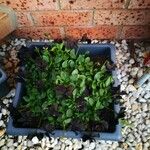
Viola Melissifolia
Hybrid violet · Melissa-leaved violet · Viola × melissifolia
Description
Source: leafsnapViola melissifolia, commonly known as the southern wood violet, is a perennial herbaceous plant in the Violaceae family. Native to the southeastern United States, it thrives in diverse habitats including woodlands, meadows, and stream banks. Typically reaching up to 6 inches in height, the plant features heart-shaped, dark green leaves with scalloped edges. Its flowers are small and delicate, consisting of five petals that vary in color from white to pale lavender or blue-violet. Viola melissifolia serves as an important food source for various pollinators, such as bees and butterflies. The plant also possesses medicinal properties; traditionally, its leaves have been used to treat respiratory ailments like coughs and colds. In summary, Viola melissifolia is a beautiful addition to any garden or natural area, appreciated not only for its delicate flowers but also for its crucial ecological role in supporting pollinators.
Care Guide
💧 Water Every 7 days
The Melissa-leaved violet thrives in humid environments and prefers consistent moisture. Watering it weekly helps support its growth, although it can endure short periods of dryness. This plant is best suited for outdoor conditions, and its water needs increase during active growth phases, particularly when it sheds its leaves.
How should I water my Melissa-leaved violet to keep it healthy?
There are several ways to water Melissa-leaved violets. You can use a garden hose with a spray nozzle, a watering can, or any other watering tool you have. These plants are not too fussy about the type of water they receive, so rainwater, tap water, or filtered water will all work. It's best to avoid watering them from above as this can damage the leaves and flowers, and may even cause disease. Using a drip irrigation system can be a great option for watering Melissa-leaved violets, as it applies water evenly and directly to the soil. If you have a violet growing in a container, you can use a cup, watering can, or your tap to water it by applying the water directly to the soil.
What should I do if I give my Melissa-leaved violet too much or too little water?
If you notice that your Melissa-leaved violet lacks moisture, the remedy is simple: start watering it more regularly. However, overwatering can be a more serious issue, as it can lead to diseases and the eventual decline and death of your plant. To avoid this, select a sunny location with good soil drainage to help dry out the soil and prevent water from pooling. If your Melissa-leaved violet is overwatered and in a pot, consider transferring it to a new pot with better drainage. Make sure to use loose soil and a pot that drains efficiently when repotting.
How often do I need to water my Melissa-leaved violet?
Melissa-leaved violet requires regular watering throughout the growing season. In spring, water this plant once per week. As the season progresses and the weather gets warmer, increase watering to two to three times per week. However, watering more than this can harm the plant. It's important to keep the soil moist but not wet, regardless of the watering frequency. When it comes to Melissa-leaved violet in pots, watering needs may be higher. Potted soil tends to dry out faster, so water container-grown plants a few times per week, compared to once per week for plants in the ground.
How much water does my Melissa-leaved violet require?
There are several ways to decide how much water to give to your Melissa-leaved violet. One approach is to check the soil's moisture by feeling it. In this method, you would water the plant until the top six inches of soil feel moist. Another method is to use a specific measurement. Typically, a Melissa-leaved violet needs about two gallons of water per week, depending on factors like temperature and how quickly the soil dries out. However, following set guidelines may cause overwatering if your plant requires less water. When growing this violet in a container, you should use a different method. In this case, you would give enough water to moisten all the dry layers of soil, which you can check by sticking your finger into the soil to feel if it's moist. Another clue is if there's a slight trickle of excess water coming out of the pot's drainage holes when watering.
How can I know if I'm giving enough water to my Melissa-leaved violet?
Avoiding overwatering your Melissa-leaved violet can be challenging due to the plant's specific needs. While these plants have deep roots that require weekly watering, they are highly prone to root rot and browning if overwatered. Underwatering is less of a concern as these plants can tolerate dry conditions for a while, but prolonged lack of water may lead to wilting and dry leaves.
☀️ Light Full sun
The Melissa-leaved violet prefers ample sunlight, which markedly boosts its growth. It can, however, tolerate areas with diffused light, which helps avoid dehydration and burning. Both excessive and insufficient sunlight can adversely affect its vigor and flowering. In its native habitat it occurs in places exposed to steady sunlight.
How much sun does the Melissa-leaved violet need each day to grow well?
To ensure the health and survival of these plants, it is important to provide them with 6 to 8 hours of sunlight each day. Ideally, they should receive more sunlight in the morning, particularly during the summer. The Melissa-leaved violet, in particular, thrives in full sun and benefits from as much sunlight as possible. Increased exposure to light allows these species to produce ample food, produce vibrant blooms, and thrive in their environment.
What kind of sunlight does the Melissa-leaved violet require?
The Melissa-leaved violet thrives in full sunlight, so it's important to give them enough space to evenly soak up the sun. Avoid letting the leaves go without sunlight, especially when planting in pots. Ideally, place the herbaceous flowers in windows that receive direct sun all year round. Partial or filtered light is not suitable for their growth, as it can result in weak stems and unhealthy flowers. For optimal results, ensure that the Melissa-leaved violet always has access to the sun.
Does sunlight harm plants? How can I keep my Melissa-leaved violet safe from the sun and heat?
The Melissa-leaved violet is sensitive to high temperatures above 90℉(32℃), especially if exposed to many hours of sun. To protect them, it's best to provide some shade in the afternoon during the summer, as the sunlight is stronger and exposure is 50% longer than in the winter. If the violet becomes stressed from too much sunlight, make sure to keep them well-watered and consider moving them indoors if it's too hot outside, particularly if they are in containers. Sometimes the leaves may wilt during the day but recover at night, which is normal. However, if the drooping persists, it means the plant is losing water quickly and needs to be watered.
Should I keep the Melissa-leaved violet out of the sun to protect it?
The Melissa-leaved violet thrives in the sun and some species even move towards the sunlight. Ideally, they should be planted in south-facing gardens for maximum sun exposure from morning to afternoon. However, it's important to note that excessive sun can sometimes cause sunburn in these plants, so providing protection in the form of shade from a tree or wall during the afternoon and midday sun is recommended. It's not possible to successfully grow the Melissa-leaved violet in shady areas as the larger flowers require ample energy to grow and bloom. Therefore, always ensure they are placed in an area with full sun to achieve the best results.
What will happen if the Melissa-leaved violet doesn't get enough sunlight?
When the Melissa-leaved violet doesn't receive enough sunlight or is kept in shaded areas, the photosynthesis process slows down. This lack of sunlight causes the stems to become leggy, growing thin and long as they strive to find more sunlight. Without sufficient sunlight, they will not bloom or produce seeds. Additionally, insufficient sunlight can lead to older leaves dying, new leaves appearing lighter in color than the old ones, and new growth being smaller. Although the Melissa-leaved violet loves the sun, it can wilt in excessive heat and ultraviolet light during the intense summer months. To prevent the leaves and flowers from scorching, it's recommended to cover them with a net that provides a green shade, particularly in the summer. When keeping them indoors, it's advised to use a fan to reduce heat.
🌡️ Temperature 0–37.8°C
Melissa-leaved violet can tolerate a broad range of temperatures, but its range may still be restricted by different combinations of moisture and heat. It does best in warm summer conditions with sufficient rainfall or watering. Extended periods of cloudy, rainy weather, as well as prolonged high temperatures, can raise the risk of the Melissa-leaved violet dying. In winter, adequate protection from cold can enhance the plant's chances of survival.
What is the Melissa-leaved violet?
The Melissa-leaved violet, known botanically as Viola melissifolia, is a plant species. Unfortunately, there isn't further detailed information provided about its essentials, symptoms it may cause, or additional aspects.
💨 Humidity
🪴 Soil 6-7
🌱 Fertilizer
Begin fertilizing again once the Melissa-leaved violet has opened most of its blooms to full size. Around the time the blooms are at peak production, apply fertilizer every three to four weeks, weather permitting. Then, when the plant begins to produce fewer new blooms, stop fertilizing; there's no need to fertilize if it can no longer produce more blooms.
🪴 Pot & Repot
✂️ Pruning
The Melissa-leaved violet is known for its delicate leaves and attractive flowers. To encourage growth, prune in early spring by removing dead foliage and thinning out overcrowded areas to improve air circulation. Light trimming is recommended, and pruning after blooming can boost flowering. Consistent maintenance promotes healthy growth and vibrant blooms.
🌿 Propagating
🐛 Diseases & pets
☠️ Toxicity
Characteristics
- Plant Type
- Herb
- Life Cycle
- Annual, Perennial
- Hardiness Zone
- 2-11
- Mature Height
- 10 cm to 20 cm
- Mature Spread
- 15 cm to 30 cm
- Leaf Color
- Green, Dark Green
- Leaf Type
- Deciduous
- Flower Color
- White, Yellow, Red, Purple, Orange, Pink
- Flower Size
- 1.02 cm to 2.03 cm
- Bloom Time
- Spring
- Planting Time
- Spring, Summer, Autumn
- Harvest Time
- Summer