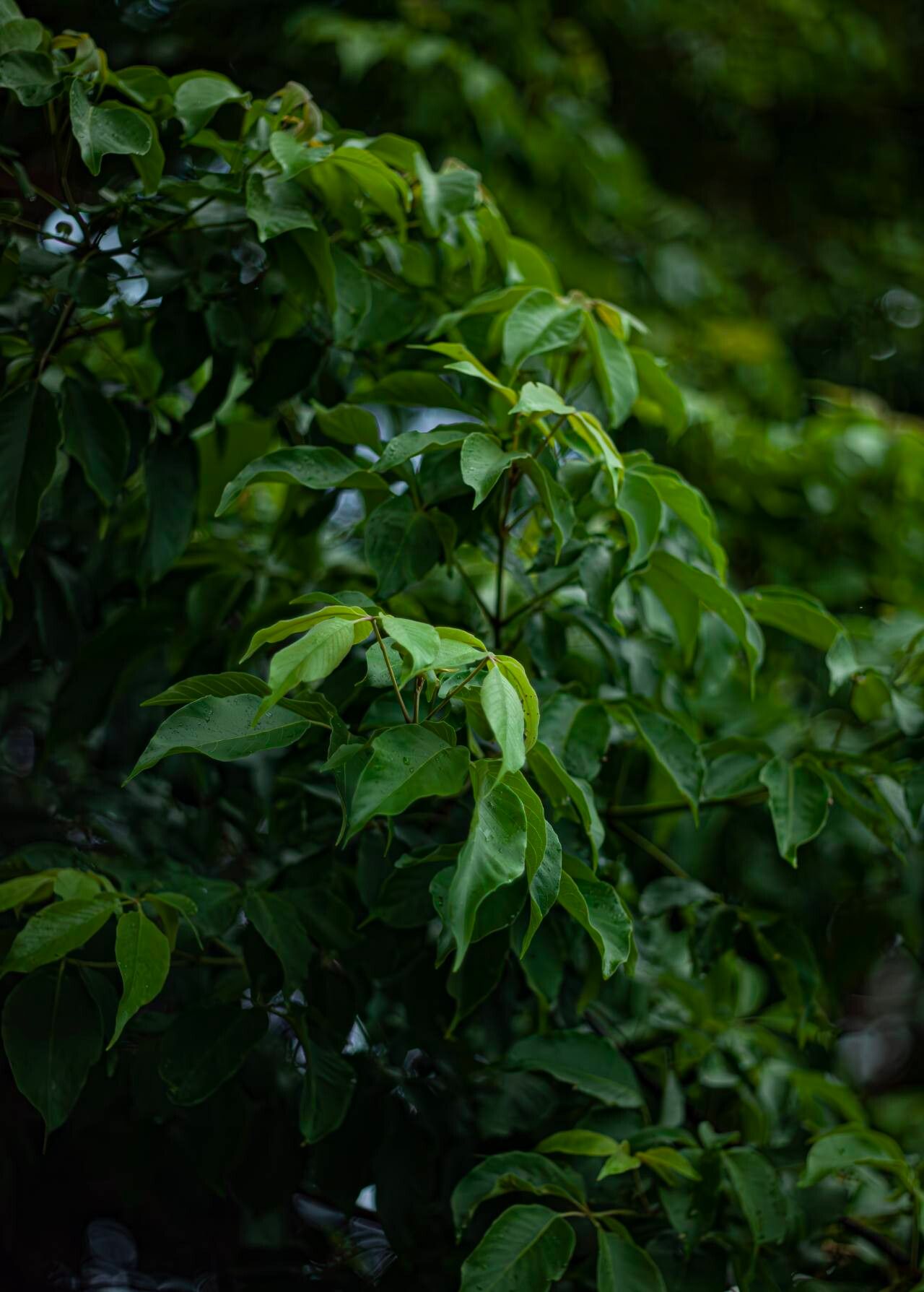
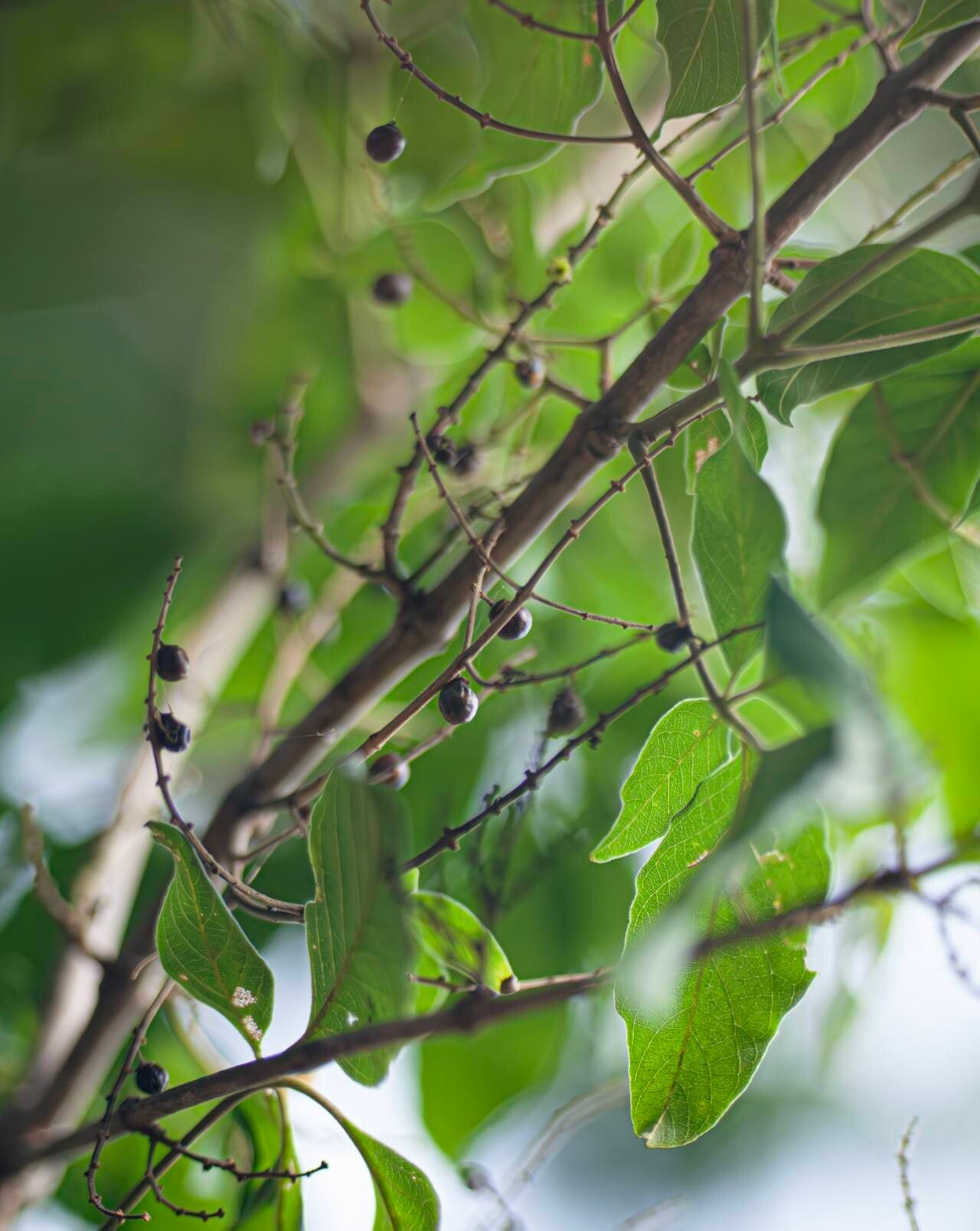
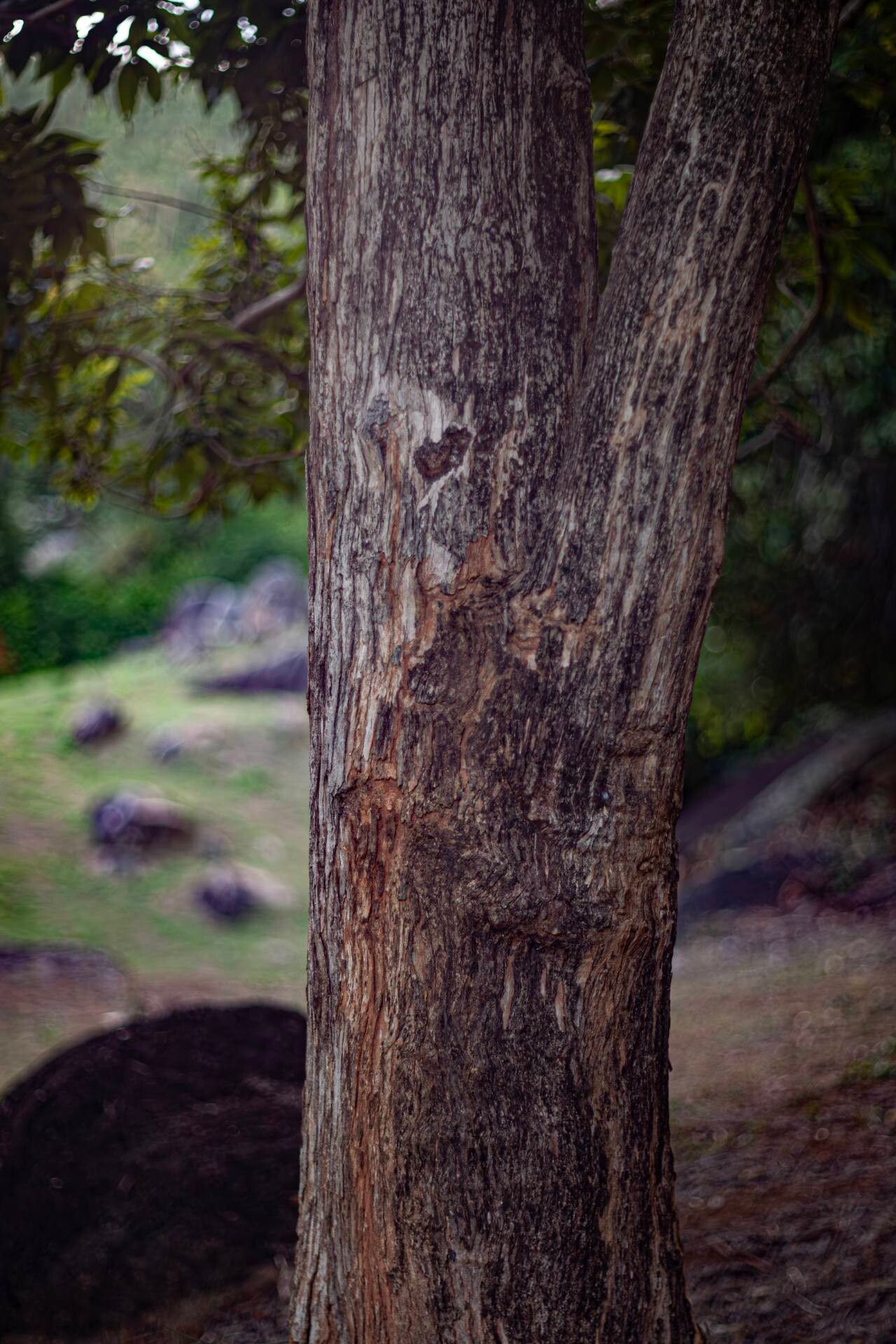
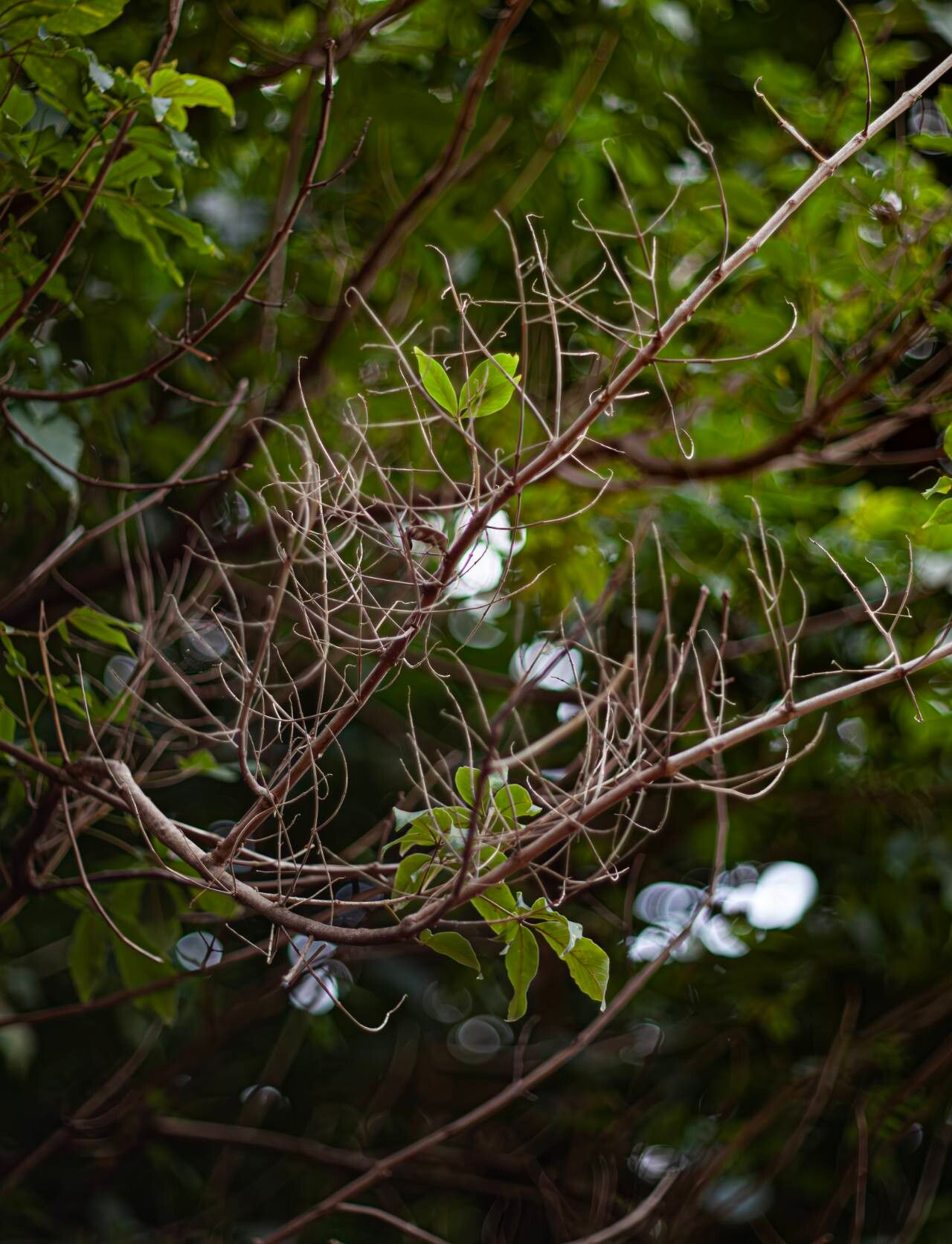
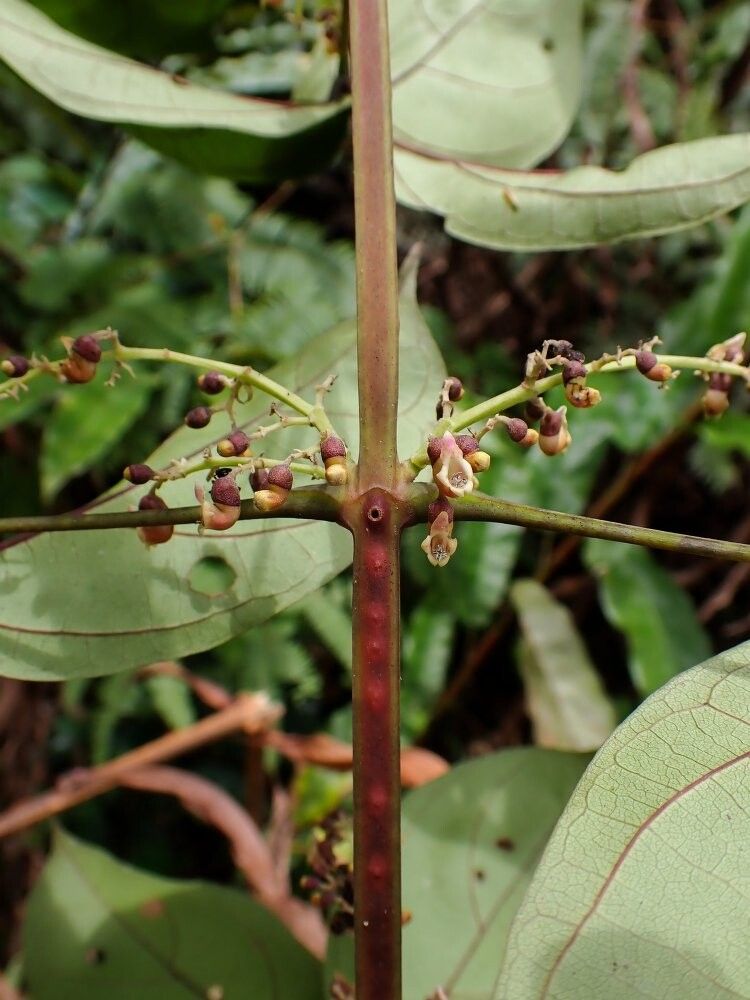
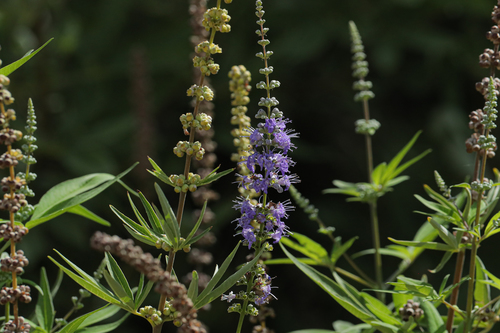
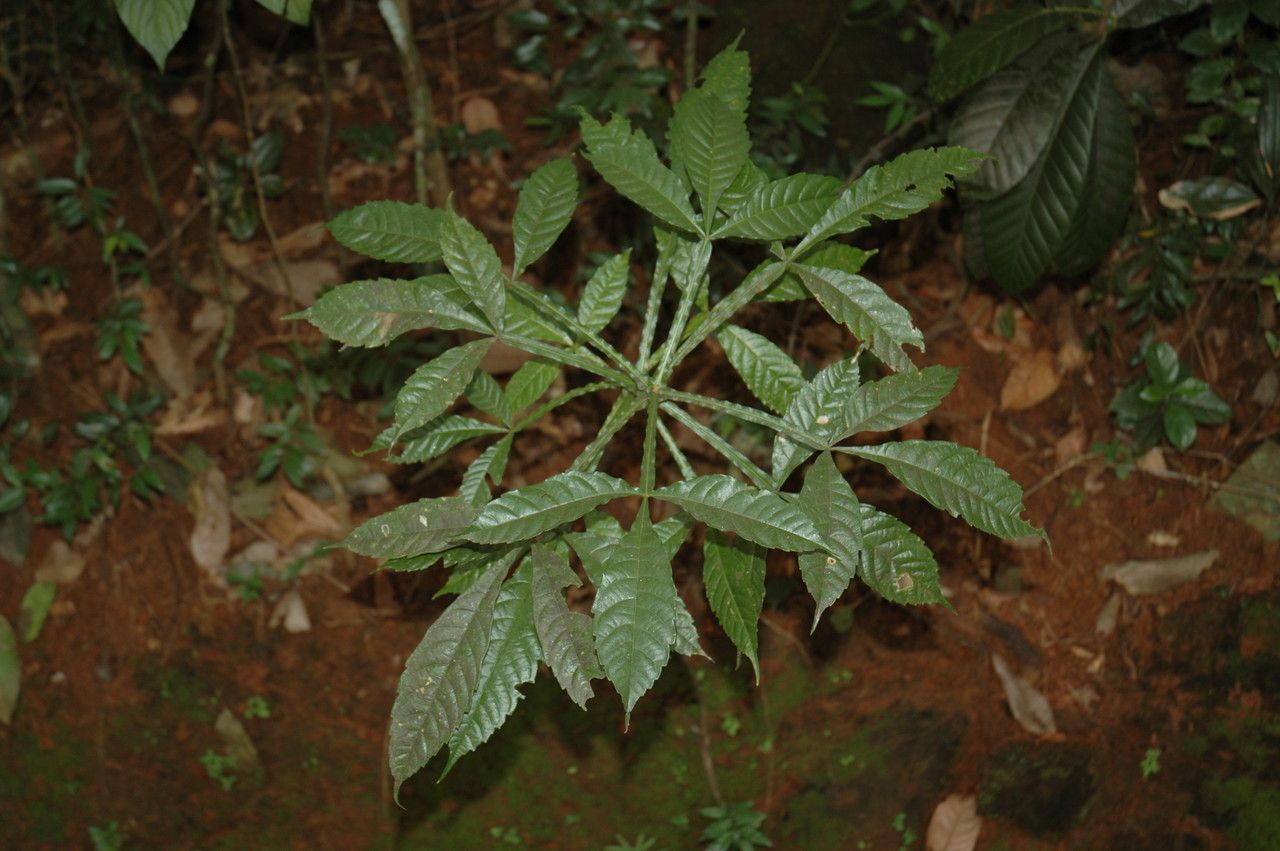
Vitex quinata is a species of flowering plantin the family Lamiaceae. It is sometimes referred to by the common name joho lawe tree. It is native to the Andaman Islands, Assam (India), Bangladesh, the Bismarck Archipelago, Borneo, Cambodia, the Caroline Islands, South-Central China, Southeast China, the East Himalayas, Hainan (China), India, Java (Indonesia), Laos, the Lesser Sunda Islands (Indonesia), Malaysia, Maluku (Indonesia), Myanmar, Nansei-shoto, New Guinea, Pakistan, Philippines, Sulawesi (Indonesia), Sumatra (Indonesia), Taiwan, Thailand, and Vietnam.
Five-leaved vitex shows strong resistance to disease and is typically not susceptible to illnesses. Regarding care, this species is fairly low-maintenance. Planted outside, it needs only light watering, and larger specimens usually do not require pruning. Smaller specimens, however, should be trimmed after flowering. Five-leaved vitext is appropriate for anyone who has an outdoor area, like a garden or a deck, and it does not demand extensive gardening experience.
How to keep Vitex Quinata.
Light
Five-leaved vitex comes from open habitats, like sunny meadows and forest edges, which offer plenty of light. It thrives in Full Sun but can also tolerate Partial Sun, adapting well to a range of sunlight conditions.
Temperature
Five-leaved vitex comes from tropical areas, where the climate is generally warm and humid. Consequently, it is well suited to high temperatures and humidity. It is sensitive to abrupt temperature changes and prefers a consistent temperature environment, so avoiding temperature fluctuations indoors is important. It typically does not tolerate cold and needs warmer conditions to grow; if the surrounding temperature falls too low, the plant may stop growing or even die.
Fertilizer
The ideal time to fertilize a Five-leaved vitex is in early spring, as it breaks dormancy. This supports overall growth and the development of flowers. Fertilization improves foliage, stems, and branches and encourages flowers that are large, vibrant, and long-lasting. It assists in moving nutrients from the roots to the flowers and strengthens the plant's health and resistance to disease.
Botanical profile.
- Plant Type
- Tree
- Life Cycle
- Perennial
- Genus
- Vitex
- Family
- Lamiaceae
- Hardiness Zone
- 7-10
- Mature Height
- 11.89 m
- Mature Spread
- 3.05 m to 4.88 m
- Leaf Color
- Green
- Leaf Type
- Semi-evergreen
- Flower Color
- Lavender
- Flower Size
- 8.89 cm to 17.78 cm
- Bloom Time
- Summer, Early fall, Mid fall
- Planting Time
- Spring, Summer, Autumn
- Harvest Time
- Fall, Early winter, Mid winter
- Native Area
- India, Malaysia, Indonesia, Vietnam, Myanmar, Japan, Philippines, Bangladesh, Pakistan, Laos, Fiji, Thailand, China