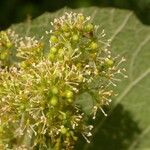
Vitis cinerea
Ashy grape · Grayback grape · Downy grape · Gray-Bark Grape · Graybark grape
Description
Source: leafsnapVitis cinerea, the graybark grape, is a variety of grape. It has small black berries that are mildly unpleasant to eat. Plentiful in Missouri and Louisiana, it is also found throughout the eastern half of the US as far west as Texas, north to Illinois, and south to Florida. It is also known by the name winter grape or possum grape. Vitis cinerea is an American native grape. The leaves are cordiform-emarinate, flabby, dull, limb finely wrinkled (like crepe) between the sub-veins. The teeth of the leaf are very blunt. The buds are grey-ashy-violet.
🌳 Aside from graybark grape’s established role in winemaking, the plant shows promise in less traditional areas, reflecting human inventiveness. The fibers from its bark can be used to produce eco-friendly textiles, combining customary methods with sustainability. In addition, its leaves, often ignored, possess qualities useful in the culinary world as an exotic spice. These nontraditional applications not only widen the graybark grape’s range of uses but also support a less wasteful approach in agriculture and industry. Therefore, every part of the plant holds potential that invites further investigation and appreciation.
Care Guide
💧 Water Every 7 days
The Graybark grape is well-suited to drought-resistant environments and only needs to be watered every three weeks. It uses water efficiently, so allowing the soil to partially dry out is important. While it is usually grown outdoors, natural rainfall during the growing season can either replace or complement the regular watering schedule.
☀️ Light Full sun
Graybark grape needs plenty of sunlight each day to grow well. Too little sun can weaken it, while excessive exposure may be harmful. The species can tolerate somewhat lower light levels, which reflects the way sunlight filtered in its native habitat. Different stages of growth are not greatly impacted by changes in light intensity.
What are the sun requirements for Graybark grape plants?
Graybark grape plants thrive in conditions that offer ample sunshine. They require full sun, defined as more than 6 hours of sunlight per day, to partial sun, which amounts to about 3-6 hours of sunlight daily. It's crucial to monitor the movement of sunlight through your garden to identify spots that provide an optimal balance of light and shade, ensuring that your plants remain healthy and vibrant.
What essentials should be considered for the growth of Graybark grape plants?
Graybark grape plants crave ample sunshine exposure daily for robust growth. The health of these plants may suffer if they do not receive sufficient sunlight, and excessive sunlight can also be harsh. Originating from environments with specific sunlight penetration patterns, Graybark grape can tolerate somewhat less sunny conditions. Growth stages don't seem to be significantly affected by varying quantities of light. When natural sunlight is insufficient, especially during winter or in areas receiving less sun, artificial lighting becomes essential. LED lights are favored for indoor plants because they can be tailored to provide specific light wavelengths needed by the plants. The intensity and duration of artificial lighting should mimic natural conditions as closely as possible, with guidelines suggesting 30-50W/sq ft for full sun plants, 20-30W/sq ft for partial sun, and 10-20W/sq ft for full shade plants.
What are the important symptoms of light deficiency or overexposure in Graybark grape plants?
Graybark grape plants, while thriving in full sunlight, exhibit symptoms of distress when exposed to suboptimal light or excessive heat. These include small or underdeveloped leaves, leggy or sparse growth, premature leaf drop, stunted or halted growth, and pale or irregularly colored new leaves. Excessive sunlight can lead to chlorosis (yellowing of leaves), sunscald (damage from intense sun), leaf curling as a response to reduce water loss, wilting from excessive transpiration, and leaf scorching characterized by brown or crispy leaf edges. Addressing these symptoms involves gradually acclimating plants to optimal light conditions, using artificial lighting if necessary, and ensuring they are not exposed to sudden changes in light intensity.
How can you manage and improve the growth conditions of Graybark grape plants?
To optimize Graybark grape plant growth, it's important to gradually expose them to more sunlight, aiming for at least 6 hours of direct sunlight daily. For indoor plants, utilize a south-facing window or consider supplemental artificial lighting to achieve the necessary light exposure. For outdoor plants, transition them to areas with better sunlight gradually to avoid shock. If necessary, prune surrounding foliage to reduce shade or consider transplanting smaller plants to more sunlight-friendly locations during their dormant season. However, it's crucial to recognize that areas of a plant that have suffered from light deficiency might not recover, but new growth should be healthy and vigorous with improved light conditions.
🌡️ Temperature 10–35°C
Graybark grape performs best in its native habitat, which resembles a temperate climate with temperatures between 50 and 95°F (10 to 35°C). Seasonal temperature changes should be applied gradually to simulate those conditions for optimal growth.
What is the native environment suitable for Graybark grape growth?
The Graybark grape thrives in its native temperate climate, where temperatures range from 50 to 95°F (10 to 35°C). To ensure optimal growth, it is crucial to mimic this climate by making seasonal adjustments to the temperature gently. The Graybark grape has a strong resistance to cold, eliminating the need for special frost protection measures during winter. However, in regions where winter temperatures may drop below -25°C, it's essential to protect the plant from the cold by wrapping its trunk and branches with non-woven fabric or cloth. Additionally, watering the plant abundantly before the first freeze in autumn is recommended to keep the soil moist, which helps prevent drought and water scarcity during the winter and early spring seasons.
How does the Graybark grape respond to low temperature, and what are the recommended care steps?
The Graybark grape is cold-tolerant and performs best when temperatures are maintained above 10°C. During the winter, the temperature should not fall below -15°C. If temperatures drop below -25°C, the plant's branches may become brittle and dry by spring, with no new shoots emerging. To manage this, it's advised to prune away any dead branches that have failed to produce new leaves in spring, helping the plant to recover and promote healthy growth.
What effects do high temperatures have on Graybark grape, and how should they be addressed?
During the summer, it's crucial to keep the Graybark grape's temperature below 35°C to prevent overheating. When temperatures exceed 38°C, the plant may exhibit signs of stress such as lighter colored leaves, dry and withered tips, and increased susceptibility to sunburn. To alleviate these issues, trim away the sunburned and dried-up parts of the plant. It may also be beneficial to move the plant to a shaded spot during the midday and afternoon sun or use a shade cloth to provide adequate protection. Ensuring the soil remains moist by watering the plant in the morning and evening is also vital for its well-being during high temperatures.
💨 Humidity
🪴 Soil 5-7
🌱 Fertilizer
Fertilize your Graybark grape in early spring to encourage healthy growth. Regular fertilization improves overall health, leading to vigorous development, greater resilience to challenging conditions, and enhanced resistance to pests and diseases. Keep a consistent fertilization schedule for your Graybark grape to preserve foliage that is bright, richly colored, and lush in appearance.
🪴 Pot & Repot
✂️ Pruning
The Graybark grape flourishes when pruned properly, ideally in early spring. To improve air circulation and sunlight exposure, remove dead vines and thin out dense areas. Pruning not only shapes the plant but also promotes healthy growth, boosts fruit production, and maintains a vigorous, attractive appearance.
🌿 Propagating
🐛 Diseases & pets
☠️ Toxicity
Characteristics
- Plant Type
- Vine
- Life Cycle
- Perennial
- Genus
- Vitis
- Family
- Vitaceae
- Hardiness Zone
- 6-9
- Mature Height
- 10.06 m
- Mature Spread
- 1.52 m
- Leaf Color
- Green, Dark Green
- Leaf Type
- Deciduous
- Flower Color
- Yellow, Green
- Flower Size
- 10.16 cm
- Bloom Time
- Late spring, Early summer
- Planting Time
- Spring, Summer
- Harvest Time
- Mid summer
- Native Area
- Mexico