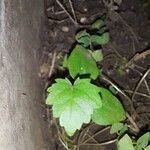
Vitis rotundifolia
Muscadine grape · Muscadine · Southern fox grape · American Muscadine · Muscadine/Scupidine
Description
Source: leafsnapVitis rotundifolia, or muscadine, is a grapevine species native to the southeastern and south-central United States. The growth range extends from Florida to New Jersey coast, and west to eastern Texas and Oklahoma. It has been extensively cultivated since the 16th century. The plants are well-adapted to their native warm and humid climate; they need fewer chilling hours than better known varieties, and thrive in summer heat. Muscadine berries may be bronze or dark purple or black when ripe. Wild varieties may stay green through maturity. Muscadines are typically used in making artisan wines, juice, and jelly. They are rich sources of polyphenols.In a natural setting, muscadine provides wildlife habitat as shelter, browse, and food for many birds and animals. It is also a larval host for the Nessus Sphinx Moth (Amphion floridensis) and the Mournful Sphinx Moth (Enyo lugubris).
🌳 It’s interesting to discover that the reach of the muscadine grape goes beyond its tasty fruit. Not only suited to winemaking, the muscadine grape’s bark can be boiled to make a natural dye, extending its use into fashion. Additionally, its byproducts—like pulp and skins—are rich sources of essential oils for the beauty industry. And its biomass contributes to sustainable energy production, helping power an eco-friendly future.
🎭 Earthly blessing, plenty, affluence, perseverance
Care Guide
💧 Water Every 7 days
Muscadine, a plant native to the humid southeastern United States, thrives in consistent moisture conditions but can tolerate short periods of drought. To maintain optimal growth, water it weekly. While typically grown outdoors, muscadine benefits from mulching, which helps retain moisture during its active growing season.
When Should I Water My Muscadine?
Timely watering is crucial for the health and growth of muscadine vines. To determine the best time to water, check the soil dryness by inserting your finger about 1-2 inches into the soil near the plant's base. If the soil feels dry at this depth, it indicates it's time to water. Be aware of signs like leaf wilting, which, if persists in cooler parts of the day, suggests under-watering. Changes in leaf color, such as yellowing or browning, and alterations in fruit development can also signal improper watering. Both over-watering and under-watering pose risks, including disease susceptibility and early dormancy, emphasizing the need for balanced hydration.
How Should I Water My Muscadine?
Muscadine vines thrive with deep, thorough watering patterns rather than frequent, light watering to encourage deeper root growth and improve drought tolerance. Using a watering can with a long spout allows for even water distribution around the plant's base, avoiding direct water contact with the stem and leaves. A soaker hose is recommended for achieving deep soil saturation without wetting the surface unnecessarily. It’s beneficial to use a moisture meter to monitor soil moisture levels accurately, focusing watering around the base to prevent leaf burn and fungal diseases. Watering is most effective in the early morning to reduce evaporation and allow leaves to dry, reducing disease risk.
How Much Water Does Muscadine Really Need?
The amount of water muscadine requires varies based on factors like pot size, root depth, and plant size. Generally, a mature plant may need about 2 to 3 liters per watering session. Observing the plant for signs of proper hydration such as vibrant, glossy leaves, and moist but not waterlogged soil will guide you. Over-watering can lead to waterlogged soil and root rot, while under-watering can cause drooping leaves and dry soil. Offering consistent moisture without over-saturating the soil is key, while regular monitoring and adjustments ensure the plant remains healthy.
What Kind of Water is Best for Muscadine?
Muscadine vines generally prefer rainwater or purified water to tap water, which may contain chlorine and minerals that aren't always beneficial. Despite some resilience to chlorine, dechlorinated water is preferable, and excessive fluoride should be avoided to prevent leaf tip burn. Room temperature water is ideal as it prevents shock or root damage from extremes of temperature. If you're using tap water, letting it sit out to allow chlorine to evaporate or using a water conditioner for hard water can be helpful approaches.
How Do Muscadine's Watering Needs Change with the Seasons?
Muscadine vines’ watering needs vary throughout the year, with increased needs during the active growth phase in spring and summer, requiring consistent moisture to support growth and fruit development. In autumn, as growth slows, reduce watering frequency, and in winter, water sparingly, only when the soil is dry, to match the plant's dormancy. Seasonal changes, such as higher temperatures or rainfall, necessitate adjustments in watering frequency to prevent either water stress or waterlogging, ensuring the plant's health.
☀️ Light Full sun
Muscadine grape flourishes in unobstructed, ample sunlight but is reasonably tolerant of locations with somewhat reduced illumination. Insufficient light can contribute to poor development and reduced fruiting, while excessive exposure may cause leaf scorch. This tolerance for different light levels derives from its wild origin, where it traditionally inhabits a variety of woodland environments.
What are the sunlight requirements for Muscadine?
Muscadine requires full sun, which is above 6 hours of sunlight daily, to thrive optimally. However, it can also adapt to partial sun conditions, receiving about 3-6 hours of sunlight. It is crucial to observe how sunlight moves through your garden to find spots that offer a perfect balance for your plants, ensuring they get enough light without being overwhelmed.
How does sunlight affect Muscadine growth?
Sunlight plays a significant role in the growth and fruiting of Muscadine. While it flourishes under generous, unobstructed sunlight, inadequate light can lead to poor development and hinder fruiting, and overexposure can cause leaf scorch. Muscadine's adaptability to varying light conditions is attributed to its wild origins, where it occupies diverse woodland habitats. To support growth in less sunny spots or during winter, artificial lighting such as LED lights can be used, with specific wattage based on the plant's sunlight needs.
What symptoms indicate Muscadine is getting too much or too little light?
Muscadine exhibits various symptoms when it doesn't receive the optimal amount of light. Insufficient light can lead to smaller leaves, leggy or sparse growth, early leaf drop, halted growth, paler new leaves, and even chlorosis. On the other hand, excessive sunlight can cause sunscald, leaf curling, wilting, leaf scorching, and chlorosis. These symptoms help identify whether the plant needs more shade or should be exposed to more sunlight.
How can you manage light exposure for Muscadine?
Managing light exposure for Muscadine involves several strategies. For indoor plants, gradually moving them to sunnier locations each week until they receive at least 6 hours of direct sunlight daily is beneficial. Usage of artificial light like desk or ceiling lamps, or professional grow lights can provide additional light if needed. For outdoor plants, it's essential to gradually move them to spots with better sunlight to avoid shock and sunburn. Reducing obstructions, such as pruning trees or transplanting the plant to sunnier locations, can also help ensure adequate light exposure. It's vital to recognize that parts of the plant affected by previous light conditions may not recover, but new growth will be healthy after adjusting the light exposure.
🌡️ Temperature 5–35°C
Muscadine grape is native to warm, humid climates and grows best at temperatures between 41 °F (5 °C) and 95 °F (35 °C). In cooler areas, it should be planted in a sunny location so it can gather heat during the day. In summer, muscadine grape can endure higher temperatures as long as it gets sufficient water.
What are the ideal temperature conditions for growing Muscadine?
Muscadine thrives in warm, humid environments and prefers temperatures ranging between 41°F (5°C) and 95°F (35°C). In colder regions, it's beneficial to plant muscadine in sunny spots to absorb more heat during the day. Although muscadine possesses strong cold resistance and doesn't usually require special frost protection, it's crucial to take precautions if winter temperatures are expected to drop below -25°C. Adequate cold protection can be provided by wrapping the trunk and branches with materials like non-woven fabric or cloth. Additionally, abundant watering before the first freeze in autumn helps keep the soil moist, preventing drought and water scarcity during winter and early spring.
What should I do if my Muscadine is exposed to low temperatures?
Muscadine plants are cold-tolerant and perform best when the temperature remains above 5°C, and they should be kept above -20°C during winter. If temperatures fall below -25°C, you might not observe immediate changes, but you may notice that the branches become brittle and dry by spring, with no new shoots emerging. In such a case, it's advisable to prune away any dead branches that have failed to produce new leaves once spring arrives.
How can I protect my Muscadine from high temperatures?
During summer, it's crucial to ensure that Muscadine temperatures do not exceed 35°C. Exposure to temperatures above 38°C can cause the leaves to lighten in color, tips to dry and wither, and increase the plant's susceptibility to sunburn. To mitigate this, trim away sunburned and dried-up parts of the plant. Moving the plant to a shaded location or using a shade cloth to protect it from the midday and afternoon sun can be beneficial. Also, watering the plant in the morning and evening can help keep the soil consistently moist.
💨 Humidity normal (40-60%)
This plant will thrive in moderate humidity, which is probably the level in your home. However, misting it a few times a week can be very beneficial. Make sure the room has good ventilation.
🪴 Soil 5-6
🌱 Fertilizer
The Muscadine grapevine needs adequate nutrients to produce fruit optimally. Apply fertilizer in early spring to support new growth and flower development. Consistent fertilization maintains plant health, yields more flavorful fruit, and prevents nutrient deficiency problems such as yellowing leaves and reduced fruit production.
Why should I put fertilizer on my Muscadine plants?
Plants, especially fast growing types, use up nutrients in the soil as they continue to grow. Muscadine, in particular, can benefit from regular fertilization to replenish its nutrient supply. By providing these extra nutrients, Muscadine can stay healthy and produce even more delicious fruit. However, if plants are not fertilized regularly, they may encounter various problems. These include foliage issues like yellow leaves or leaves with a reddish color. Other signs of nutrient deficiency may include shape deformities, withered tips, or large sections of the plant dying back. Some nutrient deficiencies can also affect the bark, leading to slow growth, poor shoot development, and a lack of fruit production.
When should I fertilize my Muscadine plant to get the best results?
The best time to fertilize Muscadine is in early spring, before the buds start to grow. During this time, Muscadine uses stored reserves from winter to produce new growth. To support the development of blooms, it is recommended to fertilize about 2 to 4 weeks before the expected blooming period. This allows enough time for the nutrients to penetrate the soil and be absorbed by the plant. It is possible to continue fertilizing Muscadine throughout spring, but it's advisable not to fertilize in autumn. This can lead to excessive foliage growth late in the season, making the leaves vulnerable to winter damage.
When is the best time to not fertilize my Muscadine?
Here are some guidelines regarding fertilizing Muscadine plants. In the first year of growth, it is best to avoid fertilizing altogether. If fertilizer is not necessary, it's recommended to be cautious about providing it. Additionally, if you pruned 20% or more of the plant the previous year, it's advisable not to fertilize. Fertilizing should also be avoided for plants that are diseased or damaged, as this can be more harmful than beneficial. Instead of relying solely on fertilizer, it's important to identify and address the root cause of any issues before considering feeding the plant again. During the peak of summer, it is not recommended to fertilize Muscadine. This can cause excessive growth just before winter, which is not ideal. It is also advisable to refrain from fertilizing during hot and dry periods, as dry soil is less effective at delivering fertilizer compared to moist soil. Furthermore, fertilizing at this time can stimulate growth that requires more water, which may not be available. It is best to apply fertilizer earlier in the season when temperatures are cooler. Lastly, keep in mind that Muscadine plants can absorb fertilizer applied to nearby plants or lawns. So, it is important to be cautious and avoid inadvertently providing a double-dose of fertilizer to plants.
Which fertilizer should I use for my Muscadine plant?
Using fertilizer that contains a balance of nitrogen, phosphorus, and potassium can bring many benefits to plants. Nitrogen is important for leaf growth and chlorophyll production. Phosphorus helps support the root system and promotes the development of blossoms, fruits, and seeds. Potassium plays a role in photosynthesis and the movement of water and nutrients throughout the plant. When choosing a fertilizer, you can opt for a commercial one that is specifically designed for a particular type of tree. Alternatively, you can use organic sources of nitrogen such as manure, feather meal, or blood meal. To ensure you apply fertilizer accurately, conducting a soil test can give you a better understanding of the condition of your soil. For commercial fertilizers, if your soil lacks sufficient phosphorus and potassium according to the soil test, you can use a balanced granular fertilizer with a ratio of 10-10-10 or similar. In most cases, nitrogen in the soil is continuously depleted with rainfall. If your soil already has enough phosphorus and potassium, it would be more appropriate to use a high-nitrogen fertilizer with a ratio of 6-2-1 or 10-2-2.
How can I feed my Muscadine plant?
To effectively fertilize your Muscadine plant, it's essential to follow specific instructions for the fertilizer you are using and conduct thorough research. Avoid over-fertilizing, as this can be harmful. For fruit trees like Muscadine, it's crucial to determine the correct amount of fertilizer to use. A general rule of thumb is to take into account the age of the tree (if known) or the diameter of the trunk. A safe estimate is one-tenth of a pound of fertilizer per year or per inch of trunk, with a maximum of one pound. Remember that it's unnecessary to fertilize a Muscadine plant in its first few years. When applying granular fertilizers or organic fertilizers like blood meal, scatter the substance around the base of the tree, extending it to the drip line (the area beneath the outermost branches). Ensure that the fertilizer does not come into contact with the trunk. Over time, the granules will break down and seep into the soil, allowing the roots to absorb the nutrients. After fertilizing, apply a one-inch layer of compost around the base of the tree and thoroughly water the plant.
🪴 Pot & Repot 2-3 years
Repot muscadine grape in early spring, selecting a pot only slightly larger than the current one with adequate drainage. Use a well-draining potting mix, making sure the root ball sits at the same level as before. Gently loosen any root-bound roots. After repotting, water generously and place in a warm, shady location. Prune regularly to maintain size and encourage new growth.
✂️ Pruning
Pruning muscadine vines is crucial for promoting healthy growth and preventing disease. Important practices include removing excess buds, thinning flower clusters before they bloom, and conducting winter pruning to strengthen the trunk. It's important to keep the strong buds on the fruiting branches and to apply protective treatments to larger cuts to prevent infections.
🌿 Propagating
🐛 Diseases & pets
☠️ Toxicity
Characteristics
- Plant Type
- Vine
- Life Cycle
- Perennial
- Genus
- Vitis
- Family
- Vitaceae
- Hardiness Zone
- 5-9
- Mature Height
- 18.29 m to 30.48 m
- Mature Spread
- 17.98 m to 29.87 m
- Leaf Color
- Green, Yellow, Gold
- Leaf Type
- Deciduous
- Flower Color
- White, Yellow, Green
- Flower Size
- 2.54 cm
- Bloom Time
- Late spring, Early summer
- Planting Time
- Spring, Autumn
- Harvest Time
- Mid summer
- Native Area
- Bahamas, Mexico