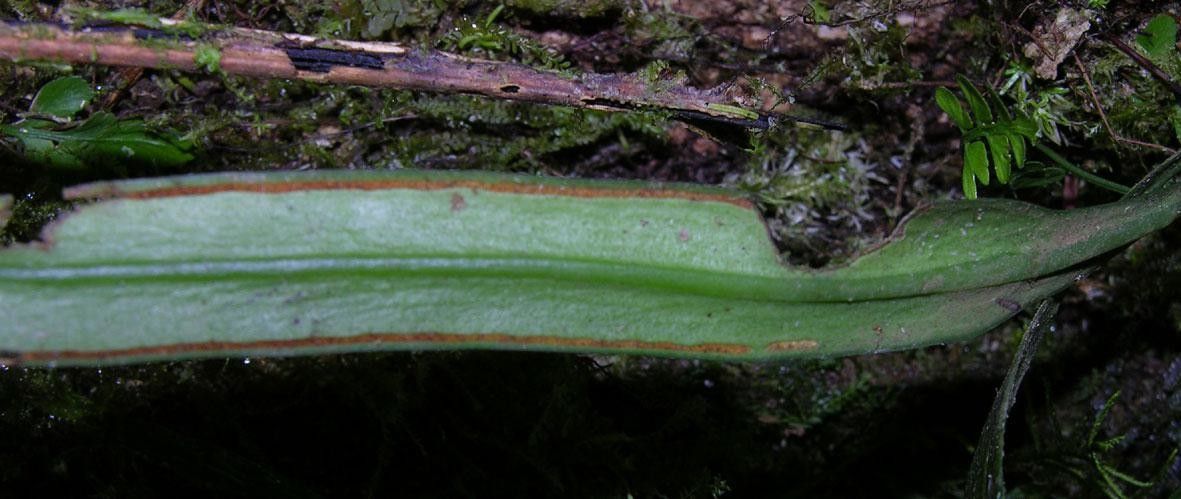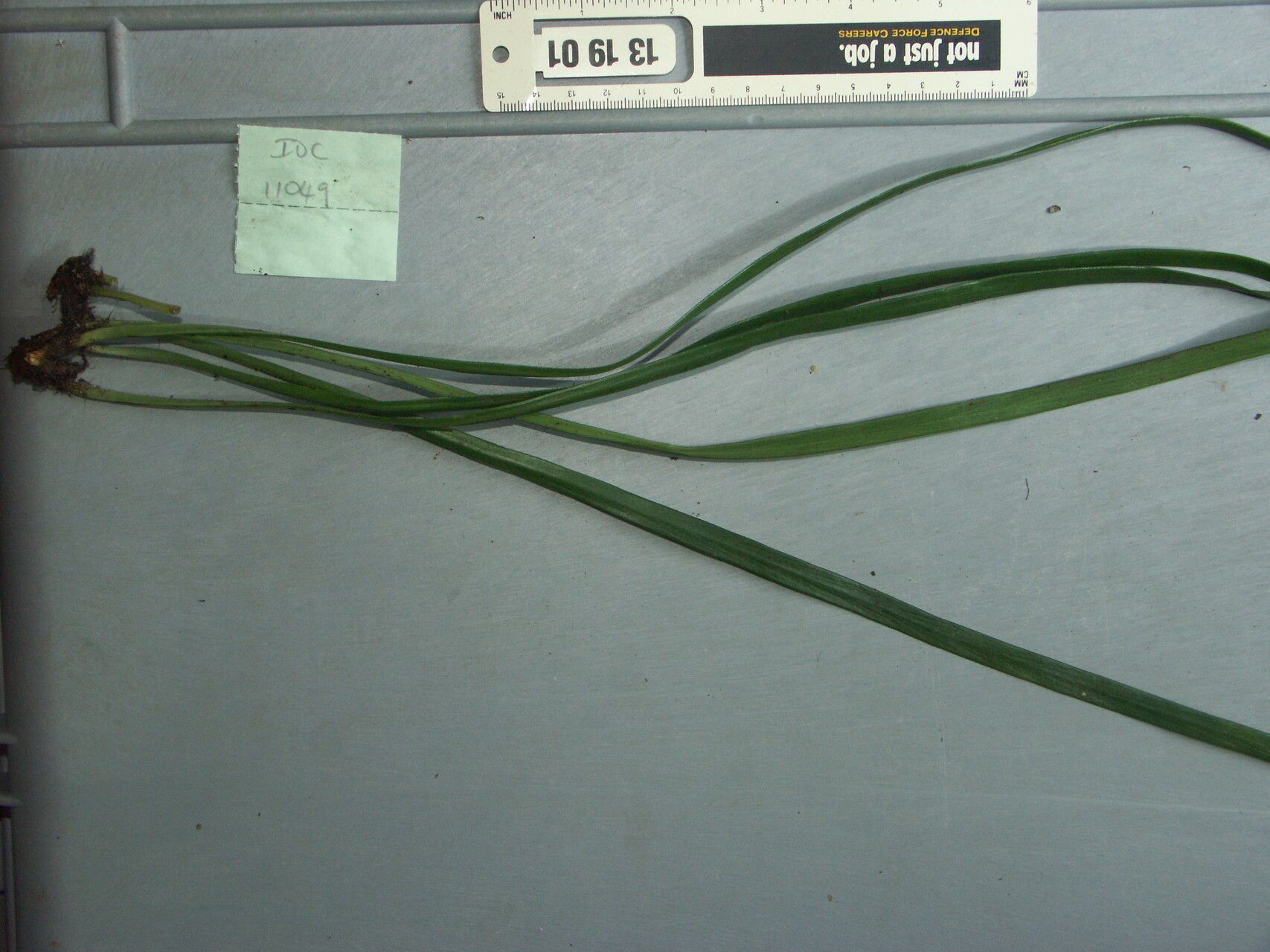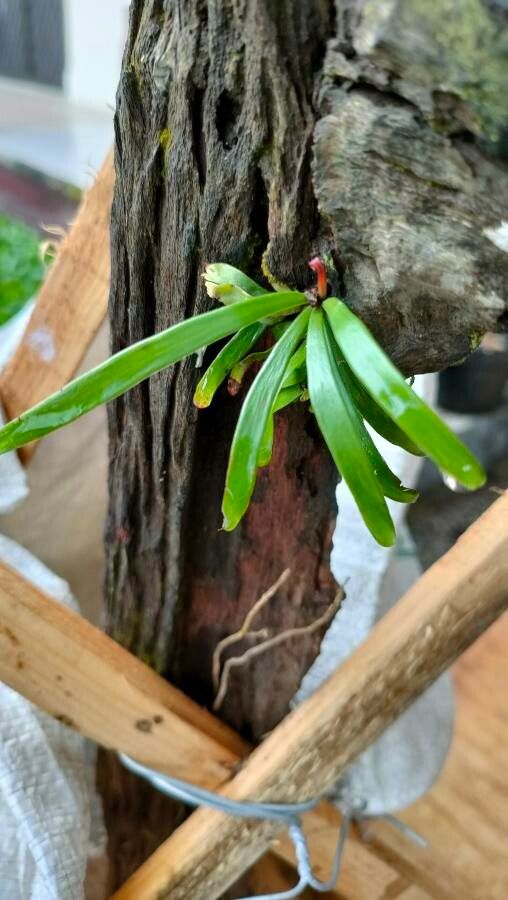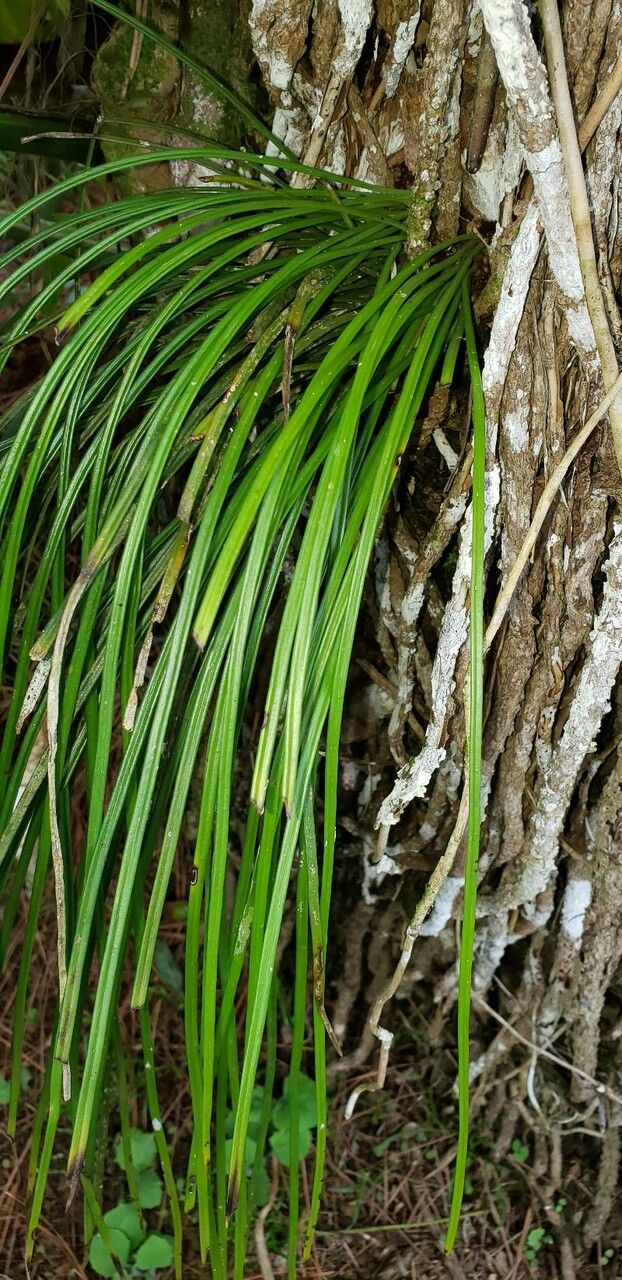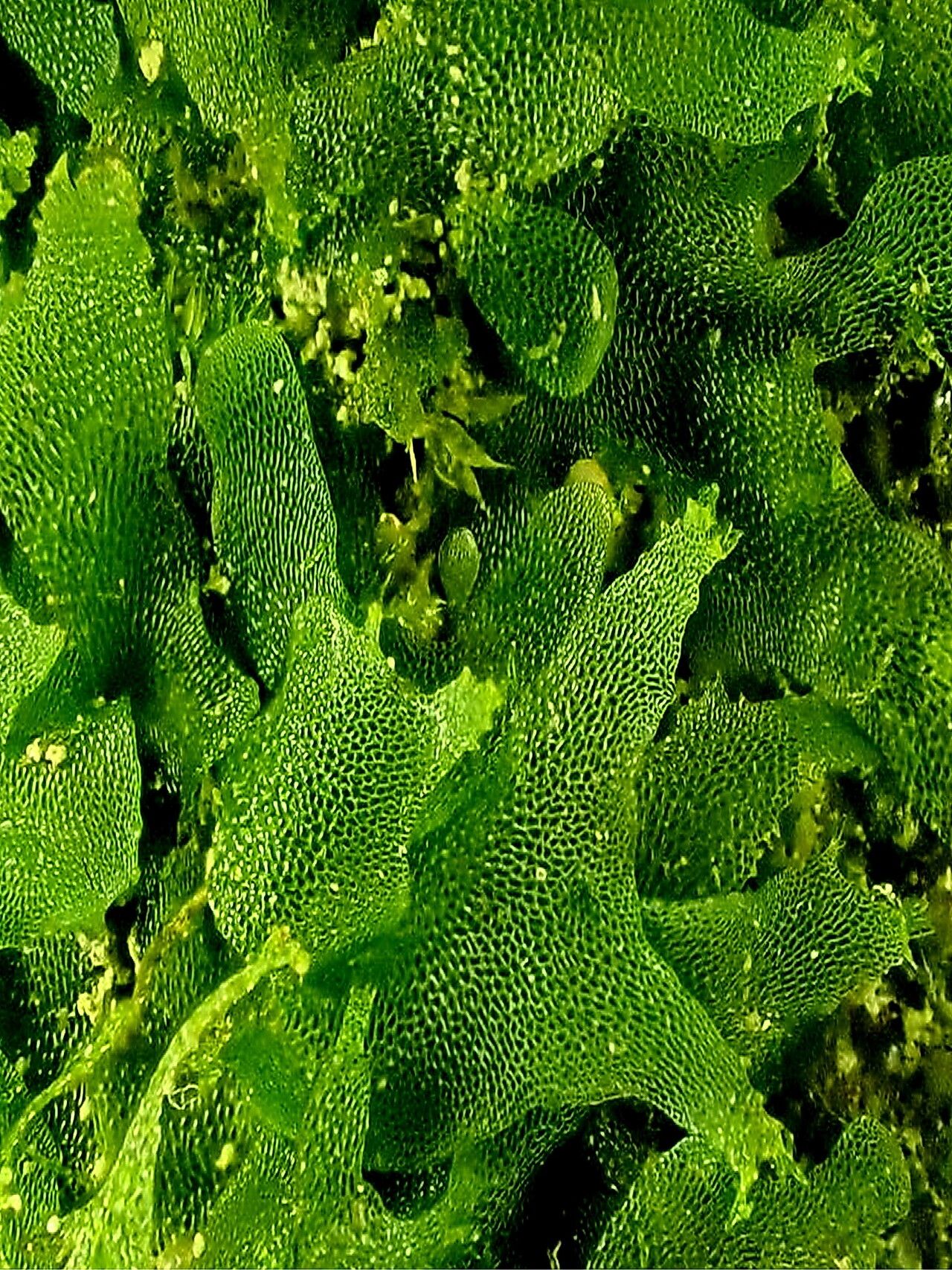
Vittaria appalachiana, or the Appalachian shoestring fern, is a fern species in the subfamily Vittarioideae of the family Pteridaceae. It is native to moist and shaded outcrops in the Appalachian Mountains. It is notable for existing only in the gametophyte stage of development, unlike other fern species in which the sporophyte stage predominates. The species reproduces asexually through gemmae.
Appalachian shoestring fern has strong resistance to disease and is generally not likely to develop illnesses. Still, it can be affected by pests and diseases present in its environment. Such infections are typically mild. Regarding care, this plant is moderately demanding. It should be pruned on a regular basis to preserve an attractive appearance and healthy growth. Applying fertilizer can also encourage flowering. Appalachian shoestring fern is appropriate for anyone who has an outdoor area, like a garden or patio, and does not demand extensive plant care experience. It may need more attention if kept indoors.
How to keep Vittaria Appalachiana.
Light
The Appalachian shoestring fern is native to habitats such as forest understories or rocky areas that provide natural shade. It prefers full shade but can tolerate partial sun.
Fertilizer
Generally, a single fertilizer application in spring is adequate for Appalachian shoestring fern, though several feedings can enhance growth. When feeding more than once, do so every month to every month and a half. Fertilization improves the leaves’ appearance and function, helping maintain uniform color and a healthy texture. It also encourages root development and nutrient uptake for the plant’s long-term health.
Botanical profile.
- Plant Type
- Herb
- Life Cycle
- Perennial
- Genus
- Vittaria
- Family
- Pteridaceae
- Mature Height
- 0 cm to 30 cm
- Leaf Type
- Semi-evergreen