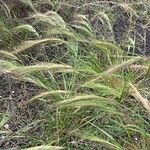
Vulpia fasciculata
Dune Fescue · Sand fescue
Description
Source: leafsnapVulpia fasciculata, the dune fescue, is a species of annual herb in the family Poaceae (true grasses). They have a self-supporting growth form and simple, broad leaves. Individuals can grow to 0.24 m.
Care Guide
💧 Water
☀️ Light Full sun
Fescue grass comes from bright, open habitats where it thrives in full sun. It can tolerate partial sun but favors direct sunlight for optimal growth. This annual and biennial plant is noted for its sun-loving nature.
What are the sunlight requirements for Fescue grass?
Fescue grass, scientifically known as Vulpia fasciculata, thrives best in bright, open environments. For optimal growth, it requires full sun, which is defined as more than 6 hours of sunlight per day. It can also tolerate partial sun, approximately 3-6 hours of sunlight daily. It's crucial to observe how sunlight moves through your garden throughout the day to find the ideal spots that offer a balance of light and shade, ensuring your plants grow healthy and strong.
How does artificial lighting benefit indoor Fescue grass plants?
Indoor Fescue grass plants benefit significantly from artificial lighting, especially when natural sunlight is inadequate, such as during winter or in less sunny indoor areas. Artificial lights, particularly LED lights, can be customized to provide the specific wavelengths of light the plants require. For full sun plants like Fescue grass, 30-50W/sq ft of artificial light is recommended. The artificial light source should be placed 12-36 inches above the plant to mimic natural sunlight, and it should remain on for 8-12 hours per day to simulate the average length of daylight hours, promoting faster and healthier plant growth.
What are some common symptoms of light deficiency in indoor Fescue grass?
When Fescue grass is grown indoors under insufficient light conditions, it may show various symptoms indicating light deficiency. These include smaller new leaves, leggy or sparse growth, faster leaf drop, and halted growth as the plant enters a survival mode. Leaves might develop lighter colors or irregular patterns, signifying a lack of chlorophyll. Furthermore, conditions such as chlorosis (leaves turning yellow), sunscald, leaf curling, wilting, and leaf scorching may also occur, illustrating the negative impact of inadequate light on the plant's health.
How can I address light deficiency issues for indoor and outdoor Fescue grass?
To address light deficiency in Fescue grass, gradually move plants to sunnier locations, ensuring they receive at least 6 hours of direct sunlight daily. For indoor plants, use a south-facing window or artificial grow lights if the plant is large or difficult to move. Outdoor plants should also be shifted gradually to avoid sunburn. If sunlight is blocked by obstructions like trees, consider pruning to improve light exposure. For smaller plants, transplanting during their dormant period to a location with ample sunlight and good drainage may also be beneficial. It's important to note that while parts of the plant affected by insufficient sunlight may not recover, new growth should be healthy following increased light exposure.
🌡️ Temperature 15–35°C
Fescue grass can adjust to a broad range of temperatures, though its range can still be restricted by particular combinations of moisture and heat. It grows best in warm summer climates when it gets enough rainfall or irrigation. Extended stretches of cloudy, rainy weather or prolonged high temperatures raise the chance of Fescue grass dying. In winter, shielding it from cold can increase its survival rate.
💨 Humidity
🪴 Soil 6-8
🌱 Fertilizer
🪴 Pot & Repot
✂️ Pruning
Fescue grass, known for its fine, tufted appearance, requires minimal pruning. It's best to trim it in early spring to remove any dead blades and promote new growth. Light pruning helps it become denser and more resistant to disease, which maintains the plant's health and beauty while also increasing its resilience to harsh weather conditions.
🌿 Propagating
🐛 Diseases & pets
☠️ Toxicity
Characteristics
- Plant Type
- Grass
- Life Cycle
- Annual
- Genus
- Vulpia
- Family
- Poaceae
- Hardiness Zone
- 7-10
- Mature Height
- 61 cm
- Mature Spread
- 5 cm to 20 cm
- Leaf Color
- Light Green
- Leaf Type
- Semi-evergreen
- Flower Color
- White, Yellow
- Flower Size
- 2.03 cm to 11.43 cm
- Bloom Time
- Late spring, Early summer
- Planting Time
- Spring, Autumn
- Harvest Time
- Early summer, Mid summer