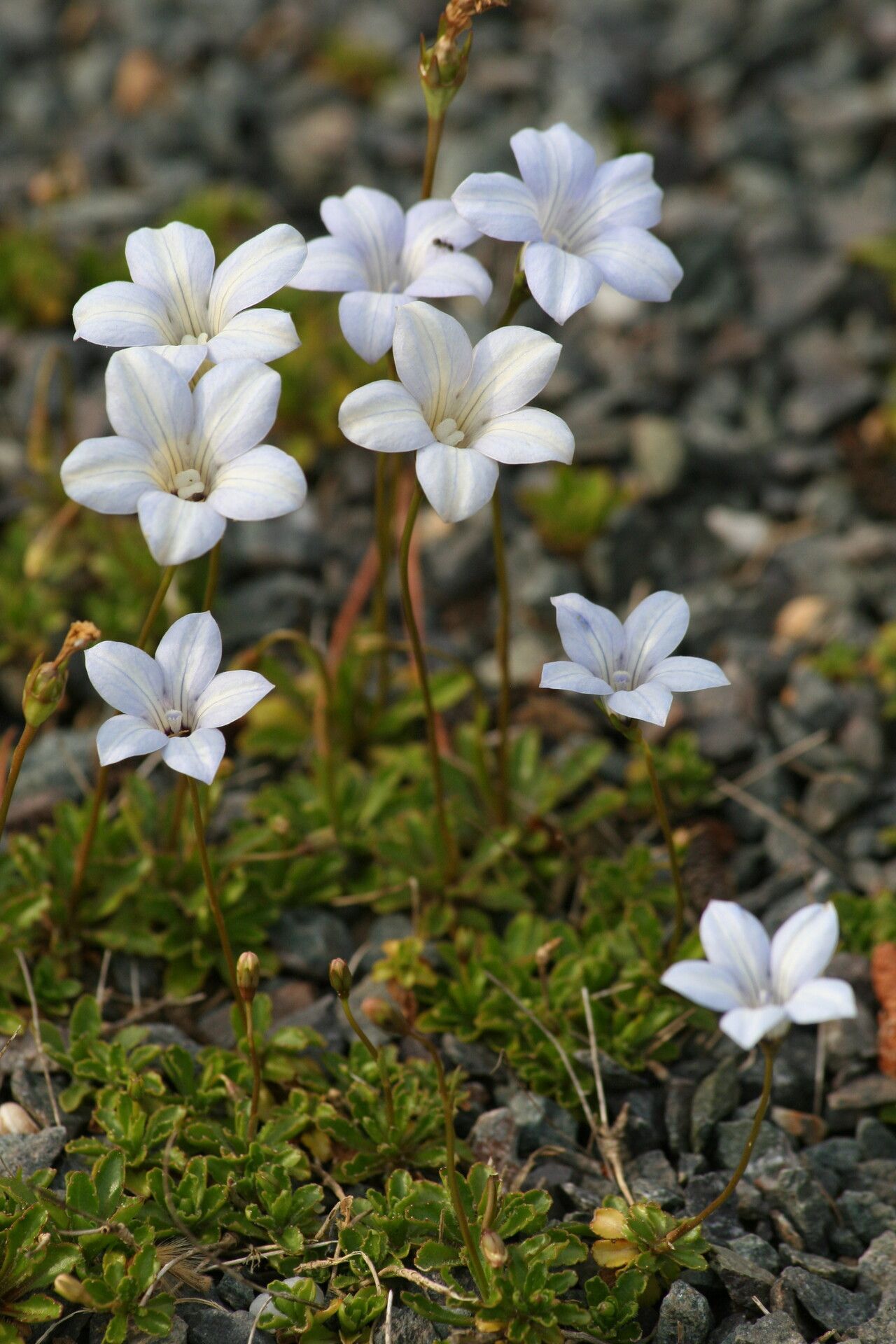
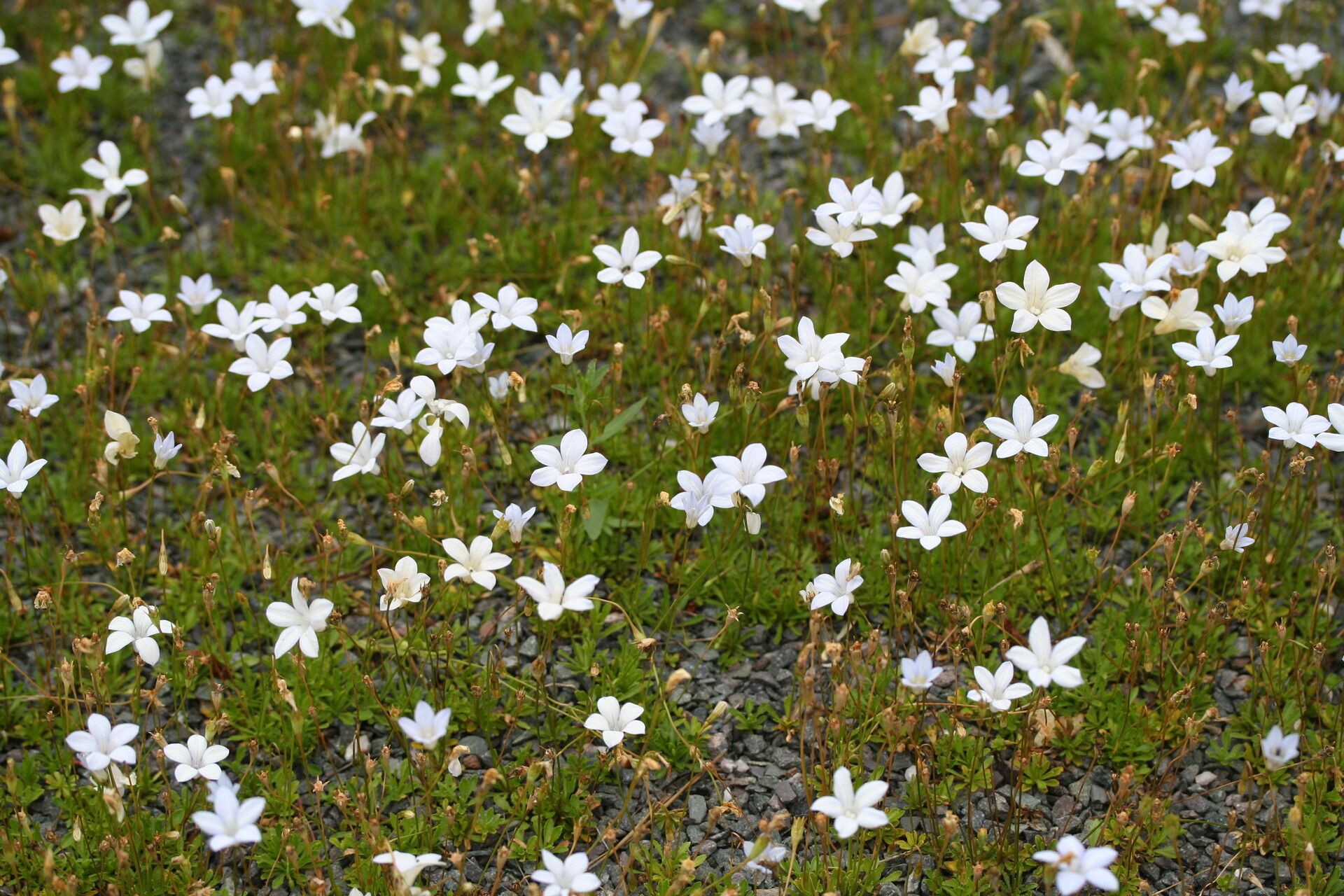
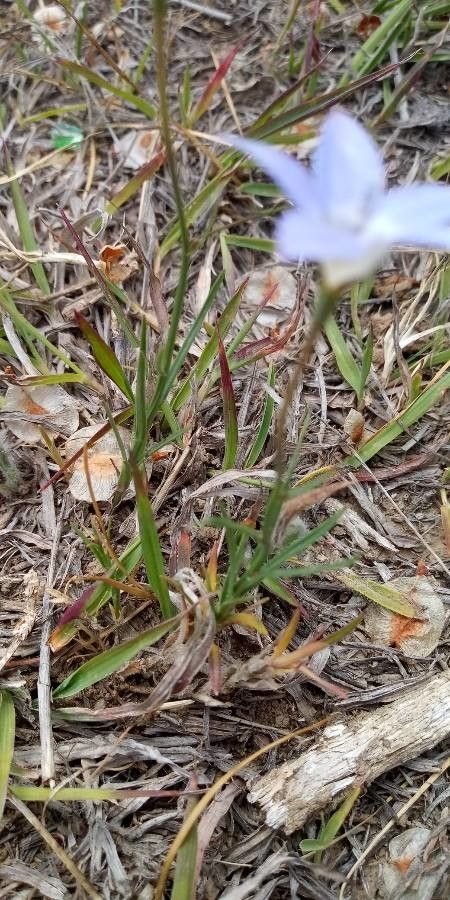
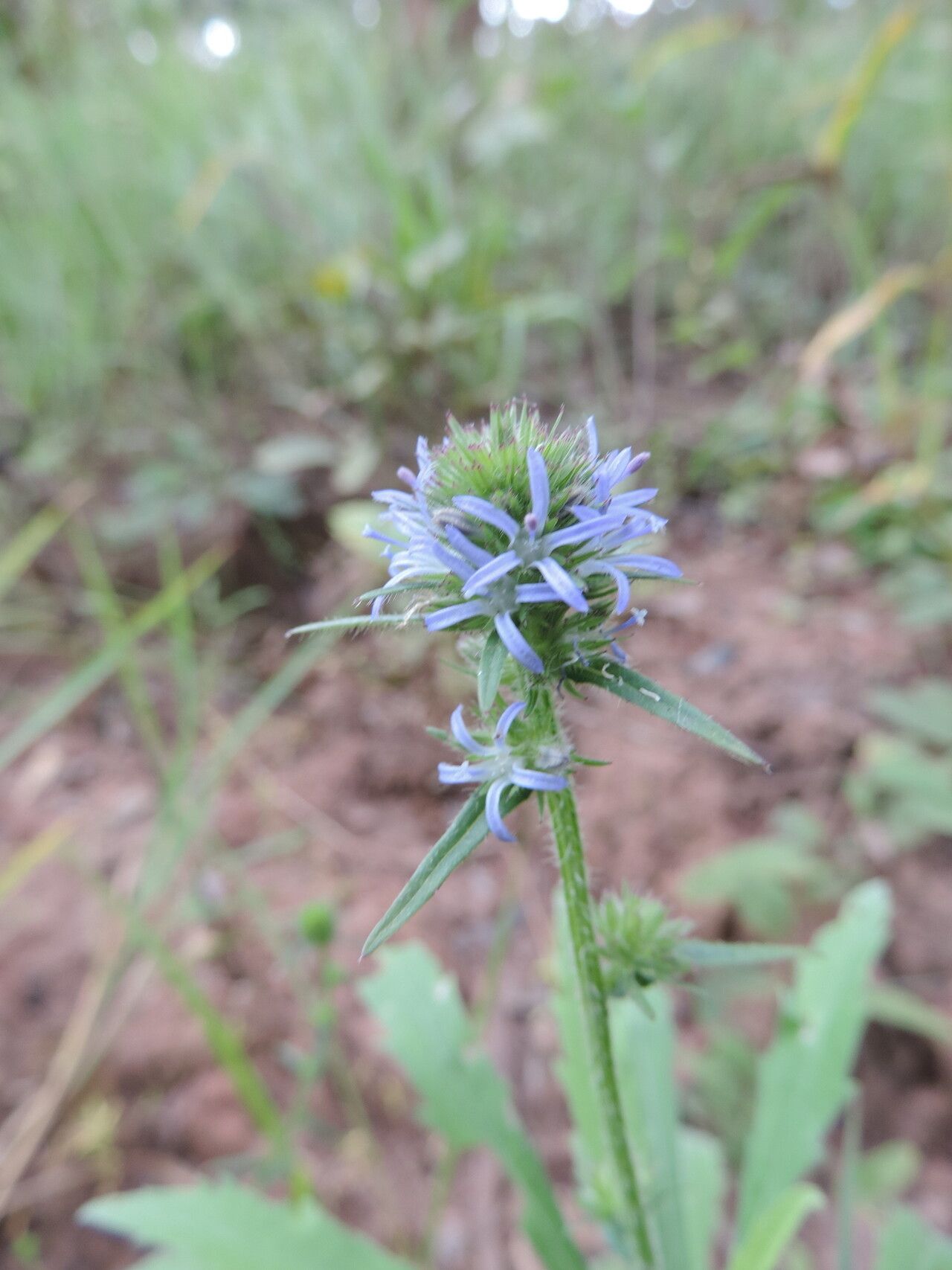
Wahlenbergia albomarginata, commonly known as the New Zealand harebell, is a species of plant native to New Zealand.
New Zealand harebell shows good resistance to disease and is generally not prone to illnesses. Still, it can be vulnerable to pests and diseases found in its environment. Such infections are typically minor. Carewise, this plant needs moderate maintenance. It should be pruned regularly to preserve an attractive appearance and healthy growth. Applying fertilizer can also help encourage flowering. New Zealand harebell is appropriate for anyone with outdoor space—like a garden or patio—and does not demand extensive care experience. It may need more attention when cultivated indoors.
How to keep Wahlenbergia Albomarginata.
Light
The New Zealand harebell comes from a habitat with abundant sunlight. It grows best in such conditions, which encourage strong growth and resilience. It can, however, tolerate lower light levels, although this may affect its overall health. Too much sun or insufficient light can cause stunted growth or pale foliage.
Water
The New Zealand harebell flourishes in moist conditions and needs consistent hydration. It prefers soil that remains evenly damp, so it's important to water it weekly. As an outdoor plant, using mulch can help retain moisture during hot weather, effectively balancing its water requirements.
Temperature
Native to temperate climates, new zealand harebell prefers a moderate temperature range of 41 to 77°F (5 to 25℃). Consider limiting its exposure during cold winters and extremely hot summers for optimal growth.
Fertilizer
For New zealand harebell, the primary time to fertilize is early spring when the flowers are forming. The right fertilizer promotes better blooms and helps New zealand harebell produce attractive flowers. Fertilizing in early spring ensures strong flowers during the season and provides energy for dormant growth phases.
Pruning
The New Zealand harebell features delicate blue-white flowers in a compact form. To enhance its bushiness and blooms, pruning should be carried out from early to late spring. Remove dead stems and trim overgrown branches to shape the plant. However, avoid pruning late in the season to preserve its growth cycles and vitality.
Botanical profile.
- Plant Type
- Herb
- Life Cycle
- Perennial
- Genus
- Wahlenbergia
- Family
- Campanulaceae
- Hardiness Zone
- 5
- Mature Height
- 10 cm
- Mature Spread
- 76 cm
- Leaf Color
- Light Green, Pale Green
- Leaf Type
- Semi-evergreen
- Flower Color
- White
- Flower Size
- 1.02 cm to 2.03 cm
- Bloom Time
- Summer
- Planting Time
- Spring, Summer, Autumn
- Harvest Time
- Late summer, Early fall, Mid fall