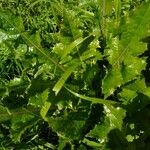
Wallichia caryotoides
Care Guide
💧 Water
Native to tropical rainforests, the Thai dwarf fishtail palm thrives in moist soil and high humidity. It needs regular watering once a week but can tolerate short periods of dryness. Often cultivated indoors, this palm stays evergreen, so maintaining adequate moisture is essential for its vibrant appearance throughout the year.
☀️ Light Partial sun
The Thai dwarf fishtail palm originates from habitats like forest understories or rocky regions, where it is naturally shaded. It favors conditions with partial sun, yet it shows adaptability to full sunlight or complete shade, indicating its resilient and flexible characteristics.
What are the sunlight requirements for a Thai dwarf fishtail palm?
The Thai dwarf fishtail palm, also known as Wallichia caryotoides, thrives in partial sunlight, needing about 3-6 hours of sunlight daily. It's important to observe the movement of sunlight through your garden to find spots that offer an ideal mix of light and shade. This cautious observation helps ensure that your Thai dwarf fishtail palm grows happily by receiving the right amount of sunlight it needs.
🌡️ Temperature 20–37.8°C
Originally from environments with a climate akin to its natural growth surroundings, thai dwarf fishtail palm thrives in temperatures between 68 and 100 °F (20 to 38 ℃). Higher temperatures reflect its native habitat, however it needs to adapt to colder temperatures in the less warm seasons.
What is the ideal temperature range for the Thai dwarf fishtail palm?
The Thai dwarf fishtail palm, also known as Wallichia caryotoides, thrives in temperatures ranging from 68 to 100 °F (20 to 38 °C). This range is essential for mimicking the plant's natural habitat and ensuring its health and growth. Although it flourishes in warmer conditions, it's important to adjust the temperature during the cooler seasons to accommodate the plant's needs.
💨 Humidity
🪴 Soil 5-7
🌱 Fertilizer
The optimum period to provide fertilizer to a Thai dwarf fishtail palm is during the onset of spring when it is coming out of its dormant state. This enhances its growth and the development of flowers. Fertilizing betters the leaves, stems, and branches and helps produce more lively and durable flowers. It facilitates the transportation of nutrients from the roots to the flowers, contributing to the health of the plant and its ability to resist diseases.
🪴 Pot & Repot
✂️ Pruning
The Thai dwarf fishtail palm is known for its compact growth and distinctive fishtail-shaped leaves. To maintain this plant, prune it in early spring by removing dead fronds. This will improve both air circulation and the palm's appearance. When trimming, focus only on brown or yellowing leaves to support the plant's health and vitality. Conduct regular inspections to ensure the palm maintains optimal growth.
🌿 Propagating
🐛 Diseases & pets
☠️ Toxicity
Characteristics
- Plant Type
- Shrub
- Life Cycle
- Perennial
- Genus
- Wallichia
- Family
- Arecaceae
- Hardiness Zone
- 9-11
- Mature Height
- 2.13 m to 3.05 m
- Mature Spread
- 2.13 m to 3.05 m
- Leaf Color
- Dark Green
- Leaf Type
- Evergreen
- Flower Color
- Yellow
- Flower Size
- 1.02 cm to 2.03 cm
- Bloom Time
- Late spring, Summer
- Planting Time
- Spring, Summer
- Harvest Time
- Late summer, Fall
- Native Area
- India, Myanmar, Bangladesh, Thailand, China