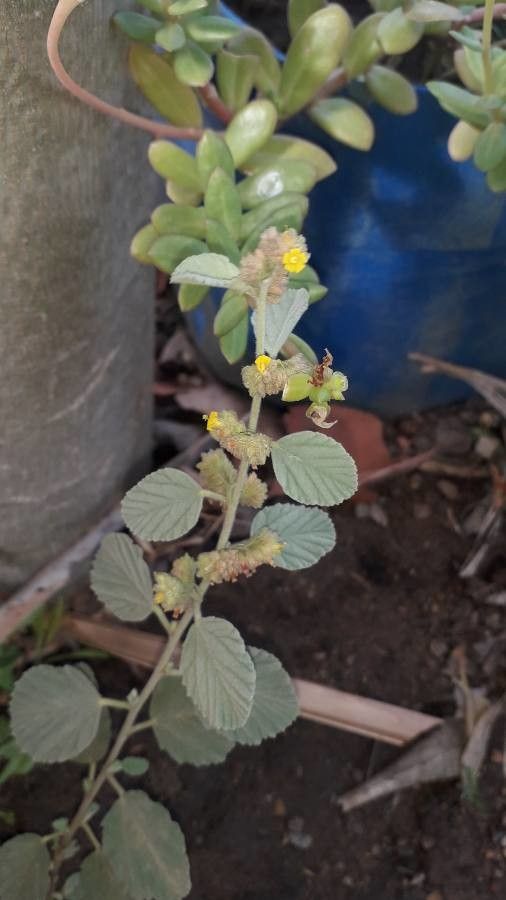
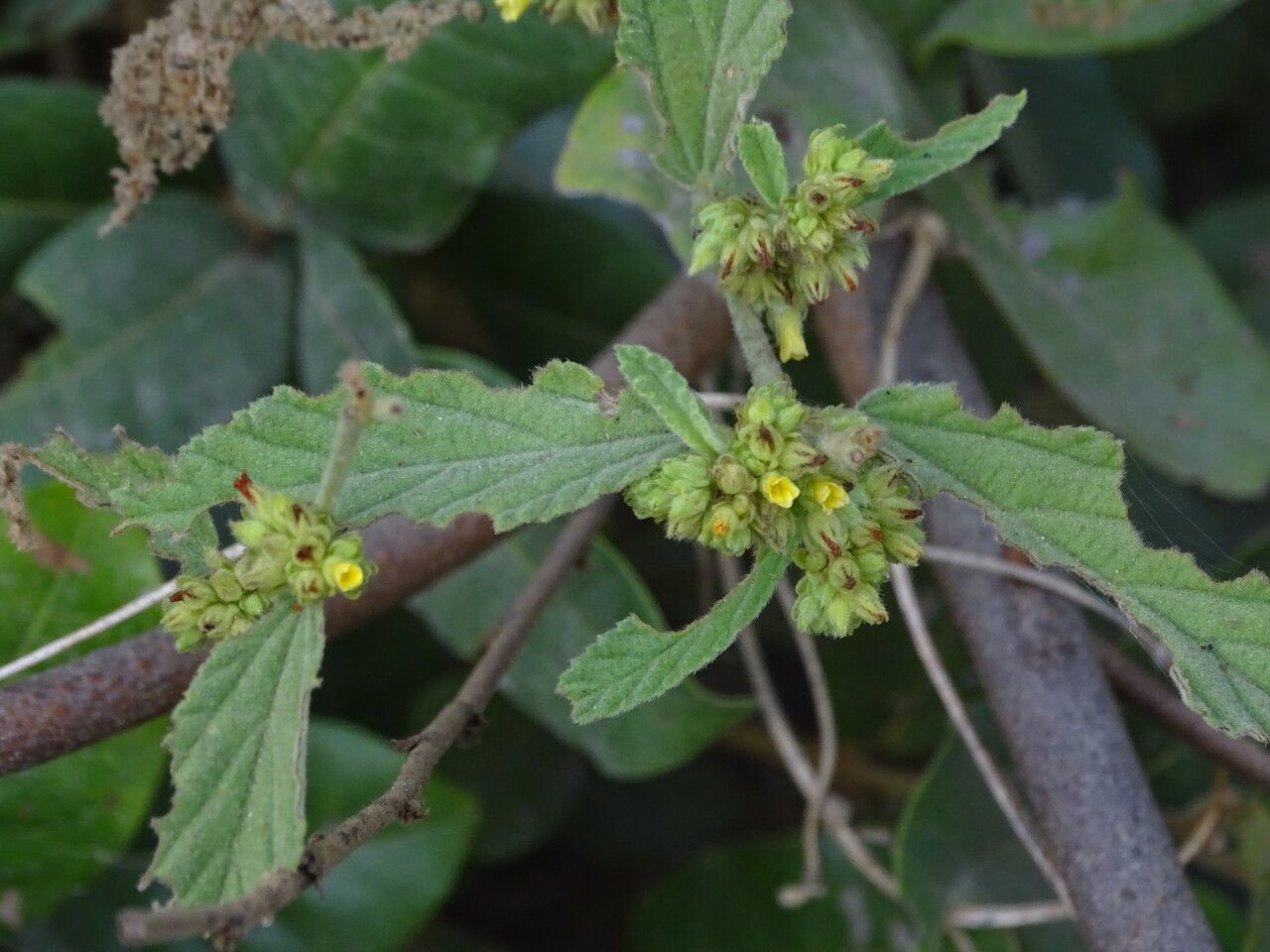
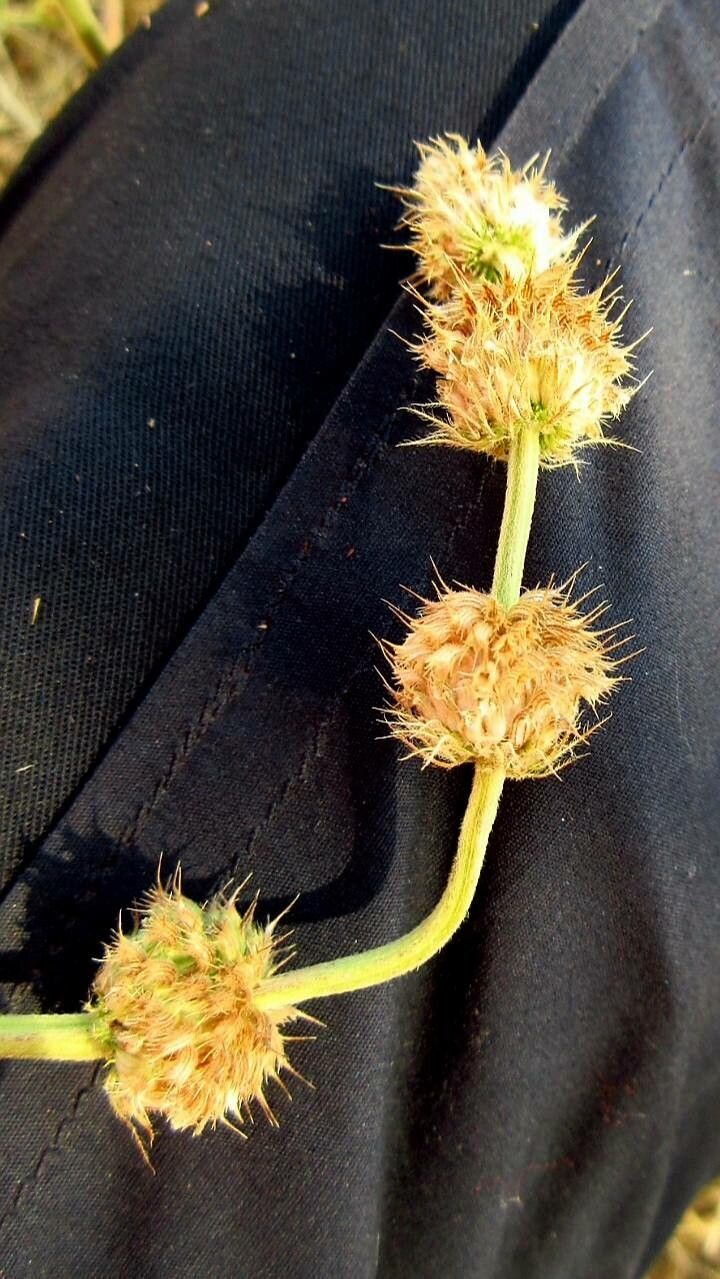
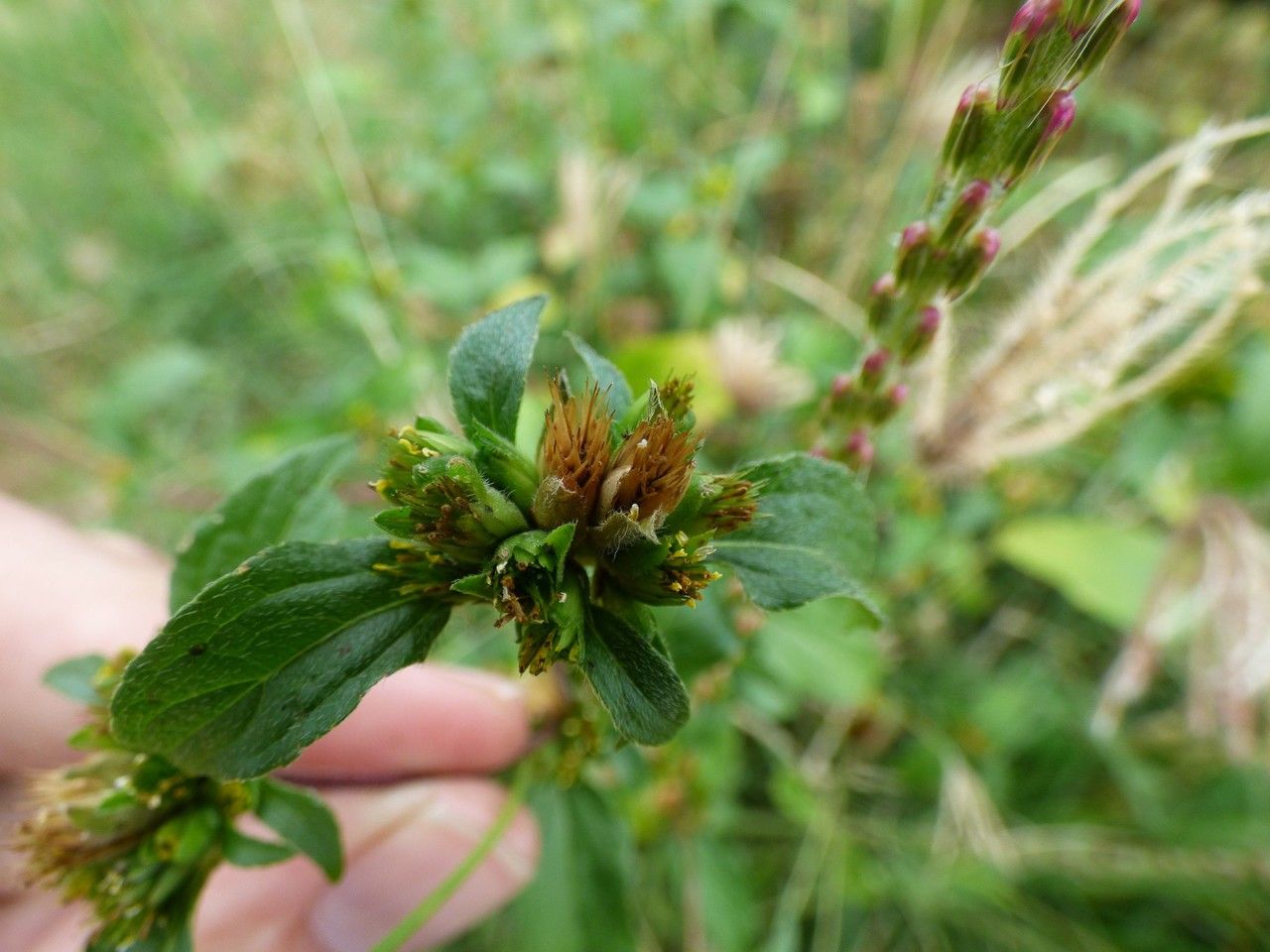
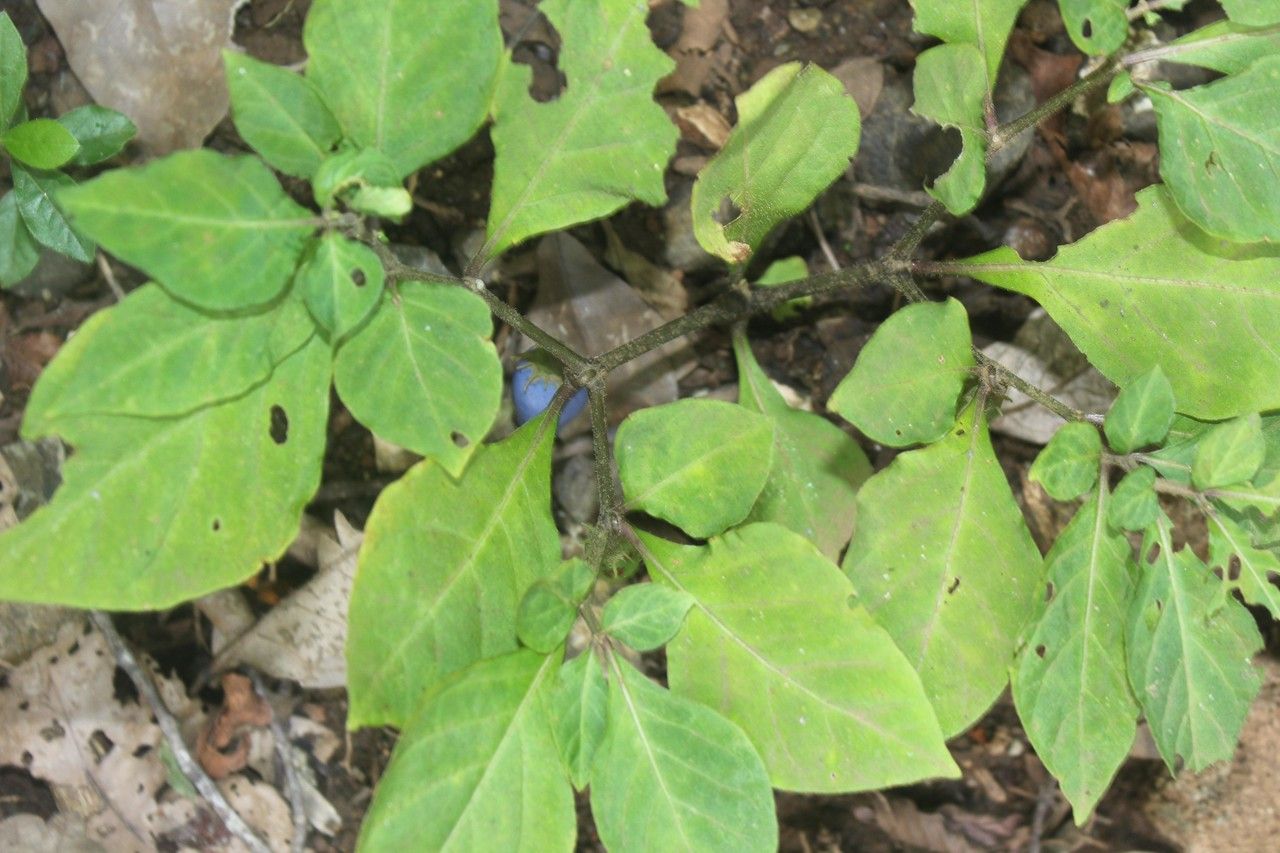
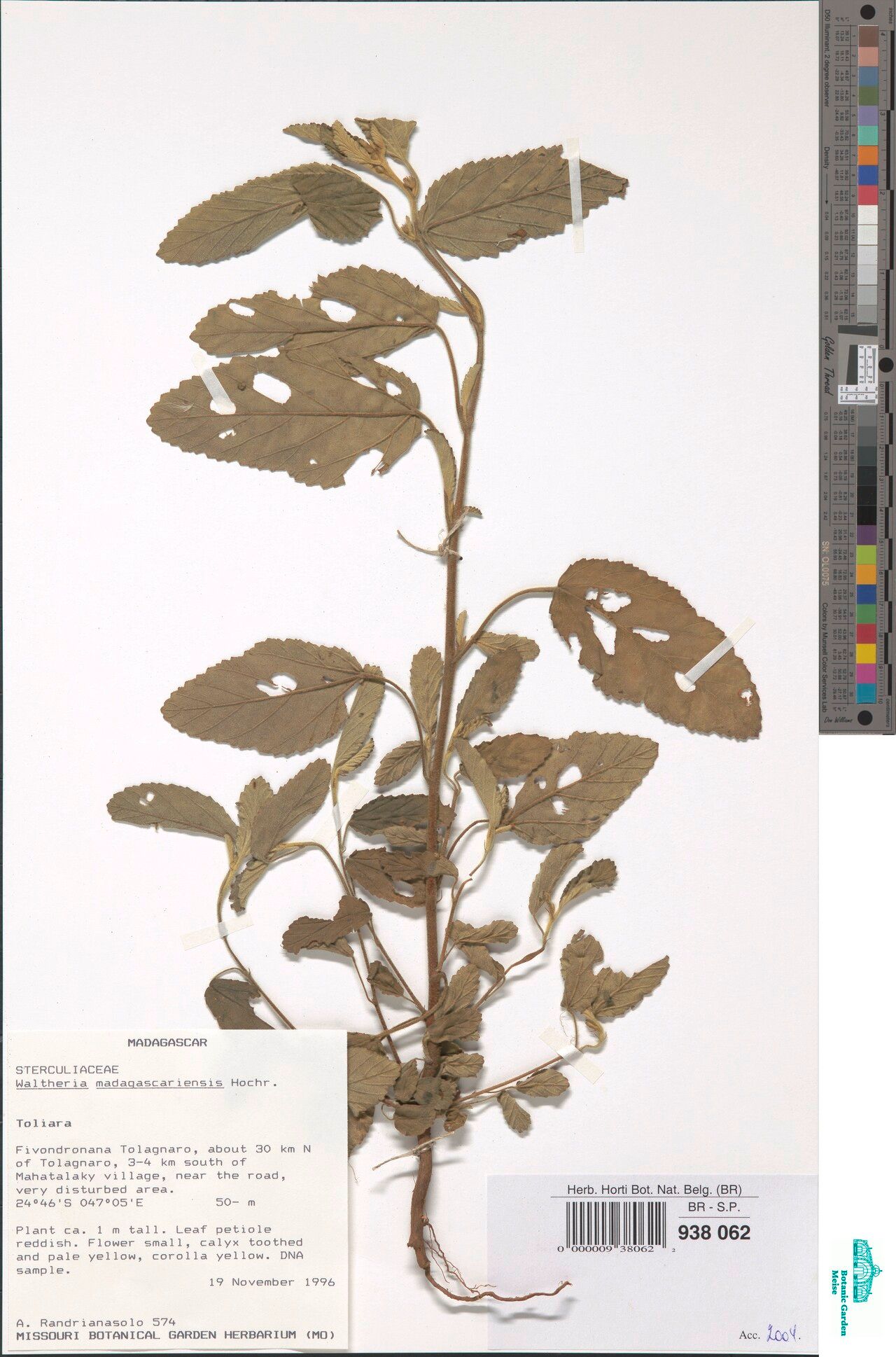
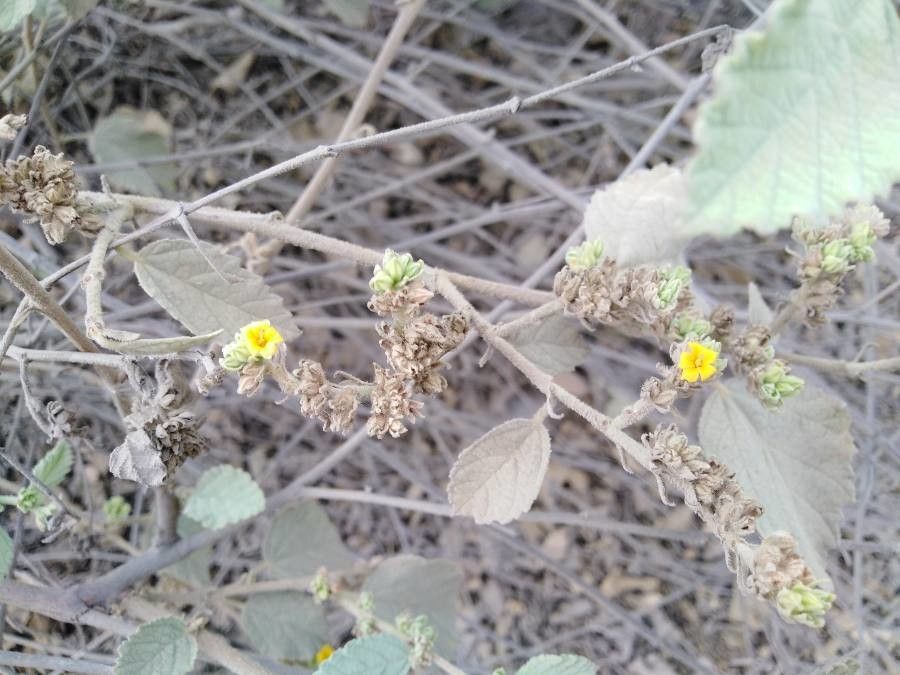
Waltheria indica, commonly known as Indian mallow or velvetleaf, is a perennial shrub belonging to the Malvaceae family. Native to tropical and subtropical regions of the Americas, Africa, and Asia, this plant can grow up to 2 meters tall. It features a woody stem with branches covered in soft hairs.
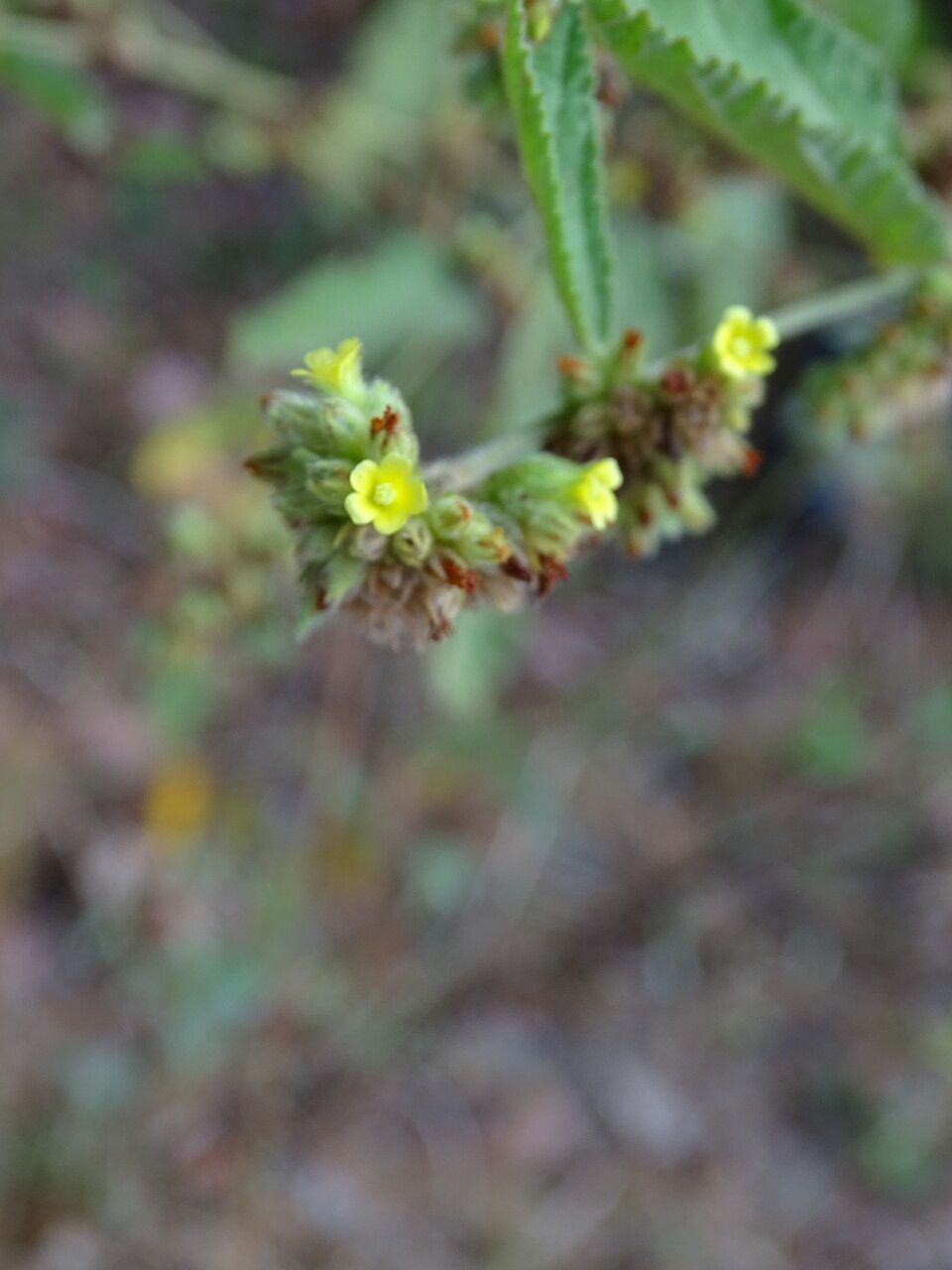
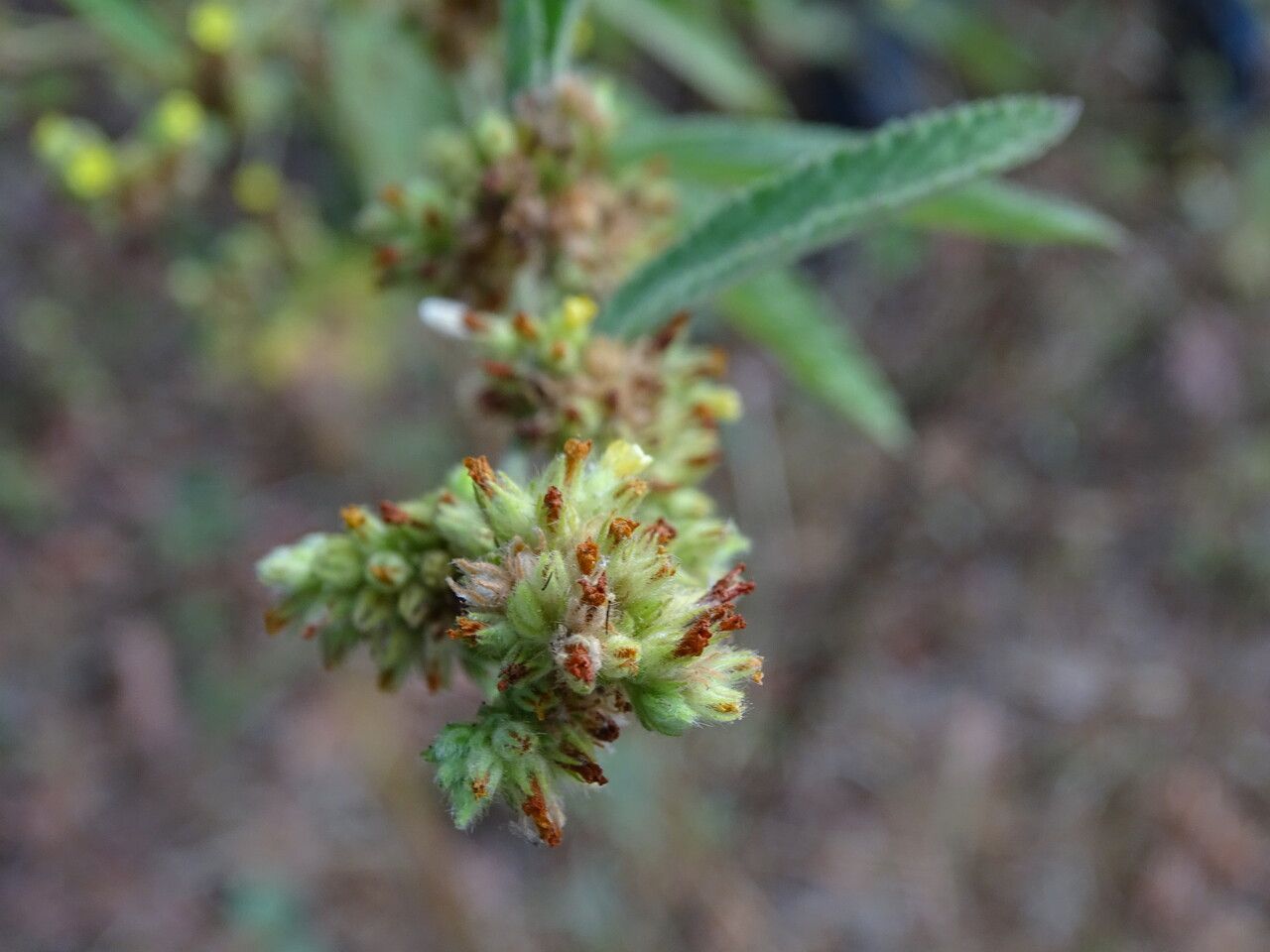
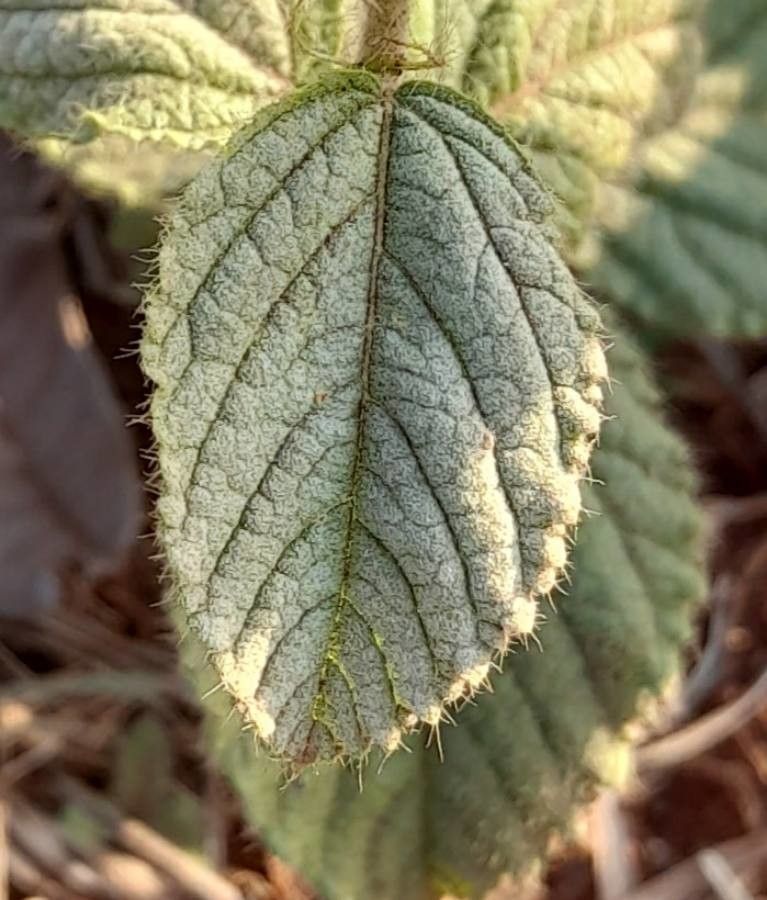
The leaves of Waltheria indica are simple, alternate, and have toothed margins. They are dark green with a velvety texture on both sides. Its small flowers are yellow or orange and have five petals, arranged in clusters at the ends of branches.
For centuries, indigenous peoples around the world have used Waltheria indica for medicinal purposes. It is believed to have anti-inflammatory properties that can help alleviate pain caused by arthritis and other inflammatory conditions. Additionally, the plant contains compounds with antimicrobial properties, making it useful for treating bacterial and fungal infections.
Beyond its medicinal uses, Waltheria indica is also valued as an ornamental plant for its attractive flowers and foliage. It can be grown indoors as a houseplant or outdoors in warm climates where it thrives best under full sun exposure.
Overall, Waltheria indica is a versatile shrub that offers both aesthetic appeal and potential health benefits, making it an interesting addition to any garden or home collection.
Uhaloa has strong disease resistance and is generally not susceptible to illnesses. Regarding care, this plant is fairly low-maintenance. When grown outdoors it needs only light watering, and larger specimens typically do not require pruning. Smaller plants, however, should be pruned after they finish blooming. Uhaloat is appropriate for anyone with an outdoor area, such as a garden or deck, and does not demand much experience in plant care.
How to keep Waltheria Indica.
Light
Uhaloa prefers environments where it receives unfiltered light for most of the day. It can tolerate situations in which light is somewhat obstructed or reduced. The plant’s need for such high light levels is due to the conditions of its native habitat. Both too much and too little light can harm its growth and health.
Water
Uhaloa is a drought-tolerant plant well-suited for semi-arid regions. It only needs watering every 2-3 weeks, making it an excellent choice for outdoor growth. Its hardy nature aligns with xeriscaping principles, providing gardeners with a low-maintenance and resilient option in areas with limited rainfall.
Temperature
Uhaloa is native to habitats with temperatures between 68 and 105.8 °F (20 and 41 ℃). This level of warmth is optimal for its growth and maintenance. Cultivating uhaloa in colder areas may necessitate artificial temperature supplementation, particularly during winter.
Fertilizer
Fertilization is essential for Uhaloa's care. Regular feeding during the growing season maintains the energy needed for its showy leaves and supports overall growth. Neglecting fertilization can lead to unhealthy leaves, reduced ornamental appeal, and stunted or weak growth that is prone to breakage.
Pruning
'Uhaloa' is a resilient plant that adapts well to various environments. To promote optimal growth, it's best to prune it from early to late winter. During this time, remove any dead wood and crowded branches to enhance air circulation. Although minimal pruning is needed beyond this, regular maintenance will help keep the plant looking neat and tidy.
Botanical profile.
- Plant Type
- Shrub
- Life Cycle
- Perennial
- Genus
- Waltheria
- Family
- Malvaceae
- Hardiness Zone
- 9-13
- Mature Height
- 2.13 m
- Mature Spread
- 49 cm to 91 cm
- Leaf Color
- Gray, Light Gray
- Leaf Type
- Evergreen
- Flower Color
- Yellow
- Flower Size
- 0.76 cm
- Bloom Time
- All year round
- Planting Time
- Spring, Summer, Autumn
- Harvest Time
- All year round
- Native Area
- Sri Lanka, Burkina Faso, Djibouti, Belize, India, Somalia, Egypt, Angola, Malaysia, Mexico, Namibia, Madagascar, Rwanda, Eritrea, Nigeria, Yemen, Guinea-Bissau, Kenya, Tanzania, Niger, Benin, Jamaica, Zimbabwe, Cuba, Sierra Leone, Indonesia, Cambodia, Cameroon, Equatorial Guinea, Mozambique, Liberia, Venezuela, Brazil, Ghana, Ethiopia, Botswana, Central African Republic, Congo, Saudi Arabia, Malawi, Honduras, Peru, Philippines, South Africa, Zambia, Bangladesh, Laos, Sudan, Mauritania, Guinea, Gambia, Panama, Chad, China, Colombia, Bahamas, Bolivia, Vietnam, Myanmar, Togo, Guyana, Senegal, Eswatini, Côte d'Ivoire, Ecuador, Nicaragua, Singapore, Costa Rica, Congo (DRC), Thailand
Other names.
Reader questions.
How can I water my Uhaloa plant in the best way?
Your Uhaloa is not too particular about how you water it, so you can use any common watering tool. Watering cans, hoses, or even cups will all work fine. Regardless of which tool you choose, make sure to water the soil directly and evenly throughout to provide all parts of the root system with the necessary water. It's best to use filtered water, as tap water may contain harmful particles. Additionally, using water at or slightly above room temperature is recommended, as extremely hot or cold water can be shocking for the Uhaloa. However, the Uhaloa generally responds well to any type of water you give it.
What are the sunlight requirements for Uhaloa?
Uhaloa requires full sunlight for optimal growth, meaning it should receive above 6 hours of sunlight daily. However, it can also tolerate partial sun conditions, which equates to about 3-6 hours of sunlight. It's essential to observe how sunlight moves through your garden to find spots that offer a good balance of light and shade, ensuring the plants' well-being.
What are the ideal growing conditions for Uhaloa?
Uhaloa thrives in environments with temperatures ranging from 68 to 105.8 °F (20 to 41 °C), which are optimal for its growth and sustenance. It is an extremely heat-loving plant that can be negatively affected by cold temperatures. During the colder months, particularly in winter, it is recommended to artificially supplement the temperature to maintain conditions above 20°C, ensuring the plant's well-being. If Uhaloa is grown outdoors, it should be brought indoors in autumn to a location near a bright window, away from direct heat sources, to avoid cold damage while still ensuring it receives ample light.
What should I do if I give too much or too little water to my Uhaloa plant?
Outdoor plants, especially newly planted ones or seedlings, can easily suffer from lack of watering. It is important to consistently water them for a few months while they are small or newly planted. Once the roots are established, Uhaloa plants can rely on rain for most of their water needs. When Uhaloa plants are planted in pots, there is a higher chance of overwatering. In the event of accidental overwatering, it is important to take immediate action to fix the issue. First, stop watering the plant right away to minimize the impact of overwatering. Then, carefully remove the Uhaloa plant from its pot to inspect the roots. If there are no signs of root rot, you can place the plant back in its container. However, if there are signs of root rot, trim away the affected roots and consider applying a fungicide to prevent further damage. Finally, repot the Uhaloa plant in well-draining soil. On the other hand, underwatering is a simpler issue to address. If the Uhaloa plant is underwatered, its leaves will droop, dry out, and fall off. However, they will quickly regain their fullness after sufficient watering. It is important to adjust your watering frequency as soon as you notice signs of underwatering.
What are the essentials for growing Uhaloa?
Uhaloa thrives under conditions of unfiltered light for most of the day, as high levels of light exposure mimic its native habitat conditions. Both an excess and a lack of light can negatively affect its growth and health. In situations with insufficient natural sunlight, especially during winter or in less sunny spaces, artificial lighting such as LED lights can be a useful solution. These should provide 30-50W/sq ft for full sun plants, 20-30W/sq ft for partial sun plants, and 10-20W/sq ft for full shade plants. The artificial light source should be placed 12-36 inches above the plant to mimic natural sunlight, with the duration matching the natural daylight hours most plants need, which is typically 8-12 hours per day.
How should Uhaloa be cared for in low temperatures?
Uhaloa is sensitive to cold and prefers warm conditions, thriving best at temperatures above 20°C and requiring protection from temperatures below 0°C. Exposure to temperatures below -5°C may result in leaf discoloration, turning from green to light and eventually to brown or black following frost damage, accompanied by wilting and drooping. To manage frost damage, affected parts of the plant should be trimmed off, and the plant must be moved indoors to a warm environment. It is advisable to place Uhaloa near a south-facing window for sufficient sunlight while avoiding proximity to heaters or air conditioning vents to prevent air dryness.
How frequently should I water my Uhaloa plant?
Most outdoor plants can grow normally with rainfall. However, if your area lacks rainfall, you should water your plants adequately every 2 weeks in the spring and fall. In the summer, you will need to water more frequently. During the slower growth period in winter, you can water less or not at all. If your Uhaloa plant is young or newly planted, it needs more frequent watering to establish and grow into a drought-tolerant plant. For potted plants, there are two main ways to determine how often to water your Uhaloa. The first is to follow a predetermined watering schedule of once every week or every other week. However, this approach may not be suitable for your specific growing conditions. Another method is to base your watering frequency on the moisture level of the soil. Wait until the top 2 to 4 inches of soil (about ⅓ to ½ depth of the pots) have completely dried out before watering again. This method is especially important during the summer when the plant's water needs are highest.
What are some common symptoms of insufficient light in Uhaloa?
Symptoms of light deficiency in Uhaloa include smaller new leaves, leggy or sparse growth, faster leaf drop, slower or no new growth, lighter-colored new leaves, chlorosis, sunscald, leaf curling, wilting, and leaf scorching. These symptoms result from the plant trying to adapt to low light conditions, and they indicate a need for more appropriate lighting arrangements.
What are the necessary precautions for Uhaloa during high temperatures?
In high temperature conditions, particularly during the summer when temperatures soar above 41°C, Uhaloa requires protection to prevent heat stress and sunburn, which can be indicated by lighter leaf color and susceptibility to damage. To care for Uhaloa in high temperatures, remove any sunburned or dried sections of the plant and relocate it to a shaded area, particularly away from the harsh midday and afternoon sun. Ensuring the plant is watered in the morning and evening will help keep the soil moist, aiding in the plant's overall health and resistance to heat.
How much water does my Uhaloa plant need?
To water your Uhaloa, you don't always need a lot of water. If only a few inches of soil have dried, give it about five to ten ounces of water. You can gauge the amount based on the soil moisture. If more than half of the soil has dried, give more water until it drains from the pot. If your Uhaloa gets plenty of rain outdoors, it may not need extra watering. When it's young, give it 1-2 inches of rain per week. Once established, it can survive on rainwater, but in hot weather without rainfall for 2-3 weeks, give it a full watering to prevent stress.
How can I remedy insufficient lighting conditions for Uhaloa?
To combat insufficient lighting, gradually move Uhaloa plants to sunnier locations, ensuring they get at least 6 hours of direct sunlight daily. For indoor plants, using a south-facing window and keeping curtains open during the day is helpful. If natural light is insufficient, consider using artificial grow lights, keeping them on for at least 8 hours daily. For outdoor plants, avoid sudden changes in light intensity to prevent sunburn. If trees block sunlight, prune them to increase sun exposure. For smaller plants, consider transplanting them during their dormant period to a location with ample sunlight and good drainage. Note that parts of the plant previously affected by light deficiency may not recover, but new growth should be healthy with adequate light.
How do I know if I'm giving my Uhaloa plant enough water?
The Uhaloa plant is more commonly affected by overwatering, and there are clear indicators to watch for when this happens. Typically, the leaves of an overwatered Uhaloa turn yellow and may fall off. Additionally, overwatering can cause the plant's overall structure to shrink and lead to root rot. On the contrary, an underwatered Uhaloa will also start to droop. Its leaves may become brown and brittle. Regardless of whether you spot signs of overwatering or underwatering, it is important to take action promptly to restore the health of your Uhaloa.