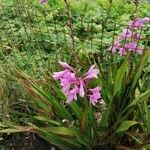
Watsonia borbonica
Bugle-lily · Rosy watsonia · Cape bugle-lily · St-John's staff · Pink watsonia
Description
Source: leafsnapWatsonia borbonica is a perennial plant species belonging to the Iridaceae family. Native to the island of Réunion in the Indian Ocean, it has also been introduced and naturalized in other regions, such as South Africa and Australia. The plant typically reaches up to 1.5 meters in height and features long, sword-shaped leaves arranged in a fan-like pattern. The flowers of Watsonia borbonica are striking, displaying hues of pink, red, or orange. These blooms appear on tall spikes that can reach up to 2 meters high during the flowering season, which usually spans from late spring to summer. Watsonia borbonica thrives in well-drained soils rich in organic matter, though it can adapt to various soil types as long as they are not waterlogged or excessively dry. The plant also requires full sun exposure for optimal growth. This plant is widely used for ornamental purposes due to its attractive flowers, making it a popular choice for gardeners seeking an exotic touch in their gardens or landscapes. Additionally, indigenous peoples have traditionally used its corms (underground storage organs) for medicinal purposes, such as treating stomach ailments. Overall, Watsonia borbonica is an appealing ornamental plant with showy flowers that add color and beauty wherever they are grown. Its potential medicinal uses further enhance its value, making it a noteworthy addition both aesthetically and functionally.
Care Guide
💧 Water Every 7 days
The Cape bugle-lily grows well in well-drained soils commonly found in Mediterranean climates. It requires moderate watering every 1-2 weeks. During the growing season, it's important to water it carefully to encourage blooming while avoiding overly wet soil.
How should I water my Cape bugle-lily properly?
To properly water the Cape bugle-lily, it is recommended to use filtered water at room temperature. Tap water may contain harmful particles, so filtered water is preferred. The water should be at room temperature or slightly warm, as the Cape bugle-lily is native to warm environments and cold water can be a shock to it. Instead of watering from above, it is best to directly apply the filtered room temperature water to the soil until it is fully soaked. This helps moisten the roots and allows them to spread and absorb essential nutrients from the soil.
What should I do if I give my Cape bugle-lily too much or too little water?
Overwatering and underwatering can both harm your Cape bugle-lily, but overwatering is more common and causes wilting, yellowing, and potentially fatal diseases like root rot, mold, and mildew. Underwatering is less common due to the plant's drought tolerance, but it can still occur and cause brittle, brown leaves. It's important to notice signs of overwatering quickly to prevent irreversible damage. Reduce watering and assess soil quality if signs are present. If underwatering signs are observed, increase watering until signs disappear.
How frequently do I need to water my Cape bugle-lily?
If you have your Cape bugle-lily in a pot, the most accurate way to determine if it needs watering is to stick your finger into the soil. If the top two to three inches of soil are dry, it's time to water it. If you're growing your Cape bugle-lily outdoors in the ground, you can use a similar method to test the soil. Once the first few inches of soil have dried out, it's time to water. In the spring and early fall, you'll typically need to water this plant about once a week. However, during extremely hot weather, you may need to increase watering to twice a week or more. It's worth noting that mature, well-established Cape bugle-lilies can handle drought well.
How much water does my Cape bugle-lily require?
When watering your Cape bugle-lily, don't be afraid to give it a generous amount of water. Make sure the first two to three inches of soil are dry before watering, and then thoroughly soak the soil. You should water enough so that excess water flows through the drainage holes at the bottom of the pot. If you don't see excess water draining, you may have underwatered the plant. However, be careful not to let water accumulate in the soil, as this can be harmful to the plant. If there is no water draining through the pot, it could mean that the soil doesn't drain well, which is not good for the plant's health. If the plant is outdoors, 1 inch of rain per week should be enough.
How should I water my Cape bugle-lily at different times as it grows?
The water needs of the Cape bugle-lily can vary throughout its growth stages. When the plant is young or has been recently transplanted, it requires more water to support root development. As the roots strengthen and the plant matures, it requires less water. Additionally, during the bloom period, the plant needs more water due to the energy required for flower development.
☀️ Light Full sun
cape bugle-lily grows best in an area that receives plenty of light throughout the day. However, it can tolerate being in places with slightly reduced light. Too much or too little light can hinder its healthy growth, reflecting the moderate sunlight conditions of its native habitat.
What are the sunlight requirements for Cape Bugle-Lily?
Cape Bugle-Lily requires full sun exposure, which is above 6 hours of sunlight daily, to thrive. However, it can also grow in partial sun—about 3 to 6 hours of sunlight. It's essential to observe the movement of sunlight through your garden to find the perfect spot that balances light and shade, ensuring the plant's growth and happiness.
How does Cape Bugle-Lily react to indoor and outdoor light conditions?
Cape Bugle-Lily thrives in areas that receive abundant light throughout the day for favorable growth, though it can manage in slightly less light-exposed locations. Indoor cultivation, especially during winter, requires attention to lighting conditions. Insufficient light can lead to problems, reflecting the plant's adaptation to its original habitat's moderate sunlight. Artificial lighting can support its growth indoors, with LED lights being a recommended choice. Full sun plants need 30-50W/sq ft of artificial light, partial sun plants require 20-30W/sq ft, and full shade plants need 10-20W/sq ft.
What are the symptoms of inadequate light in Cape Bugle-Lily?
Symptoms of light deficiency in Cape Bugle-Lily include smaller new leaves, leggy or sparse growth, faster leaf drop, slower or stopped growth, lighter-colored new leaves, chlorosis (leaves turning yellow), sunscald, leaf curling, wilting, and leaf scorching. These signs indicate that the plant is not receiving the right amount of light, which is crucial for its health and development.
What solutions can mitigate light deficiency symptoms in Cape Bugle-Lily?
To combat light deficiency in Cape Bugle-Lily, gradually move the plant to a sunnier spot until it receives at least 6 hours of direct sunlight daily. For indoor plants that are large or difficult to move, using artificial light such as lamps or professional grow lights for at least 8 hours a day can provide sufficient light. Outdoors, adjust the plant's position gradually to avoid sunburn. If trees are blocking sunlight, consider pruning them. For smaller plants, transplanting during their dormant period to a sunlit location with good drainage can also be effective. Note that parts of the plant damaged by insufficient light may not recover, but new growth should be healthy with better light conditions.
🌡️ Temperature 20–35°C
The Cape bugle-lily naturally occurs in environments where temperatures commonly range from 68 to 95 °F (20 to 35 °C). Its ability to adjust to temperature fluctuations is essential, particularly during seasonal shifts such as winter cool-downs.
What is the native temperature range for Cape bugle-lily?
Cape bugle-lily is native to temperature conditions commonly ranging from 68 to 95 °F (20 to 35 °C). It's important for the plant to adapt to temperature fluctuations, especially during seasonal changes such as winter cool-downs. This adaptability includes some level of cold tolerance, allowing the plant to generally not require any additional protective measures when temperatures are above 0°C. However, steps should be taken for cold protection if temperatures are expected to drop below freezing.
How does Cape bugle-lily react to low temperatures?
Cape bugle-lily has a moderate tolerance to low temperatures and thrives best in temperatures above 20°C. During winter, it's vital to keep the environment above 0°C to avoid damage. If temperatures fall below -5°C, the plant's leaves may begin to droop, and in severe cases, they will wilt and fall off. To manage frost damage, trim off the affected parts. To prevent future occurrences, wrap the plant with materials like non-woven fabric or cloth, and set up a wind barrier for additional cold wind protection.
What should be done if Cape bugle-lily experiences high temperatures?
During the summer, it's crucial to ensure Cape bugle-lily's environment remains below 35°C. Exposure to temperatures over 41°C can lead to lighter leaf coloration, dry and withered leaf tips, curling leaves, and increased susceptibility to sunburn. In such cases, trim away the sunburned and dried-up sections. To protect the plant, move it to a shaded location or utilize a shade cloth to shield it from the midday and afternoon sun. Adequate watering in the morning and evening is also essential to maintain soil moisture.
💨 Humidity
🪴 Soil 6-7
🌱 Fertilizer
For Cape bugle-lily, the primary time to fertilize is in early spring as the flowers begin to form. The proper fertilizer promotes stronger blooms and helps the Cape bugle-lily produce attractive flowers. Fertilizing in early spring ensures excellent flowers during the season and supplies energy for dormant growth phases.
Why should I put fertilizer on my Cape bugle-lily?
Fertilization is important for the Cape bugle-lily and other plants because it provides essential nutrients for growth. Although the Cape bugle-lily has relatively low fertilization needs and can sometimes survive without it, annual fertilization is highly beneficial. It helps keep the plant alive and promotes the development of better, longer-lasting flowers. If you want your Cape bugle-lily to look its best, make sure to fertilize it yearly.
When should I fertilize my Cape bugle-lily?
The best time to fertilize a Cape bugle-lily is in late winter to early spring when it is transitioning from dormancy to active growth. Fertilizing during this time promotes healthy growth and sets the plant up for a successful season. While early spring is generally the most beneficial time for fertilization, it is also acceptable to fertilize during the fall. However, it is not recommended to fertilize in the summer or winter seasons.
When is it a bad idea to put fertilizer on my Cape bugle-lily?
To properly care for your Cape bugle-lily, it's best to fertilize only during late winter and early spring. This plant has low fertilization requirements, so a single annual feeding is enough. Avoid overfertilizing by refraining from fertilizing during spring, summer, and fall. However, if you missed fertilizing in spring, it's acceptable to feed the plant in the fall. Additionally, there is no need to fertilize during the winter when the Cape bugle-lily is dormant and not producing new growth.
What kind of fertilizer does my Cape bugle-lily plant require?
Cape bugle-lilies generally thrive with any general-purpose fertilizer that contains a balanced amount of the three main plant nutrients. However, there are some specific nutrient blends that can be even more beneficial. Many gardeners believe that higher levels of phosphorus lead to stronger roots and better flowers, making a phosphorus-rich fertilizer a good option for Cape bugle-lilies. Whether it's in granular or liquid form doesn't matter as long as there are enough nutrients. Aside from manufactured fertilizers, organic methods like compost and manure can also improve the soil for Cape bugle-lilies and promote healthy growth.
How do I make my Cape bugle-lily grow better?
To fertilize a Cape bugle-lily, the most common method is to use granular or pellet fertilizer. The best time to apply fertilizer is when the plant is transitioning from its dormant phase to active growth, typically in early spring when shoots start emerging from the soil. If you prefer, you can opt for a liquid fertilizer, but make sure to dilute it with water before applying. Whether you choose granular or liquid fertilizer, it's important to moisten the soil before, during, and after fertilization.
🪴 Pot & Repot
✂️ Pruning
The Cape bugle-lily is an eye-catching perennial known for its tall flower spikes and sword-like leaves. To promote healthy growth and vibrant blooms, it's best to prune the plant from early to late spring. This involves removing spent stalks and dead leaves, which helps improve air circulation and plant vigor. For more specific pruning techniques, consider consulting horticultural guides.
🌿 Propagating
🐛 Diseases & pets
☠️ Toxicity
Characteristics
- Plant Type
- Herb
- Life Cycle
- Perennial
- Genus
- Watsonia
- Family
- Iridaceae
- Hardiness Zone
- 9-10
- Mature Height
- 2.13 m
- Mature Spread
- 61 cm to 91 cm
- Leaf Color
- Green, Gray
- Leaf Type
- Deciduous
- Flower Color
- Pink, Red, Orange
- Flower Size
- 6.35 cm
- Bloom Time
- Summer
- Planting Time
- Autumn
- Harvest Time
- Early fall, Mid fall