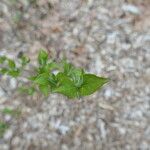
Weigela japonica
Japanese weigela · Weigela red prince
Description
Source: wikipedia (CC BY-SA)Weigela japonica, the Japanese weigela, is a species of flowering plant in the family Caprifoliaceae. It is native to southern China and southern Japan, and it has been introduced to the US state of New York, Bulgaria, and probably other locales. A deciduous shrub or small tree reaching 6 m (20 ft), it is typically found in scrublands and woodlands at elevations from 400 to 1,800 m. Its cultivar 'Dart's Colourdream', which reaches 2.5 m (8 ft), is available from commercial nurseries.
Care Guide
💧 Water
The Japanese weigela thrives in environments with balanced moisture, preferring to be watered consistently every 1-2 weeks. Although it can withstand short periods of drought, using mulch helps retain moisture and reduces the need for frequent watering, especially during periods of active growth. This makes it an excellent choice for outdoor cultivation.
☀️ Light Full sun
Japanese weigela does best in full sun, though it can tolerate moderate (partial) shade. In its native environment it is exposed to considerable sunlight, which supports vigorous growth. Too little light can slow its growth, while too much can scorch the leaves and hinder healthy development.
What are the sunlight requirements for Japanese Weigela?
Japanese Weigela thrives best in full sun, which means it requires above 6 hours of sunlight daily, but it can also tolerate partial sun, approximately 3-6 hours of sunlight. It's essential to observe how sunlight moves through your garden to find spots that provide a balance of light and shade, ensuring the plant's health and happiness. The native habitat of Japanese Weigela involves substantial exposure to solar radiation, which promotes robust growth. However, too little light can slow its growth, while too much direct light might scorch the leaves and hinder healthy development.
How can artificial lighting support Japanese Weigela's growth indoors?
When natural sunlight is insufficient for Japanese Weigela, especially in winter or less sunny spaces, artificial lighting can be a vital solution. Indoor plants can benefit from the right type of artificial light, such as LED lights, which can be customized to provide specific wavelengths needed by the plants. For optimal growth under artificial lighting, full sun plants need 30-50W per square foot, partial sun plants require 20-30W per square foot, and full shade plants should have 10-20W per square foot. The artificial light source should be placed 12-36 inches above the plant to mimic natural sunlight, and most plants need 8-12 hours of light per day.
What are the symptoms of light deficiency in Japanese Weigela?
Japanese Weigela may exhibit several symptoms when exposed to suboptimal lighting conditions, including smaller new leaves, leggy or sparse growth, faster leaf drop, slower or halted growth, and lighter-colored or pale new leaves. These symptoms indicate a lack of chlorophyll and essential nutrients due to insufficient light. Additionally, extreme sunlight exposure can cause chlorosis, sunscald, leaf curling, wilting, and leaf scorching, affecting the plant's ability to photosynthesize and maintain overall health.
What are the solutions for Japanese Weigela's light-related issues?
To address light-related issues in Japanese Weigela, gradually move the plants to receive at least 6 hours of direct sunlight daily, utilizing a south-facing window for indoor plants and maximizing sunlight exposure. If moving the plant isn't feasible, consider using artificial lighting such as a desk or ceiling lamp for at least 8 hours daily, or invest in professional plant grow lights. For outdoor plants, it's crucial to move them gradually to sunnier spots to prevent sunburn. If trees block sunlight, consider pruning to allow more light through. For smaller plants, transplanting during their dormant period to a location with ample sunlight and good drainage can be effective. Note that parts of the plant already affected by low light may not recover, but new growth should be healthy with improved light conditions.
🌡️ Temperature 5–32.2°C
Japanese weigela originates from temperate zones and is suited to a temperature range of 41 to 89.6°F (5 to 32℃). It favors cooler conditions and might require seasonal adjustments to sustain its growth.
What is the native region and preferred temperature range for Japanese weigela?
Japanese weigela, with its botanical name Weigela japonica, is native to temperate regions. It thrives in a temperature range between 41 to 89.6°F (5 to 32°C). This plant is adapted to cooler climates and requires adjustments according to seasonal variations to maintain growth.
Does Japanese weigela need frost protection during winter?
Japanese weigela has strong cold resistance and typically does not require special frost protection measures during winter. However, if temperatures are expected to plummet below -25°C, it is important to provide cold protection. Wrapping the trunk and branches with non-woven fabric or cloth and watering the plant abundantly before the first freeze in autumn to ensure the soil remains moist can protect the plant. This preparation helps prevent drought and water scarcity for the plant during the colder months and early spring.
How does low temperature affect Japanese weigela and what are the solutions?
Japanese weigela is cold-tolerant and generally thrives best when the temperature is above 5°C. During winter, it is advisable to keep the temperature above -20°C to prevent damage. When the temperature falls below -25°C, the branches may not show immediate effects during winter, but they can become brittle, dry, and may not produce new shoots in spring. The solution is to prune away any dead branches in the spring that have failed to produce new leaves.
How does high temperature affect Japanese weigela and what solutions can help?
In the summer, it is important to keep the temperature of Japanese weigela below 32°C. When the temperature exceeds 35°C, the leaves may lighten in color, become dry, withered at the tips, and the plant becomes more susceptible to sunburn. To help the plant recover, trim away sunburned and dried-up parts, move the plant to a location that provides shade during the midday and afternoon sun, or use a shade cloth. Additionally, watering the plant in the morning and evening can keep the soil moist, mitigating the effects of high temperatures.
💨 Humidity
🪴 Soil 5-7
🌱 Fertilizer
The timing of fertilizing Japanese weigela is important. Apply fertilizer in early spring and continue once a month until early summer. Fertilizer encourages attractive blooms and supplies energy during both dormant and active growth periods.
🪴 Pot & Repot
✂️ Pruning
Japanese weigela is a deciduous shrub known for its vibrant, trumpet-shaped flowers. To keep it healthy and encourage growth, prune it in late spring, right after it finishes blooming. Start by removing any dead branches and then trim about one-third of the older stems. This will help stimulate new growth. Always use sharp, sanitized tools to get the best results, but be careful not to over-prune, as this can affect blooming and overall health.
🌿 Propagating
🐛 Diseases & pets
☠️ Toxicity
Characteristics
- Plant Type
- Shrub
- Life Cycle
- Perennial
- Genus
- Weigela
- Family
- Caprifoliaceae
- Hardiness Zone
- 5-8
- Mature Height
- 4.88 m
- Mature Spread
- 1.52 m to 2.44 m
- Leaf Color
- Green, Dark Green
- Leaf Type
- Deciduous
- Flower Color
- Pink, White
- Flower Size
- 3.81 cm
- Bloom Time
- Mid spring, Late spring, Early summer
- Planting Time
- Spring, Summer, Autumn
- Harvest Time
- Mid summer, Late summer, Early fall
- Native Area
- Japan