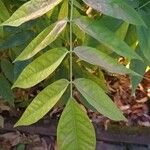
Wisteria sinensis
Chinese wisteria · Chinese-glycine · Purple wisteria
Description
Source: leafsnapWisteria sinensis, commonly known as Chinese wisteria, is a deciduous climbing plant native to China. Belonging to the pea family, it can reach heights of up to 30 feet. In the spring and summer, the plant produces long, drooping clusters of fragrant purple flowers. The leaves are green and pinnately compound, consisting of 7-13 oval-shaped leaflets. Chinese wisteria thrives in full sun or partial shade and prefers well-drained soil with moderate moisture levels. Often, it is trained to grow on trellises or arbors for ornamental purposes. However, it should be planted away from buildings, as its aggressive growth can cause damage if left unchecked. Although a beautiful addition to any garden, all parts of the plant are toxic if ingested, so care should be taken, especially around children and pets who might try to eat it.
💡 There is a beautiful love story about Chinese wisteria. According to the tale, a girl dressed in purple and a boy dressed in white leaped off a cliff because they couldn't obtain their families' approval for marriage. From that spot, the Chinese wisteria began to grow on the cliffside, with white blossoms interwoven among purple ones, as bright and stunning as the clouds.
🌳 Chinese wisteria may be famous for its draping beauty, but its uses reach beyond that into other inventive areas. Extracts from the flowers show promise for producing natural dyes, while the vines can be trained to form garden structures similar to living art. In addition, the seed pods are being studied for their possible use in biodegradable materials, which could offer a sustainable substitute for certain plastics in the future.
🎭 Live in pursuit of love, fertility, longevity, devotion, and creativity
Care Guide
💧 Water Every 7 days
Chinese wisteria thrives in humid subtropical climates and grows best in well-drained, moisture-retaining soil. Although it is moderately drought-tolerant, it prospers with weekly watering to boost growth and flowering. In outdoor settings, the plant benefits from added humidity, receiving support from morning dew or light rain to maintain healthy leaves and vibrant flowers.
When Should I Water My Chinese Wisteria?
Timely watering is crucial for the well-being of Chinese wisteria, as it facilitates growth, flowering, and overall health. The plant needs water when the top 1 inch of soil feels dry. Check for soil dryness in various spots as moisture can vary. Wilting or droopy leaves indicate the plant needs water, and if attended to promptly, the plant should recover. Yellowing of leaves is another sign of water need, starting typically with older leaves. A slowdown in growth rate during the growing season might also point to inadequate water. Be cautious of watering too early, as it may lead to over-watering, making the plant prone to diseases and pests. Conversely, watering too late can cause stress and loss of blooms, and prolonged dehydration might lead to the plant's death.
How Should I Water My Chinese Wisteria?
Chinese wisteria prefers evenly moist soil but is drought-tolerant; hence, it's crucial not to overwater or let the soil dry out completely. Deep-watering techniques are beneficial, ensuring water reaches the deep roots and promoting healthy growth. Use a long-spout watering can for a gentle flow at the plant base, avoiding foliage. A moisture meter can help maintain the correct soil moisture level. Ensure focus on watering the plant base and prevent drenching the leaves to avoid fungal diseases. In hot temperatures, occasional misting helps with humidity. During the plant's dormant periods, lessen the watering frequency and ensure well-draining soil or pots to avoid root rot.
How Much Water Does Chinese Wisteria Really Need?
The appropriate water amount for Chinese wisteria depends on its size and root depth, with about 1 gallon for a medium-sized plant usually sufficient. Ensure the plant is in well-drained soil to prevent water accumulation, and allow the top 1 inch of soil to dry out before watering again. The right amount of water will encourage healthy leaves and growth, whereas overwatering may lead to wilting, yellow leaves, and under-watering could result in brown leaf edges. Overwatering risks include root rot and insect pests, while underwatering could significantly slow plant growth.
What Kind of Water is Best for Chinese Wisteria?
Rainwater, being natural and chemical-free, is ideal for Chinese wisteria. Distilled water is an alternative but lacks essential minerals. Tap water can be used in the absence of other sources, though it may contain harmful chemicals such as chlorine and fluoride, which can stress the plant. Filtered water that removes contaminants without stripping essential minerals is also suitable. Chinese wisteria is particularly sensitive to chlorine, so it is advisable to let chlorinated tap water sit out for 24 hours before use to allow the chlorine to evaporate. Adjusting water to a slightly acidic to neutral pH (around 6.0-7.0) can benefit the plant's health.
How Do Chinese Wisteria's Watering Needs Change with the Seasons?
In spring, as Chinese wisteria comes out of dormancy, keep the soil moist to support new growth, watering thoroughly but allowing the soil to dry out slightly between sessions. Summer, being the peak growth and blooming period, requires consistent soil moisture; however, avoid waterlogging. Reduce watering frequency in autumn as the plant prepares for dormancy, ensuring the soil doesn't completely dry out. In winter, water only when the soil is significantly dry to avoid root rot during the plant's dormant stage. Adjust watering based on seasonal temperature changes and rainfall.
☀️ Light Full sun
Chinese wisteria performs best in locations that receive abundant sunlight throughout the day. It can tolerate situations where full-day sun is lacking, but that will limit its optimum growth. Avoid places with heavy shade, as this can result in stunted growth and reduced flowering.
What are the sunlight requirements for Chinese wisteria?
Chinese wisteria requires full sun for optimal growth, which means it should receive more than 6 hours of sunlight daily. However, it can also survive in partial sun, getting about 3-6 hours of sunlight. The plant thrives best with abundant sun exposure throughout the day, but excessive shading should be avoided as it can lead to stunted growth and reduced flower production. It's essential to observe the sunlight's movement through your garden to find spots that offer a perfect balance of light and shade for your plants.
How can artificial lighting support the growth of Chinese wisteria indoors?
When natural sunlight is insufficient for Chinese wisteria, especially in winter or less sunny spaces, artificial lights provide a vital solution. LED lights are recommended for indoor plant lighting as they can be customized to emit specific wavelengths needed by your plants. Full sun plants require 30-50W/sq ft, partial sun plants need 20-30W/sq ft, and full shade plants 10-20W/sq ft of artificial light. The light source should be placed 12-36 inches above the plant, mimicking natural sunlight duration, most plants prefer 8-12 hours of light per day.
What are the signs of insufficient light in Chinese wisteria?
Signs of light deficiency in Chinese wisteria include smaller new leaves, leggy or sparse growth, early leaf drop, slower or halted new growth, pale or irregular color patterns on new leaves, and symptoms of too much sunlight like chlorosis, sunscald, leaf curling, wilting, and leaf scorching. These symptoms indicate that the plant is not getting the optimal light conditions needed for healthy growth.
How can you enhance Chinese wisteria's light exposure?
To improve light exposure for Chinese wisteria, gradually move the plant to sunnier locations each week until it receives at least 6 hours of direct sunlight daily. Use a south-facing window and keep curtains open during the day for indoor plants. If the plant is large or not easily movable, consider supplemental artificial lighting, keeping a lamp on for at least 8 hours daily or investing in professional grow lights. For outdoor plants, avoid drastic changes in light intensity to prevent sunburn. Observe your environment to reduce obstructions like tree branches that block sunlight or transplant smaller plants during their dormant period to a location with ample sunlight and good drainage.
🌡️ Temperature 5–35°C
Chinese wisteria comes from temperate regions and does best at temperatures between 41 to 95 ℉ (5 to 35 ℃). In colder times, it is important to protect it from frost damage, while in hotter times it is advisable to provide shade and adequate moisture.
What are the ideal temperature conditions for Chinese wisteria?
Chinese wisteria thrives in a temperate environment, preferring temperatures between 41 to 95°F (5 to 35°C). It's important to protect the plant from frost damage in cold seasons and provide shading and sufficient moisture in hotter seasons. Despite its strong cold resistance, precautions should be taken if winter temperatures are expected to drop significantly by wrapping the trunk and branches with insulating materials. Before the first freeze in autumn, watering the plant abundantly to maintain soil moisture can help prevent drought and water scarcity during winter and early spring.
How do low temperatures affect Chinese wisteria and what are the solutions?
Chinese wisteria is cold-tolerant, best thriving when temperatures remain above a certain minimum. In winter, it's essential to keep it above this minimum to avoid damage. If temperatures fall below a critical limit, branches may become brittle and dry by spring, failing to produce new shoots. To combat this, prune away any dead branches in spring that have not produced new leaves, helping the plant to recover and redirect its energy towards healthy growth.
What should you do if Chinese wisteria experiences high temperatures?
During summer, it's crucial to keep Chinese wisteria below a certain maximum temperature. Exceeding this can lead to lighter leaf color, dry and withered tips, and increased susceptibility to sunburn. To mitigate these issues, trim away sunburned and dried-up parts. Move the plant to a location where it's protected from the harsh midday and afternoon sun or use a shade cloth to create some shade. Ensure the soil remains moist by watering the plant in the morning and evening.
💨 Humidity normal (40-60%)
This plant will thrive in moderate humidity, which is probably the level in your home. However, misting it a few times a week can be very beneficial. Make sure the room has good ventilation.
🪴 Soil 6-7
🌱 Fertilizer
The timing of fertilizing Chinese wisteria is important. Apply fertilizer in early spring and continue once a month until early summer. Fertilizer promotes attractive blooms and supplies energy during both dormancy and active growth.
Why should I put fertilizer on my Chinese wisteria?
Fertilizing your Chinese wisteria is important for a few reasons. Firstly, it will help your plant produce beautiful blooms. It is recommended to fertilize in early spring for optimal flower growth during that season. Secondly, fertilizer provides your Chinese wisteria with energy that can be stored in the ground during its dormant phases. Adding nutrients during fall planting or late spring will help the plant store more energy for when it becomes active again.
When should I fertilize my Chinese wisteria for the best results?
To effectively fertilize Chinese wisteria, timing plays a crucial role. Applying fertilizer too early, while the wisteria is still dormant, will not be effective and will only get washed away by rainwater, causing waste and pollution. It is best to apply the first dose of fertilizer in early spring and continue fertilizing once a month until early summer.
When is it not a good idea to put fertilizer on my Chinese wisteria plants?
To ensure optimal growth and blooming of Chinese wisteria, it is important to be mindful of the fertilizer used. Avoid using fertilizer with excessive nitrogen content, as this can result in an abundance of leaves but few blooms. Instead, opt for a fertilizer with a lower proportion of nitrogen compared to other nutrients. Timing of fertilization is also crucial. Refrain from fertilizing Chinese wisteria after early autumn, as this can lead to excessive growth just before the onset of winter. Additionally, avoid fertilizing during hot and dry periods, as dry soil does not effectively transport fertilizer compared to moist soil. Fertilizing during such times can stimulate growth, which in turn requires more water that might not be readily available. It is advisable to apply fertilizer earlier in the season when temperatures are cooler. Lastly, bear in mind that Chinese wisteria can absorb fertilizer from nearby plants or lawns. Therefore, exercise caution to avoid inadvertently providing a tree or shrub with an unintended double-dose of fertilizer.
What kind of plant food does my Chinese wisteria need?
To ensure optimal growth and blooming of your Chinese wisteria, it is recommended to use a balanced fertilizer with slightly higher phosphorus content. Alternatively, you can enhance the soil by incorporating organic materials like compost, worm castings, and manure. Some experienced gardeners also supplement with water-soluble fertilizers containing phosphorus when the flower buds start to appear, which helps promote better flower development and longer blooms. There are various forms of fertilizers available, but liquid or powdered types are often considered the best for Chinese wisteria. Whichever form you choose, make sure to dilute it and apply while watering your plant.
How can I feed my Chinese wisteria plant?
To ensure proper fertilization for your Chinese wisteria, it's important to follow the specific instructions for the type of fertilizer you are using. Avoid over-fertilizing, as this can be harmful to the plant. To determine the correct amount, you can use the tree's age or trunk diameter as a guide. Typically, you can estimate using one-tenth of a pound of fertilizer per year or per inch of trunk, with a maximum of one pound. When applying granular fertilizers or organic fertilizers like blood meal, sprinkle them around the base of the tree, extending all the way to the drip line (the area under the outermost branches). Make sure not to let the fertilizer come into direct contact with the trunk. Over time, the granules will break down and filter into the soil, where they will be absorbed by the roots. After fertilizing, it's beneficial to spread a one-inch layer of compost around the base of the tree and thoroughly water the area.
🪴 Pot & Repot 2-3 years
Repot Chinese wisteria in early spring, selecting a pot only slightly bigger than the current one that has good drainage. Use a well-draining potting mix and make sure the root ball sits at the same level as before. Carefully loosen any roots that are root-bound. After repotting, water thoroughly and place the plant in a warm, shady spot. Prune regularly to maintain size and encourage new growth.
✂️ Pruning
Chinese wisteria is a robust deciduous climber known for its fragrant purple flower clusters. To encourage blooming and maintain its shape, prune the long shoots after flowering and again in late winter. Due to its weighty, twining nature, it's important to provide proper support, which will help manage its growth and enhance its floral display.
🌿 Propagating
🐛 Diseases & pets
☠️ Toxicity
Characteristics
- Plant Type
- Vine
- Life Cycle
- Perennial
- Genus
- Wisteria
- Family
- Fabaceae
- Hardiness Zone
- 5-10
- Mature Height
- 3.05 m to 11.89 m
- Mature Spread
- 3.96 m
- Leaf Color
- Green
- Leaf Type
- Deciduous
- Flower Color
- Lavender
- Flower Size
- 2.03 cm to 2.54 cm
- Bloom Time
- Late spring, Early summer
- Planting Time
- Spring, Autumn
- Harvest Time
- Early summer, Mid summer
- Native Area
- Myanmar, China