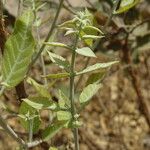
Withania somnifera
Ashwagandha · Winter-cherry · Withania · Rennet · Poisonous gooseberry
Description
Source: leafsnapWithania somnifera, commonly known as Ashwagandha, is a medicinal plant that belongs to the Solanaceae family. It is native to India, Pakistan, and Sri Lanka, where it has been used for centuries in Ayurvedic medicine due to its numerous health benefits. The plant can grow up to 1.5 meters in height and produces small green flowers that develop into orange-red berries. The roots of the Ashwagandha plant contain a variety of bioactive compounds, including alkaloids, steroidal lactones (withanolides), flavonoids, and saponins, which are responsible for its medicinal properties. These compounds have been shown to exhibit anti-inflammatory, anti-cancer, anti-stress, and immunomodulatory effects. Ashwagandha is commonly used as an adaptogen, which helps the body cope with stress by reducing cortisol levels. It also aids in improving cognitive function by enhancing memory retention and concentration. Additionally, Ashwagandha has been shown to improve physical performance by increasing endurance during exercise and reducing muscle damage caused by physical exertion. Overall, Withania somnifera or Ashwagandha is a highly valued medicinal herb with numerous health benefits. It can be incorporated into one's daily routine through supplements or herbal teas made from its roots or leaves.
Care Guide
💧 Water Every 7 days
Ashwagandha is well-suited to arid conditions and is highly drought-tolerant. It thrives in dry soil, so it's best to water it every 2-3 weeks, allowing the soil to dry out completely between waterings. However, during its active growing season, ashwagandha may require more frequent watering to support its development.
How should I water my Ashwagandha plant in the best way?
To promote excellent root development in your plants, it's best to use a garden hose positioned at the base of the plant. Avoid spraying the leaves directly, as this can cause issues. If your plants are located outdoors and exposed to direct sunlight, the leaves will require more watering. To moisten the roots effectively, consider using bubblers for each plant. Soaker hoses are also beneficial, especially when adding or removing plants, as they help the roots go deeper into the soil. After watering, make sure to drain any excess water and wait for the soil to dry before watering again. It's important to water at ground level to prevent plant diseases. On sunny days, it can be helpful to spray the entire bush with water. Whether your Ashwagandha plant is potted or in the ground, remember that deep watering is preferred over light sprinkling.
What do I do if I give Ashwagandha too much or too little water?
An overwatered Ashwagandha can have yellow leaves that fall off and wilt. The plant may also appear dull and unhealthy, with mushy stems. When these signs begin to show, it's best to adjust your watering schedule. Wilting can also indicate under watering, in which case the leaves will become crispy and dry. If the soil is dry and watering alone is not enough, give it a thorough watering. Sufficient water will help the Ashwagandha recover, but the plant may still have dry and yellow leaves for a few days due to damaged roots. Once the plant returns to normal, the yellowing of leaves will cease. When growing Ashwagandha indoors, always check the moisture levels in the pot and avoid overwatering. If there are black spots present, let the soil dry out by refraining from watering for a few days. Overwatering can lead to root rot, so if you notice discolored and slimy roots, consider transferring the plant to a different pot. It's important to prevent root rot by avoiding excessively soggy soil. When planting Ashwagandha outdoors, make sure to dig a little deeper. If the soil feels too dry when checked with your fingers, it may be a sign of underwatering. Adequate watering is necessary for the plant to recover.
How often should I give water to my Ashwagandha plant?
The Ashwagandha plant prefers deep and infrequent watering, especially when grown in pots. Since pots have limited water storage, the soil tends to dry out faster. In colder regions, watering is needed every 3 to 5 days. It is recommended to water the plant early in the morning when the soil is dry, both indoors and outdoors. You can also check the soil moisture by feeling the top 2-3 inches of soil. If it feels dry, it's time to give the plant a thorough watering. During hot days, it's important to check the soil's moisture daily, as the heat can quickly dry out the soil in the pot. If you have a garden, irrigation is necessary. In hot climates, watering once a week is sufficient. Only water when you notice that about 2 to 3 inches of soil have become too dry, whether inside or outside. Take into account the amount of rainwater the plant receives and avoid adding to it to prevent root rot. If there is abundant rainfall, additional watering may not be necessary. Ashwagandha plants typically grow during spring and fall. When grown outdoors, adding a 3 to 4-inch layer of mulch can help conserve water. Sandy soil drains faster, so plants grown in it should be watered more frequently. On the other hand, clay soil requires less frequent watering, and the plant can be allowed to dry for 2-3 days without risking root rot. Keeping track of the watering schedule on a calendar is a good idea. If you notice the leaves starting to droop, it might be an indication that you need to water the plant sooner.
How much water should I give to my Ashwagandha?
The Ashwagandha plant needs about a gallon of water on a regular basis. For potted plants, water them deeply until you see water dripping from the bottom of the pot. Wait for the soil to dry before watering again. You can use a water calculator or a moisture meter to determine how much water you've given the plant in a week. During the flowering period, provide plenty of water but allow the moisture to evaporate to prevent root rot. If the Ashwagandha plant is grown outdoors with sufficient rainfall, it may not need extra watering. When the plant is young or newly planted, make sure it receives 1-2 inches of rain per week. As the plant matures, it can rely on rainfall alone. Only water the plant fully during cooler moments of the day if the weather is too hot or if there has been no rainfall for 2-3 weeks, to prevent heat damage. Additional watering will be necessary during extended dry periods.
Should I change how often I water my Ashwagandha plant depending on the time of year or the weather conditions?
To ensure the healthy growth of Ashwagandha plants, it is important to provide the right amount of water depending on the season. During spring and fall, the soil should be kept moist but not overly soaked. Alternating between dry and moist conditions will promote optimal growth. In the summer, hot weather may cause water to evaporate quickly, so regular watering may be needed, especially if there is little rainfall. During winter, Ashwagandha plants require less water as they go dormant and lose their leaves. Utilizing a soil mixture that allows for proper draining but retains some moisture, such as terracotta, can help in this stage. Once the plant begins to leaf out and go dormant, watering can be skipped, as they can rely on fall and winter rains. However, when the temperature warms up in the spring, watering can be resumed to promote growth and blooming. Adequate drainage is crucial for Ashwagandha plants to prevent issues like ponding or drought. If the plants are in pots, they have limited root growth, so it is important to keep them well-watered, especially during the summer. Shallow sprinkles should be avoided as they can encourage fungal growth and do not reach the roots effectively. It is best to water deeply at least once or twice a week, depending on the weather. Even during the fall and winter when the plants are dormant, they should not be allowed to dry out completely. However, excessive water should be avoided, as the plants do not tolerate sitting in water for prolonged periods. Applying mulch can help reduce stress, conserve water, and promote healthy blooms.
☀️ Light Full sun
Ashwagandha needs plentiful sunlight; its health and ability to grow well at every stage depend on ample light. Native to regions with abundant sunshine, the plant does best under those conditions. Reduced light can potentially affect its development, while too much exposure may lead to scorching.
What are the sunlight requirements for Ashwagandha?
Ashwagandha requires full sun exposure, which means it needs above 6 hours of sunlight daily to thrive. It's essential to observe how sunlight moves through your garden to choose spots that offer a perfect balance of light and shade, ensuring the plants' well-being. This plant originates from environments with abundant sunlight and thrives under such conditions. However, too much exposure can lead to scorching, while insufficient sunlight may affect its growth.
Can artificial lighting be used for Ashwagandha, and how?
Yes, artificial lighting can be a vital solution for Ashwagandha, especially when natural sunlight is insufficient, like in winter or less sunny spaces. For optimal growth, indoor plants may require artificial lights like LED, which can be customized to provide specific wavelengths needed by the plants. Full sun plants need 30-50W/sq ft, partial sun plants need 20-30W/sq ft, and full shade plants need 10-20W/sq ft of artificial light. The light source should be placed 12-36 inches above the plant, mimicking natural sunlight, and the duration should mimic natural daylight hours, usually 8-12 hours per day.
What are the symptoms of insufficient light in Ashwagandha?
Ashwagandha exhibits several symptoms when exposed to insufficient light, such as smaller new leaves, leggy or sparse growth, faster leaf drop, slower or no new growth, lighter-colored new leaves, and symptoms of excessive light include chlorosis, sunscald, leaf curling, wilting, and leaf scorching. These symptoms indicate a plant struggling with light conditions, either needing more sunlight or suffering from overexposure.
How do you address light-related issues in Ashwagandha?
To address light-related issues in Ashwagandha, you can move plants to a sunnier location gradually, ensuring at least 6 hours of direct sunlight daily. For indoor plants not easily moved, consider using a desk or ceiling lamp for at least 8 hours daily, or invest in professional plant grow lights. Outdoor plants should be moved to the best sunlight spot gradually to prevent sunburn. Minimize obstructions by pruning blocking trees or transplanting smaller plants to areas with ample sunlight and good drainage. Note that parts of the plant affected by insufficient sunlight might not recover, but new growth will be healthy after increasing light exposure.
🌡️ Temperature 20–37.8°C
Ashwagandha is native to areas with moderate climates, ideally where temperatures range from 68 to 100.4 °F (20 to 38 ℃). It grows best when that temperature range is kept steady. When seasons change, try to replicate the plant’s natural conditions by adjusting the room temperature as needed to encourage growth.
What are the ideal growing conditions for Ashwagandha?
Ashwagandha thrives in moderate climates with temperatures ranging between 68 to 100.4 °F (20 to 38 °C). It prefers consistent temperature ranges and can be negatively affected by cold temperatures. To promote growth, it's recommended to mimic the plant's natural environment, especially during seasonal shifts, by adjusting the room temperature accordingly. During autumn, it's advisable to move outdoor-grown Ashwagandha plants indoors, placing them near a bright window but at a distance from heaters to avoid damage. Keeping the temperature above 20°C during winter supports the plant's growth, while temperatures nearing 5°C can be detrimental.
How does low temperature affect Ashwagandha, and what are the solutions?
Ashwagandha is not tolerant of low temperatures and thrives best when the temperature remains above 20°C. During winter, ensuring the temperature stays above 5°C is crucial. Exposure to temperatures below 1°C can cause the leaves to lighten in color, and after frost damage, they may turn brown or black, showing symptoms like wilting and drooping. To mitigate frost damage, trim off the damaged parts and move the plant indoors to a warm environment. Placing the plant near a south-facing window can ensure it receives ample sunlight, and it's important to avoid placing it near heaters or air conditioning vents to prevent air dryness.
How does high temperature affect Ashwagandha, and what steps should be taken?
During summer, it's important to keep Ashwagandha below 38°C to prevent stress from high temperatures. When the temperature exceeds 43°C, the leaves may lighten in color, and the plant becomes susceptible to sunburn. To address sunburn, trim away the damaged parts and relocate the plant to a shadier spot, particularly to avoid midday and afternoon sun. Watering the plant in the morning and evening can help keep the soil moist, further protecting the plant from heat stress.
💨 Humidity
🪴 Soil 5-7
🌱 Fertilizer
🪴 Pot & Repot
✂️ Pruning
Ashwagandha is a resilient perennial plant known for its medicinal benefits. To maintain its health, it's important to prune it between early and late spring. During this time, focus on removing dead branches and thinning out any overgrown areas to enhance airflow and light penetration. Making clean cuts will help promote the plant's health and vitality, resulting in strong growth and plentiful flowering.
🌿 Propagating
🐛 Diseases & pets
☠️ Toxicity
This shrub may be toxic for pets, including cats and dogs, and even for some humans. Hence it's always better to avoid eating, chewing or swallowing any part of this shrub.
Characteristics
- Plant Type
- Herb
- Life Cycle
- Annual, Perennial
- Genus
- Withania
- Family
- Solanaceae
- Hardiness Zone
- 10-12
- Mature Height
- 1.22 m
- Mature Spread
- 91 cm
- Leaf Color
- Dark Green, Olive Drab
- Leaf Type
- Deciduous
- Flower Color
- Yellow, Green
- Flower Size
- 2.54 cm
- Bloom Time
- Summer, Early fall, Mid fall
- Planting Time
- Spring, Autumn
- Harvest Time
- Late summer, Fall, Early winter
- Native Area
- The Middle East, parts of Africa and Asia