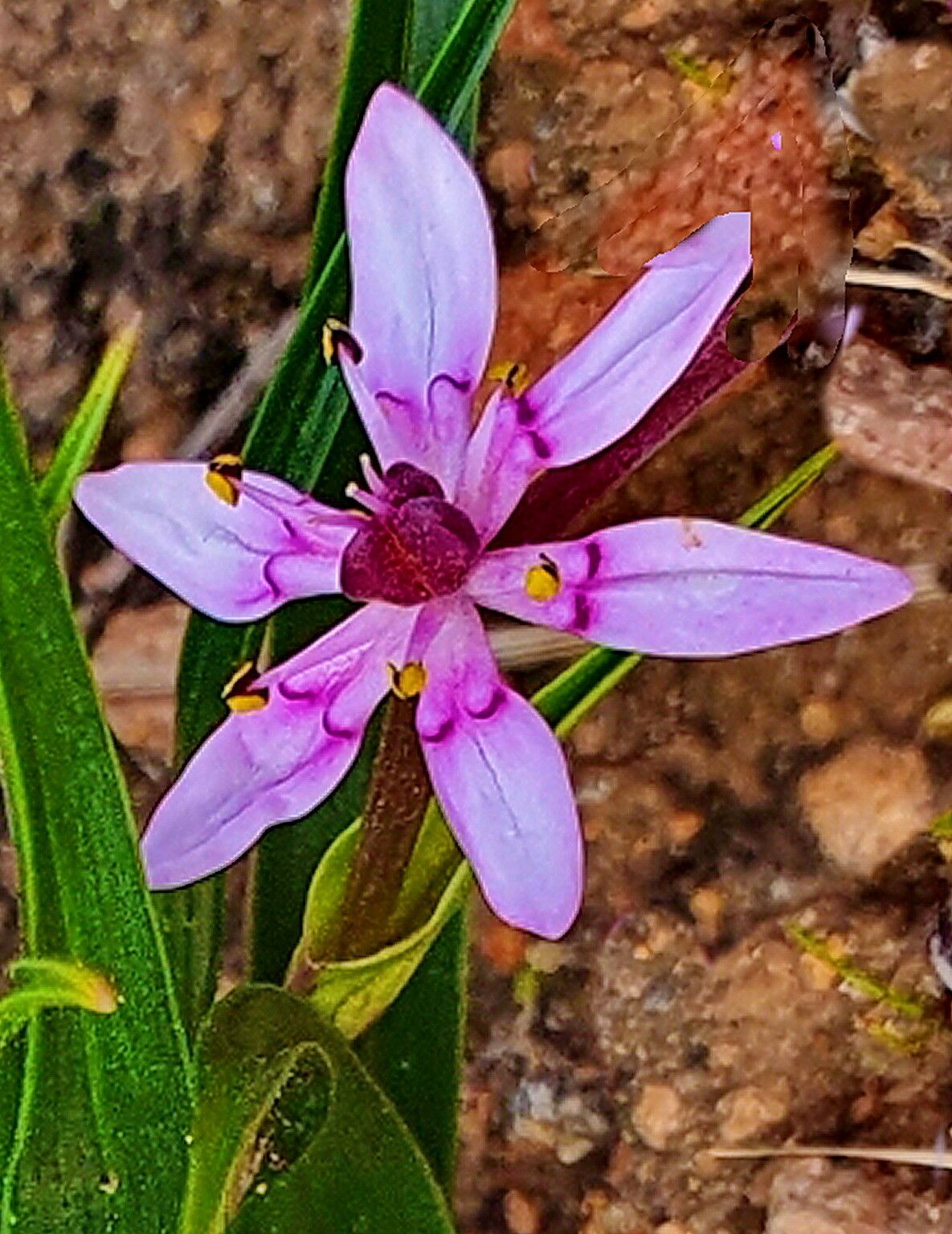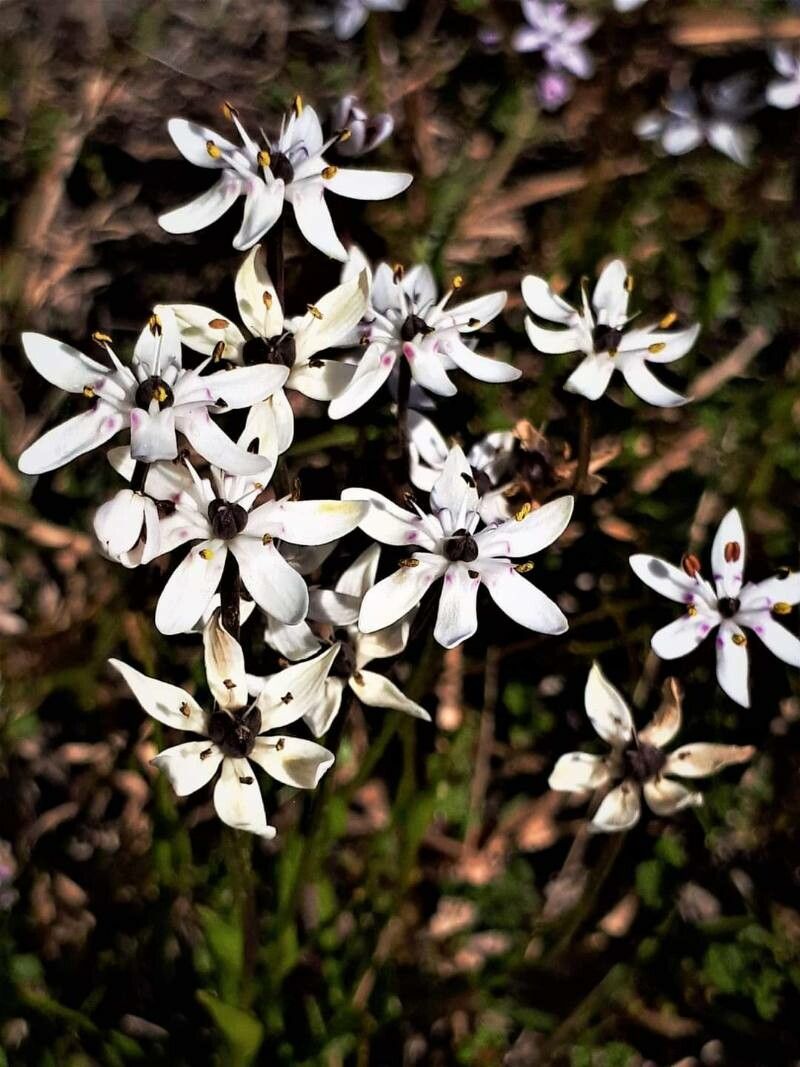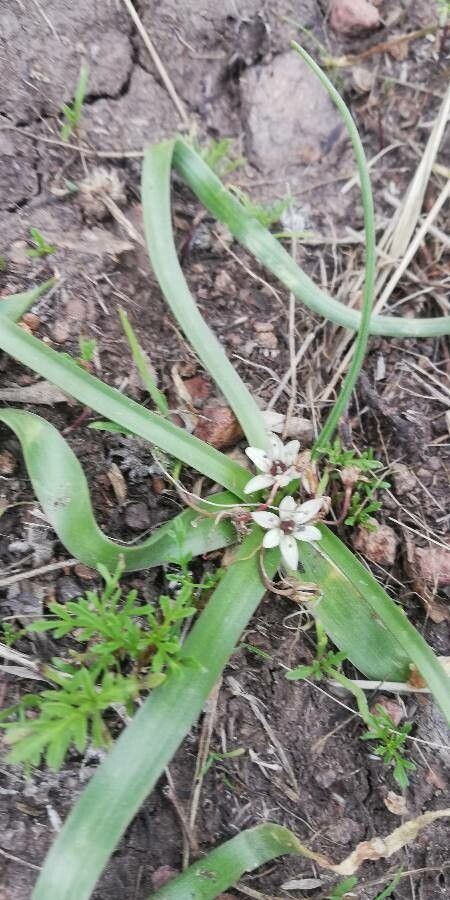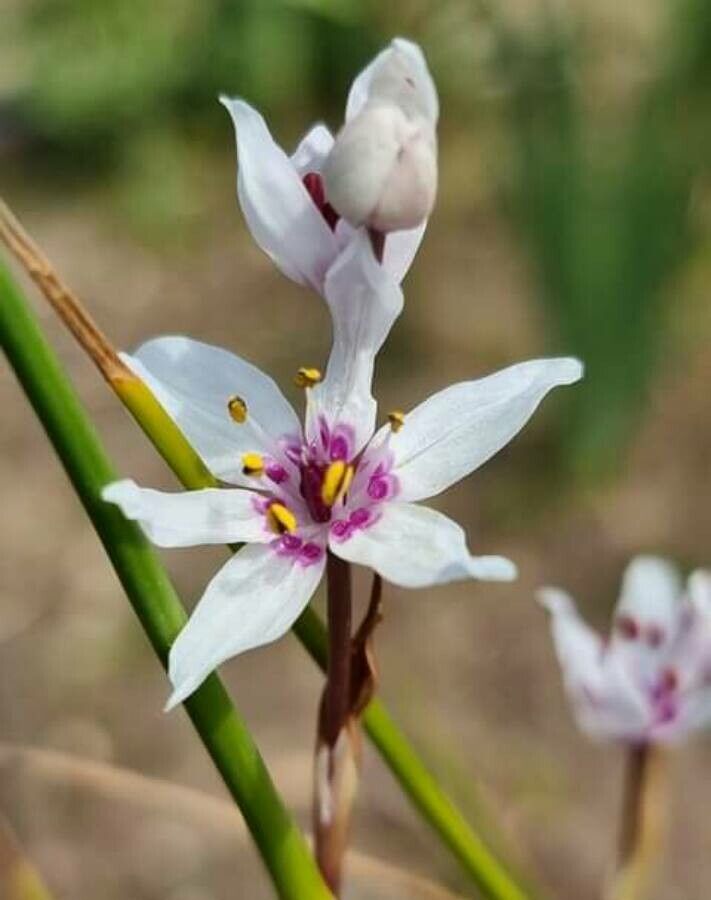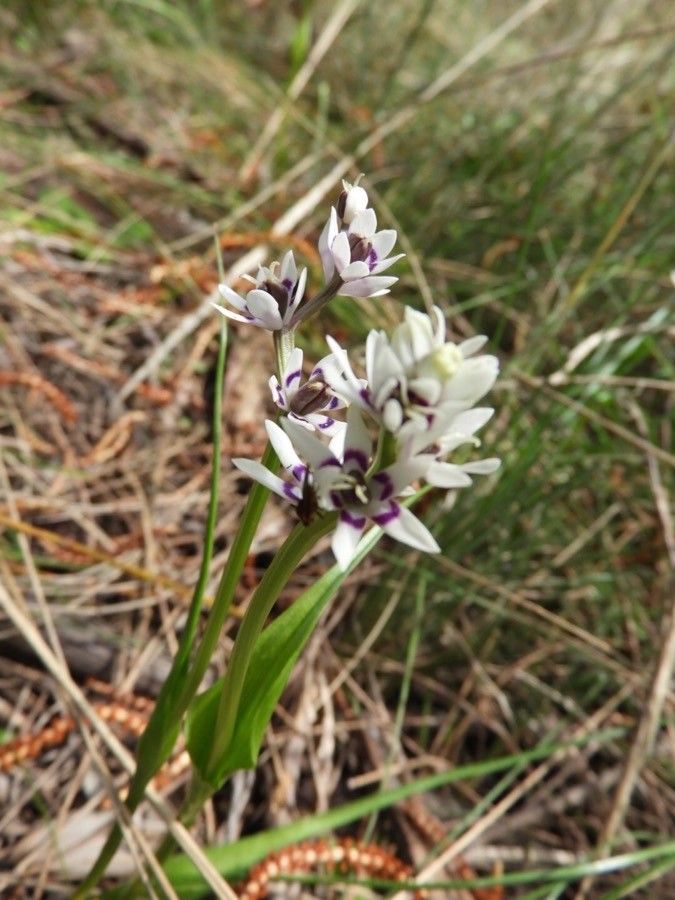
Wurmbea dioica, commonly known as early Nancy, is a species of plant in the family Colchicaceae and is endemic to Australia. It is a herb with three linear to thread-like leaves and usually two to seven white flowers with a purple or greenish nectary band.
Early nancy has strong resistance to disease and is generally unlikely to develop illnesses. However, it can be vulnerable to pests and to diseases present in its surroundings. These problems are usually not serious. For care, this plant requires moderate maintenance. It should be pruned regularly to keep a good appearance and healthy growth. Fertilizing can also encourage flowering. Early nancy is suitable for anyone with outdoor space, such as a garden or patio, and does not demand extensive gardening experience. It may need more attention when grown indoors.
How to keep Wurmbea Dioica.
Light
Early nancy is native to habitats such as forest understories or rocky areas, where it experiences natural shade. It prefers partial sun but can adapt to full sun or full shade, demonstrating its hardy and adaptable nature.
Temperature
Early nancy can tolerate a wide range of temperature conditions, though its distribution may still be restricted by different combinations of water and heat. It performs best in warm summer climates with sufficient rainfall or regular watering. Extended periods of cloudy, rainy weather or prolonged high temperatures can increase the probability of Early nancy dying. In winter, adequate protection from the cold can raise the plant's survival rate.
Fertilizer
For Early nancy, the best time to fertilize is in early spring while the flowers are developing. The proper fertilizer promotes stronger blooms and helps Early nancy produce attractive flowers. Fertilizing in early spring guarantees excellent flowers through the season and supplies energy for dormant growth stages.
Pruning
The early nancy plant boasts beautiful white or pink flowers and requires very little pruning. Ideally, any pruning should be done in early spring, right after the plant has finished blooming. Focus on trimming only the dead or damaged foliage to improve the plant's health and vigor. This approach encourages denser growth and more abundant blooms while preserving its natural shape.
Botanical profile.
- Plant Type
- Herb
- Life Cycle
- Perennial
- Genus
- Wurmbea
- Family
- Colchicaceae
- Hardiness Zone
- 8-11
- Mature Height
- 10 cm to 30 cm
- Mature Spread
- 5 cm to 10 cm
- Leaf Color
- Green
- Leaf Type
- Deciduous
- Flower Color
- White, Purple
- Flower Size
- 1.02 cm to 2.03 cm
- Bloom Time
- Early spring, Mid spring
- Planting Time
- Spring, Summer, Autumn
- Harvest Time
- Late spring, Early summer