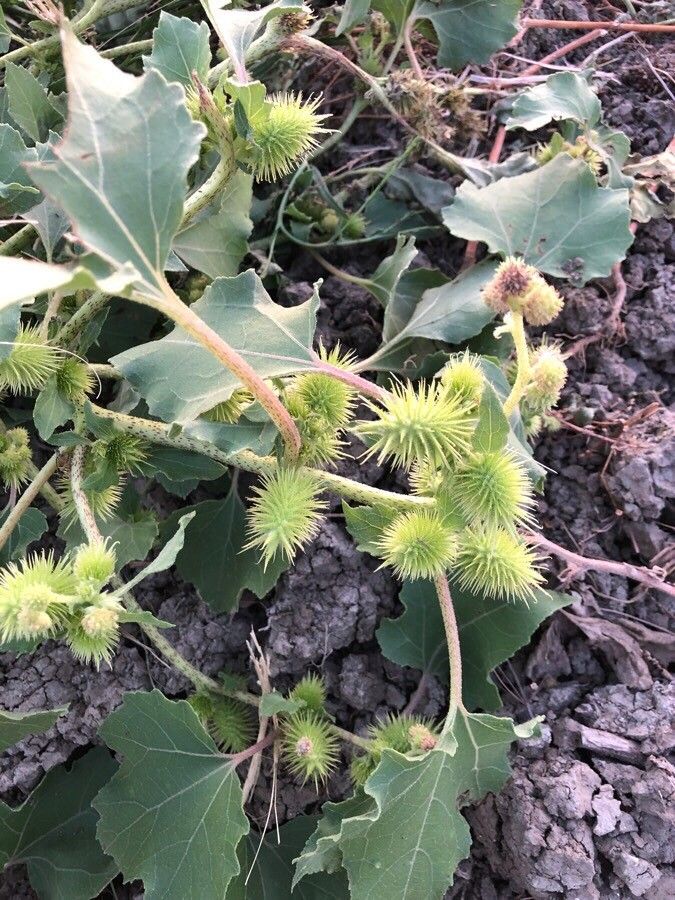
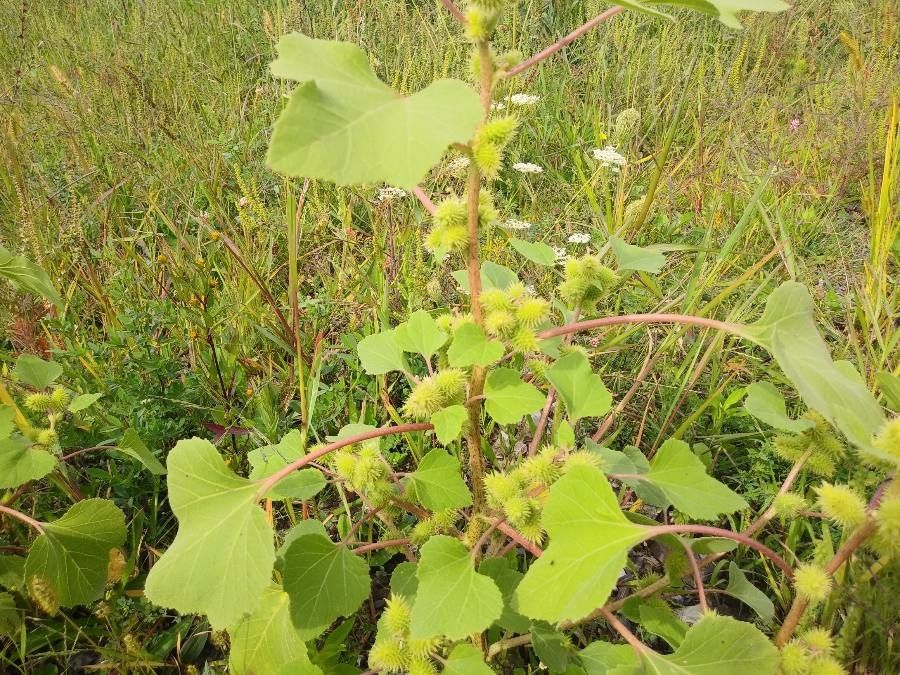
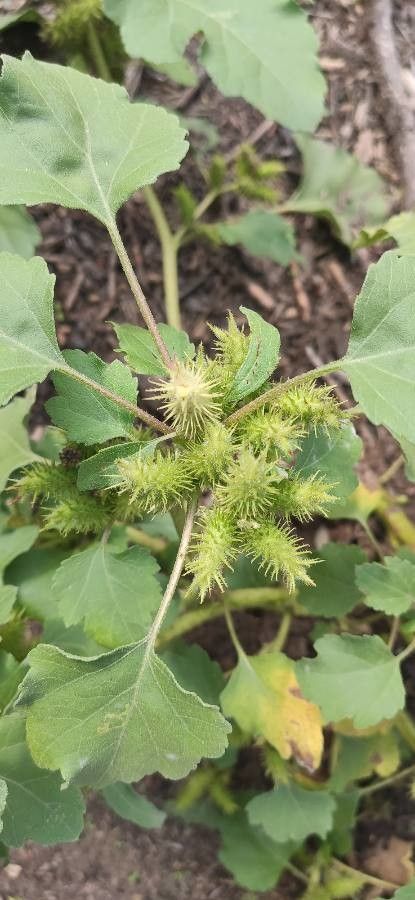
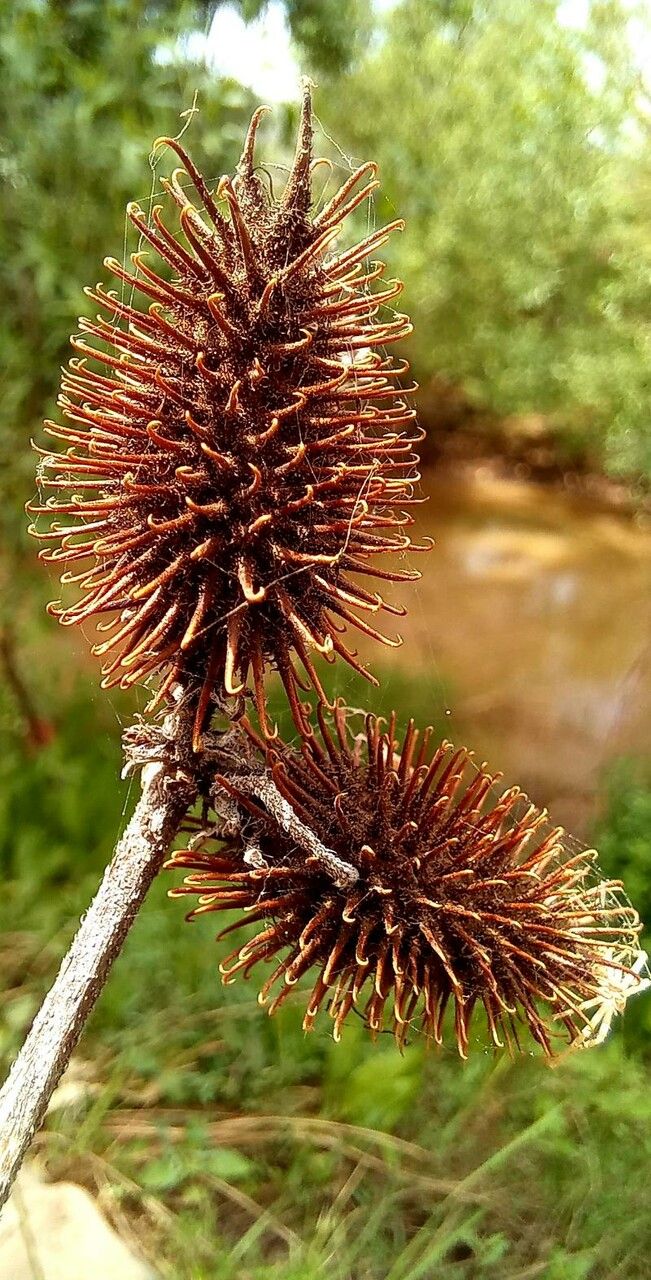
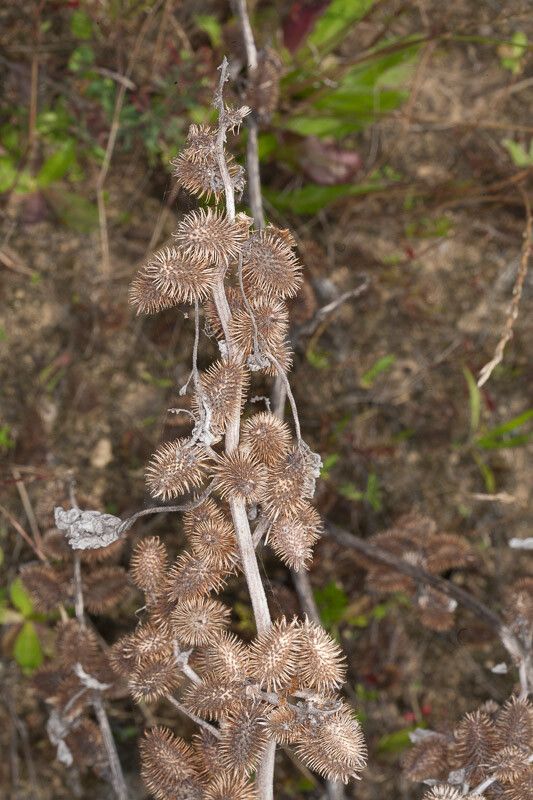
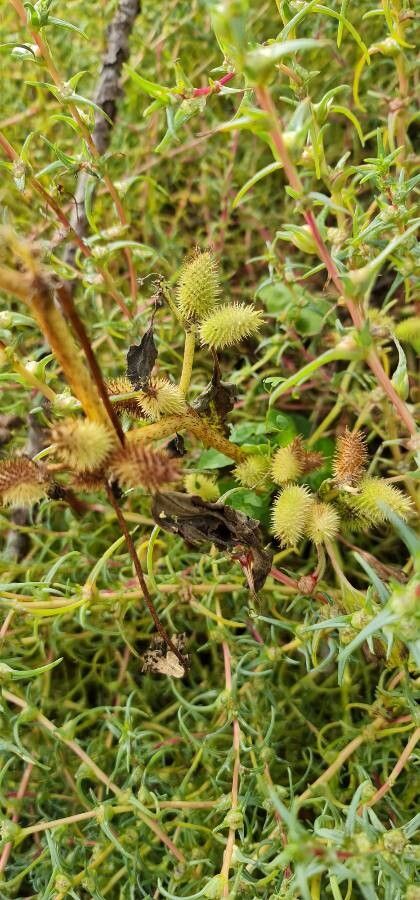
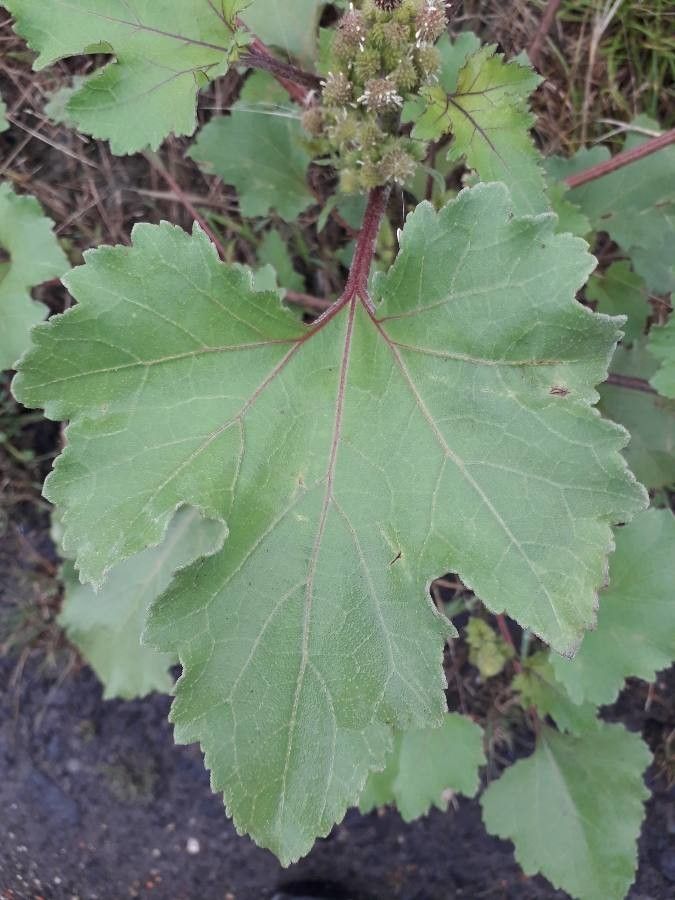
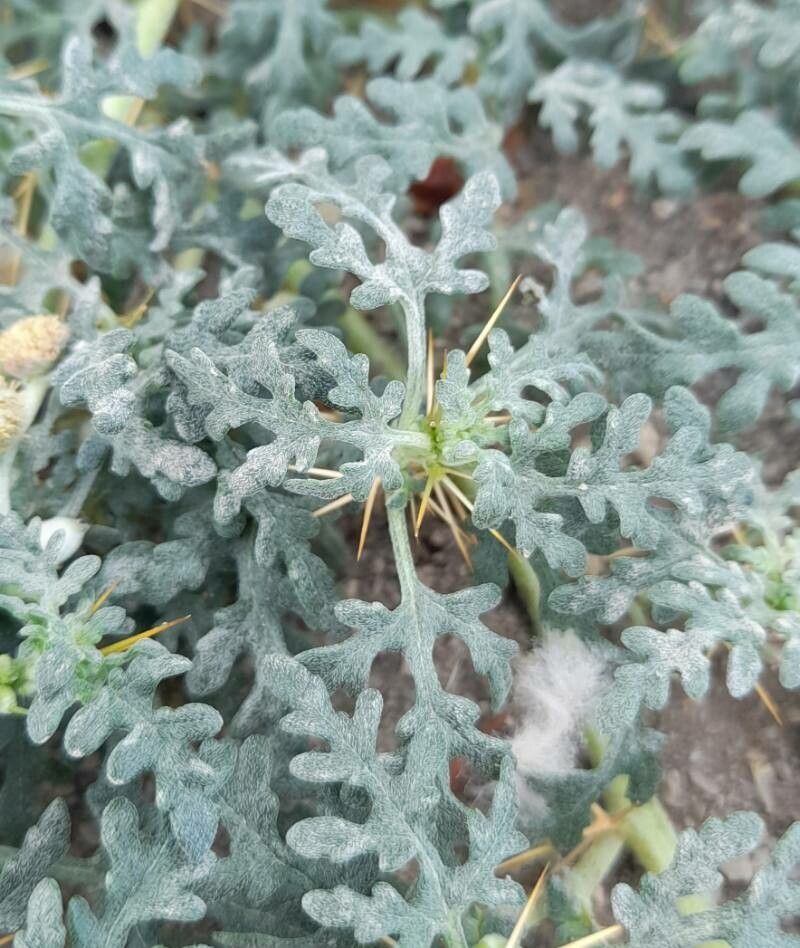
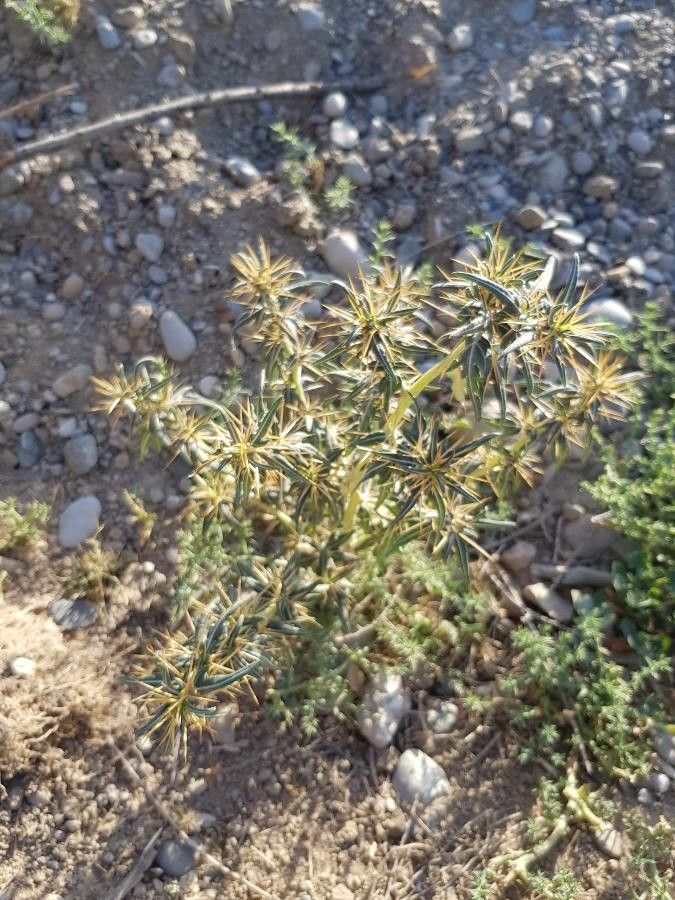
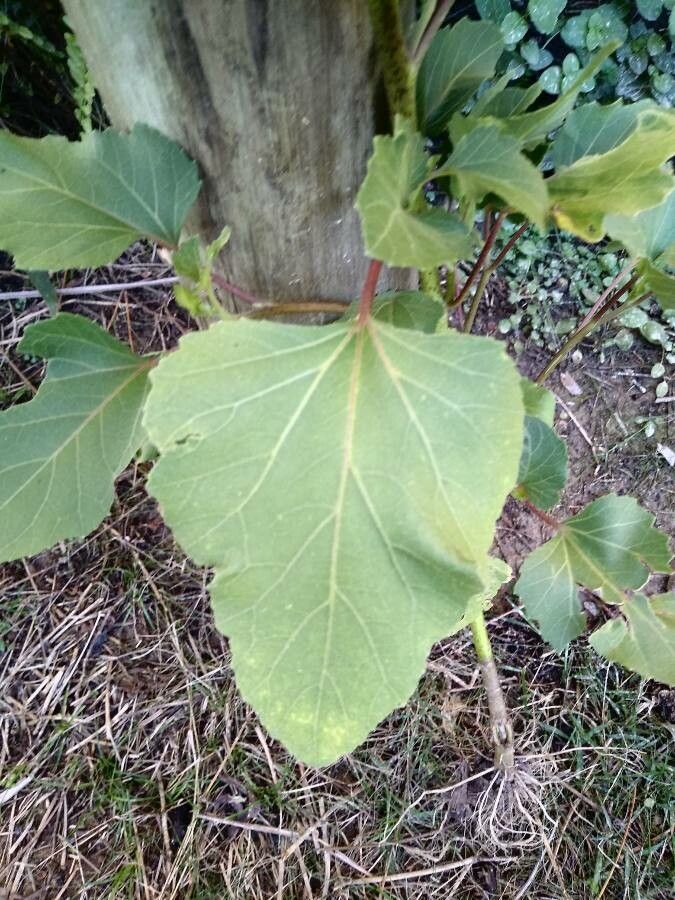
Xanthium orientale is a species of annual plant of the daisy family Asteraceae.
Common cocklebur has good disease resistance and is generally not prone to diseases. Still, it can be affected by pests and diseases present in its surroundings. These infections are usually not severe. Regarding care, the plant needs medium maintenance. It should be pruned regularly to preserve a neat appearance and healthy growth. Fertilizing can also aid in encouraging flowering. Common cocklebur is suitable for anyone with outdoor space, such as a garden or patio, and does not demand much care experience. It may require more attention when grown indoors.
How to keep Xanthium Orientale.
Light
Common cocklebur thrives with ample sunlight for a large portion of the day, though it can also withstand lower light levels. It comes from habitats where sunlight is plentiful. Too little sun can cause weak or stunted growth, while excessive sun exposure may lead to leaf scorch.
Water
The common cocklebur originates from dry regions and is known for its drought tolerance. It thrives best with a weekly watering schedule. When planted outdoors in full sunlight, it maximizes photosynthesis while efficiently conserving moisture. To support optimal growth and prevent root rot, gardeners should ensure the plant is in well-draining soil.
Temperature
Common cocklebur is native to areas with moderate warmth, preferably between 68 to 95 °F (20 to 35 ℃). When seasonal shifts are pronounced, adjust temperature accordingly to maintain optimal growth. Adjustments are needed in places where temperatures eventually differ.
Fertilizer
Common cocklebur benefits from regular, low-strength fertilizer applications to encourage healthy leaf development. You should feed Common cocklebur roughly once a month throughout the summer. Nitrogen is important for foliage, and providing nitrogen-rich supplements helps Common cocklebur prosper.
Botanical profile.
- Plant Type
- Herb
- Life Cycle
- Annual
- Genus
- Xanthium
- Family
- Asteraceae
- Hardiness Zone
- 6-9
- Mature Height
- 0.61 m to 1.22 m
- Mature Spread
- 40 cm
- Leaf Color
- Dark Green, Olive Drab
- Leaf Type
- Deciduous
- Flower Color
- Green
- Flower Size
- 2.54 cm to 10.16 cm
- Bloom Time
- Mid summer
- Planting Time
- Winter, Spring
- Harvest Time
- Mid summer
- Native Area
- Colombia, Mexico, Bolivia, Venezuela, Peru
Other names.
Reader questions.
How should I water my Common cocklebur?
To water the Common cocklebur plant, you have a few different options. You can use a garden hose with a spray nozzle, a watering can, or any other regular watering tool. The Common cocklebur isn't too particular about how it gets its water, whether it's from rainwater, tap water, or filtered water. It's generally best to avoid watering this plant from above because it can harm the leaves and flowers and potentially cause disease. Instead, setting up a drip irrigation system is usually the most effective way to water this plant. These systems distribute water evenly and directly to the soil. If you have a potted Common cocklebur, you can use a similar watering approach but with different tools. For container-grown plants, you can use a cup, watering can, or even just your tap to water it directly into the soil.
What are the sunlight requirements for Common Cocklebur?
Common Cocklebur requires generous exposure to sunlight for optimal growth, flourishing best with considerable sunlight exposure each day. It can originate from environments with abundant sunshine but also can endure lesser light availability. Full sun exposure means the plant should receive above 6 hours of sunlight, while partial sun refers to about 3-6 hours of sunlight. It's crucial to observe how sunlight moves through your garden to find spots that offer a balance of light and shade, ensuring your plants' health and happiness.
What is the ideal temperature range for the growth of Common cocklebur?
Common cocklebur flourishes in environments with moderate warmth, ideally between 68 to 95 °F (20 to 35 °C). It is vital to adjust the environmental temperature during marked seasonal changes to ensure the plant's optimal growth. Even though Common cocklebur has strong cold resistance and usually doesn't require special frost protection in winter, measures should be taken when temperatures are expected to drop significantly below the growth limit. This can include covering the plant with materials such as soil or straw for protection. Additionally, before the onset of the first freeze in autumn, it's recommended to water the plant thoroughly so that the soil remains moist and enters a frozen state, which helps prevent drought and water scarcity during the colder months.
What should I do if I give my Common cocklebur plant too much or too little water?
To remedy underwatering for your Common cocklebur, simply water it more regularly when you notice it lacking moisture. Be cautious of overwatering, as this can lead to more severe issues if not detected early. Overwatered plants are prone to diseases that can result in decline and death. To prevent this, choose a growing location with ample sunlight to dry the soil and good drainage to prevent pooling of excess water. If you have overwatered a potted Common cocklebur, consider transferring it to a new pot with better soil drainage and sufficient drainage holes. Repot it using loose soils and an efficiently draining pot.
What should you do if Common Cocklebur does not receive enough sunlight?
For Common Cocklebur, not receiving enough sunlight can lead to weak or stunted growth, while extreme sun exposure may cause leaf scorch. When natural sunlight is insufficient, especially in winter or in less sunny spaces, utilizing artificial lighting can be beneficial for indoor plants. It promotes faster, healthier growth. Choosing the right type of artificial light, like LED lights, is vital as they can be customized to provide specific wavelengths of light needed. For full sun plants, 30-50W/sq ft is recommended, partial sun plants need 20-30W/sq ft, and full shade plants require 10-20W/sq ft of artificial light. It's important to mimic the length of natural daylight hours, usually between 8-12 hours per day, and adjust the light source's distance to 12-36 inches above the plant.
How does low temperature affect Common cocklebur and what can be done?
Common cocklebur is resilient to cold temperatures and thrives best when the ambient temperature is maintained above its minimum suitable growth temperature. During winter, it is important to ensure the temperature stays above its tolerable growing minimum. If the temperature falls below the growth limit, the plant might not show noticeable changes immediately, but there could be a decrease in sprouting or even no sprouting at all come springtime. The recommended solution for dealing with parts of the plant that fail to sprout in spring is to simply remove them.
How often do I need to water my Common cocklebur?
Common cocklebur needs regular watering throughout the growing season. In the spring, you should water this plant about once per week. As the season progresses and temperatures rise, you may need to water it two to three times per week. However, be cautious not to exceed this frequency as it can harm the plant. Regardless of the watering rate, ensure that the soil remains relatively moist but not wet for your Common cocklebur. Watering a Common cocklebur in a pot is a bit different. Generally, you will need to water it more frequently than an in-ground plant because the soil in a pot can heat up and dry out faster. In most cases, aim to water a container-grown Common cocklebur a few times per week rather than just once per week for a plant in the ground.
What are the symptoms of inadequate sunlight exposure in Common Cocklebur?
Common Cocklebur shows several symptoms when it does not receive adequate sunlight, including small leaves, leggy or sparse growth, faster leaf drop, slower or no new growth, lighter-colored new leaves, chlorosis, sunscald, leaf curling, wilting, and leaf scorching. These symptoms can indicate the plant is struggling due to a lack of sunlight or excessive sunlight exposure, affecting its ability to photosynthesize and maintain overall health.
What are the effects of high temperature on Common cocklebur and how can they be mitigated?
During the summer months, it’s key to keep the temperature below Common cocklebur's maximum suitable growth threshold. Exceeding its maximum tolerable growing temperature can lead to the leaves becoming lighter in color, curling, becoming susceptible to sunburn, and in severe cases, the entire plant wilting and drying up. To mitigate these effects, trim away the sunburned and dried-up parts of the plant. Relocating the plant to an area with shade during the midday and afternoon or using a shade cloth can provide necessary protection. Additionally, watering the plant in the morning and evening can help keep the soil adequately moist and reduce temperature stress.
How much water does my Common cocklebur plant need?
To determine how much water to give your Common cocklebur, there are a few methods you can use. Some gardeners prefer to gauge moisture levels by feeling the soil. In this approach, you should water until the top six inches of soil feel moist. Another option is to use a specific measurement. Generally, providing around two gallons of water per week should suffice, adjusting for factors such as temperature and soil dryness. However, be cautious of overwatering if your plant requires less than two gallons. When growing Common cocklebur in a container, a different method is needed. You should water enough to moisten all dried soil layers, which can be checked by inserting your finger into the soil. Additionally, water until you observe a small amount of excess water draining from the pot's holes.
What solutions are available for Common Cocklebur suffering from poor lighting conditions?
To remedy poor lighting conditions for Common Cocklebur, gradually acclimatize your plants to sunlight by moving them weekly to sunnier spots until they receive at least 6 hours of direct sunlight daily. For indoor plants, using south-facing windows for maximum sunlight exposure or artificial lights such as desk lamps or professional grow lights for at least 8 hours daily can help. For outdoor plants, moving them to the best sunlight spots carefully to avoid shock is key. If sunlight is blocked by obstructions like trees, consider pruning to allow more light. When transplanting smaller plants, do so during their dormant period with ample sunlight and good drainage. Note that parts of the plant affected by insufficient sunlight might not recover, but new growth will be healthy.
How can I know if I'm giving enough water to my Common cocklebur?
Avoiding overwatering your Common cocklebur can be challenging due to its deep root system, which requires weekly soil moistening. However, Common cocklebur is highly prone to root rot and browning if overwatered. Underwatering is less of a concern as these plants can survive without supplemental watering for a while. However, prolonged lack of water can cause wilting and dry leaves.