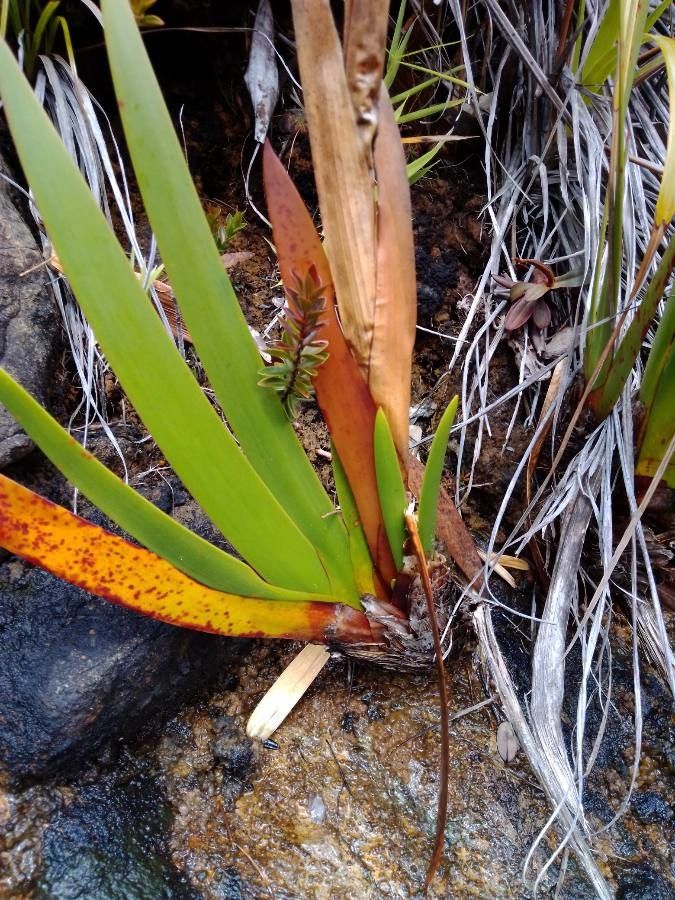
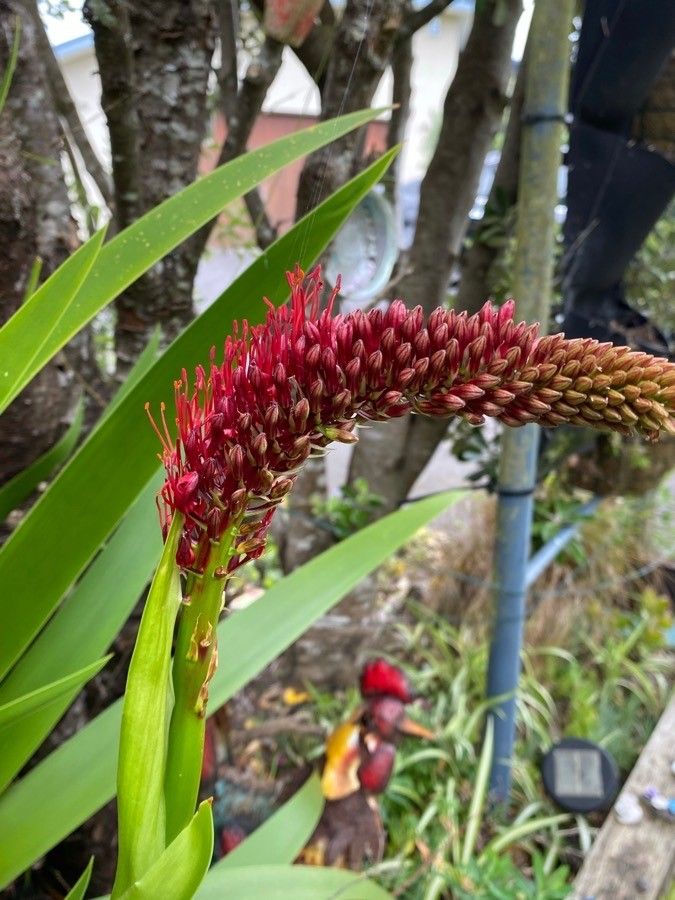
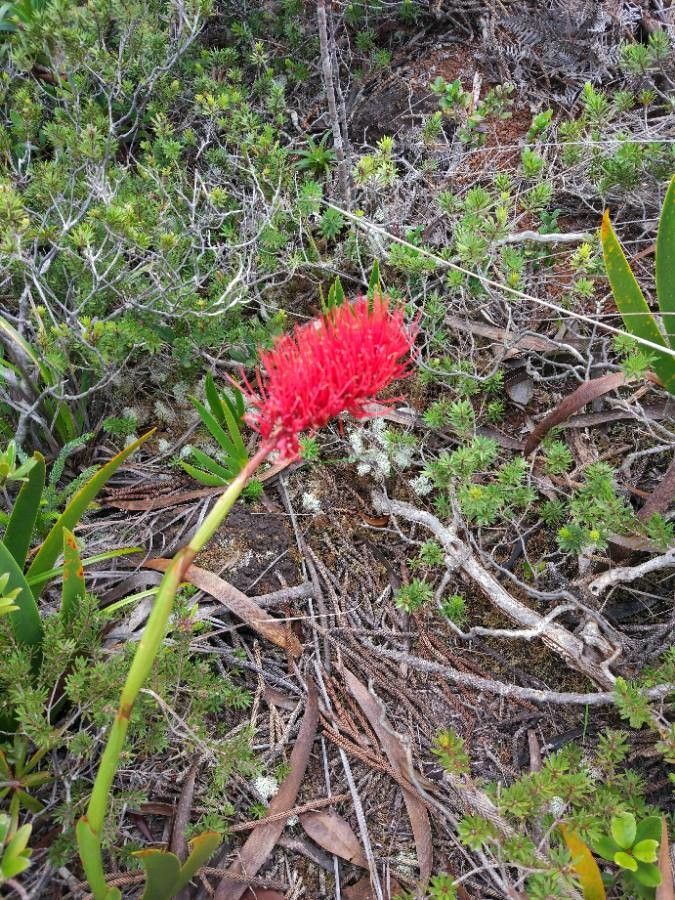
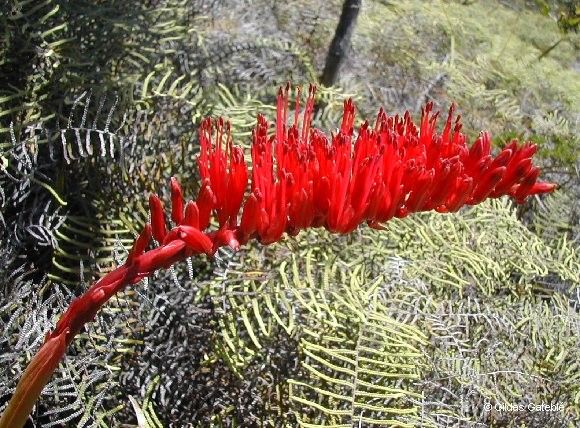
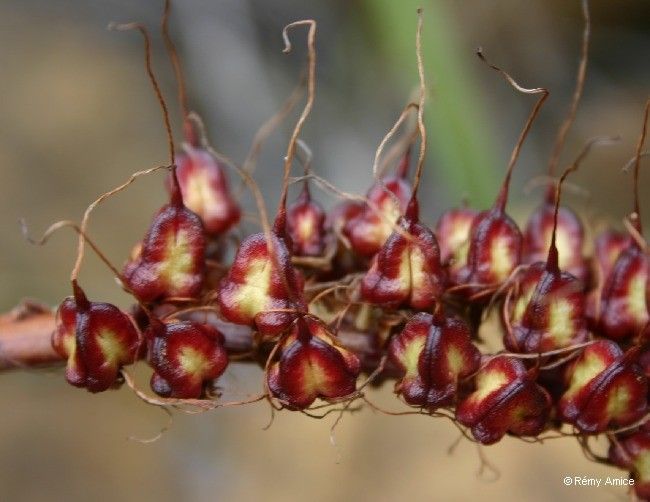
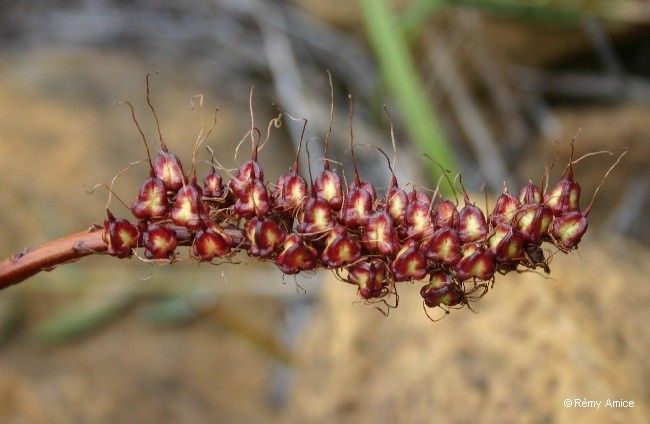
The New Caledonia bottlebrush lily is fairly disease-resistant and typically not prone to illness. Nonetheless, it can be affected by pests and diseases present in its surroundings. Such infections are generally mild. In terms of care, the plant requires moderate maintenance. It should be pruned regularly to maintain a pleasing appearance and healthy growth. Fertilizing can also help encourage flowering. The New Caledonia bottlebrush lily is suitable for anyone with outdoor space, such as a garden or patio, and does not demand extensive care experience. It may need more attention when cultivated indoors.
How to keep Xeronema Moorei.
Temperature
The New Caledonia bottlebrush lily is quite adaptable to temperature, able to withstand high heat and considerable temperature fluctuations. In hot weather, attention should be paid to watering and appropriate shading provided to prevent sunburn. However, the New Caledonia bottlebrush lily is relatively sensitive to cold. While it can tolerate a certain amount of cold, excessively low temperatures can result in frost damage.
Fertilizer
A single fertilizer application in spring is usually enough for the New Caledonia bottlebrush lily, though multiple feedings can maximize growth. Feed once every one to one and a half months. Fertilizing improves the leaves’ appearance and function, helping maintain even color and a healthy texture. It also encourages root development and nutrient uptake for long-term plant health.
Botanical profile.
- Plant Type
- Herb
- Life Cycle
- Perennial
- Genus
- Xeronema
- Family
- Xeronemataceae
Other names.