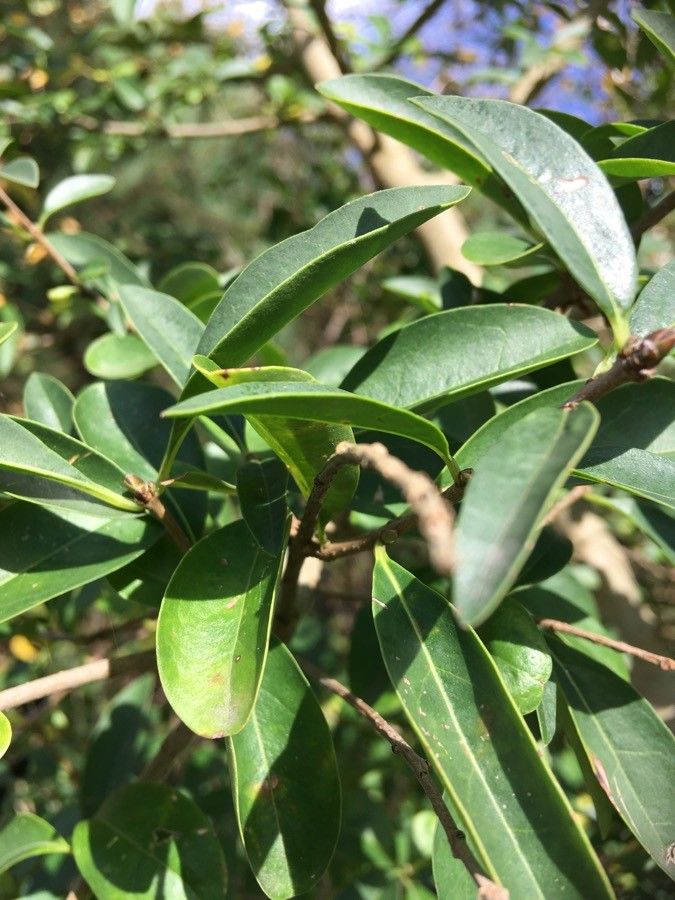
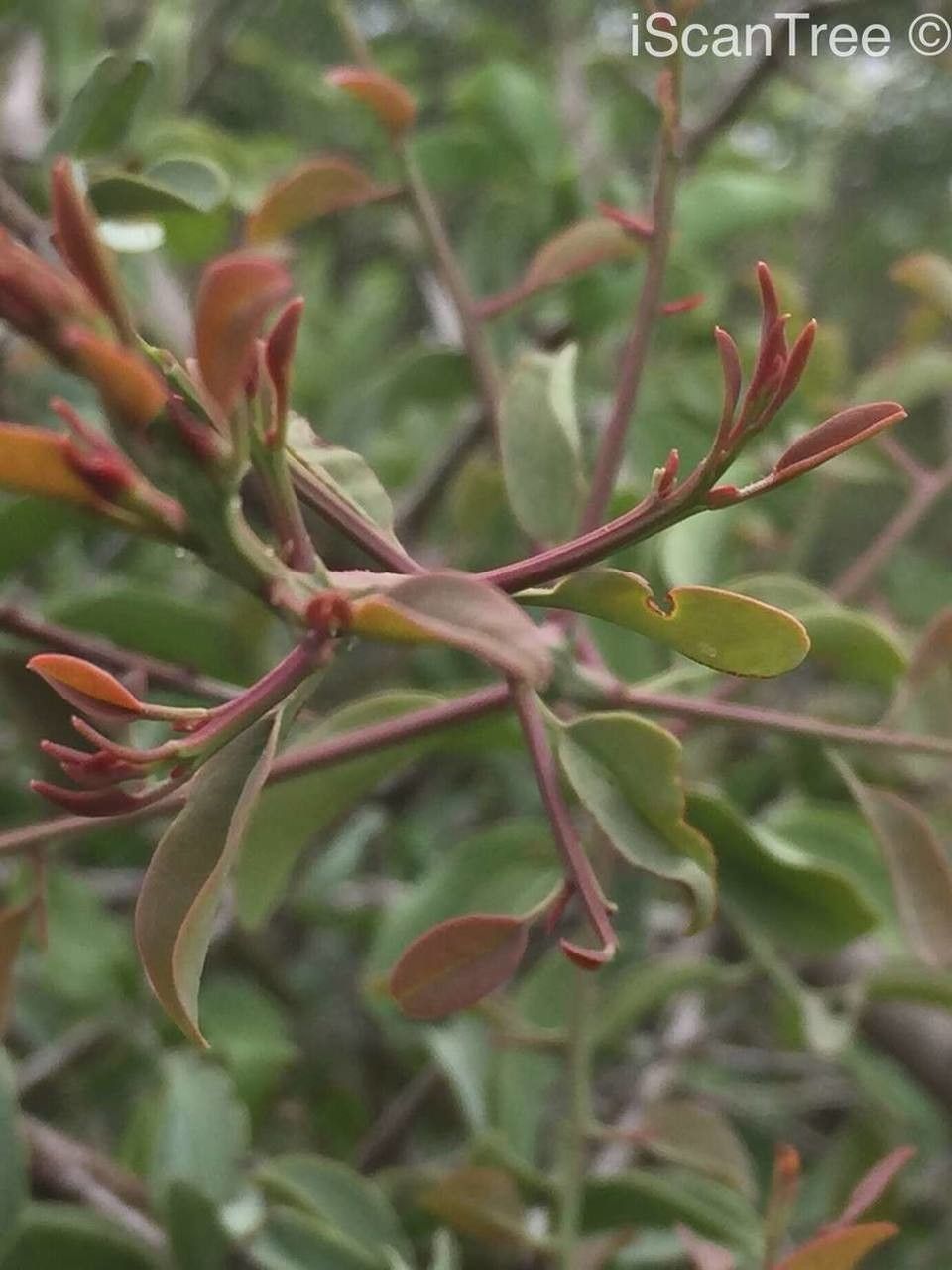
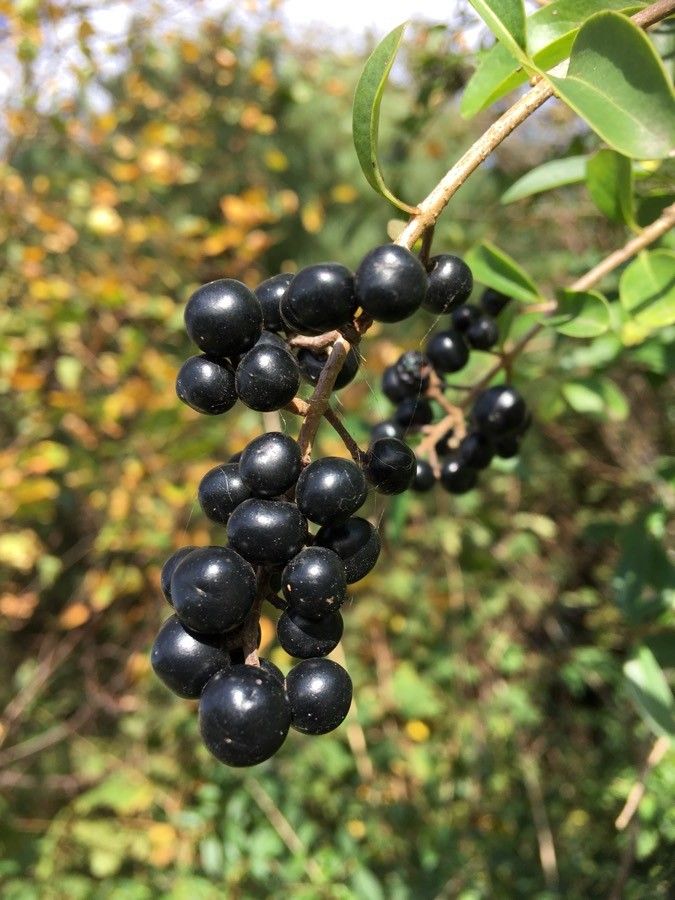
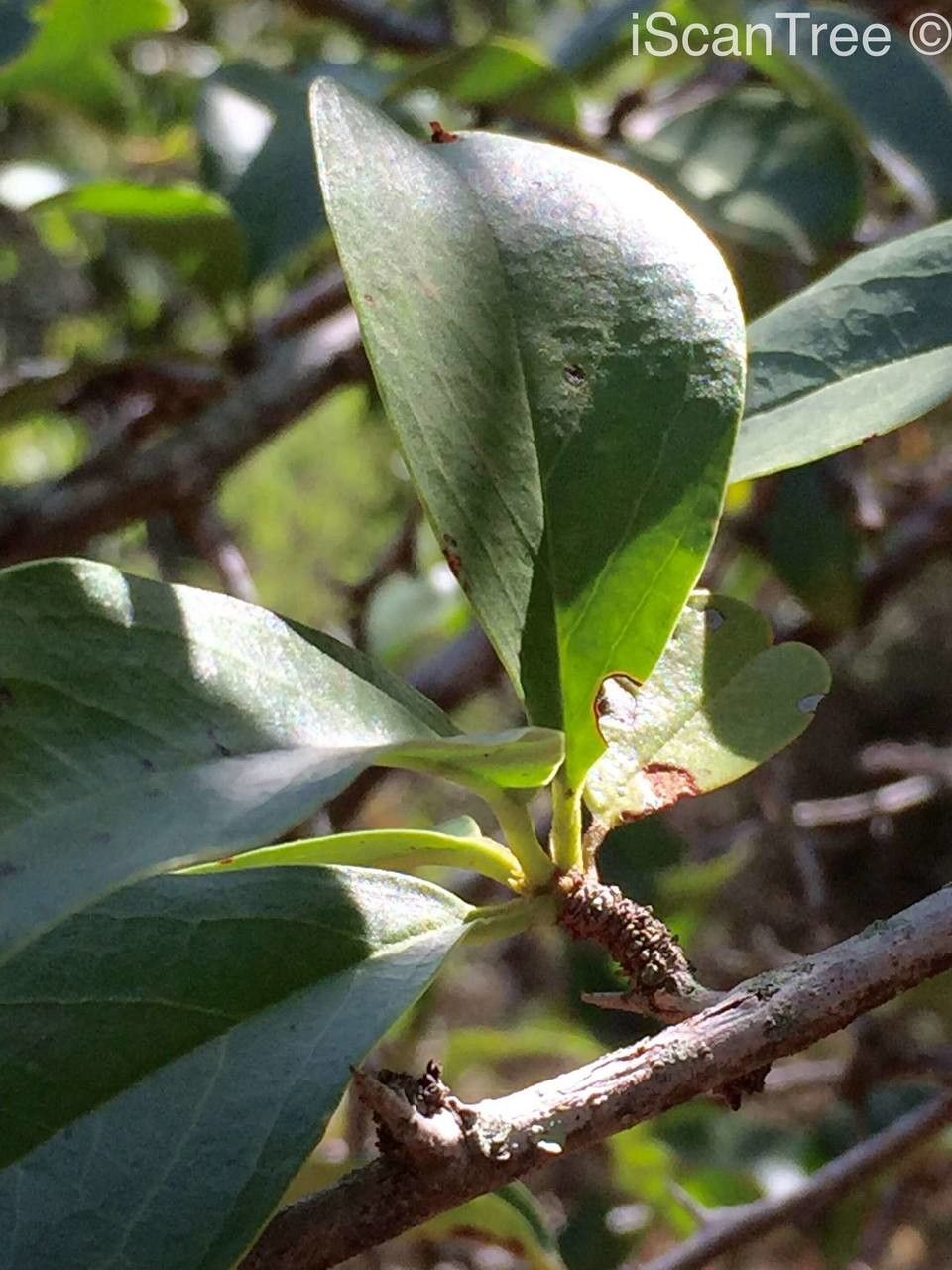
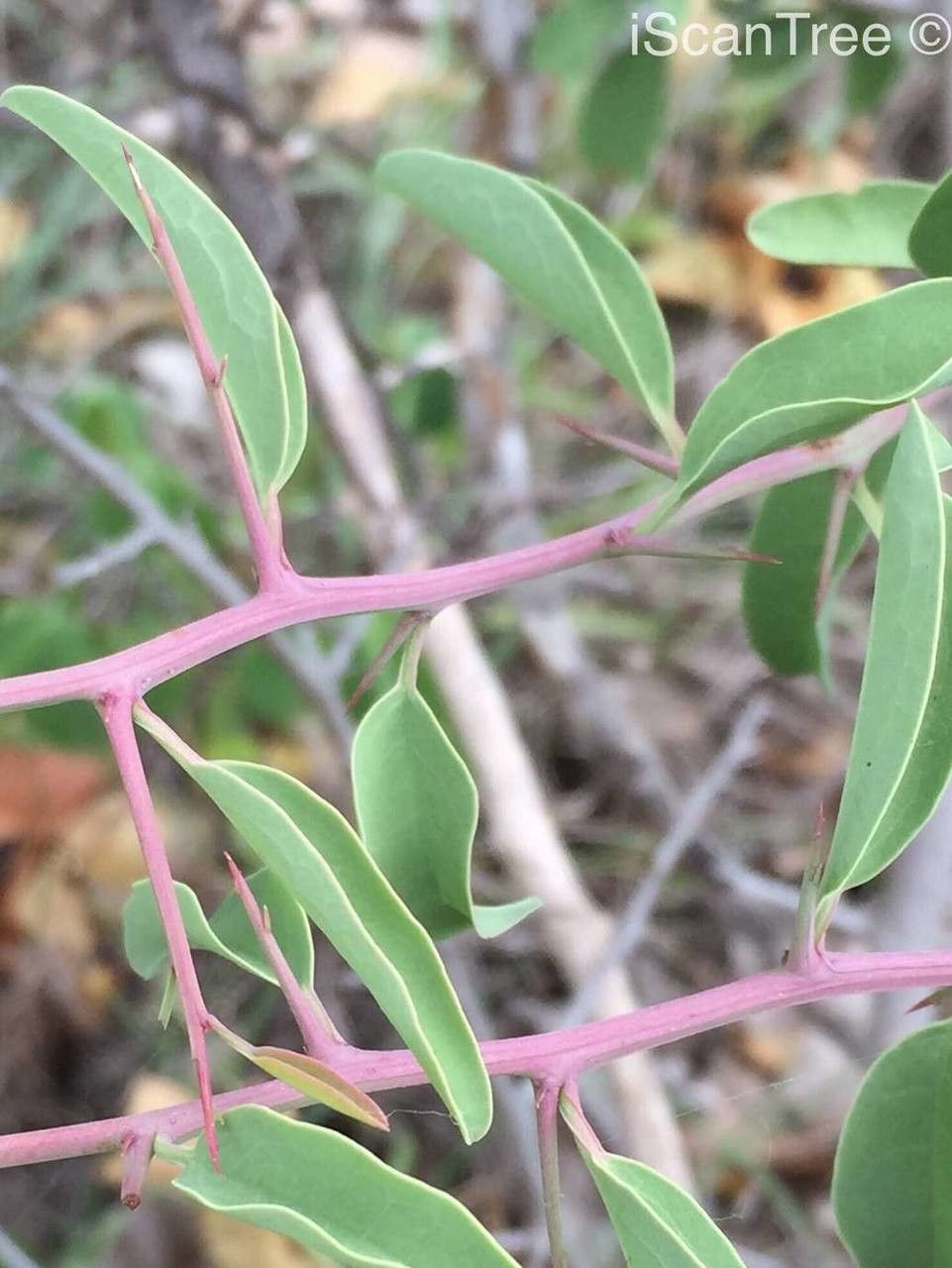
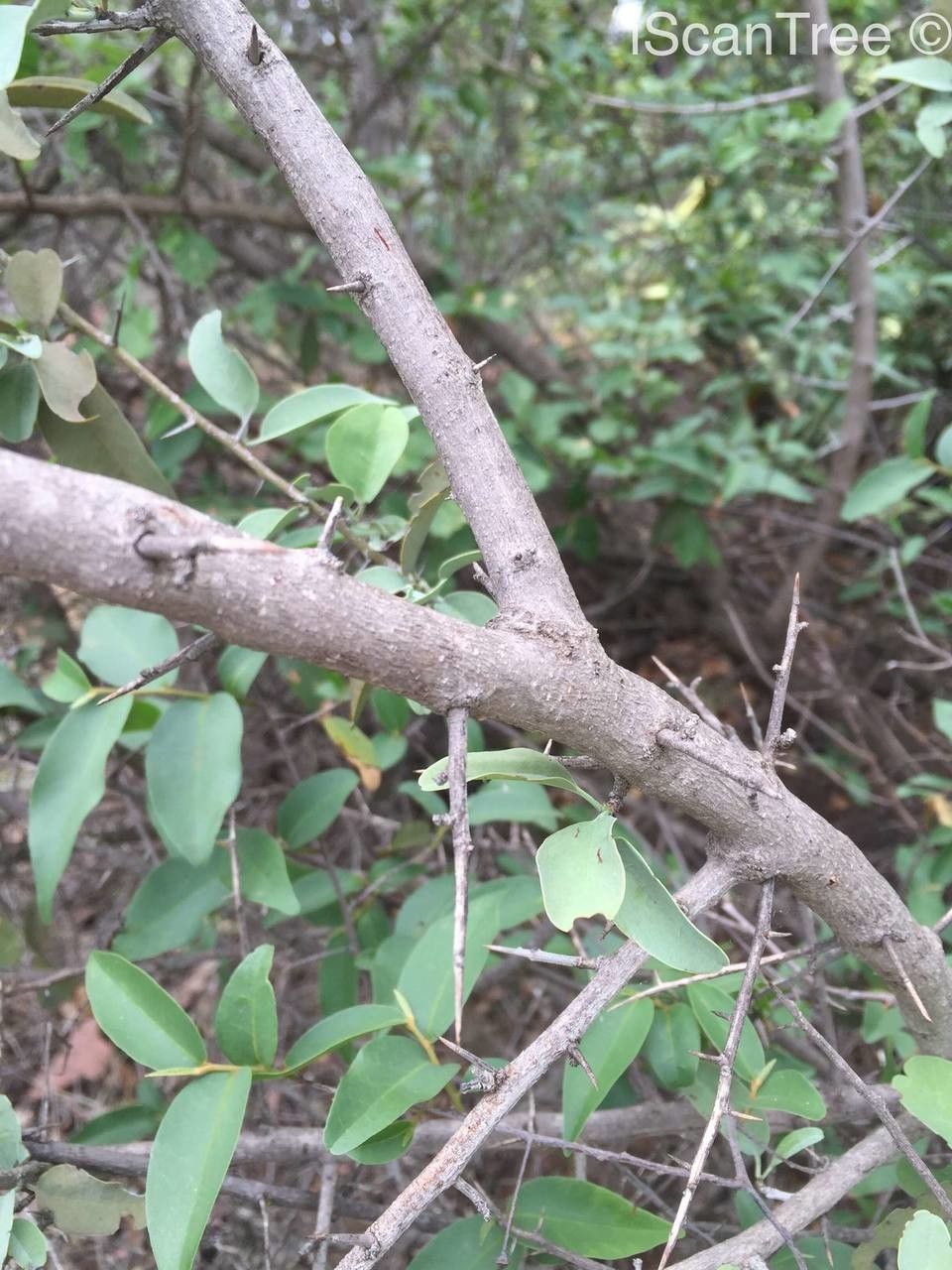
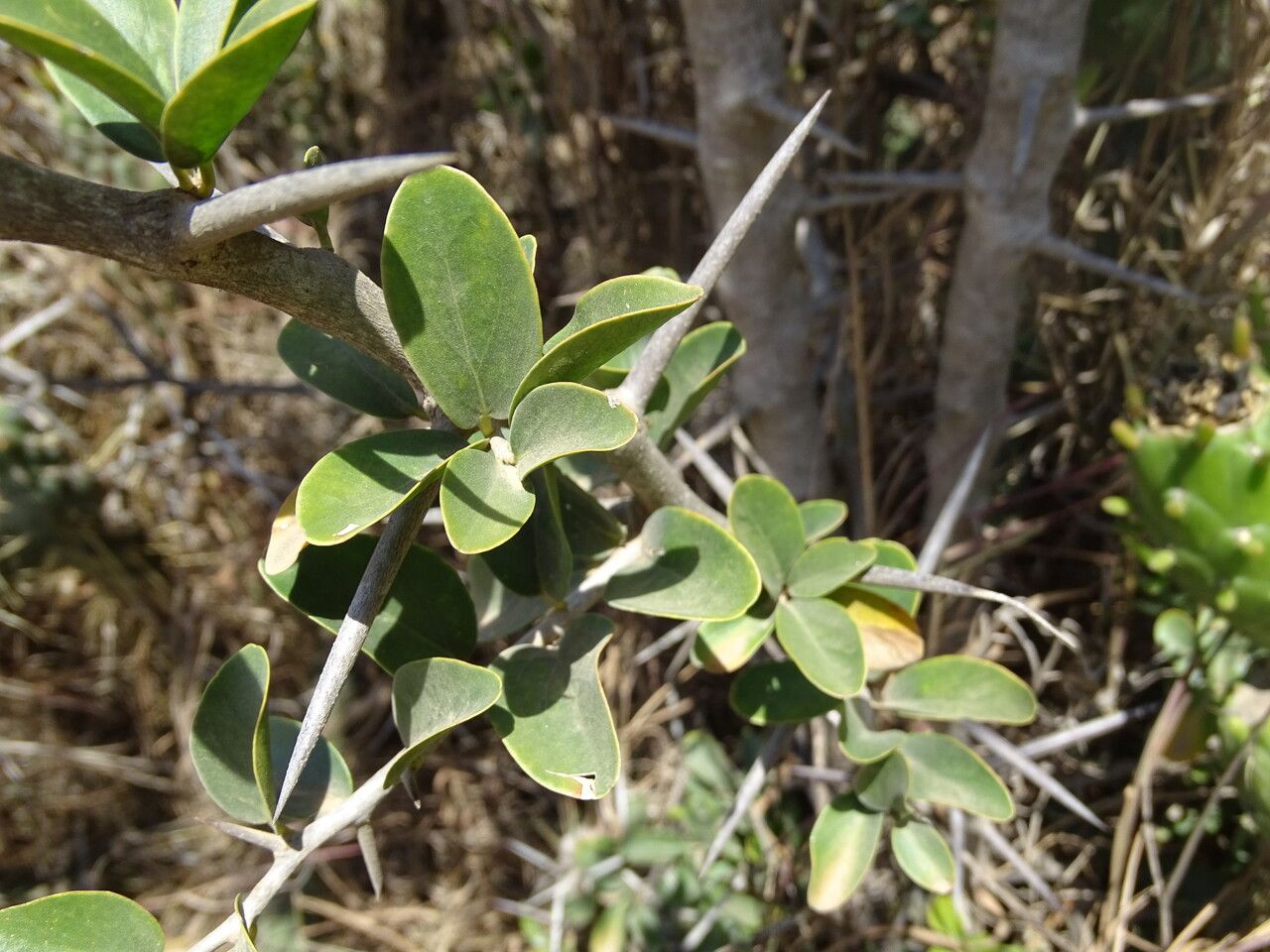
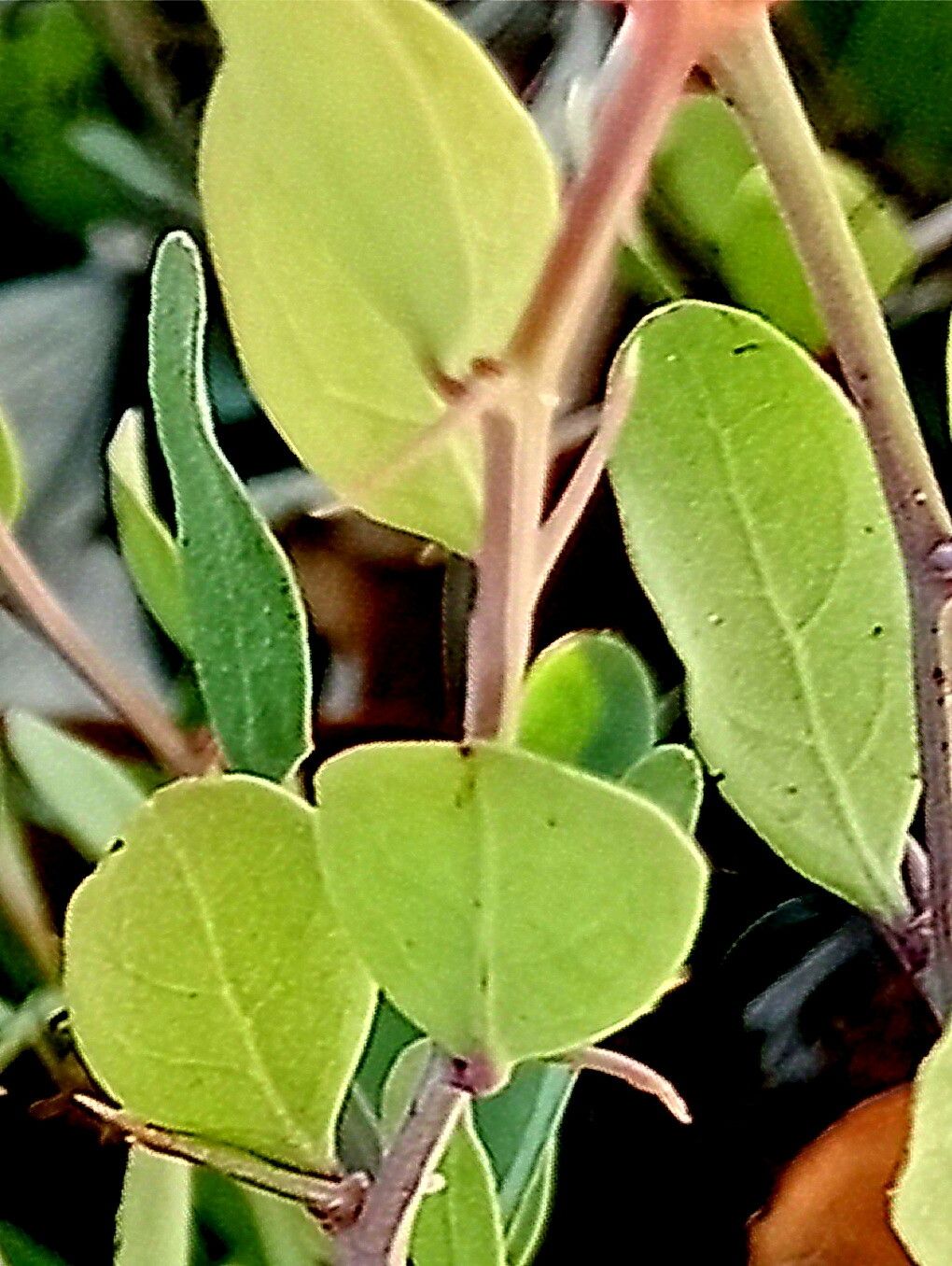
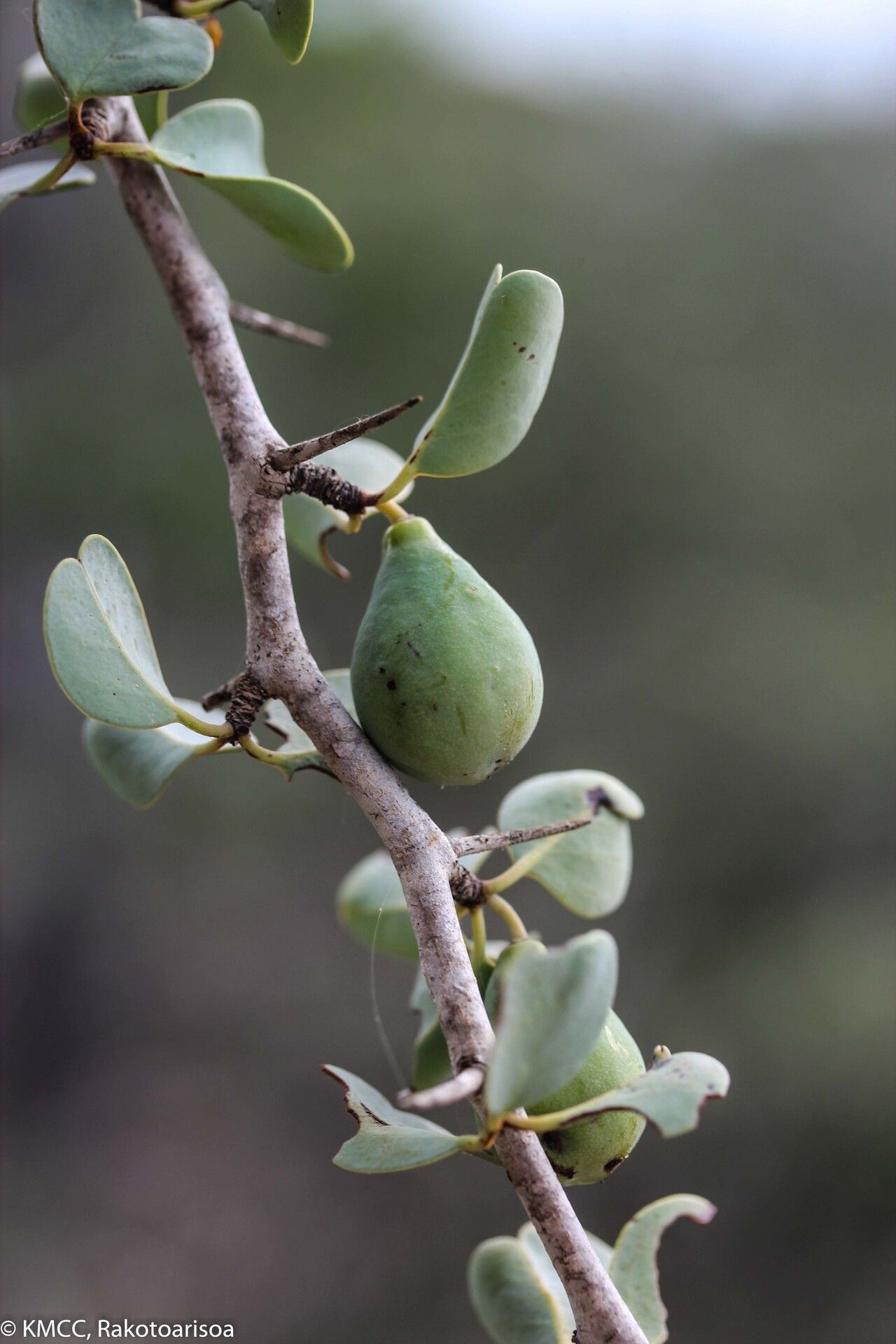
Ximenia caffra, commonly known as the sourplum or wild plum, is a small to medium-sized tree native to southern Africa. Belonging to the Olacaceae family, it can grow up to 10 meters tall. The tree is characterized by a dense crown of dark green, oval-shaped, and glossy leaves.
The sourplum produces small, round fruits that turn yellow when ripe and have a distinctly sour taste. These fruits are edible and can be used in jams or consumed raw. Additionally, Ximenia caffra possesses medicinal properties; its bark, leaves, and roots have been utilized in traditional medicine to treat various ailments.
This tree prefers well-drained soils and thrives in full sun or partial shade but can tolerate drought conditions once established. It is commonly found in savannas, woodlands, and rocky hillsides throughout southern Africa.
The wood of Ximenia caffra is durable, making it suitable for carving utensils such as spoons. Its bark also produces a dye traditionally used by indigenous peoples for coloring clothes.
Overall, the Ximenia caffra serves both medicinal and nutritional purposes, making it an important plant species within Southern African communities.
Smooth-twigged sourplum shows strong disease resistance and is usually not susceptible to diseases. In terms of upkeep, this plant is fairly low-maintenance. Planted outdoors, it needs minimal watering, and larger plants generally do not require pruning. Smaller plants, however, should be pruned after they have finished blooming. Smooth-twigged sourplumt is suitable for anyone with outdoor space, such as a garden or deck, and does not demand much prior care experience.
How to keep Ximenia Caffra.
Light
The smooth-twigged sourplum thrives when it receives abundant sunlight each day, although it will also tolerate a spot with less light. Its native habitat is exposed to a high level of light, and this plant is adapted to those conditions. Too much or too little light can impede its healthy development and growth.
Water
The smooth-twigged sourplum thrives in semi-arid environments and is highly drought-tolerant. It requires watering only every 2 to 3 weeks. It also adapts to seasonal rainfall patterns, needing less water during dormancy and more as temperatures rise.
Temperature
Smooth-twigged sourplum comes from tropical areas, where the climate is generally warm and humid. Consequently, it is adapted to high temperatures and humidity. It does not tolerate sudden temperature changes and prefers a stable temperature environment, so it is important to avoid indoor temperature fluctuations. It usually cannot withstand cold and requires higher temperatures for growth. If the ambient temperature drops too low, the plant may stop growing or even die.
Fertilizer
Prefer organic fertilizers (e.g., fish emulsion, compost) instead of chemical ones for Smooth-twigged sourplum. Apply higher amounts of nitrogen and phosphorus to young plants in spring. Mix compost or fertilizer in before or after planting. For mature plants, supplement in spring with a balanced fertilizer or one targeted to specific deficiencies. Nutrient deficiency leads to small leaves, short branches, yellow/bronze foliage, acidic fruits, premature fruit drop, and splitting.
Botanical profile.
- Plant Type
- Tree, Shrub
- Life Cycle
- Perennial
- Genus
- Ximenia
- Family
- Olacaceae
- Hardiness Zone
- 9-11
- Mature Height
- 2.13 m to 6.1 m
- Mature Spread
- 2.13 m to 3.96 m
- Leaf Color
- Green
- Leaf Type
- Evergreen
- Flower Color
- White, Cream
- Flower Size
- 1.27 cm
- Bloom Time
- Early fall, Mid fall
- Planting Time
- Spring, Summer, Autumn
- Harvest Time
- Winter
- Native Area
- Angola, South Africa, Zambia, Eswatini, Sudan, Namibia, Madagascar, Ethiopia, Botswana, Zimbabwe
Other names.