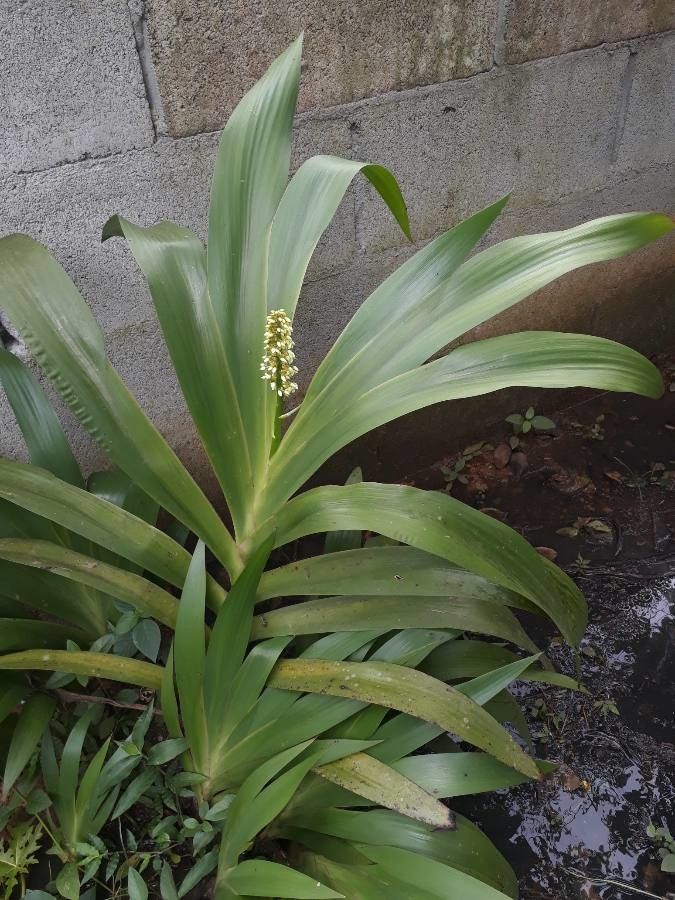
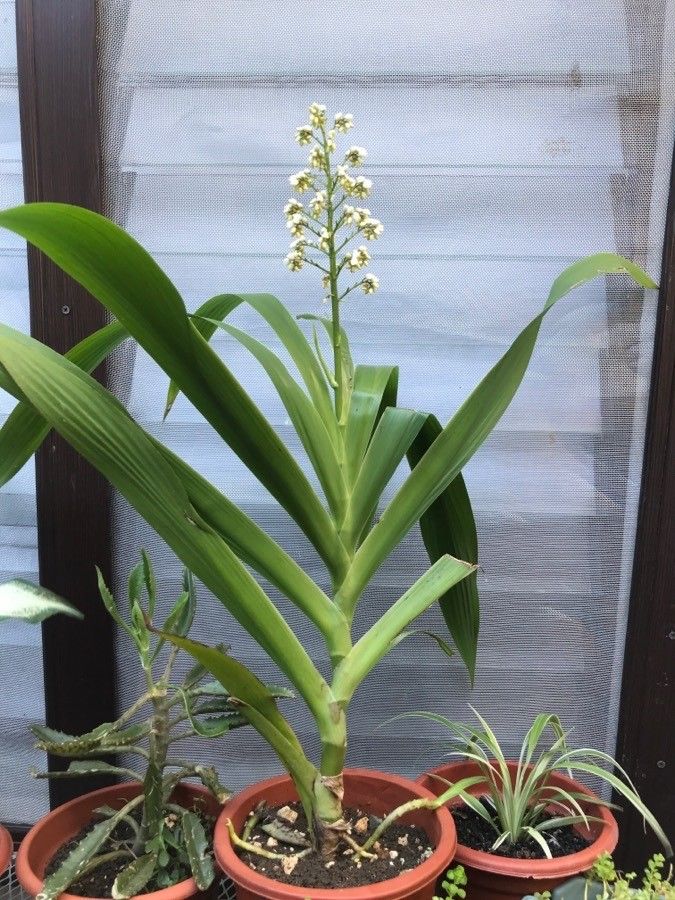
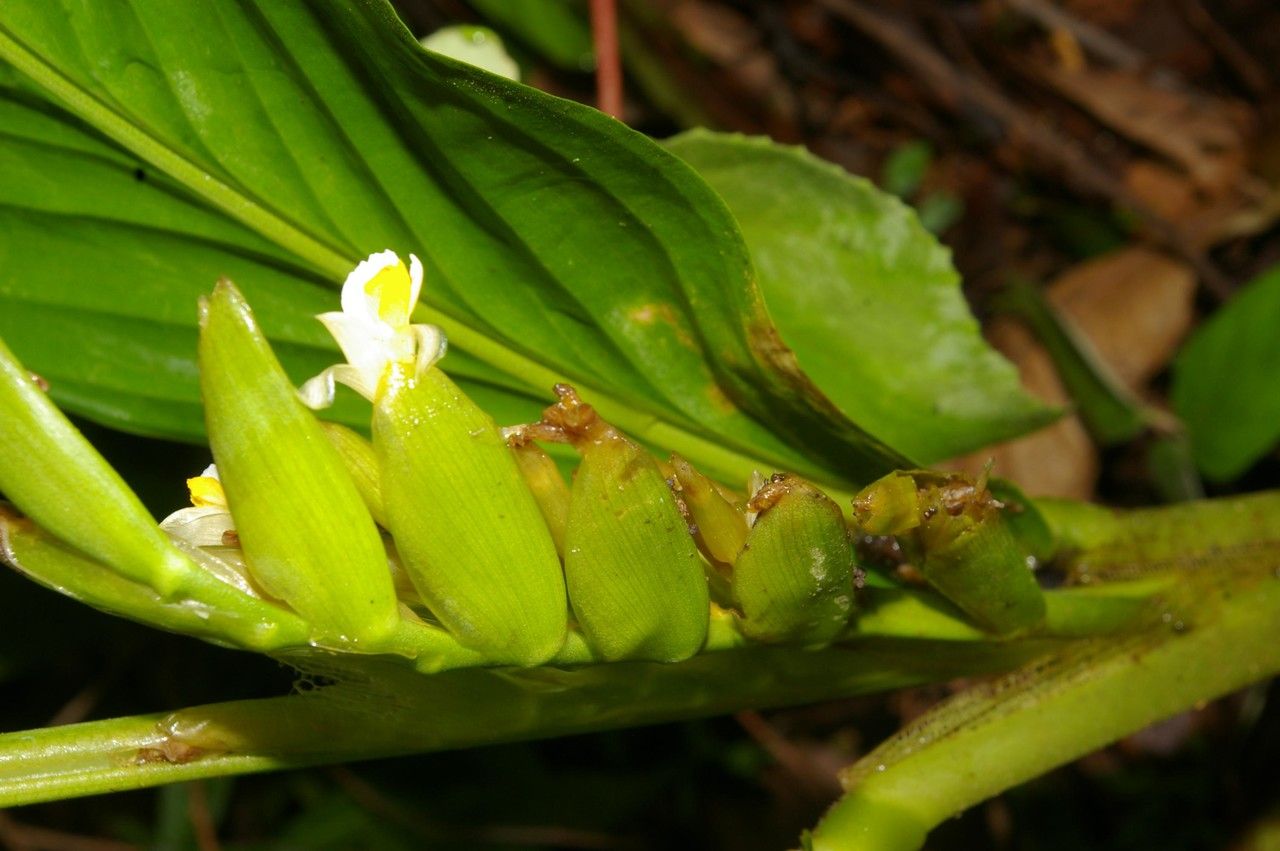
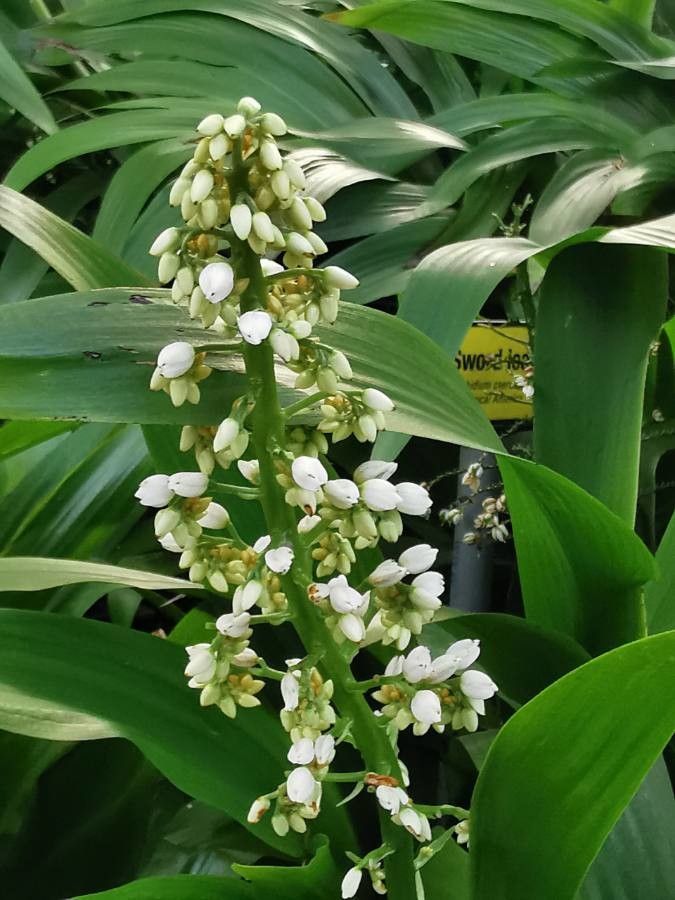
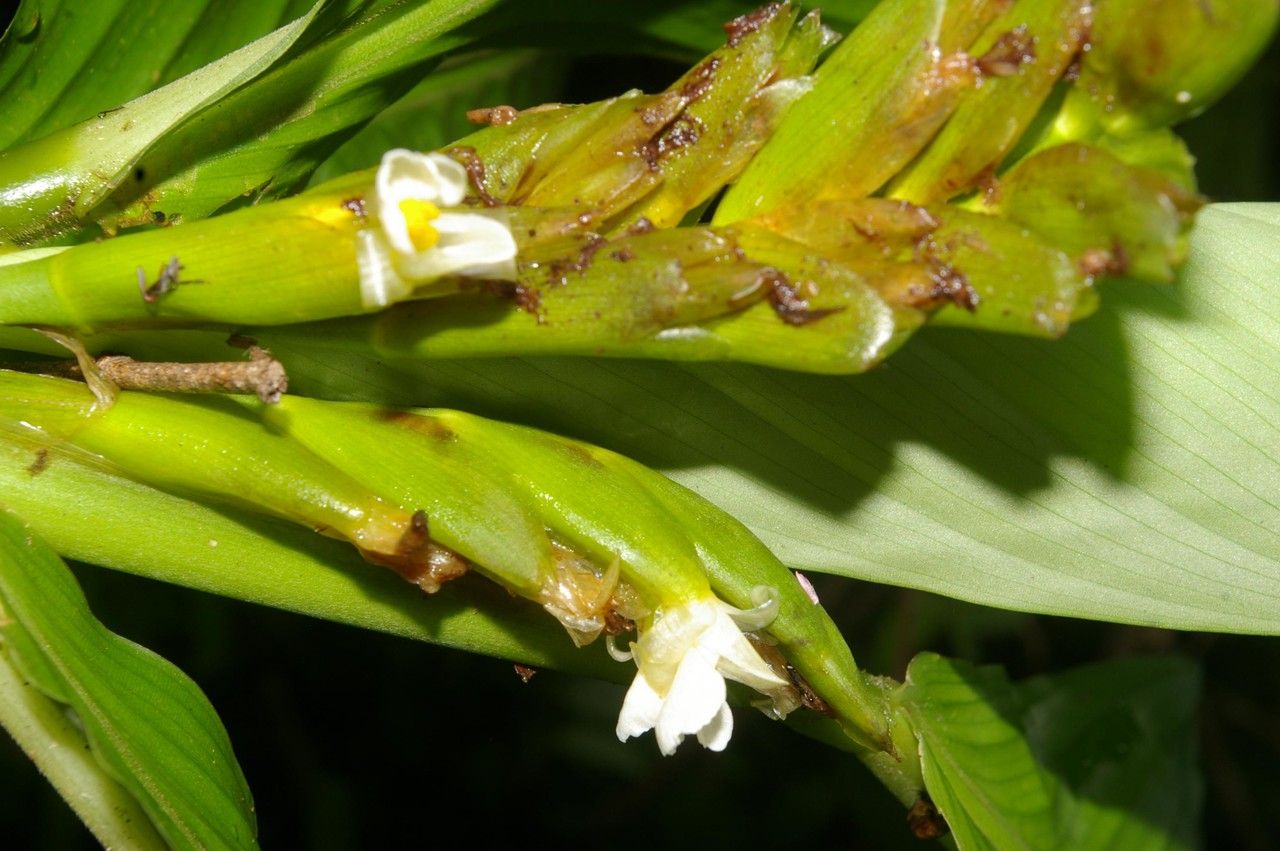
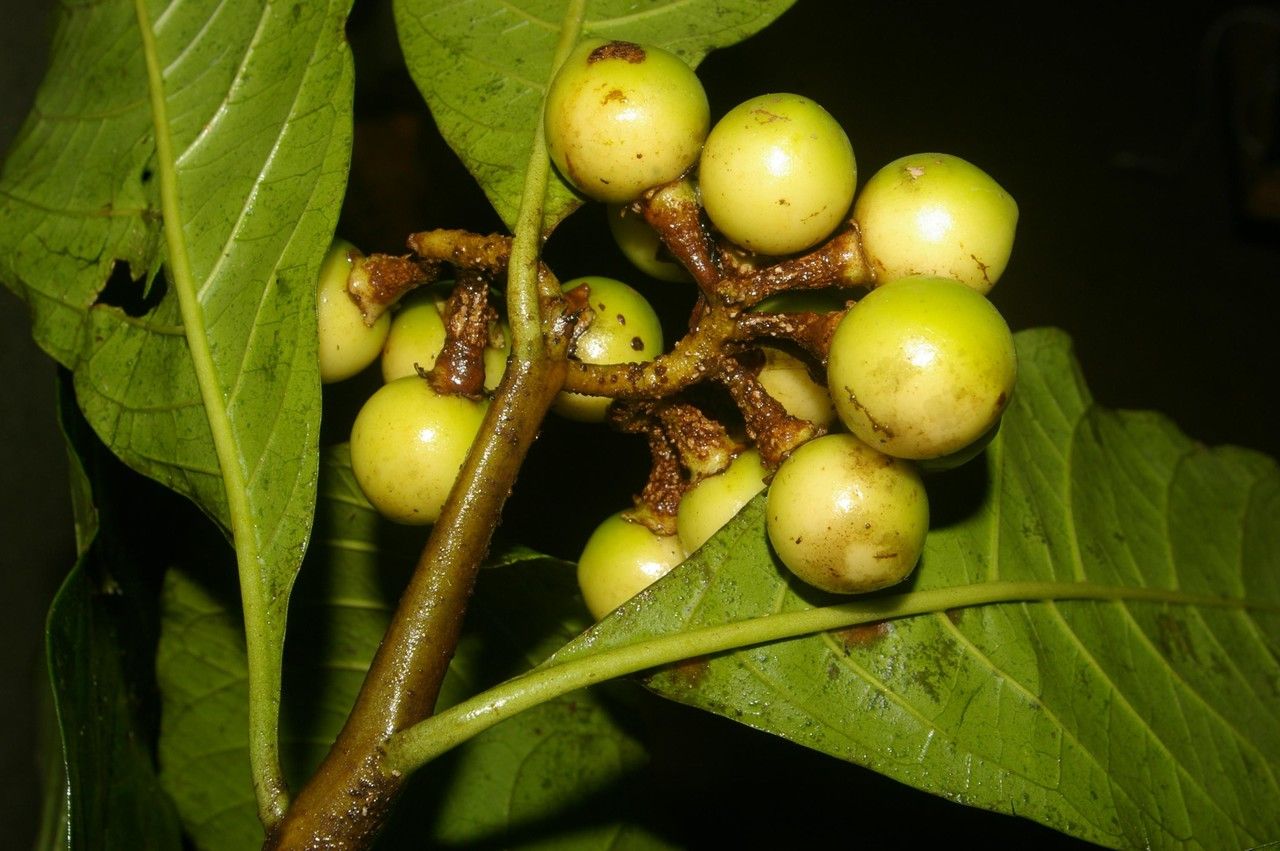
Xiphidium caeruleum, commonly known as the blue swordplant, is a perennial herbaceous plant that belongs to the family Haemodoraceae. Native to the tropical regions of South America, it thrives in wetlands, marshes, and along riverbanks. The plant features long, sword-shaped leaves that can grow up to 1 meter in length and display a bluish-green hue. Its small, inconspicuous flowers range from blue to purple and bloom from late spring through summer on tall spikes that can reach heights of up to 2 meters.
The blue swordplant is either aquatic or semi-aquatic and prefers moist soil conditions with full sun exposure or partial shade. While it can withstand short periods of flooding, it cannot survive prolonged submersion underwater.
For centuries, indigenous people of South America have utilized Xiphidium caeruleum for its anti-inflammatory properties. Additionally, it serves as an ornamental plant, making an eye-catching accent in water gardens or a striking statement feature near water bodies.
In summary, Xiphidium caeruleum is a fascinating and distinctive addition to any garden, thanks to its striking appearance and cultural significance in traditional South American medicine practices.
Angel hands has strong disease resistance and is generally not prone to diseases. Nevertheless, it can be susceptible to pests and diseases that occur in its surroundings. These infections are usually mild. In terms of care, this plant requires moderate maintenance. It needs to be pruned regularly to maintain a good appearance and healthy growth. Fertilizing can also help encourage flowering. Angel hands is suitable for anyone with outdoor space, such as a garden or patio, and does not require a lot of care experience. It may need more attention when grown indoors.
How to keep Xiphidium Caeruleum.
Light
Angel hands is suited to growing in locations with moderate sunlight but can also prosper in heavily shaded areas. Sunlight is necessary for its healthy development. Moderate light encourages lush foliage; too much sun can stress the plant, while too little can lead to weak growth.
Water
Angel hands thrive in warm, humid environments and require evenly moist soil with weekly watering. Adaptable to indoor settings, these plants retain their foliage year-round, which reflects their consistent water needs. Regular misting helps replicate their natural humid habitat, ensuring optimal growth and health.
Temperature
Angel hands comes from tropical areas, where the climate is generally warm and humid. Consequently, it is well suited to high heat and moisture. It does not tolerate abrupt temperature changes and prefers a consistent thermal environment, so avoiding indoor temperature swings is important. It generally cannot withstand cold conditions and needs warmer temperatures to grow. If temperatures fall too low, the plant may stop growing or even die.
Fertilizer
Proper fertilization is essential for Angel hands's health and appearance. Feed Angel hands in summer, applying fertilizer monthly throughout the season. Nutrients power growth and help maintain the plant’s tissues. Fertilization improves Angel hands's flower display, ensuring the best blooms.
Pruning
"Angel Hands features lanceolate leaves and vibrant blue flowers. For healthy growth, prune from late winter to early spring and trim overgrown stems to encourage bushiness. Regular deadheading will promote blooming, and ensuring good ventilation can reduce the risk of disease. Proper pruning not only improves the plant's appearance but also stimulates vigorous growth."
Pot & Repot
To keep Angel Hands thriving, repot the plant every 2-3 years in early spring. Choose a slightly larger container to prevent overwatering. After repotting, place the plant in indirect light and ensure the soil remains moist and well-draining for optimal growth and recovery.
Botanical profile.
- Plant Type
- Herb
- Life Cycle
- Perennial
- Genus
- Xiphidium
- Family
- Haemodoraceae
- Hardiness Zone
- 10-12
- Mature Height
- 61 cm to 91 cm
- Mature Spread
- 61 cm to 91 cm
- Leaf Color
- Dark Green
- Leaf Type
- Evergreen
- Flower Color
- White
- Flower Size
- 2.54 cm
- Bloom Time
- Late spring, Summer, Early fall, Mid fall
- Planting Time
- Spring, Summer, Autumn
- Harvest Time
- Late summer, Fall, Early winter, Mid winter
- Native Area
- Belize, Honduras, Mexico, Guatemala, Peru, Panama, Jamaica, Cuba, Bolivia, Venezuela, Guyana, El Salvador, Nicaragua, Brazil, Ecuador, Costa Rica
Other names.
Reader questions.
How should I water my Angel hands in the most effective way?
When watering the Angel hands, it is recommended to use filtered water at room temperature. Tap water should be avoided as it may contain harmful particles. The Angel hands prefers warm water, so it is best to avoid using cold water. Additionally, overhead watering should be avoided as it can cause problems with the foliage. Instead, water the plant by applying filtered room temperature water directly to the soil until it is completely soaked. This helps the roots to spread and absorb the necessary nutrients.
Why should I put fertilizer on my Angel hands plant?
Fertilization is important for Angel hands for various reasons. Primarily, it provides essential nutrients for the plant's growth, both above and below ground. However, Angel hands have relatively low fertilization requirements and can sometimes survive without it. Nevertheless, annual fertilization can greatly benefit Angel hands by improving its overall health and promoting the production of long-lasting flowers. Therefore, if you want your Angel hands to look its best, it is recommended to regularly fertilize it.
What are the sunlight requirements for Angel hands (Xiphidium caeruleum)?
Angel hands requires moderate sunlight exposure but can also thrive in densely shaded areas. It benefits from about 3-6 hours of sunlight, classified as partial sun, for healthy growth. In conditions of full shade, where it receives less than 3 hours of sunlight, it may still grow but with potential challenges. For indoor cultivation, when natural sunlight is insufficient, artificial lighting, such as LED lights, can be used to provide the necessary wavelengths for optimal growth, with light intensity varying based on the plant's sunlight needs. Full sun plants need 30-50W/sq ft, partial sun plants 20-30W/sq ft, and full shade plants 10-20W/sq ft of artificial light.
What should I do if I give my Angel hands too much or too little water?
Both overwatering and underwatering can harm the health of your Angel hands plant, but overwatering is more common. Too much water can cause the stems and leaves to wilt and turn yellow, and it can also lead to diseases like root rot, mold, and mildew. These diseases can be fatal to your plant. Underwatering is less common because the Angel hands plant can tolerate drought to some extent. However, it is still possible, and when it happens, the leaves may become brittle and brown. It's important to notice the signs of overwatering early on. Some diseases caused by overwatering, like root rot, may be irreversible if not addressed promptly. If you see early signs of overwatering, reduce your watering schedule and check the soil drainage. If the soil doesn't drain well, replace it with a loose, well-draining potting mix. On the other hand, if you notice signs of underwatering, simply water more regularly until the signs improve.
When should I fertilize my Angel hands?
The best time to fertilize an Angel hands is late winter to early spring when it is transitioning from dormancy to active growth. Fertilizing at this time promotes healthy growth and sets the plant up for a successful season. While early spring is the most beneficial time, it is also okay to fertilize in the fall. However, it is not recommended to feed the Angel hands during summer or winter.
What symptoms might Angel hands exhibit due to incorrect lighting, and what are the solutions?
Angel hands may display various symptoms when grown under inappropriate light conditions. Insufficient light can lead to small leaves, leggy or sparse growth, faster leaf drop, slower or no new growth, and lighter-colored new leaves. Excessive sunlight can cause chlorosis (yellowing of leaves), sunscald, leaf curling, wilting, and leaf scorching. Solutions include gradually acclimating the plant to sunlight changes by shifting it to sunnier spots each week or using artificial lights for indoor plants. Outdoor plants should also be moved gradually to prevent shock. For ground plants, reducing obstructions like overhanging branches and considering transplanting to brighter spots can improve light exposure.
How frequently should I water my Angel hands?
If your Angel hands plant is in a pot, you can determine if it needs water by sticking your finger into the soil. If the top two to three inches of soil are dry, then it's time to water it. If you're growing the Angel hands plant outdoors in the ground, you can use the same method to test the soil. Once the top few inches of soil have dried out, it's time to water it. Usually, during spring and early fall, watering once a week is sufficient. However, during hot weather, you may need to water it twice a week or even more. Nonetheless, mature and well-established Angel hands plants have a good tolerance for drought.
When should I not add fertilizer to my Angel hands?
To ensure proper growth and avoid complications, it is best to fertilize your Angel hands plant only during late winter and early spring. This plant has low fertilization needs, so one annual feeding is enough. Fertilizing during spring, summer, and fall can lead to overfertilization and its associated problems, unless you missed fertilizing in spring, in which case fall feeding is acceptable. Additionally, there is no need to fertilize during winter when the plant is in a dormant phase and not actively growing.
What are the recommendations for artificial lighting with Angel hands?
For Angel hands requiring artificial lighting, especially during winter or in less sunny spaces, it's advisable to use LED lights that provide specific wavelengths needed for the plant's growth. The right type of artificial light should offer 30-50W/sq ft for full sun plants, 20-30W/sq ft for partial sun plants, and 10-20W/sq ft for full shade plants. The light source should be positioned 12-36 inches above the plant to simulate natural sunlight effectively. It's also critical to mimic natural daylight hours, ensuring most plants get 8-12 hours of light per day.
How much water do my Angel hands need?
When it's time to water your Angel hands, don't be afraid to give it a generous amount of water. Make sure the top few inches of soil are dry before watering. It's best to thoroughly soak the soil, allowing the water to flow through the drainage holes at the bottom of the pot. If you don't see excess water draining, you may not have given enough water. However, avoid letting water accumulate in the soil, as this can harm the plant. If there is no water draining through the pot, it could mean the soil doesn't drain well, which is bad for the plant's health. If the plant is outside, around 1 inch of rain per week will be enough.
What kind of fertilizer does my Angel hands plant need?
When choosing a fertilizer for Angel hands, a general-purpose one with balanced nutrients should work well. However, there are special nutrient blends that can offer even greater benefits. Some gardeners believe that higher levels of phosphorus can strengthen roots and enhance flower growth. Considering Angel hands is a flowering plant, using a phosphorus-rich fertilizer might be the best option. Both granular and liquid forms of fertilizer can be used as long as they contain ample nutrients. Besides manufactured fertilizers, organic methods like compost and manure can also help improve the soil for Angel hands, creating a healthy growing medium.
What general care advice is given for ensuring healthy growth of Angel hands?
To ensure the healthy growth of Angel hands, it's essential to monitor and adjust the plant's exposure to sunlight carefully. The plant thrives in spots with a balance of light and shade, ideally receiving 3-6 hours of sunlight daily. Observing how sunlight moves through your garden can help in choosing the best locations for planting. For indoor plants, supplementing natural light with artificial lighting is recommended when sunlight exposure is insufficient. Gradual adaptation to light conditions, by moving the plant towards brighter areas progressively, helps in preventing stress and promotes robust growth.