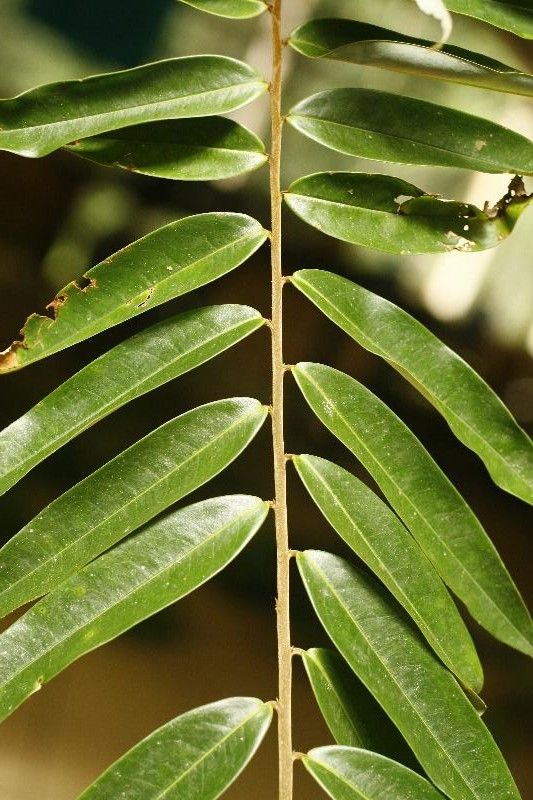
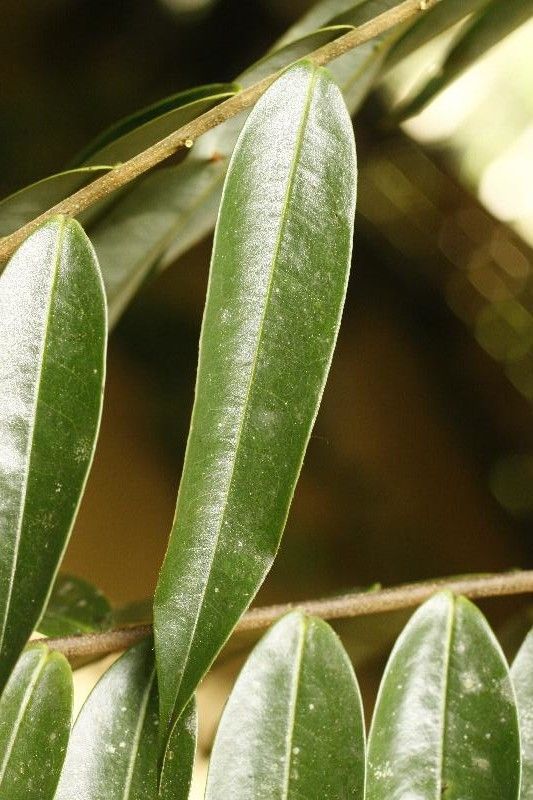
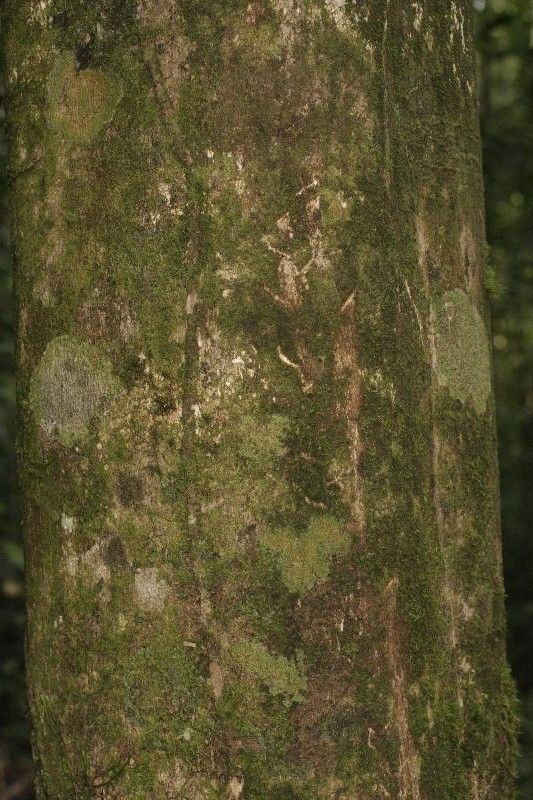
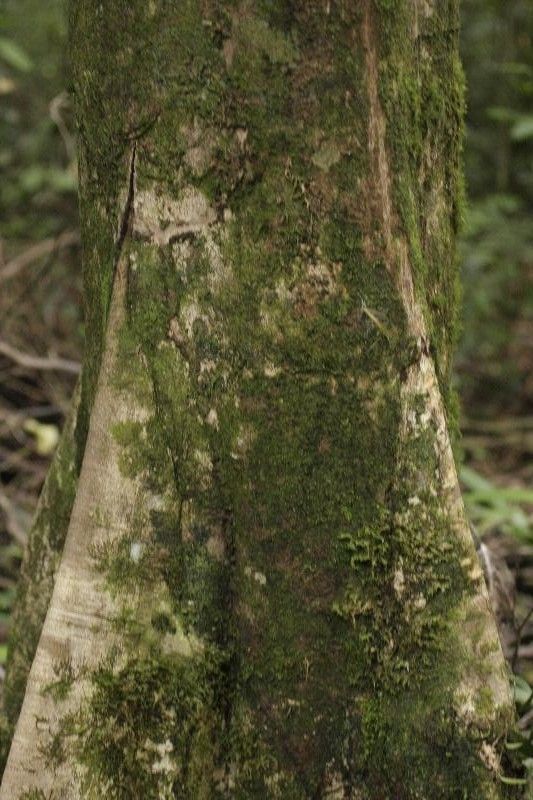
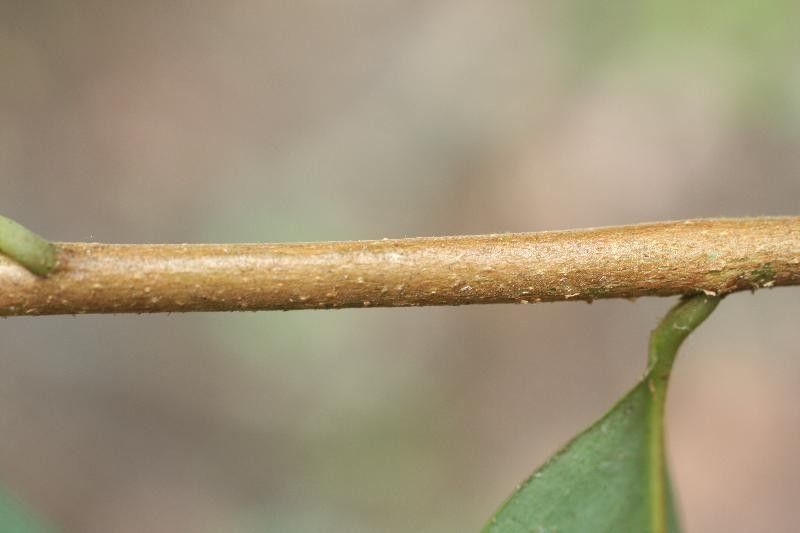
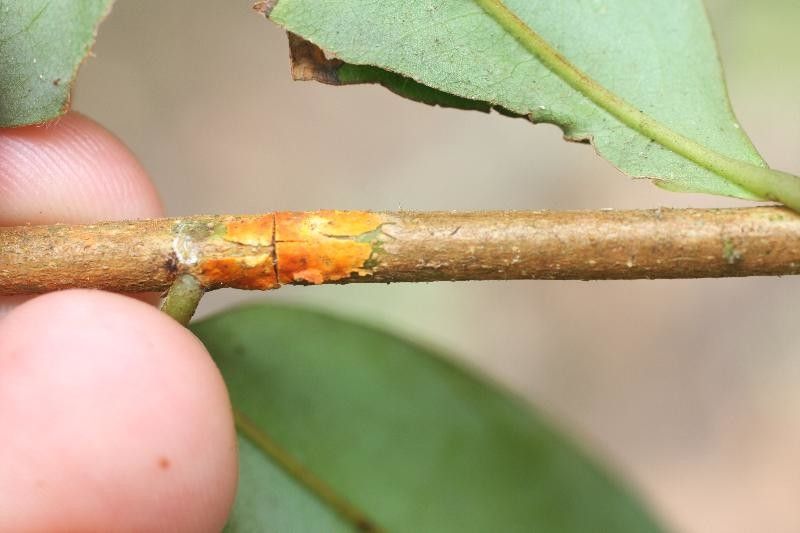
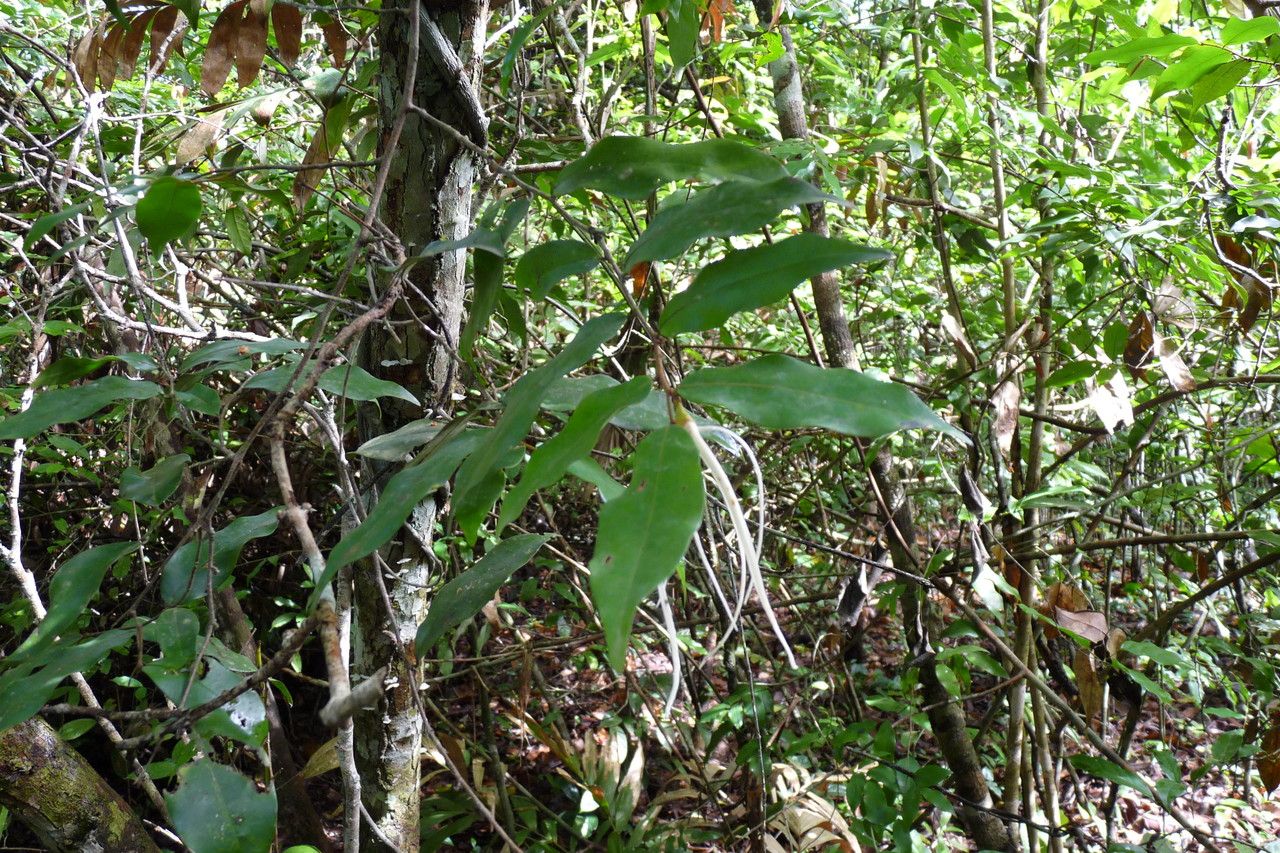
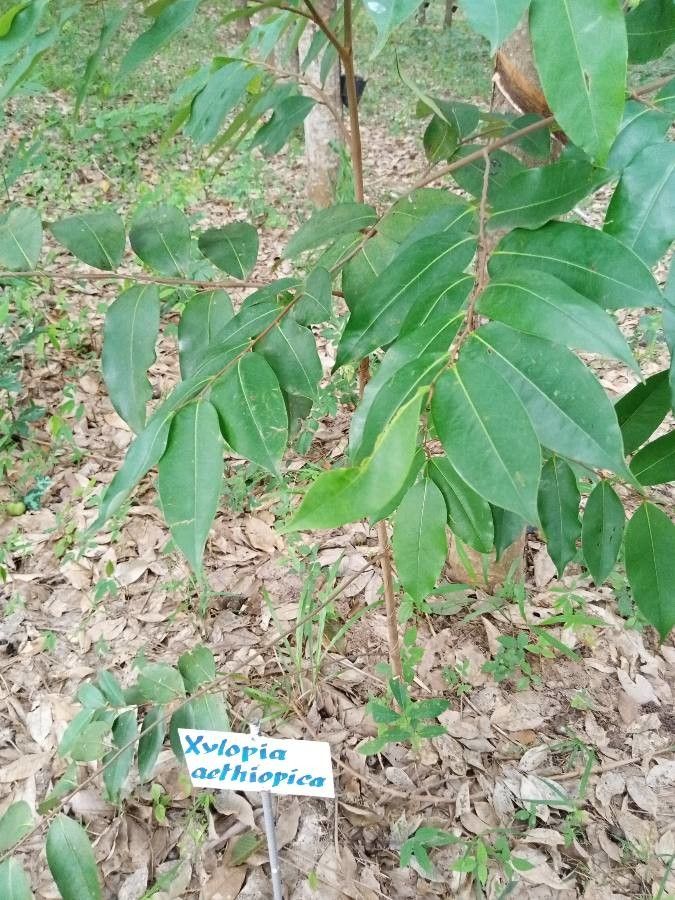
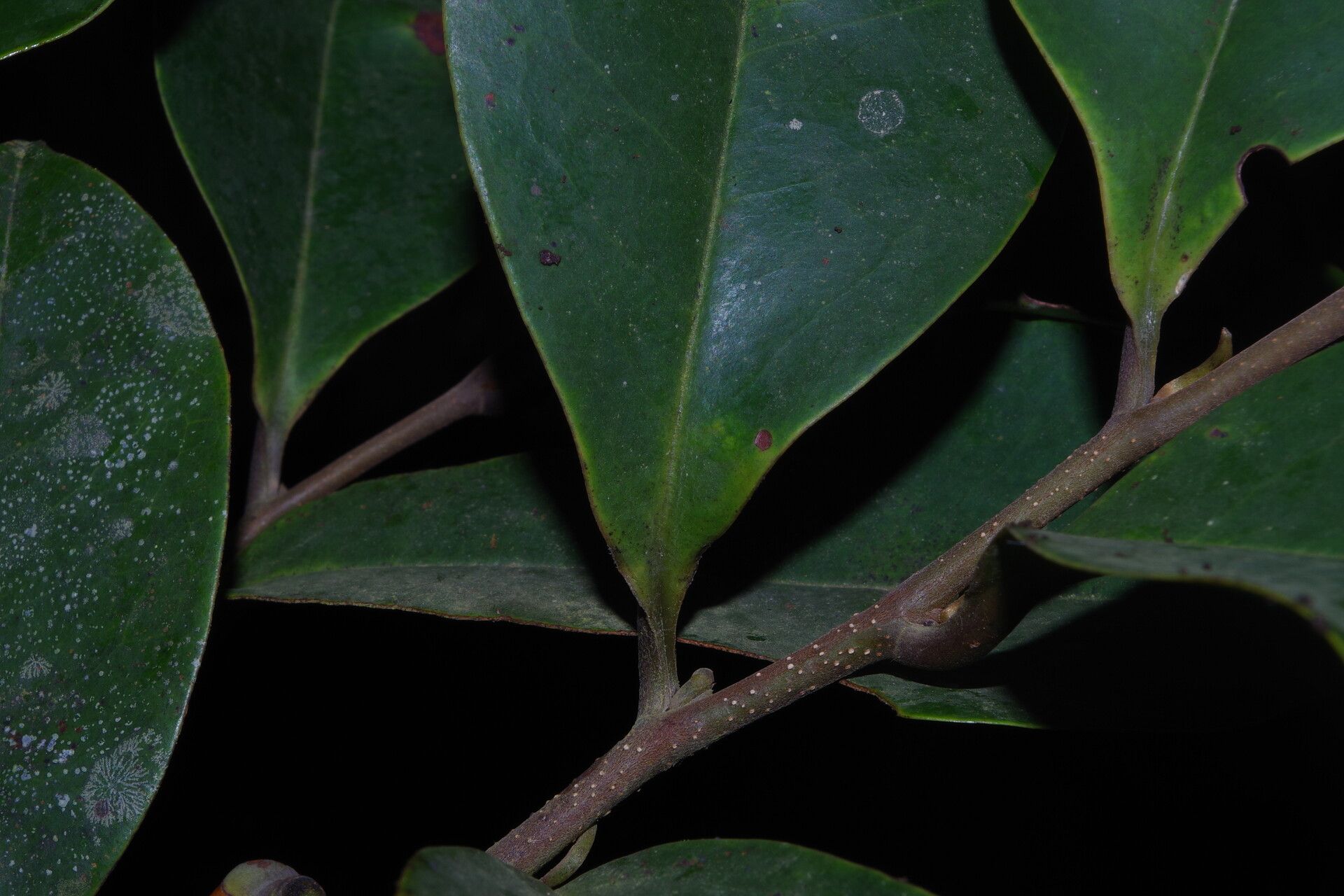
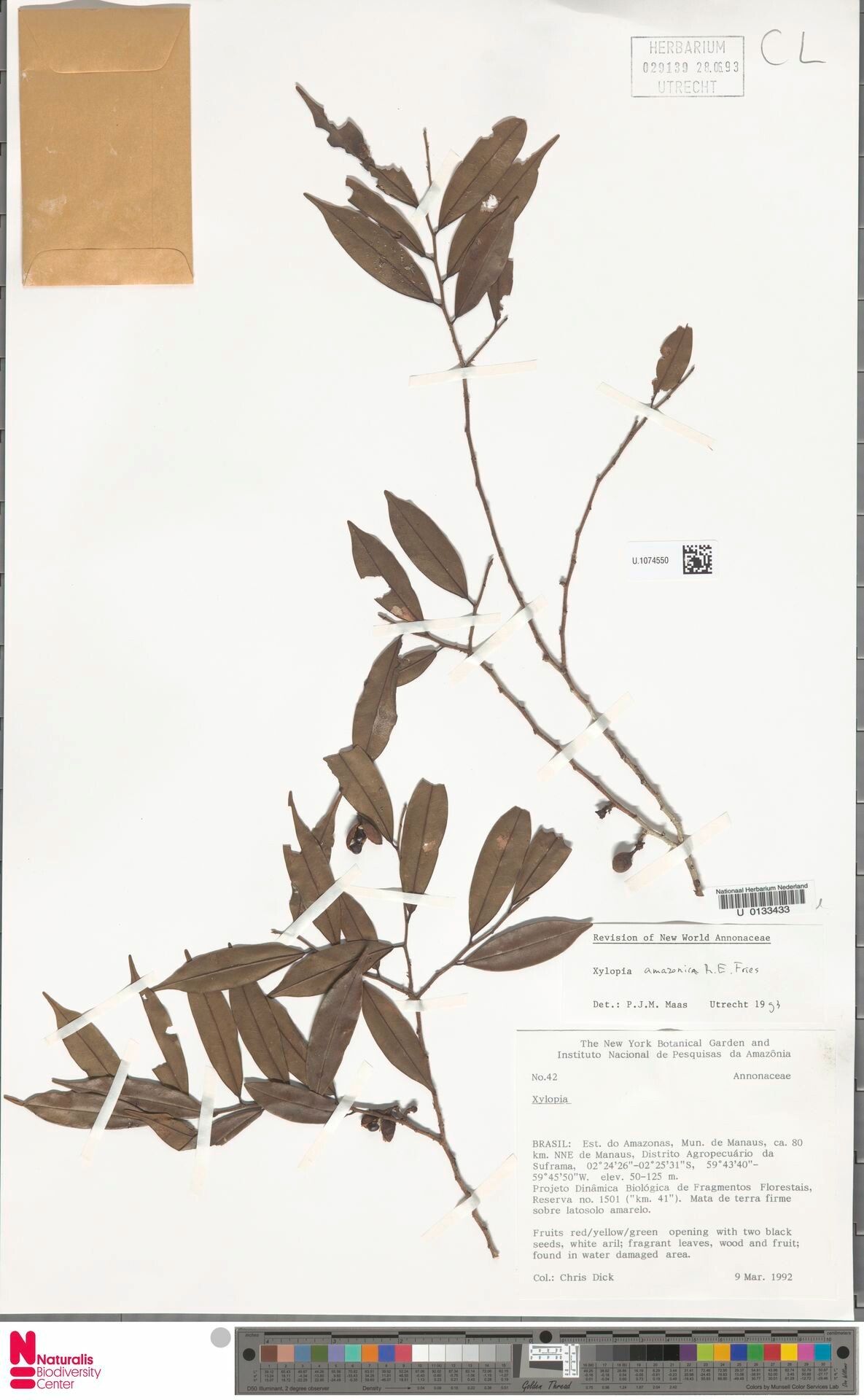
Xylopia nitida is a species of plant in the Annonaceae family. It is native to Brazil, Colombia, Ecuador French Guiana, Guyana, Suriname and Venezuela. Michel Félix Dunal, the botanist who first formally described the species, named it after the shiny (nitidus in Latin) upper surface of its leaves.
White kuyama shows good resistance to disease and is typically not prone to illnesses. For care, this plant is fairly low-maintenance. When grown outdoors it needs only minimal watering, and larger plants usually do not require pruning. Smaller plants, however, should be pruned after they have bloomed. White kuyamat is appropriate for anyone with outdoor space, such as a garden or deck, and does not demand much care experience.
How to keep Xylopia Nitida.
Light
White kuyama is native to open habitats, such as sunny meadows and forest edges, which offer abundant light. It performs best in Full Sun but can also tolerate Partial Sun, adapting well to a range of sunlight conditions.
Water
White kuyama is well-adapted to varying moisture levels, showing a moderate tolerance for drought. It thrives best in slightly humid conditions, but it's important not to overwater it. For optimal health, water white kuyama every 2 to 3 weeks. In warmer climates, its growth cycle aligns with the rainy season, which influences its periods of active growth and dormancy.
Temperature
White kuyama comes from tropical areas, where the climate is generally warm and humid. As a result, it is well suited to high temperatures and moisture. It does not tolerate sudden temperature shifts and prefers a consistent temperature, so it is important to avoid fluctuations in indoor temperature. It usually cannot withstand cold conditions and requires warmer temperatures to grow. If the surrounding temperature falls too low, the plant may stop growing or even die.
Fertilizer
Fertilization is essential for caring for White kuyama. Regular feeding during the growing season maintains the energy needed for its showy leaves and supports overall growth. Failing to fertilize can lead to unhealthy foliage, reduced ornamental value, and stunted or weak growth that is more likely to break.
Botanical profile.
- Plant Type
- Tree
- Life Cycle
- Perennial
- Genus
- Xylopia
- Family
- Annonaceae
- Hardiness Zone
- 10-12
- Mature Height
- 24.99 m
- Mature Spread
- 4.88 m to 10.06 m
- Leaf Color
- Dark Green
- Leaf Type
- Evergreen
- Flower Color
- White, Yellow
- Flower Size
- 1.02 cm to 2.03 cm
- Bloom Time
- Late spring, Early summer, Mid summer
- Planting Time
- Spring, Summer, Autumn
- Harvest Time
- Late summer, Early fall, Mid fall
- Native Area
- Colombia, Venezuela, Guyana, Brazil, Ecuador
Other names.