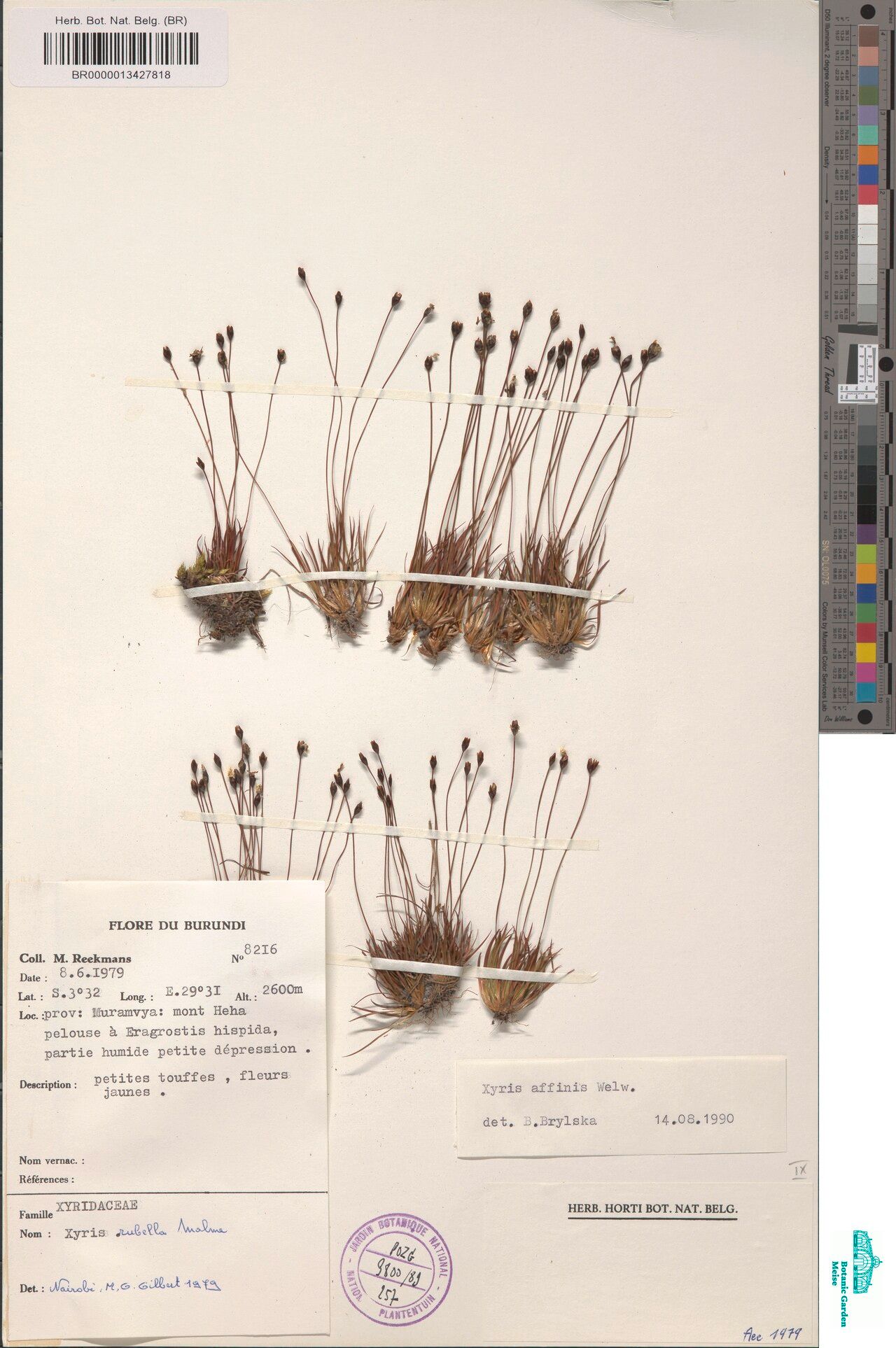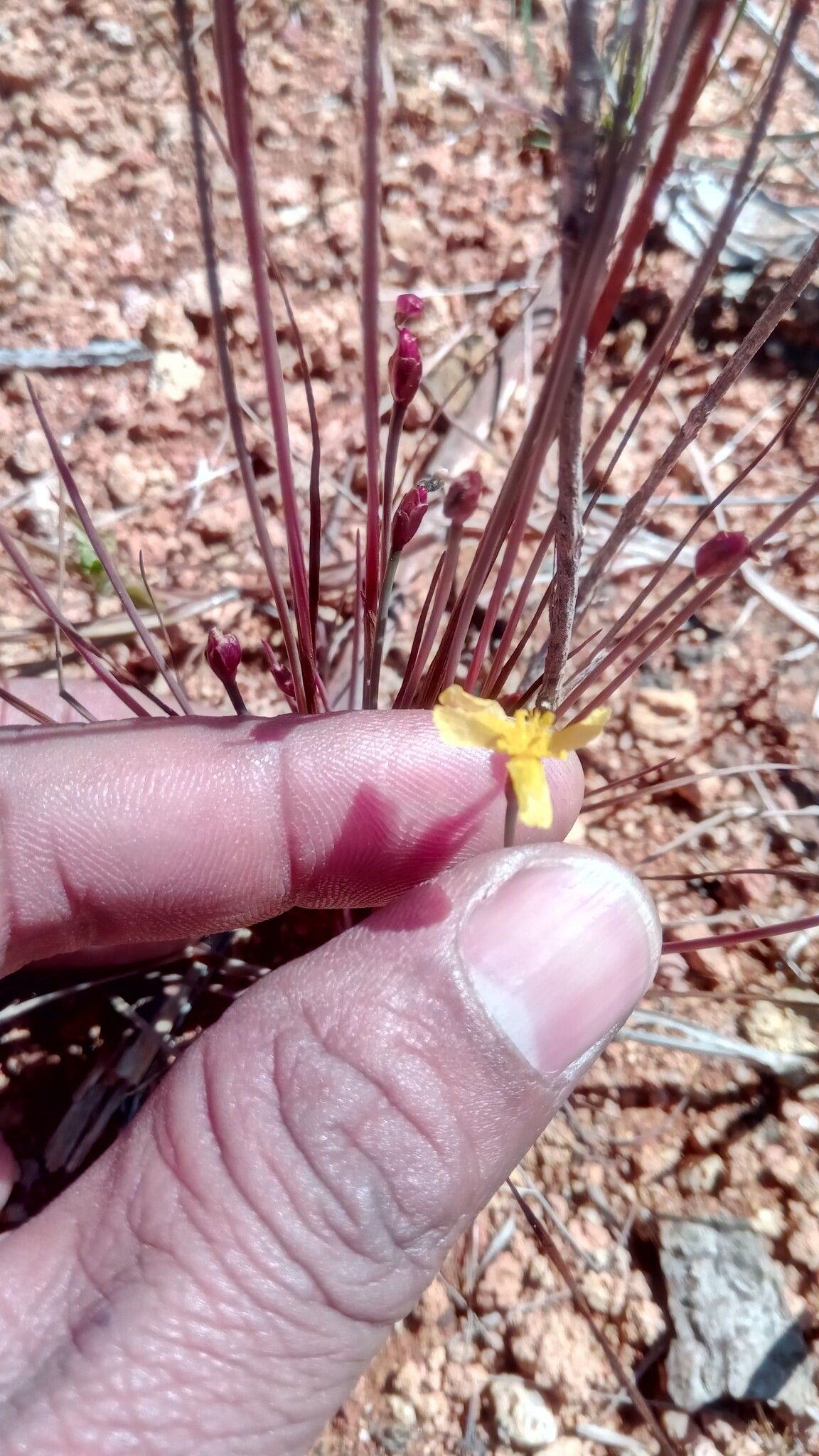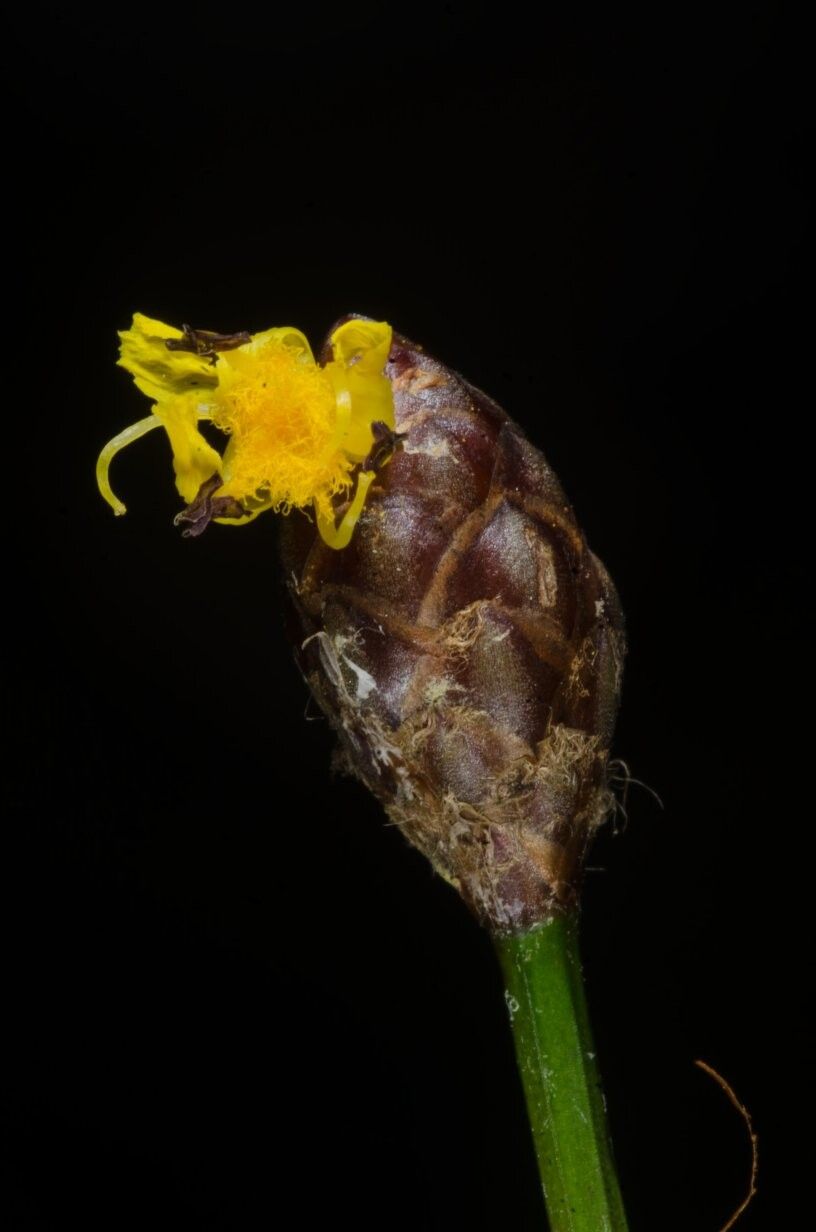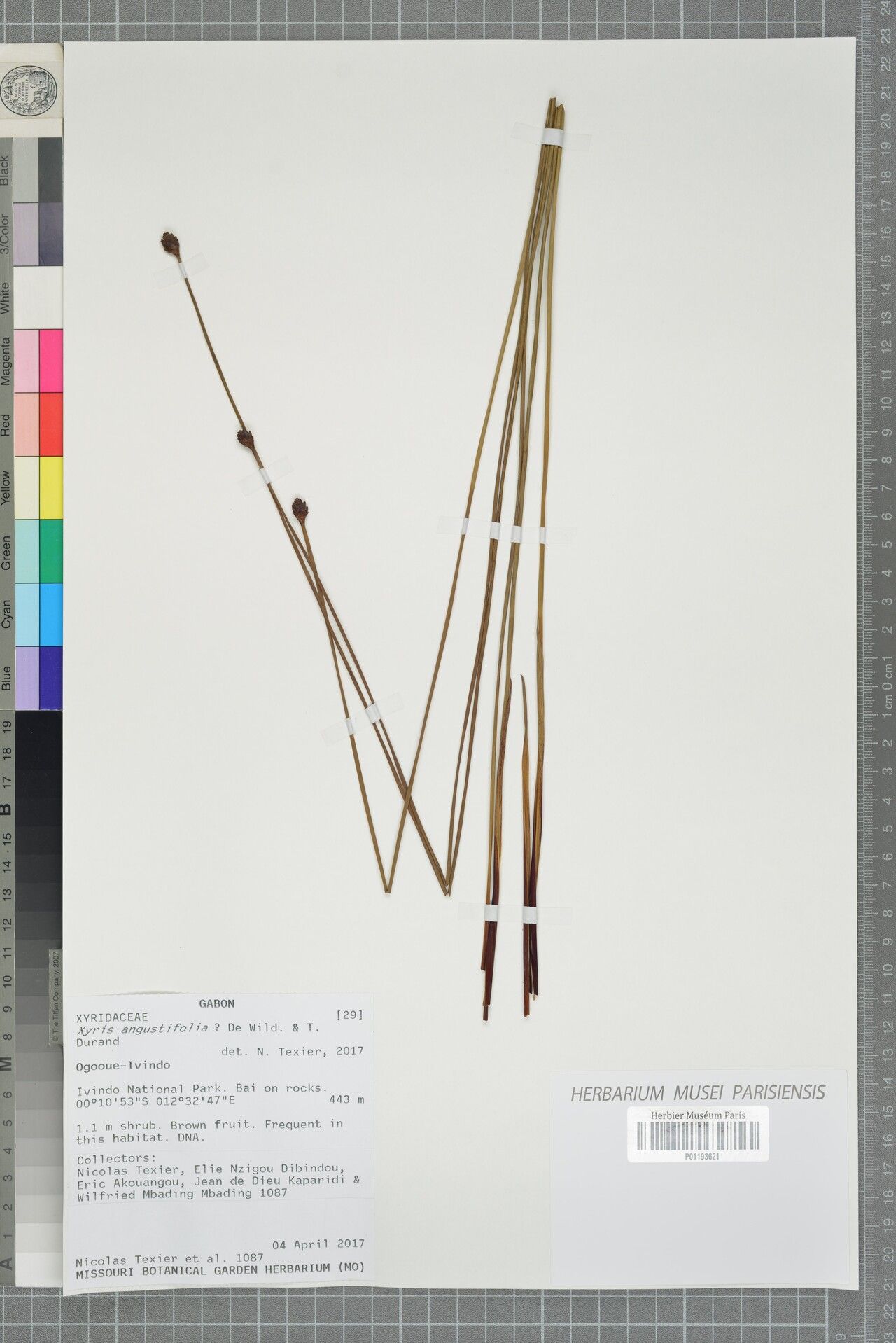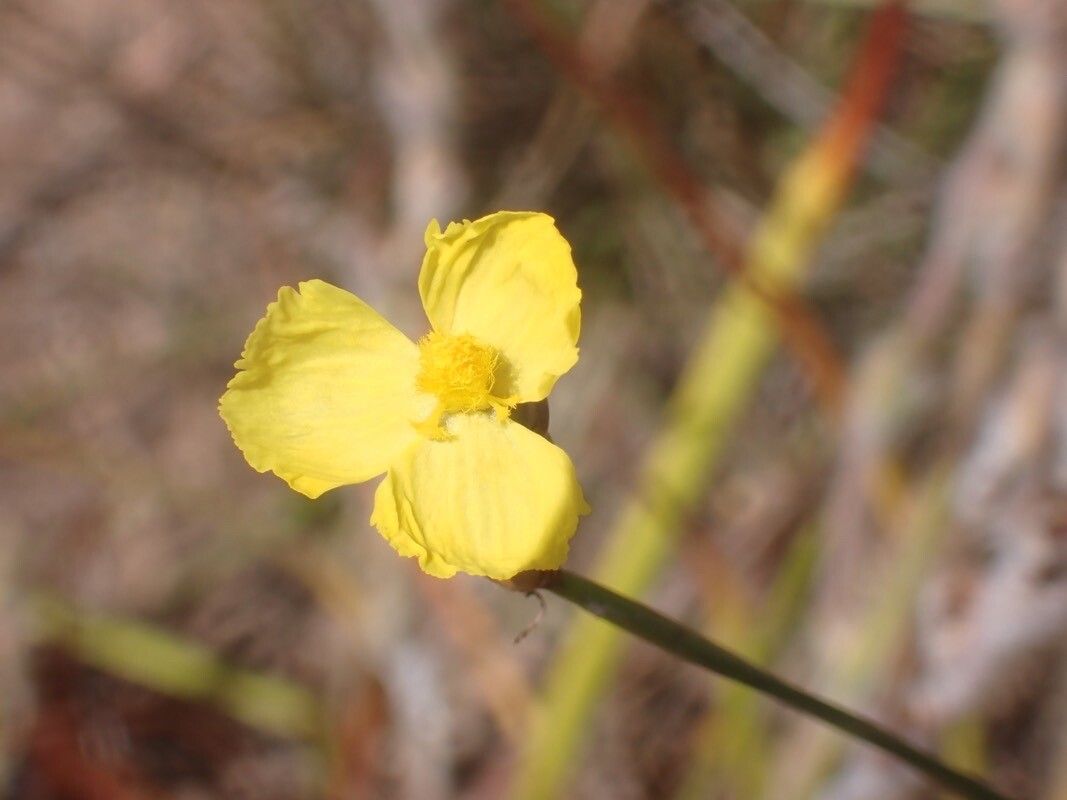
Xyris complanata, known as the feathered yellow-eye is a tufted herb in the Xyridaceae family. It is native to southern China, India, Sri Lanka, Thailand, Cambodia, Laos, Vietnam, Malaysia, Indonesia, the Philippines, New Guinea and Australia. It is also naturalized in Hawaii where it is known as Hawai'i yelloweyed grass. In New South Wales it grows in moist areas, often near swamps or in heathland.
Hatpins is fairly disease-resistant and typically does not develop illnesses. However, it can be vulnerable to pests and diseases present in its environment. Such infections are usually mild. Regarding care, the plant requires moderate maintenance. Regular pruning is necessary to preserve a neat appearance and encourage healthy growth. Applying fertilizer can also help promote flowering. Hatpins is suitable for anyone with outdoor space, such as a garden or patio, and does not demand much plant-care experience. When grown indoors, it may require more attention.
How to keep Xyris Complanata.
Light
Hatpins is a sun-loving, perennial herbaceous plant that comes from open habitats and often thrives in meadows and grasslands. It prefers full sun but can also tolerate partial sun.
Water
Hatpins thrive in wetlands, where they prefer consistent moisture and high humidity. To mimic their natural habitat, they require weekly watering to keep the soil damp. Often grown outdoors, hatpins adapt well to rain gardens, where they rely on natural precipitation to meet their water needs.
Fertilizer
A single fertilizer application in spring is generally adequate for Hatpins, though repeated feedings can maximize growth. Feed every month to six weeks. Fertilizing improves the appearance and function of the leaves, promoting even color and a healthy texture. It also encourages root development and nutrient uptake, supporting the plant’s long-term health.
Pruning
Prune hatpins between early and late spring to encourage new growth and keep them looking neat. By removing old foliage and dead stalks, you can improve air circulation, prevent disease, and optimize the plant's health and blooming potential, all while enhancing its overall aesthetic appeal.