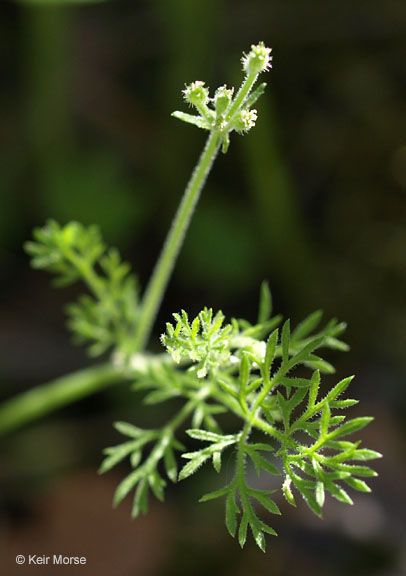
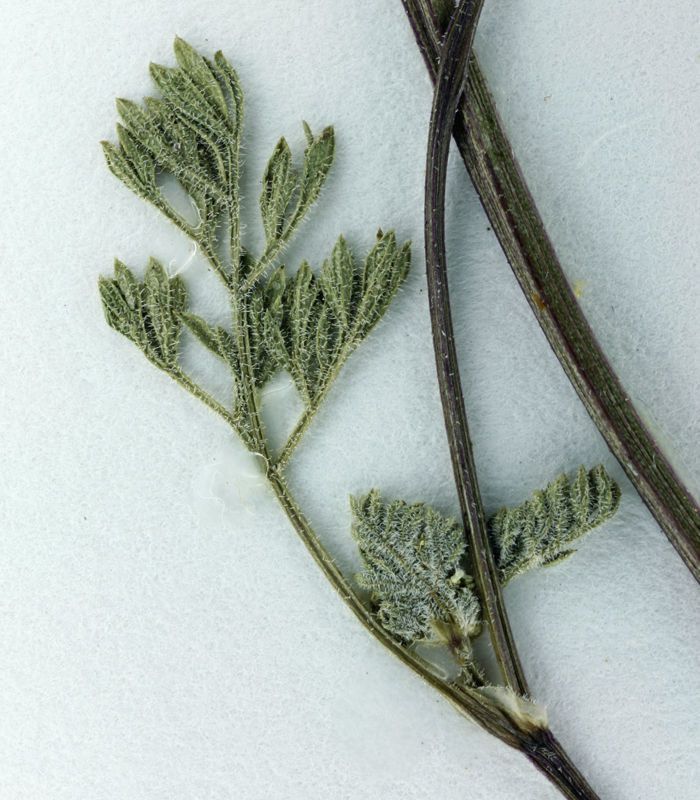
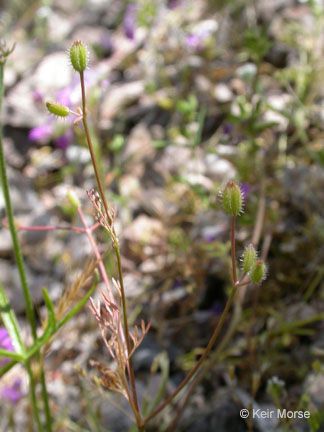
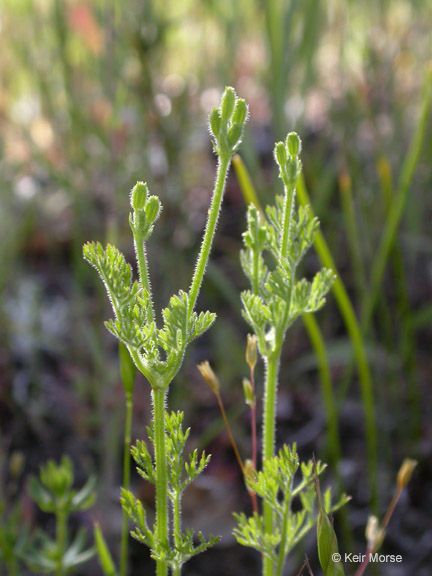
Yabea microcarpa is a small, evergreen shrub that belongs to the Ericaceae family. It is native to the Mediterranean region and can be found in countries such as Spain, Portugal, and Morocco. The plant usually reaches a height of up to 1 meter and has a dense, bushy growth habit with small, dark green leaves.
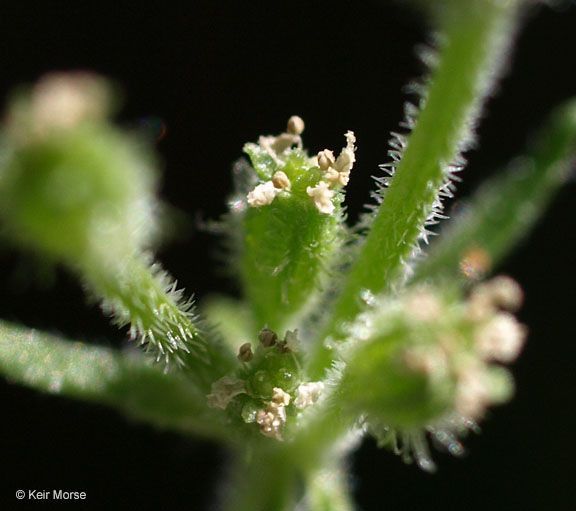
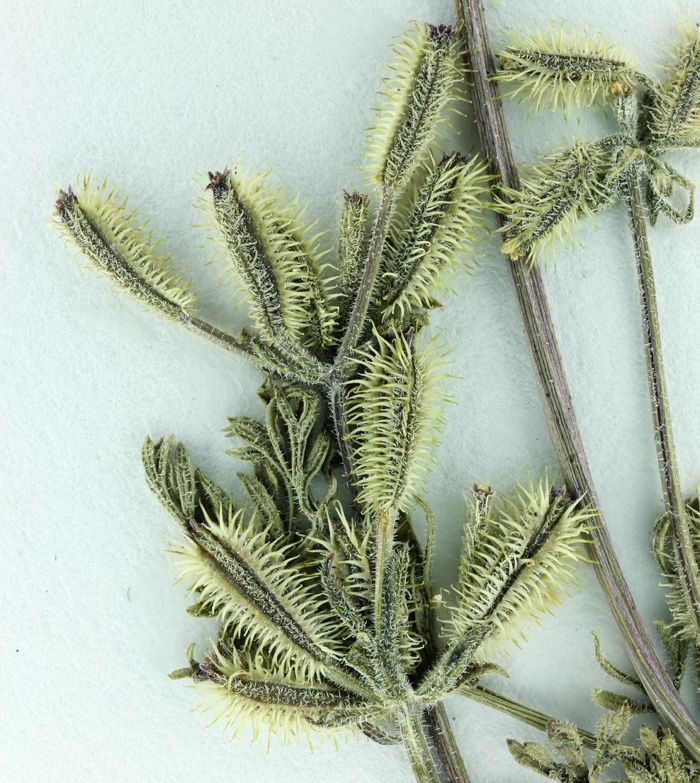
The plant produces small white or pink flowers that bloom from late spring through early summer. These flowers are followed by tiny berries that mature from green to red. While the berries are edible, they are not commonly consumed.
Yabea microcarpa prefers well-drained soil and full sun exposure but can tolerate partial shade. It is drought-tolerant once established but benefits from occasional watering during prolonged dry spells.
The plant is attributed with several medicinal properties, including being used to treat respiratory problems such as asthma and bronchitis due to its expectorant properties. It also possesses anti-inflammatory effects, making it useful for treating conditions like arthritis pain and other inflammatory issues.
Overall, Yabea microcarpa is an attractive shrub with ornamental value due to its dense foliage and delicate flowers, making it an excellent choice for landscaping. Additionally, its medicinal benefits add to its value in traditional medicine practices.
In the Home
False carrot has strong resistance to disease and is generally not prone to illness. However, it can be affected by pests and diseases present in its environment. These infections are typically mild. Regarding care, this plant requires moderate maintenance. It needs regular pruning to preserve a good appearance and healthy growth. Fertilizing can also help encourage flowering. False carrot is suitable for anyone with outdoor space, such as a garden or patio, and does not demand extensive care experience. It may need extra attention when grown indoors.