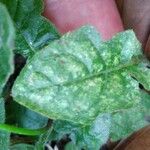
Youngia japonica
Japanese hawksbeard · Oriental false hawksbeard · Oriental hawksbeard · Oriental False Hawk's-Beard · Youngia
Description
Source: leafsnapYoungia japonica, commonly known as Oriental false hawksbeard, is a perennial herbaceous plant belonging to the Asteraceae family. Native to East Asia, it is found in countries such as China, Japan, Korea, and Taiwan. The plant typically reaches up to 50 cm in height and features a basal rosette of lance-shaped leaves with toothed edges. Its slender stem bears small yellow flowers that bloom from late summer to autumn. For centuries, Youngia japonica has been utilized in traditional Chinese medicine. It contains bioactive compounds, including flavonoids and sesquiterpenes, which have demonstrated anti-inflammatory properties. The plant thrives in moist soil conditions but can tolerate drought once established. It grows well in both full sun and partial shade and can be propagated through seeds or the division of the root system. Youngia japonica is also favored as an ornamental garden plant due to its appealing yellow flowers, which bloom late into autumn, a time when many other plants have already finished flowering. Its medicinal properties further enhance its appeal for herbalists who seek natural remedies for ailments such as inflammation-related conditions like arthritis or skin irritations like eczema. In summary, Youngia japonica is a noteworthy perennial with both ornamental and medicinal value, making it a valuable addition to any garden or herbal medicine cabinet.
💡 Oriental false hawksbeard has spread to every continent except Antarctica and poses a threat to native plants by outcompeting them. Its seeds can be dispersed by wind and rivers, and they often become mixed with soil and seeds that are prepared for transport. While it is commonly consumed as a vegetable in eastern Asia, it is rarely eaten by people in other parts of the world.
🌳 Besides its ordinary recognition, oriental false hawksbeard has a distinct use as a bioindicator of soil health. Where it appears and how it grows can indicate the levels of particular metals in the soil, supplying an ecological sign of possible contamination or nutrient balance. Such information is useful for environmental monitoring and can help inform agricultural practices.
🎭 Purity, optimism
Care Guide
💧 Water Every 3 days
The Oriental false hawksbeard thrives in conditions with consistent moisture, requiring weekly watering for optimal growth. This herbaceous plant has moderate drought tolerance and typically depends on rainfall patterns. During dry spells, it needs additional watering to mimic its natural habitat.
What should I do if I give my Oriental false hawksbeard plant either too much or too little water?
To prevent underwatering Oriental false hawksbeard, simply water it more regularly when you notice it lacks moisture. However, overwatering can be a more serious issue, potentially leading to diseases and the plant's decline. To prevent this, choose a growing location that gets plenty of sunlight to dry the soil and has good drainage to avoid waterlogged soil. If your potted Oriental false hawksbeard is overwatered, consider repotting it into a container with better drainage and loose soil.
How frequently should I water my Oriental false hawksbeard?
To keep your Oriental false hawksbeard healthy, it's important to water it consistently. During the growing season, start by watering it once a week in the spring. As the weather gets warmer, you may need to increase the frequency to two or three times a week. However, be careful not to overwater, as it can harm the plant. Regardless of how often you water, make sure the soil remains moist but not wet. If your Oriental false hawksbeard is in a pot, it will need more frequent watering than if it were in the ground. Potted plants dry out faster, so aim to water them a few times each week compared to just once for plants in the ground.
How much water does my Oriental false hawksbeard plant need?
Determining the appropriate amount of water to give to your Oriental false hawksbeard can be done in various ways. One approach is to assess the soil's moisture level by feeling it. In this method, you should water until the first six inches of soil feel moist. Another option is to use a fixed measurement. Typically, providing about two gallons of water per week should suffice for your Oriental false hawksbeard, taking into account factors like temperature and soil dryness. However, strictly adhering to this guideline might lead to overwatering if your plant requires less water in a given week. When growing Oriental false hawksbeard in a container, a different method is necessary. It is recommended to water until all the layers of dry soil are moistened. To check for moisture, simply use your finger to feel the soil. Additionally, you can water until you observe a slight drainage of excess water from the pot's holes.
How do I know if I'm watering my Oriental false hawksbeard plant enough?
Avoiding overwatering your Oriental false hawksbeard can be challenging. These plants have deep roots and need weekly soil moisture, but they are highly vulnerable to root rot and browning from excess water. Underwatering is less of a concern as these plants can survive without extra watering, but if they go too long without water, they may wilt and have dry leaves.
How should I water my Oriental false hawksbeard throughout the year?
As the season progresses, you should adjust your watering schedule for your Oriental false hawksbeard. In spring, water it once a week. When summer arrives and it gets hotter, you may need to increase watering to about three times a week, especially if it is in a container. Containers tend to dry out faster in warm weather. In autumn, as the temperature drops and the sun loses some of its strength, you can reduce the frequency of watering a bit, while it is still blooming.
☀️ Light Partial sun
Oriental false hawksbeard prefers moderate sun exposure but is able to tolerate both stronger and weaker light. In its native habitat it does well across varying light intensities, from full shade to more intense solar exposure. Excessive or insufficient sunlight can affect the plant’s health and change its growth patterns.
What are the sunlight requirements for Oriental False Hawksbeard?
Oriental False Hawksbeard thrives under moderate to various light conditions, including partial sun (about 3-6 hours of sunlight) to full sun or full shade (above 6 hours of sunlight). However, it's essential to watch how sunlight moves through your garden to pick spots that offer a balance of light and shade, ensuring the plant's health and happiness. The plant can adjust to different light intensities, from full shadow to stronger solar exposure, but its health might be affected by over or underexposure to sunlight.
How does artificial lighting affect plant growth, and what are the recommendations?
Indoor Oriental False Hawksbeard plants require adequate lighting for optimal growth, especially when natural sunlight is insufficient. Artificial lights, such as LED lights, are recommended because they can provide the specific wavelengths of light that plants need. For full sun plants, 30-50W/sq ft of artificial light is needed, partial sun plants require 20-30W/sq ft, and full shade plants need 10-20W/sq ft. The light source should be placed 12-36 inches above the plant and kept on for 8-12 hours per day to mimic natural sunlight.
What are the symptoms of inadequate or excessive light exposure in Oriental False Hawksbeard?
Symptoms of inadequate light exposure include small, new leaves, leggy or sparse growth, faster leaf drop, slower or no new growth, and lighter-colored or yellow leaves indicating a lack of chlorophyll. Excessive sunlight can cause sunscald, leaf curling, wilting, leaf scorching, and chlorosis, where leaves lose their green color due to the breakdown of chlorophyll. These conditions affect the plant's ability to photosynthesize and overall health.
What are the solutions for managing light exposure for Oriental False Hawksbeard?
To optimize growth, gradually adapt plants to changing light conditions by shifting them to sunnier spots each week until they receive the desired 3-6 hours of direct sunlight daily. For indoor plants, use artificial light like desk or ceiling lamps for at least 8 hours a day or invest in professional plant grow lights. When adjusting outdoor plants, make the changes gradual to avoid sunburn. Reducing obstructions, like pruning trees or transplanting to sunnier locations, can also help increase exposure to sunlight. It's important to note that while parts of the plant affected by insufficient sunlight may not recover, new growth should be healthy with adequate light.
🌡️ Temperature 5–35°C
Oriental false hawksbeard grows best in its native temperate climate, ideally at temperatures of 68 to 95°F (20 to 35℃). Seasonal adjustments to temperature may be required to preserve its vigorous growth.
What are the ideal growing conditions for Oriental false hawksbeard?
Oriental false hawksbeard, or Youngia japonica, thrives best in temperate conditions, with ideal temperatures ranging between 68 to 95°F (20 to 35°C). It originates from regions where these conditions are native, ensuring its robust growth. Although this plant has a strong resistance to cold, it can benefit from seasonal temperature adjustments to maintain its vitality.
Does Oriental false hawksbeard require frost protection?
Generally, Oriental false hawksbeard does not require special frost protection due to its strong cold resistance. However, in conditions where winter temperatures are expected to drop below -25°C, it is important to provide additional protection. This can be achieved by covering the plant with soil or straw to insulate it from extreme cold. Additionally, watering the plant abundantly before the first freeze in autumn ensures the soil remains moist and enters a frozen state, which helps prevent drought and water scarcity during the colder months.
How does low temperature affect Oriental false hawksbeard and what can be done?
Oriental false hawksbeard is cold-tolerant and performs best when temperatures are above 20°C, but should be kept above 0°C during winter. When temperatures fall below -25°C, the plant may not show immediate changes, but its ability to sprout in spring could be impaired, resulting in decreased sprouting or absence of sprouting. To address this, it's recommended to remove any parts that failed to sprout in spring, allowing for healthier growth.
What effects do high temperatures have on Oriental false hawksbeard and how can they be mitigated?
During the summer, it's crucial to ensure that temperatures around the Oriental false hawksbeard do not exceed 35°C. Exposure to temperatures above 41°C can cause the plant's leaves to lighten in color, become prone to curling, suffer from sunburn, and, in severe cases, lead to the wilting and drying of the entire plant. To mitigate these effects, sunburned and dried-up parts of the plant should be trimmed away. The plant should be moved to a shaded location or covered with a shade cloth during the midday and afternoon sun. Additionally, watering the plant in the morning and evening will help keep the soil moist and protect the plant from heat stress.
💨 Humidity
🪴 Soil 6-7
🌱 Fertilizer
Oriental false hawksbeard benefits from regular, light applications of fertilizer to encourage healthy leaf growth. You should fertilize Oriental false hawksbeard about once a month during the summer months. Nitrogen is essential for foliage, and supplying nitrogen-rich sources helps Oriental false hawksbeard thrive.
🪴 Pot & Repot Every 12 months
✂️ Pruning
🌿 Propagating
🐛 Diseases & pets
☠️ Toxicity
Characteristics
- Plant Type
- Herb
- Life Cycle
- Annual, Biennial
- Genus
- Youngia
- Family
- Asteraceae
- Hardiness Zone
- 5-10
- Mature Height
- 10 cm to 91 cm
- Mature Spread
- 15 cm to 30 cm
- Leaf Color
- Green, Blue
- Leaf Type
- Deciduous
- Flower Color
- Yellow
- Flower Size
- 2.54 cm
- Bloom Time
- Mid spring, Late spring, Early summer
- Planting Time
- Spring
- Harvest Time
- Early summer, Mid summer
- Native Area
- Nepal, Afghanistan, Malaysia, Cambodia, Vietnam, Myanmar, Japan, Philippines, Koppen, Bhutan, Pakistan, South Korea, Thailand, China