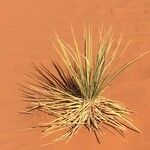
Yucca angustissima
Narrow-leaf yucca · Narrowleaf yucca
Description
Source: leafsnapYucca angustissima, commonly known as narrowleaf yucca, is a perennial plant native to the southwestern United States and northern Mexico. It belongs to the Agavaceae family and can grow up to 6 feet tall with a spread of 3 to 4 feet. The plant features long, narrow, blue-green leaves that can reach up to 2 feet in length. These leaves are stiff and pointed, with sharp tips that require careful handling. In late spring or early summer, Yucca angustissima produces tall spikes adorned with creamy white, bell-shaped flowers. These flowers, with their six petals, emit a sweet fragrance that attracts pollinators such as moths. Highly drought-tolerant, this plant thrives in well-drained soil under full sun or partial shade. Its unique appearance, low maintenance needs, and resilience in hot climates make it a popular choice for ornamental landscaping. Beyond its decorative appeal, Yucca angustissima has been used medicinally by Native American tribes for centuries. Its roots contain saponins, which have served as soap substitutes, while its leaves have been valued for their antiseptic properties. Overall, Yucca angustissima is a fascinating plant with both aesthetic charm and practical uses, making it a superb addition to any garden or landscape design project.
🎭 Defense, purity and cleansing
Care Guide
💧 Water Every 7 days
The narrowleaf yucca is a drought-tolerant plant that thrives in arid environments with little moisture. It requires infrequent watering, about once every 2-3 weeks. Its slim leaves are adapted to store water efficiently, making it an excellent choice for xeriscaping or rock gardens aimed at water conservation.
What is the best way to water my Narrowleaf yucca plant?
Misting can help keep the leaves hydrated without making them too soggy. Good drainage is important to prevent root rot. This plant is sensitive to fluoride, which is often found in public water supplies, and it also doesn't tolerate hard water during its growing stages. To water the plant, use a watering can or sprinkler with purified or distilled water. Make sure to water the soil evenly to avoid rotting stems. Using distilled water occasionally is recommended to prevent plant death, leaf burn, or stunted growth. If possible, use rainwater. Keep the soil moist but not overly soggy if the Narrowleaf yucca is potted. For plants in the garden, ensure proper drainage and allow the soil to dry completely before using a sprinkler or hose to avoid root rot and yellowing leaves. Some people use hydrogen peroxide in the water occasionally to simulate rainwater, but it's not recommended for regular use. Consider using a filtration system to remove nitrates, salt, and lead from the water.
What should I do if I give too much or too little water to a Narrowleaf yucca plant?
Here are some signs that your plants may not be getting enough water: brown tips on the plant, drooping leaves, and wrinkled stems in the case of the Narrowleaf yucca. These plants are sensitive to minerals like boron and fluoride usually found in tap water, which can cause an excess buildup. When this happens, the leaves may become brown, crispy, and dry. To remedy the situation, water the plants as soon as possible. On the other hand, overwatering can lead to root rot. If you notice mushy, fragile, and black roots, it's important to remove them from the soil. Cutting off a larger part of the root may help address this issue. Overwatering can also cause the leaves to turn brown and fall off prematurely. In such cases, drain the excess water and wait for the soil to dry before watering again to help the plant recover. If you notice signs of root rot, discard the soil from the pot and clean everything thoroughly. Additionally, ensure proper drainage by adding pebbles to the pot. Any excess water at the base of the pot that results in tan rings or reddish-brown spots on the leaves should be discarded.
How frequent do I need to water my Narrowleaf yucca plant?
The Narrowleaf yucca is a tough plant that can handle drought well. If it's in a pot, you only need to water it every 1-2 weeks when the soil is completely dry. Water it generously until you see water coming out of the drainage holes. Remember to remove any excess water from the saucer after an hour to avoid waterlogging. When planted in a garden, consider the rainfall the plant is already receiving. The roots don't like to be constantly wet, so make sure the landscape has proper irrigation. Watering once every 2 weeks should be enough, especially in tropical areas with heavy rain and monsoons.
How much water does my Narrowleaf yucca plant require?
When growing Narrowleaf yucca outdoors, water it when the top two inches of soil are dry. Aim to water it at least once every two weeks. Be mindful of rainfall, seasonal changes, and the overall moisture in the environment to avoid overwatering. If you are growing Narrowleaf yucca indoors or in a nursery, water it more frequently, about once a week. Since these plants may not have access to rainwater or sufficient moisture indoors, it's important to monitor them closely. If you notice the plant leaves sagging, that's a sign that it needs watering. Keep the roots moist, but avoid making the soil soggy. To water Narrowleaf yucca, soak the pot thoroughly and ensure the water drains properly. Only water when the soil is partially dry, and avoid having a fixed watering schedule. These plants do not require frequent watering, so wait a few days before giving them a drink. Using well-draining soils and placing them in a high-humidity environment will also help their growth. During hot summer months and the growing season in spring, water Narrowleaf yucca every 1 to 2 weeks. They require more water during these periods to support their growth. In winter and fall, water them only every 2 to 4 weeks, but make sure the soil has completely dried out before watering again.
How can I make sure I'm giving enough water to my Narrowleaf yucca?
For the Narrowleaf yucca, it is recommended to water on a bi-weekly or weekly schedule. Wait for the soil to dry 2 to 4 inches before watering, especially for adult plants, to avoid overwatering. Make sure to water generously until water comes out of the drainage holes, but do not let standing water stay in the saucers. Excess watering can cause root rot, so it's better to give too little water than too much for this species. Whether the yucca is indoors or outdoors, the soak and dry method is sufficient. This means that you should completely saturate the soil around the plant when watering. Remember to keep a record of each watering session on an app or in your calendar. Allowing the soil to dry out between waterings helps prevent root rot and promotes the development of a healthier root system. When watering, use a sprinkler or a watering can that can reach the roots to prevent wilting of the plant.
☀️ Light Full sun
The narrowleaf yucca performs best in full sun, which promotes strong growth and good health. Although it can tolerate occasional reduced light, extended periods in low-light conditions can restrict its proper development. In its native habitat it occurs where sunlight is plentiful. Both excessive and insufficient sunlight can negatively impact the plant.
What are the sunlight requirements for Narrowleaf Yucca?
Narrowleaf Yucca requires full sun exposure for optimal growth, which means it should receive above 6 hours of sunlight a day. It can tolerate partial sun, roughly 3-6 hours of sunlight, though for robust growth and health, a site with abundant sunlight resembling its native habitat is ideal. Inadequate sunlight can lead to stunted growth, while prolonged exposure to the wrong lighting conditions can adversely affect the plant's health.
Can narrowleaf yucca be grown indoors, and how should artificial lighting be utilized?
Yes, narrowleaf yucca can be grown indoors, especially if natural sunlight is lacking, using artificial lighting. Indoor plants require adequate artificial lighting for optimal growth, promoting faster, healthier growth. LED lights are recommended due to their ability to be customized to provide specific wavelengths of light. Full sun plants need 30-50W/sq ft, partial sun plants require 20-30W/sq ft, and full shade plants should have 10-20W/sq ft of artificial light. The light source should be placed 12-36 inches above the plant and kept on for 8-12 hours per day to mimic natural daylight conditions.
What are the symptoms of poor lighting conditions on narrowleaf yucca?
Poor lighting conditions can lead to several issues for narrowleaf yucca including smaller new leaves, leggy or sparse growth, faster leaf drop, slower or no new growth, lighter-colored new leaves, chlorosis, sunscald, leaf curling, wilting, and leaf scorching. These symptoms arise from either insufficient sunlight, which affects the plant's ability to grow and thrive, or excessive sunlight, which can cause damage and reduce the plant's overall health.
How can I improve the growth of my narrowleaf yucca in inadequate lighting conditions?
To improve growth, gradually expose your narrowleaf yucca to more sunlight or use artificial light. Indoors, move the plant to a sunnier location weekly until it receives at least 6 hours of direct sunlight, using a south-facing window for maximum exposure. Consider artificial light for large or immobile plants, keeping lamps on for at least 8 hours daily. Outdoors, adapt plants to sunlight gradually to prevent sunburn. Prune or remove obstacles that block sunlight, and for smaller plants, consider transplanting to a sunnier location during their dormant period for better sunlight access and drainage.
🌡️ Temperature 10–35°C
Narrowleaf yucca is native to regions where temperatures range from 50 to 95 °F (10 to 35 ℃). It grows best within this range; exposure to colder or hotter conditions can place stress on the plant. Adjustments for temperature variations should be handled carefully.
What is the ideal temperature range for Narrowleaf yucca?
Narrowleaf yucca, botanically known as Yucca angustissima, thrives in temperatures ranging from 50 to 95 °F (10 to 35 °C). It is indigenous to areas within this temperature range, and while it shows strong cold resistance, adaptation outside of this range could stress the plant. Ensuring it remains within these temperature boundaries is crucial for its growth and health.
How to protect Narrowleaf yucca from extreme cold?
Despite its strong cold resistance, Narrowleaf yucca requires special frost protection measures if winter temperatures are expected to drop below -25°C. Protection can be provided by covering the plant with materials like soil or straw. Additionally, watering the plant abundantly before the first freeze in autumn is recommended to ensure the soil remains moist and enters a frozen state, helping prevent drought and water scarcity during winter and early spring.
What should you do if Narrowleaf yucca experiences low temperatures?
Narrowleaf yucca is cold-tolerant, with optimal growth observed when temperatures are above 10°C. It should remain above -15°C during winter. If temperatures fall below -25°C, the plant may not show immediate changes, but a decrease in sprouting or complete lack of sprouting may occur in the spring. If this happens, it's advised to remove any parts of the plant that have failed to sprout in spring.
How should you care for Narrowleaf yucca in high temperatures?
In the summer, it's important to ensure that the temperature around Narrowleaf yucca stays below 35°C. Exposure to temperatures above 38°C can cause the leaves to lighten in color, curl, become susceptible to sunburn, and in severe cases, cause the plant to wilt and dry up. To mitigate this, trim away the sunburned and dried parts, move the plant to a shaded location, or use a shade cloth to protect it from midday and afternoon sun. Morning and evening watering to keep the soil moist is also beneficial.
💨 Humidity
🪴 Soil 6-7
🌱 Fertilizer
The best time to fertilize a Narrowleaf yucca is in early spring, as it comes out of dormancy and begins active growth. Fertilization supplies essential nutrients for healthy development. Although Narrowleaf yucca has relatively low fertilizer requirements, giving it fertilizer once a year can improve its survival and encourage better, longer-lasting blooms.
Why should I put fertilizer on my Narrowleaf yucca?
The main structure of the Narrowleaf yucca is its leaves. To ensure that these leaves look great and serve their purpose, fertilization is key. Proper fertilization will help maintain the consistent color and healthy texture of the leaves. Fertilization also has benefits below the surface by promoting the growth of new roots and maintaining existing ones. This not only keeps the plant healthy currently but also improves its ability to absorb nutrients from the soil in the long run.
When should I fertilize my Narrowleaf yucca plant?
If you grow your Narrowleaf yucca outdoors, it will start new growth in early spring. This is when you should begin fertilizing the plant. Usually, one application of fertilizer is enough for a healthy Narrowleaf yucca, but if you want it to grow more, you can fertilize it multiple times throughout the spring and early summer. In this case, you can feed your Narrowleaf yucca approximately once every month to a month and a half.
When is it not a good time to fertilize my Narrowleaf yucca?
During the late fall and winter, your Narrowleaf yucca will go into a dormant phase and stop growing. During this time, it's best to avoid fertilizing it. In the spring and summer, if you choose to fertilize, gradually reduce the amount as summer approaches because the yucca's growth rate will also slow down. It's important to note that you should never fertilize your Narrowleaf yucca during exceptionally hot weather or when the soil is extremely dry, as this can stress the plant and cause it to die prematurely.
What kind of fertilizer does my Narrowleaf yucca plant require?
Choosing the best fertilizer for a Narrowleaf yucca is a simple task. These plants do well with a general-purpose garden fertilizer that has equal amounts of nitrogen, phosphorus, and potassium. A fertilizer with a ratio of 10-10-10 or similar will work effectively. It's best to avoid fertilizers with high nitrogen content if unsure. Granular fertilizers are commonly recommended for Narrowleaf yucca and should be slow-release for easy soil application. Additionally, using an organic soil amendment like compost can be beneficial for feeding the Narrowleaf yucca.
How can I add fertilizer to my Narrowleaf yucca plant?
To ensure optimal growth for your Narrowleaf yucca, wait until the first leaves start appearing in early spring. Once you spot this sign, apply a granular slow-release fertilizer with a balanced formula to the soil surrounding the base of the plant. You can repeat this process later in the season if desired. Remember to apply the fertilizer to the soil, not the plant itself, which may necessitate moving some leaves temporarily. It's also recommended to water your Narrowleaf yucca before and after fertilizing.
🪴 Pot & Repot
✂️ Pruning
Narrowleaf yucca is a hardy evergreen plant characterized by its slender leaves and tall flower stalks. To encourage new growth, it is best to prune in early to late spring, removing any dead parts. Use sharp tools for clean cuts, which will improve airflow and help minimize pest problems. Avoid cutting healthy green leaves unless you need to control the plant's size.
🌿 Propagating
🐛 Diseases & pets
☠️ Toxicity
Characteristics
- Plant Type
- Herb, Shrub
- Life Cycle
- Perennial
- Genus
- Yucca
- Family
- Asparagaceae
- Hardiness Zone
- 6-9
- Mature Height
- 40 cm
- Mature Spread
- 3.05 m
- Leaf Color
- Green
- Leaf Type
- Evergreen
- Flower Color
- White
- Flower Size
- 2.03 cm to 3.05 cm
- Bloom Time
- Early summer, Mid summer
- Planting Time
- Spring, Summer
- Harvest Time
- Late summer, Early fall, Mid fall