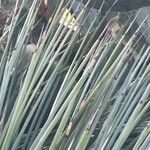
Yucca flaccida
Adam's-needle · Bear-grass · Flaccid-leaf yucca · Weak-Leaf Yucca · Weak-leaved yucca
Description
Source: leafsnapYucca flaccida is a perennial plant in the Asparagaceae family, native to the southeastern United States. It thrives in various habitats, including sandy soils, pine forests, and coastal plains. This plant features a distinctive rosette pattern of long, narrow leaves that grow from the base of the stem. The leaves are greenish-blue and have sharp tips. In late spring to early summer, Yucca flaccida produces tall spikes of creamy-white, bell-shaped flowers with six petals arranged in a star-like pattern. Yucca flaccida is drought-tolerant and can grow in various soil types, provided they are well-draining. While it prefers full sun, it can also tolerate partial shade. Aside from its ornamental appeal, Yucca flaccida has medicinal uses, especially for treating arthritis pain due to its anti-inflammatory properties. Overall, Yucca flaccida is an attractive perennial with unique features, making it an excellent addition to gardens or landscapes that require low-maintenance, drought-tolerant plants.
Care Guide
💧 Water Every 7 days
Originating from arid regions, the weak-leaf yucca is well-suited to low-water environments and requires minimal maintenance. It only needs watering every 2-3 weeks. This plant thrives in well-draining soil and full sun, and its succulent-like leaves store water, making it an excellent choice for rock gardens and drought-resistant landscapes.
How should I water my Weak-leaf yucca?
When misting your plant, be careful not to make the leaves too wet. To avoid root rot, ensure proper drainage. This plant is sensitive to fluoride and does not tolerate hard water, especially while it's growing. To water the plant, use a watering can or sprinkler with purified or distilled water. Make sure to water the soil evenly to prevent rotting stems. It's best to use distilled water occasionally instead of tap water to prevent plant death, leaf burn, or stunted growth. If possible, collect rainwater to use for watering. Keep the soil moist but not overly soggy if the plant is in a pot. If the plant is in your garden, ensure good drainage and let the soil completely dry before using a sprinkler or garden hose to avoid root rot and yellowing leaves. Using hydrogen peroxide occasionally in the water can mimic rainwater, but do not rely on it as a regular treatment. Consider installing a filtration system to remove nitrates, salt, and lead from the water.
What do I do if I give the Weak-leaf yucca too much or too little water?
Here are some signs that your plants may not be getting enough water: brown tips on the plant, drooping leaves indicating an excess of boron and fluoride from tap water, and wrinkles on the stems of Weak-leaf yuccas. If you notice these signs, it's important to water the plants as soon as possible. On the other hand, overwatering can lead to root rot, which is characterized by damaged roots that are mushy, fragile, and black. To address this issue, it's necessary to remove the damaged roots by cutting off a larger part of the root. Overwatering can also cause the leaves to turn brown and fall off, so it's advised to drain excess water and allow the soil to dry before watering again. If you see signs of root rot, it's recommended to discard the soil, clean everything thoroughly, and ensure proper drainage by putting in pebbles. Additionally, if you notice tan rings or reddish-brown spots on the leaves, make sure to discard any excess water at the base of the pot.
How much water does my Weak-leaf yucca need?
The Weak-leaf yucca is a tough plant that can tolerate drought. If you have it in a pot, water it only every 1-2 weeks when the soil is dry. Water generously until it starts to trickle out of the drainage holes, then remove any excess water from the saucer. When planted in the garden, consider the amount of rainfall the plant receives. The roots don't like to be in water, so ensure proper irrigation in the landscape. Water once every 2 weeks, especially in tropical areas with lots of rain and monsoons.
How much water does my Weak-leaf yucca plant need?
Here are some guidelines for watering Weak-leaf yucca plants: 1. When growing Weak-leaf yucca outdoors: - Water the plant when about 2 inches of the top soil is dry. - Aim to give it water at least once every two weeks. - Be mindful of factors like rainwater, seasonal changes, and moisture in the environment to avoid overwatering. 2. When growing Weak-leaf yucca indoors: - If the plant is grown indoors or in a nursery, water it more frequently, about once a week. - These plants may not have access to rainwater or extra moisture indoors, so they require more frequent watering. - Look for signs of wilted leaves to determine if they need water. 3. Proper watering technique: - Keep the roots moist but not soggy. - The best approach is to soak the pot and let the water drain. - Water when the soil is partially dry, rather than on a fixed schedule. - Weak-leaf yuccas are not very thirsty plants, so wait a couple of days before watering again. - Using well-draining soil and placing the plant in a spot with high humidity can also help its growth. 4. Watering frequency during different seasons: - During hot summer months and the growing season, water the plant every 1 to 2 weeks. - In winter or fall, reduce watering frequency to every 2 to 4 weeks, but make sure to water when the soil is completely dried out.
How can I make sure I am giving enough water to my Weak-leaf yucca plant?
For the Weak-leaf yucca, watering every two weeks or weekly is usually sufficient. Wait until the soil is dry to a depth of 2 to 4 inches, especially for adult plants, to avoid overwatering. When irrigating, make sure to pour enough water until you see it coming out of the drainage holes, but don't let any water stand or collect in the saucers. Overwatering can lead to root rot, so it's better to underwater this species. Whether your yucca is indoors or outdoors, the soak and dry method works well. Completely saturate the soil around the plant and keep track of each watering in an app or calendar. Allow the soil to dry out before watering again, as this will prevent root rot and support a healthier root system. When watering, use a sprinkler or watering can that can reach the roots to prevent the plant from wilting.
☀️ Light Full sun
The weak-leaf yucca does best with strong light, reflecting its native habitat where sunlight is plentiful. Its growth and healthy development depend on bright illumination. Excessive shading can cause the leaves to lose vigor, while too much light can lead to leaf burn.
What are the sunlight requirements for Weak-leaf yucca?
Weak-leaf yucca thrives best when exposed to full sun, which means it requires more than 6 hours of sunlight daily. However, it can also grow in partial sun, receiving about 3-6 hours of sunlight. It's important to observe how sunlight moves through your garden to ensure you're placing your Weak-leaf yucca in a spot that offers the ideal balance of light and shade, catering to its happiness and growth.
How essential is sunlight for Weak-leaf yucca's growth?
Sunlight is crucial for the growth of Weak-leaf yucca, imitating its native environment where it is exposed to vigorous light. Its health and maturity heavily depend on receiving intense sunlight. Lack of adequate lighting can lead to decreased foliage vigor, while too much direct exposure might cause leaf burn. Additionally, for indoor plants or plants in less sunny areas, utilizing artificial lighting, such as LED lights, can provide the necessary wavelengths of light. The recommended artificial light intensity varies depending on the type of plant - full sun plants require 30-50W/sq ft, partial sun plants need 20-30W/sq ft, and full shade plants need 10-20W/sq ft.
What symptoms indicate Weak-leaf yucca is not receiving enough sunlight?
Symptoms of insufficient sunlight in Weak-leaf yucca include smaller new leaves, leggy or sparse growth, faster leaf drop, slower or no new growth, lighter-colored new leaves, chlorosis (leaves turning yellow), sunscald, leaf curling, wilting, and leaf scorching. These symptoms demonstrate the plant's struggle under inadequate light conditions, prompting a need for adjustments in its exposure to sunlight to ensure healthy growth.
How can you address Weak-leaf yucca's lighting needs?
To cater to Weak-leaf yucca's lighting needs indoors, gradually move the plant to a sunnier location every week until it receives at least 6 hours of direct sunlight daily. Utilize a south-facing window and keep curtains open. If moving the plant isn't feasible, supplement with artificial light for at least 8 hours a day. For outdoor plants, also move them gradually to sunnier spots to prevent sunburn. If insufficient sunlight is due to obstructions, consider pruning trees or transplanting smaller plants to sunnier locations. Remember, parts of the plant that suffered due to poor light might not recover, but new growth should be healthy with improved lighting.
🌡️ Temperature 5–35°C
Weak-leaf yucca is a hardy plant accustomed to temperature fluctuations from 41-95 °F (5-35 ℃). Native to temperate areas, it withstands both cooler and warmer extremes well. Seasonal temperature adjustments may be necessary if local conditions fall outside this range.
What are the ideal climate conditions for Weak-leaf yucca?
Weak-leaf yucca thrives in climates with temperatures ranging from 41-95 °F (5-35 °C), typical of temperate regions. It possesses a strong resilience to both cooler and warmer extremes beyond this range. Despite its robust cold resistance, it's advisable to slightly adjust care practices if local temperatures exceed these limits to ensure the plant’s health throughout the year.
How can I protect Weak-leaf yucca during extreme winter conditions?
Given its strong cold resistance, Weak-leaf yucca generally doesn't require special frost protection measures in the winter. However, in conditions where temperatures are expected to fall below -30°C, protection is important. This can be accomplished by covering the plant with insulating materials like soil or straw. Additionally, watering the plant abundantly before the first freeze in autumn helps keep the soil moist and prevents drought stress as the soil freezes, thereby supporting the plant through winter and into early spring.
What should I do if the temperature falls below -30°C?
If temperatures fall below -30°C, Weak-leaf yucca might not show immediate damage but could experience delayed sprouting in spring or, in severe cases, fail to sprout at all. To manage this, in spring, inspect the plant and remove any parts that haven't sprouted to help focus the plant's energy on new growth and recovery.
How does Weak-leaf yucca react to high temperatures and how can I care for it?
During high temperatures, especially above 38°C, Weak-leaf yucca's leaves might lighten in color, curl, become prone to sunburn, and the plant might overall wilt and dry out. To mitigate this, trim away sunburned or dried parts of the plant. Relocating the plant to a shadier spot or using a shade cloth to protect it from midday and afternoon sun can also help. Ensuring the soil remains moist through morning and evening watering sessions is crucial during such high temperature periods.
💨 Humidity
🪴 Soil 6-7
🌱 Fertilizer
For Weak-leaf yucca, the best time to apply fertilizer is in early spring when the flowers are starting to form. The proper fertilizer promotes stronger blooms and helps Weak-leaf yucca produce attractive flowers. Fertilizing in early spring ensures fine flowers during the season and supplies energy for dormant growth phases.
Why should I put fertilizer on my Weak-leaf yucca?
Fertilization plays an important role in the growth of Weak-leaf yucca and other plants. It provides essential nutrients for both above and below ground growth. While Weak-leaf yuccas generally have low fertilization needs and can survive without it, annual fertilization can greatly benefit the plant. It helps keep the plant alive and promotes the development of longer-lasting, better-quality flowers. Therefore, if you want your Weak-leaf yucca to thrive and look its best, it is recommended to fertilize it annually.
When should I fertilize my Weak-leaf yucca?
To ensure the best growth for your Weak-leaf yucca, it is recommended to fertilize it in late winter or early spring when it is transitioning from dormancy to active growth. Fertilizing during this time promotes healthy growth and gives the plant a great start for the season. Although early spring is the most advantageous time to fertilize, fall is also acceptable. However, it is not recommended to fertilize your Weak-leaf yucca in summer or winter.
When should I not put fertilizer on my Weak-leaf yucca plant?
To properly care for your Weak-leaf yucca, it is important to only fertilize it during late winter and early spring. This plant has minimal fertilization requirements and only needs to be fed once a year. Overfertilizing during spring, summer, and fall can cause problems, unless you missed fertilizing in spring, then it's okay to fertilize in fall. Additionally, there is no need to fertilize during the winter when the plant is in a dormant phase and not actively growing.
What kind of plant food should I use for my Weak-leaf yucca?
A general-purpose fertilizer with a balanced amount of the three main plant nutrients will work well for a Weak-leaf yucca. However, there are some specific nutrient blends that can be even more beneficial. For example, many gardeners believe that higher levels of phosphorus can result in stronger roots and better flowers. Since Weak-leaf yucca is a flowering plant, using a phosphorus-rich fertilizer may be the best approach. You can choose between granular or liquid forms of fertilizer as long as they provide plenty of nutrients. In addition to manufactured fertilizers, you can also use organic methods to improve the soil for your Weak-leaf yucca. Compost, manure, and similar materials can greatly benefit the growth of your Weak-leaf yucca.
How do I feed my Weak-leaf yucca plant?
To fertilize a Weak-leaf yucca, the most common method is to use granular or pellet fertilizer on the soil around the plant. It's important to remember that the best time to fertilize is when the plant is transitioning from its dormant phase to active growth, typically in early spring. Once you see shoots emerging from the soil, that's when you should apply the fertilizer. Some people prefer using liquid fertilizer instead, and if that's the case, make sure to dilute it with water before applying. Regardless of the type of fertilizer used, it's always a good idea to moisten the soil before, during, and after fertilizing.
🪴 Pot & Repot Every 12 months
✂️ Pruning
The weak-leaf yucca is characterized by its slender, drooping leaves and tall flower stalks. To encourage growth and prevent pests, prune any damaged foliage from late winter to early spring, and remove spent flower stalks after they bloom. Always use clean, sharp tools to reduce the risk of disease.
🌿 Propagating
🐛 Diseases & pets
☠️ Toxicity
Characteristics
- Plant Type
- Herb
- Life Cycle
- Perennial
- Genus
- Yucca
- Family
- Asparagaceae
- Hardiness Zone
- 4-9
- Mature Height
- 55 cm
- Mature Spread
- 1.52 m
- Leaf Color
- Green, Blue
- Leaf Type
- Evergreen
- Flower Color
- White
- Flower Size
- 2.54 cm to 5.08 cm
- Bloom Time
- Early summer, Mid summer
- Planting Time
- Spring
- Harvest Time
- Late summer, Early fall, Mid fall