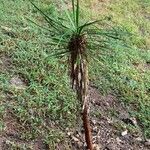
Yucca madrensis
Sierra Madre yucca · Soco yucca · Yucca · Mountain Yucca · Hoary Yucca
Description
Source: leafsnapYucca madrensis H. S. Gentry is a plant in the genus Yucca in the family Asparagaceae. It is native to a mountainous region in the Sierra Madre Occidental in the Mexican states of Sonora and Chihuahua. It has also been reported from Arizona It grows on steep, rocky slopes in pine-oak forests.Yucca madrensis has indehiscent fruits and serrate leaves. This suggests relationships with Y. rigida Trel. and Y. schottii Engelm. It differs from both those species by several characters such as narrowness of the leaves, glabrous inflorescence, and short stature.
Care Guide
💧 Water
Yucca plants thrive in dry conditions and need only minimal watering every two weeks. They prefer well-draining soil and benefit from deep watering, which mimics natural rainfall. Typically grown outdoors, yuccas are evergreen and efficient at conserving water throughout the year. They require even less irrigation during cooler months.
☀️ Light Full sun
Native to dry areas, Yucca grows best in full sun because its native habitat has strong sunlight and very little shade. It can also tolerate partial sun, providing some flexibility in its growth.
What are the sunlight requirements for Yucca madrensis?
Yucca madrensis requires a specific amount of sunlight to thrive optimally. This plant needs 'full sun' conditions, which means it should receive more than 6 hours of sunlight each day. However, it can also grow well under 'partial sun' conditions, requiring about 3-6 hours of sunlight daily. It's important to observe the movement of sunlight through your garden to identify spots that offer the right balance between light and shade. This observation will ensure the plants get their ideal conditions to be happy and healthy.
🌡️ Temperature 15–35°C
Yucca grows best in warm conditions and needs higher temperatures during the growing season to support growth and metabolic activity. It favors plenty of sunlight, proper moisture, and good air circulation. However, it is vulnerable to harm from very low temperatures and from overwatering. It’s important to maintain a balance and to avoid both excessively high temperatures and overly dry conditions.
What is the botanical name of Yucca?
The botanical name of Yucca is Yucca madrensis.
💨 Humidity dry (<40%)
This plant prefers dry conditions, so don't mist it. However, watering it less often can also thrive in higher humidity.
🪴 Soil 0-0
🌱 Fertilizer
Yucca needs small amounts of fertilizer once or twice a year during the growing season. Do not fertilize in winter or in summer when the plant is dormant. Use less fertilizer for repotted plants and wait a couple of months after repotting before applying feed. Fertilizing helps maintain healthy growth and promotes flowering.
🪴 Pot & Repot
✂️ Pruning
Pruning yucca plants is best done in early spring. Start by removing dead leaves and cutting back any spent flower stalks. This practice not only boosts growth and improves air circulation but also reduces the risk of disease and keeps the plant looking its best.
🌿 Propagating
🐛 Diseases & pets
☠️ Toxicity
Characteristics
- Plant Type
- Shrub, Succulent
- Life Cycle
- Perennial
- Genus
- Yucca
- Family
- Asparagaceae
- Hardiness Zone
- 7-10
- Mature Height
- 0.91 m to 1.83 m
- Mature Spread
- 0.91 m to 1.52 m
- Leaf Color
- Green, Yellow Green
- Leaf Type
- Evergreen
- Flower Color
- White
- Flower Size
- 3.05 cm to 5.08 cm
- Bloom Time
- Early summer, Mid summer
- Planting Time
- Spring, Summer, Autumn
- Harvest Time
- Late summer, Early fall, Mid fall
- Native Area
- Mexico