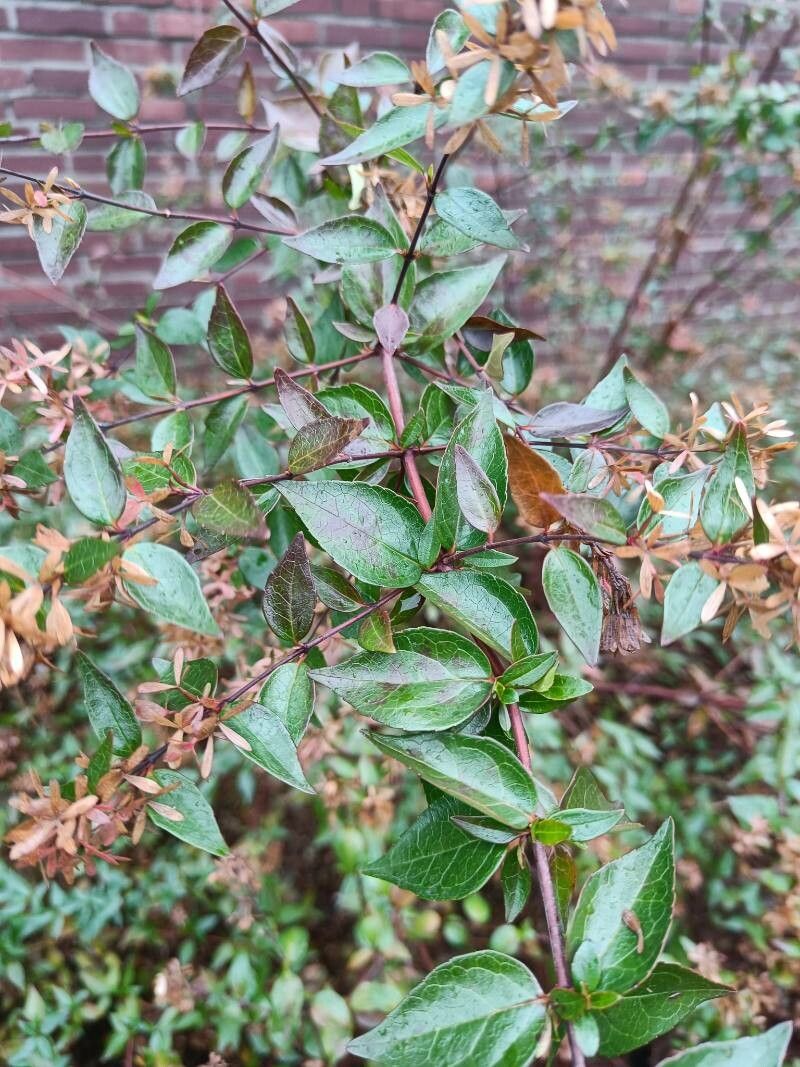
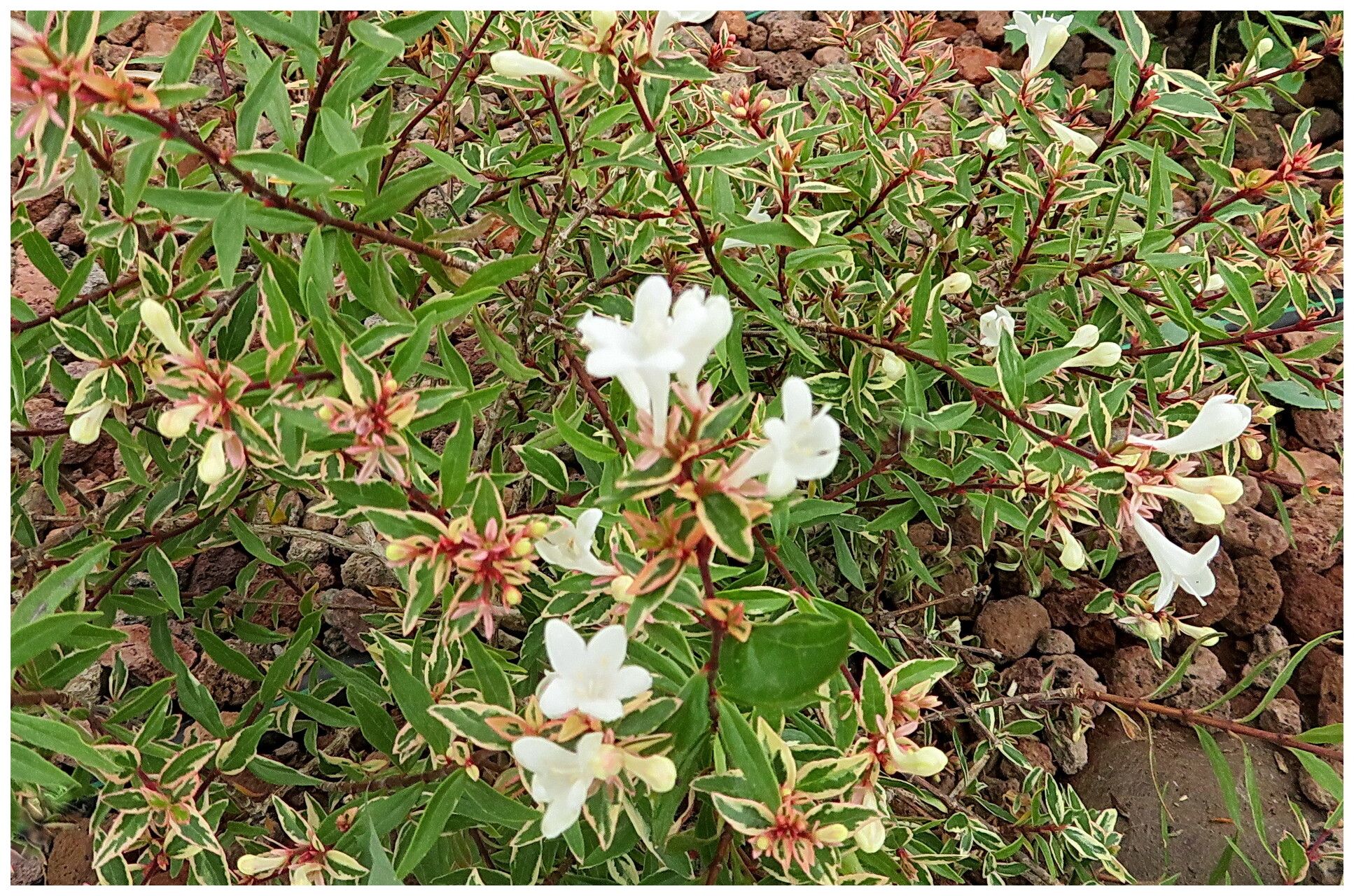
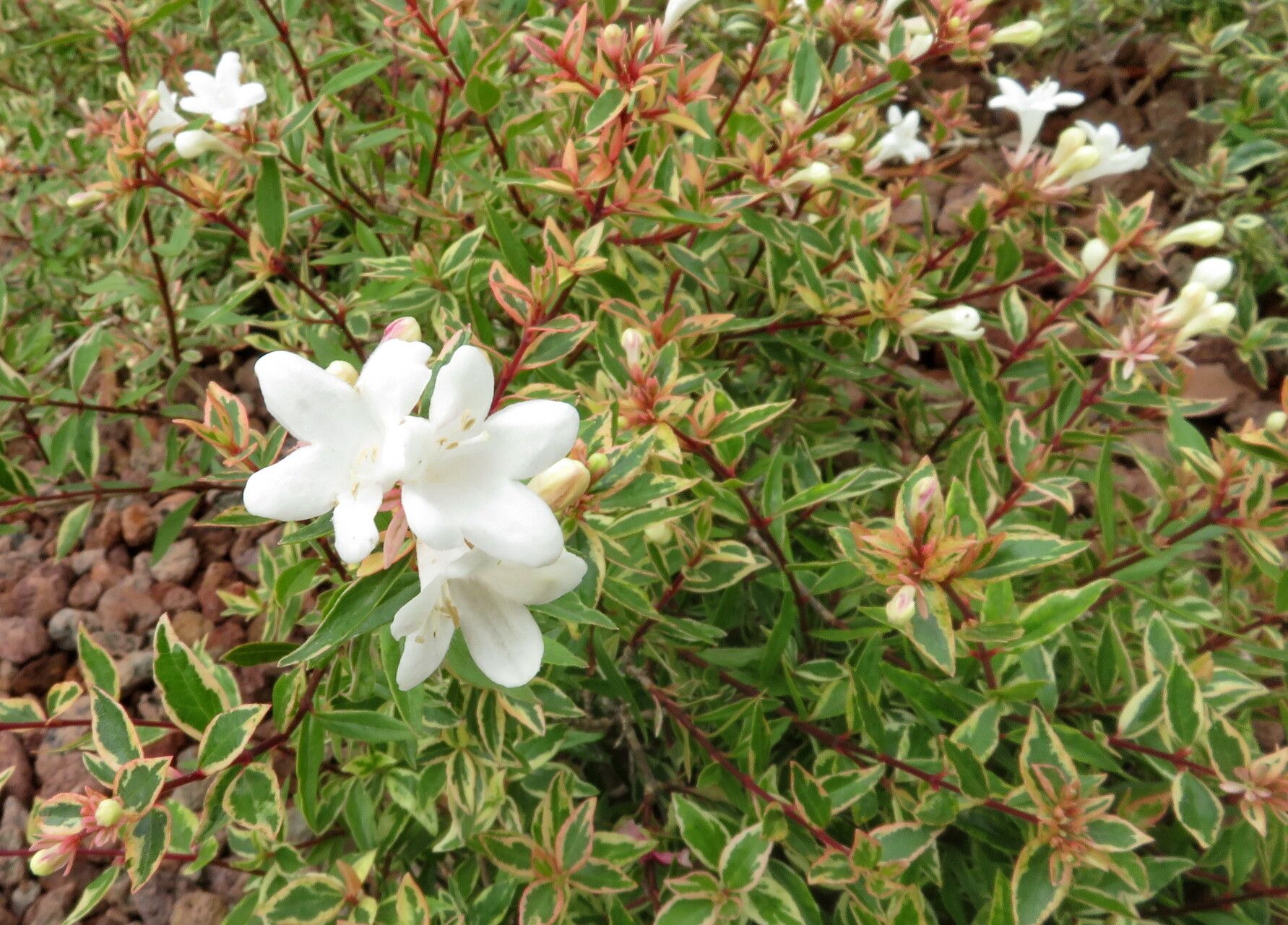
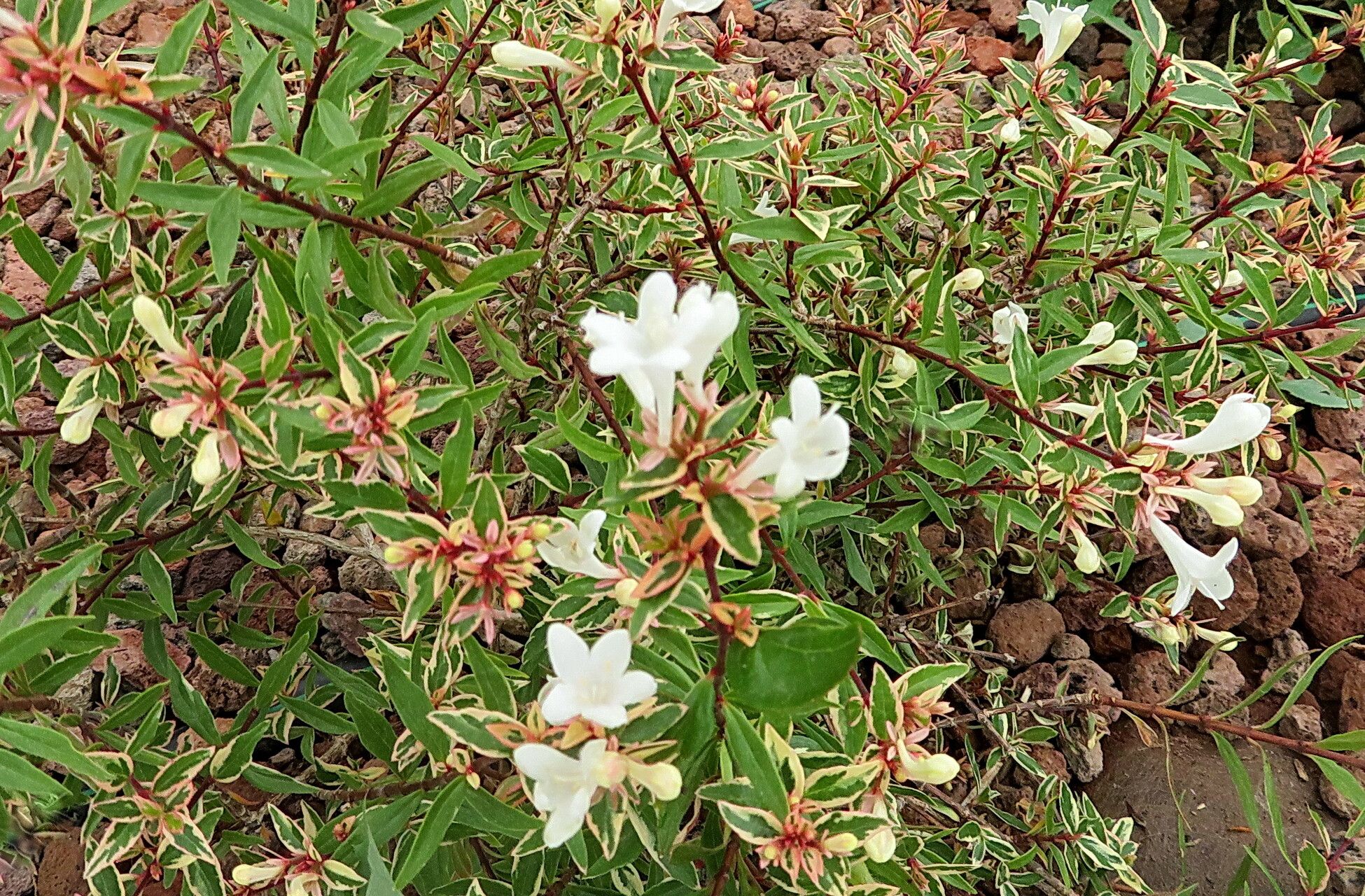
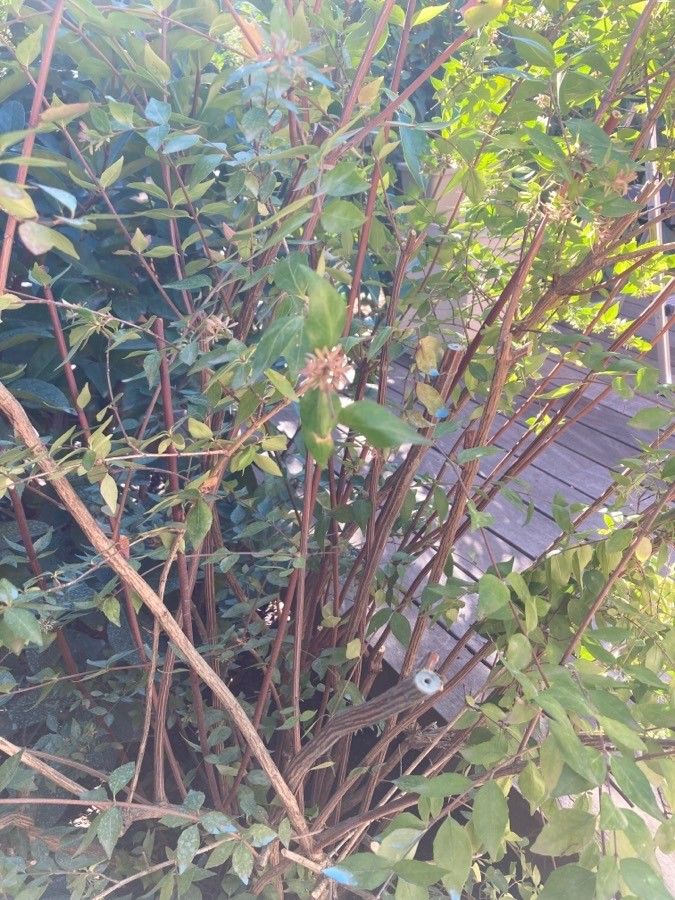
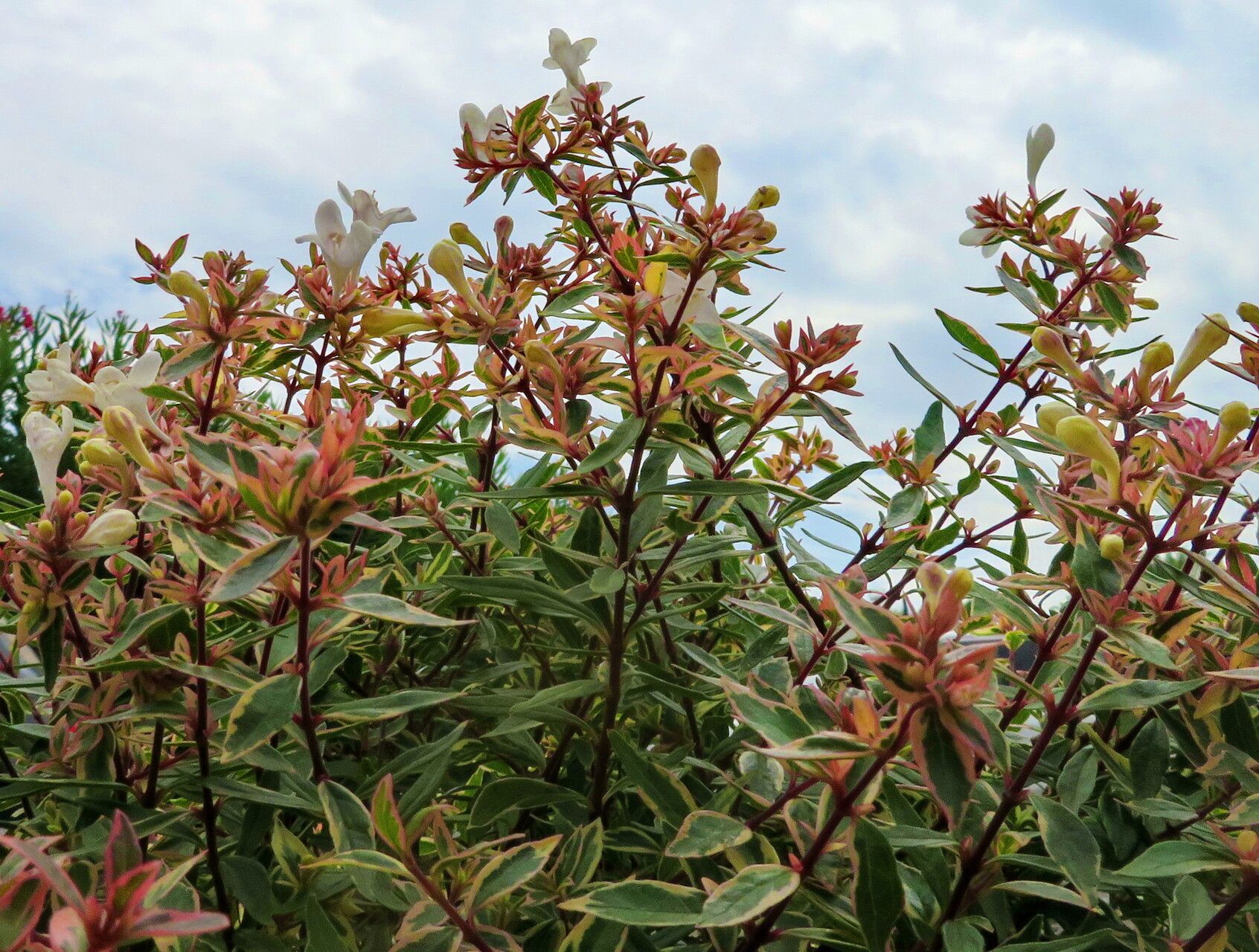
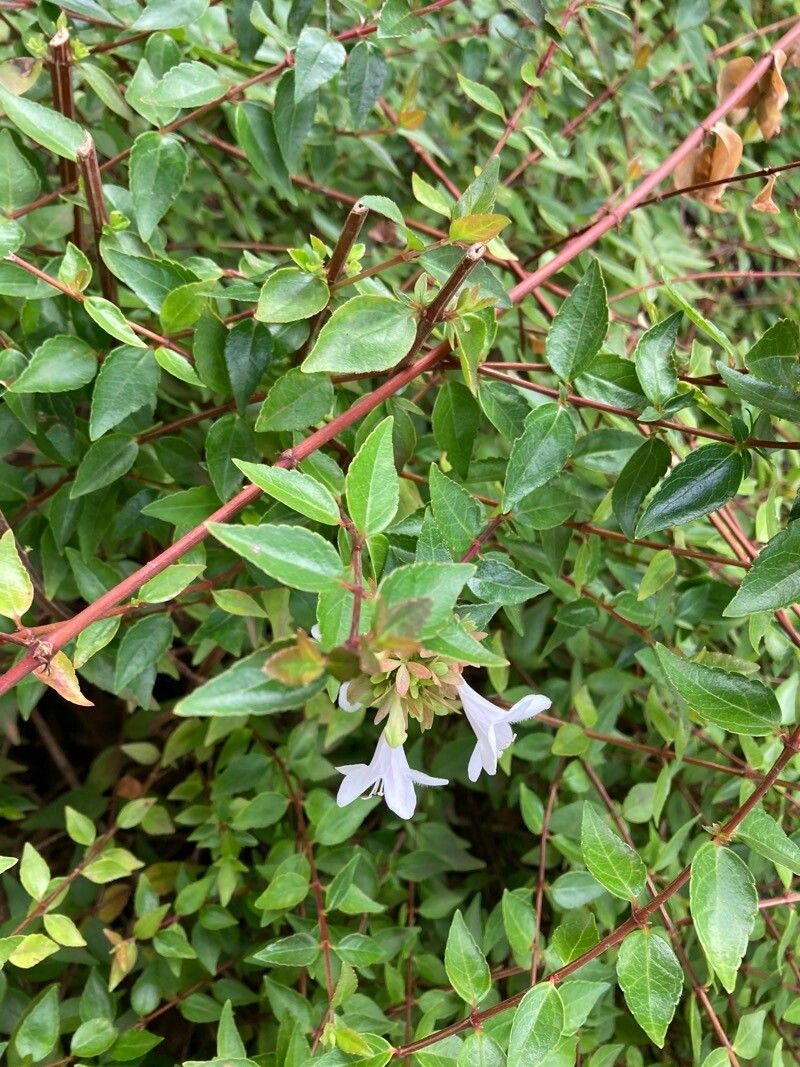
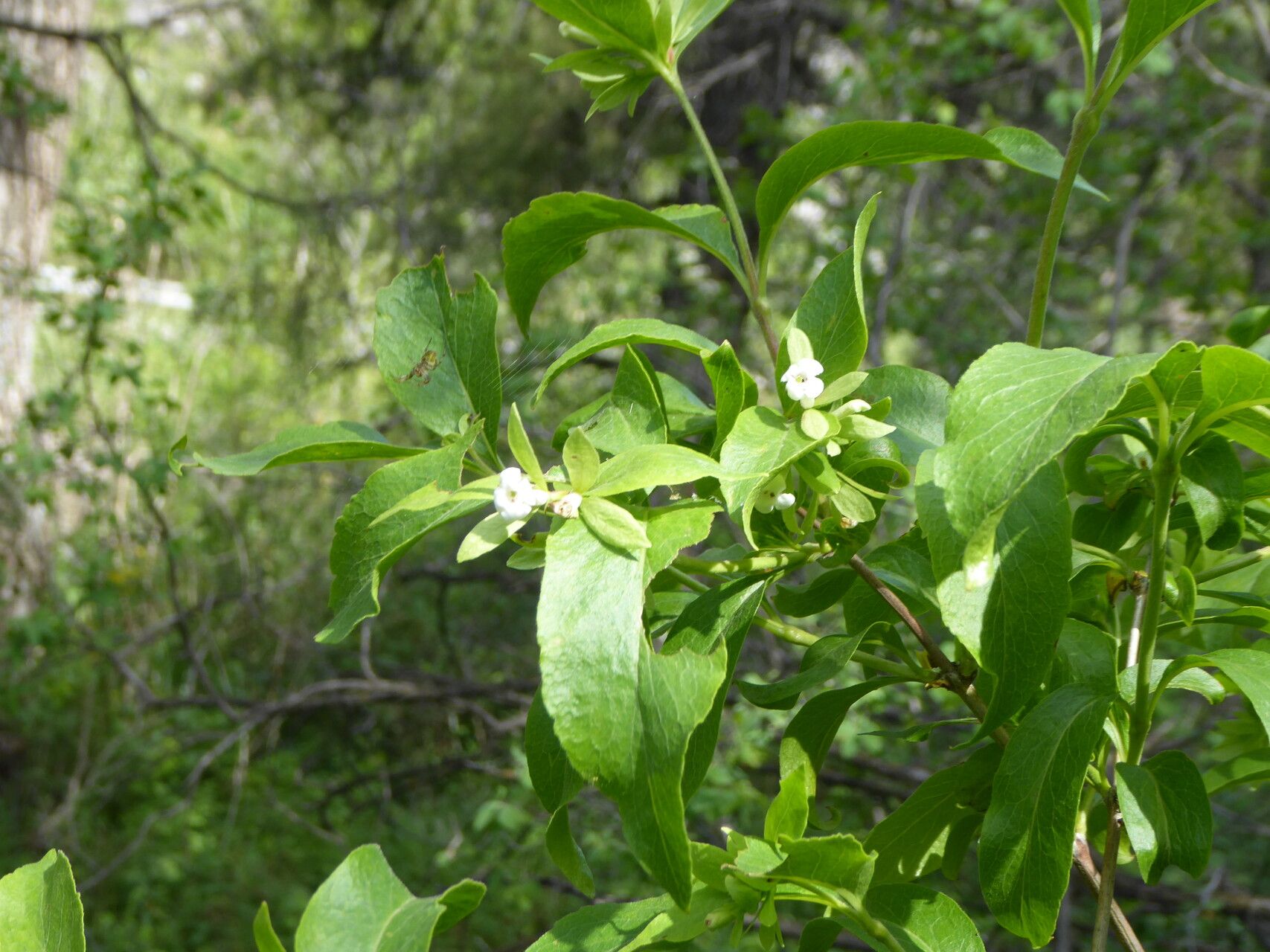
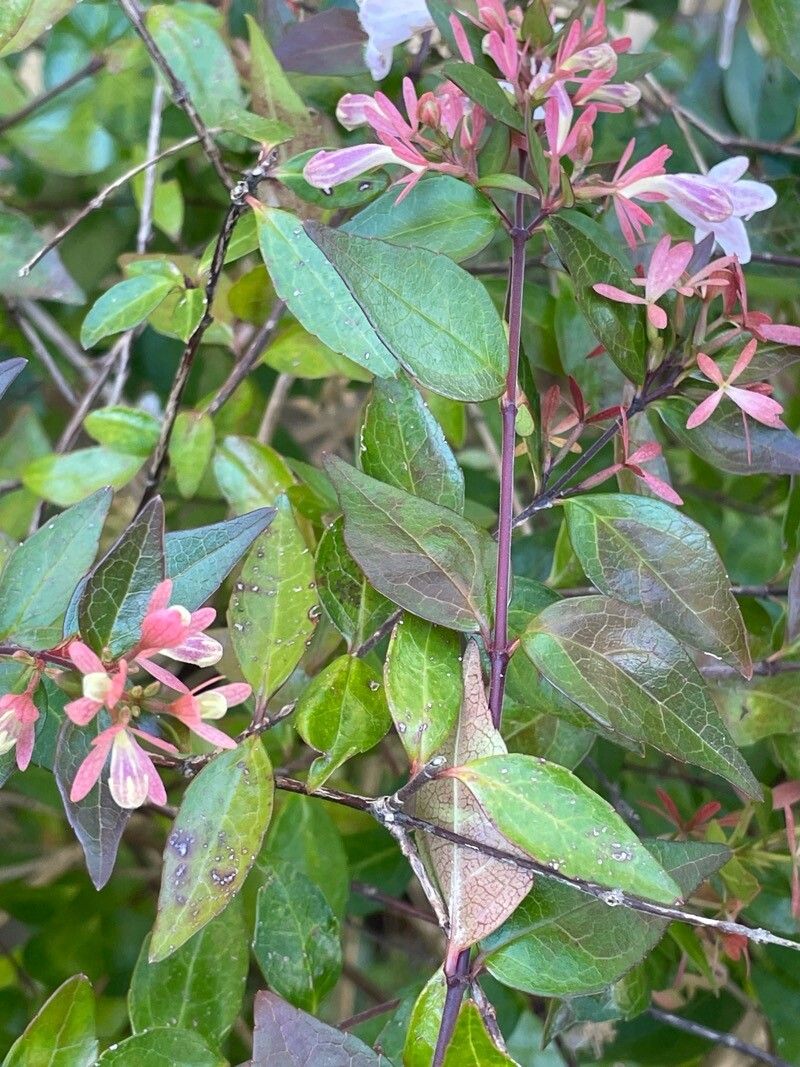
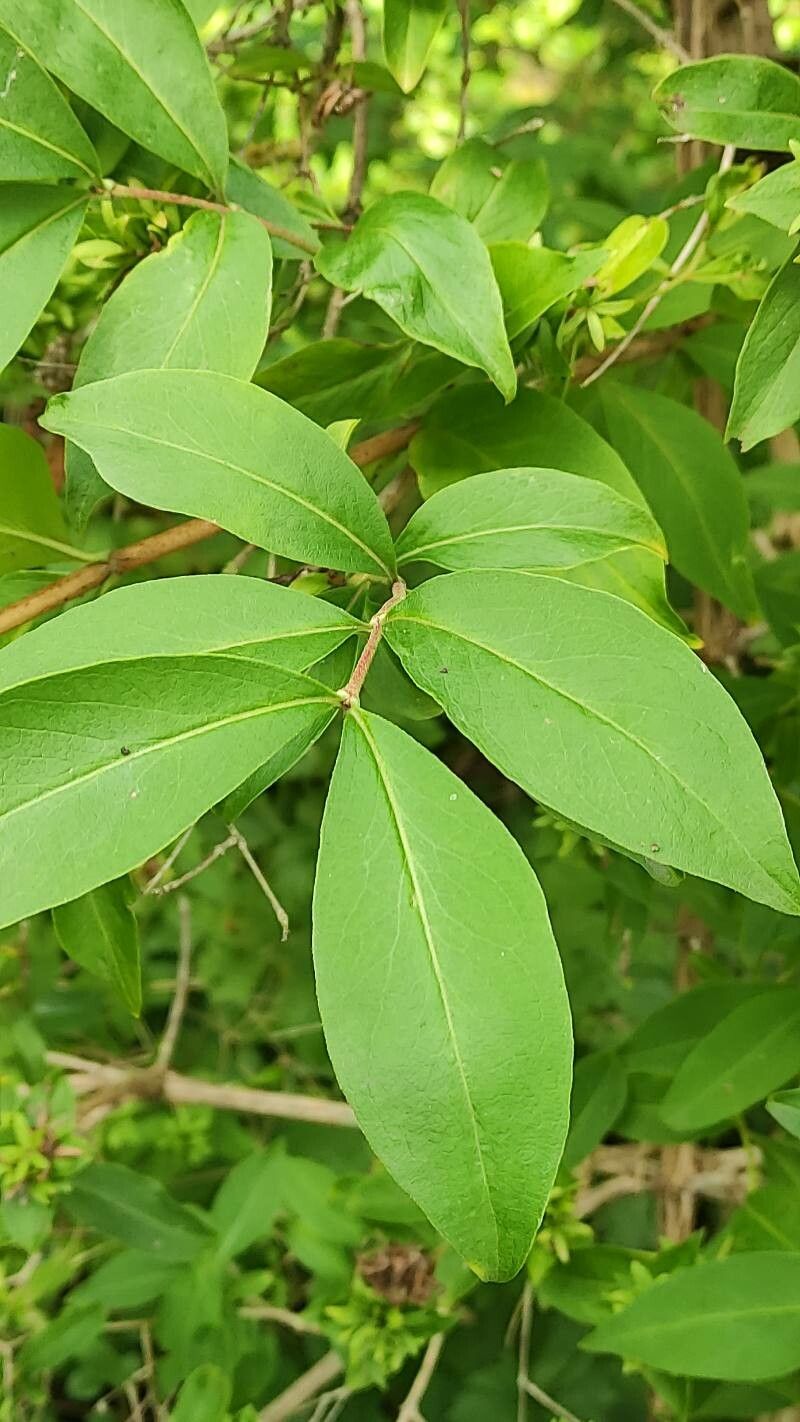
Zabelia biflora was once classified under the genus Abelia, a name it is still commonly known by today. Although the official classification has changed, "abelia" is still frequently used in horticulture to refer to a variety of plants belonging to the genera Linnaea, Vesalea, Zabelia, and others.
Abelia has strong resistance to disease and is generally not susceptible to illnesses. Regarding care, this plant is fairly low-maintenance. When planted outdoors it needs only minimal watering, and larger plants typically do not require pruning. Smaller plants, however, should be pruned after they finish blooming. Abeliat is suitable for anyone with an outdoor area, such as a garden or deck, and does not demand much care experience.
How to keep Zabelia Biflora.
Light
Abelia performs best in full sun and flourishes under those conditions, although it can tolerate spots with less light. Originating from naturally sunny habitats, it is adapted to that light level, which helps maintain its strong health. Exposure to either too much or too little sunlight can hinder the plant's growth.
Water
Abelia, having adapted to environments with sporadic moisture, demonstrates moderate drought tolerance. It thrives best when watered every 2-3 weeks. As an ornamental outdoor plant, abelia benefits from mulching, which helps retain soil moisture and protects against temperature fluctuations, particularly in regions with inconsistent rainfall.
Temperature
Abelia tolerates a wide range of climate conditions, from searing summers to frosty winters. It does, however, have a preferred temperature range for growth. When temperatures become too high, the plant is vulnerable to heat and humidity stress, which can lead to its death. In locations where temperatures approach the lower limit of its cold tolerance, it is necessary to provide insulation to protect the plant.
Fertilizer
The timing of fertilizing Abelia is important. Apply fertilizer in early spring and then every month until early summer. Fertilizer promotes attractive blooms and provides energy during both dormant and active growth periods.
Pruning
Abelia is known for its delicate flowers and shrub-like form. To maintain its health and appearance, prune in late spring by removing dead branches and thinning out overcrowded areas. This will improve air circulation and encourage new growth. Pruning after the flowering period helps maintain the plant's vigor, supports continuous blooming, and keeps the shrub looking neat and tidy.
Botanical profile.
- Plant Type
- Shrub
- Life Cycle
- Perennial
- Genus
- Zabelia
- Family
- Caprifoliaceae
- Hardiness Zone
- 3-9
- Mature Height
- 0.91 m to 6.1 m
- Mature Spread
- 1.52 m to 2.44 m
- Leaf Color
- Dark Green
- Leaf Type
- Evergreen
- Flower Color
- White, Pink
- Flower Size
- 5.08 cm
- Bloom Time
- Late spring, Summer
- Planting Time
- Spring, Autumn
- Harvest Time
- Mid summer, Late summer, Early fall
- Native Area
- Russia, South Korea, China