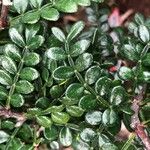
Zanthoxylum bungeanum
Sichuan-pepper · Flat-spine prickly ash · Chinese pepper tree · Chinese prickly ash
Description
Source: leafsnapZanthoxylum bungeanum, commonly known as Sichuan pepper or Chinese prickly ash, is a flowering plant native to China. Belonging to the Rutaceae family, this deciduous shrub can grow up to 4 meters in height. It features thorny branches and pinnate leaves with 5-11 leaflets. The most distinctive feature of Zanthoxylum bungeanum is its fruit: small reddish-brown berries that resemble peppercorns. These berries have a unique flavor profile, characterized by a citrusy aroma and a numbing sensation on the tongue due to the presence of hydroxy-alpha-sanshool. In traditional Chinese medicine, the plant is valued for its medicinal properties, including the treatment of digestive disorders, toothaches, and rheumatism. Additionally, the fruit is a popular spice in Sichuan cuisine, known for its unique flavor. Zanthoxylum bungeanum thrives in well-drained soil under full sun or partial shade. It can be propagated through seeds or cuttings but requires regular pruning to maintain its shape and size. Overall, Zanthoxylum bungeanum is a fascinating plant with both culinary and medicinal uses, adding diversity to any garden or kitchen spice rack.
Care Guide
💧 Water Every 7 days
Chinese prickly ash is well-suited for dry environments because of its remarkable drought tolerance, allowing it to thrive with minimal water. It should be watered every 2 to 3 weeks. This plant is perfect for xeriscaping in temperate regions due to its efficient water usage and ability to endure varying levels of rainfall.
How should I water my Chinese prickly ash plant?
To promote excellent root development, consider placing a garden hose at the base of your plant. Avoid spraying the leaves directly, especially if they are outside in direct sunlight, as they will require more water. Using bubblers or soaker hoses can help moisten the roots efficiently. Additionally, when adding or removing plants, use soaker hoses that cover the entire garden or bed to ensure deep root watering. After watering, drain any excess water and allow the soil to dry before watering again. It's best to water at ground level to prevent diseases. On sunny days, consider spraying the entire bush with water. Whether your Chinese prickly ash is potted or in-ground, it's important to remember that it prefers deep watering rather than light sprinkling.
What do I need to do if I give too much/not enough water to Chinese prickly ash?
An overwatered Chinese prickly ash can exhibit several signs of distress. The leaves may turn yellow, drop off, and become wilted. Additionally, the plant may appear dull and unhealthy, with mushy stems. If these symptoms manifest, it is advisable to adjust your watering schedule accordingly. It is important to note that wilting can also indicate under watering. In such cases, the leaves may become crispy and dry. Conversely, overwatered leaves will appear wilted and soft. Checking the soil's moisture level is crucial when it appears dry, as simply adding water may not be sufficient. In these instances, thorough watering is necessary. However, even with proper watering, the Chinese prickly ash may temporarily retain its dry appearance and exhibit yellowing leaves due to root damage. Once the plant returns to its normal state, the yellowing will cease. To prevent overwatering when growing Chinese prickly ash indoors, regularly assess the moisture levels in the pot. If black spots are present, allow the soil to dry out by refraining from watering for a few days. Overwatering can lead to root rot, in which case transferring the plant to a new pot is advisable, particularly if discolored and slimy roots are observed. It is crucial to avoid root rot by keeping the soil from becoming excessively soggy. When planting Chinese prickly ash outdoors, dig a bit deeper and assess the soil's moisture level by using your fingers. If the soil feels too dry, underwatering may be the issue, and adequate watering is necessary for the plant's recovery.
How often do I need to water my Chinese prickly ash?
The Chinese prickly ash prefers deep and infrequent watering, especially when planted in pots. In pots, the soil dries out faster due to limited water storage. In cold regions, water every 3 to 5 days, preferably in the morning when the soil is dry. Check the soil inside to determine if watering is needed - when the top 2-3 inches are dry, water the plant thoroughly. On hot days, check the moisture daily as the pot's soil can dry out quickly. If you have a garden, irrigate the soil as necessary, usually once a week in hot climates. Only water outdoor or indoor plants when you notice about 2 to 3 inches of soil becoming too dry, considering the amount of rainfall the plant already received. During spring and fall, when the Chinese prickly ash typically grows, add mulch about 3 to 4 inches deep to conserve water when the plants are outdoors. Sandy soil drains faster, so water more frequently, while clay soil requires less watering, allowing the plant to dry for 2-3 days without developing root rot. Keep track of watering dates and watch for drooping leaves as a sign that you may need to water sooner.
How much water does my Chinese prickly ash plant need?
The Chinese prickly ash plant requires about a gallon of water on a regular basis. If you have potted plants, water them deeply until the water drips from the bottom of the pot. Wait for the soil to dry before watering again. Use a water calculator or moisture meter to determine how much water you have given the plant in a week. During the flowering period, provide plenty of water but allow the moisture to evaporate to prevent root rot. If the Chinese prickly ash plant is planted outdoors with sufficient rainfall, it may not need additional watering. When the plant is young or newly planted, ensure it receives 1-2 inches of rain per week. As the plant grows, it can rely solely on rainfall. Only water it thoroughly during the cooler parts of the day if the weather is extremely hot or if there has been no rainfall for 2-3 weeks to prevent damage from high heat. Additional watering will be necessary during prolonged dry spells.
Should I change how often I water my Chinese prickly ash depending on the time of year or the weather?
The Chinese prickly ash thrives outdoors in rainy conditions, but it can tolerate dry weather. In spring and fall, keep the soil moist but not waterlogged for optimal growth. During the hot summer months, you may need to water more often to compensate for evaporation and lack of rainfall. Winter requires less watering as the plant goes dormant and loses its leaves. Well-draining soil mixtures, like terracotta, help water evaporate quickly during this period. Once the plant starts leafing out in spring, watering can be skipped, relying on natural rainfall. Good drainage is crucial to prevent ponding or drought, especially in winter. Potted plants have limited root growth and need regular watering, particularly in summer. Deep soaking once or twice a week is recommended, avoiding shallow sprinkling that encourages fungal growth. Avoid letting the plant dry out completely, even during dormancy. Adequate drainage is essential to prevent waterlogged soil, which can be fatal during winter. Applying mulch helps reduce stress, conserve water, and promote healthy blooms.
☀️ Light Full sun
The Chinese prickly ash does best when given a plentiful amount of sunlight, although it can tolerate somewhat lower light levels. Its growth and overall health are heavily dependent on light exposure and may decline if it does not receive sufficient light. The plant’s preference for abundant sun reflects the conditions of its native habitat. Both too little and too much light can disrupt its growth processes.
What are the sunlight requirements for Chinese prickly ash?
Chinese prickly ash requires significant sunlight to thrive, ideally more than 6 hours of sunlight daily to be classified under 'full sun' conditions. However, it can also manage with about 3-6 hours of sunlight, which is considered 'partial sun.' It's crucial for the plant's health and growth to have adequate sunlight exposure, as its native habitat conditions offer abundant sunlight. Notably, both the lack and excess of sunlight can negatively impact the plant’s growth process. Observing how sunlight moves through your garden and selecting spots that offer a perfect balance of light and shade will ensure the best growth conditions for these plants.
How does artificial lighting support the growth of indoor Chinese prickly ash plants?
Indoor Chinese prickly ash plants require adequate lighting for optimal growth, especially when natural sunlight is insufficient, such as during winter or in less sunny spaces. Artificial lights, like LED lights, provide a viable solution by offering the necessary wavelengths of light that plants need. For different sunlight requirements, full sun plants need 30-50W/sq ft of artificial light, partial sun plants need 20-30W/sq ft, and full shade plants should have 10-20W/sq ft. The artificial light source should be placed about 12-36 inches above the plant, mimicking natural sunlight distance, and the lighting should be provided for 8-12 hours per day to simulate the natural daylight hours most plants need for healthy growth.
What are the symptoms of insufficient or excessive sunlight exposure in Chinese prickly ash?
Symptoms of insufficient sunlight in Chinese prickly ash include smaller new leaves, leggy or sparse growth, faster leaf drop, slower or no new growth, and lighter-colored new leaves. Excessive sunlight can lead to chlorosis (leaves turning yellow), sunscald (damage from intense sun exposure appearing as pale areas on the plant), leaf curling (a defense mechanism against too much sun), wilting (due to increased water loss), and leaf scorching (brown, dry, crispy edges on leaves). Proper sunlight management is crucial to avoid these symptoms and ensure the plant's health.
What solutions can be applied to manage sunlight exposure for Chinese prickly ash?
To manage sunlight exposure for Chinese prickly ash, gradually increase light exposure to at least 6 hours of direct sunlight daily for indoor plants, using south-facing windows or artificial grow lights as needed. For outdoor plants, moving them gradually to sunnier spots can help them adapt without the risk of sunburn. Ensuring plants are not obstructed by objects or other plants is essential. If necessary, for ground-planted Chinese prickly ash, consider pruning or relocating smaller plants to areas with ample sunlight and good drainage. Remember, while parts of the plant affected by improper light may not recover, new growth will be healthy following proper light management.
🌡️ Temperature 5–35°C
Chinese prickly ash is native to temperate regions and prefers temperatures between 41 and 95 °F (5 to 35 ℃). Seasonal temperature adjustments may be necessary to replicate its natural environment, especially during extreme heat or cold.
What is the native climate for Chinese prickly ash?
Chinese prickly ash, or Zanthoxylum bungeanum, is native to temperate climates. It thrives in a temperature range of 41 to 95 °F (5 to 35 °C). To ensure the plant's health, especially in areas experiencing extreme weather conditions, seasonal temperature adjustments may be necessary to closely mimic its natural environment. For instance, during winter, it is crucial to maintain temperatures above 5°C to prevent freezing damage. When temperatures drop below -5°C (25°F), bringing the plant indoors or providing additional protection with a temporary greenhouse, plastic film, or fabric covering can be beneficial.
How does Chinese prickly ash react to low temperatures?
Chinese prickly ash has a moderate tolerance to low temperatures, optimally growing between 5°C and 35°C. It is important to keep the plant above -20°C during the winter. Exposure to temperatures below -25°C can lead to darkening of the leaves, water-soaked necrosis, wilting, drooping, and eventually, the leaves may turn brown. If frost damage occurs, the damaged parts should be trimmed away, and the plant should be moved indoors to a warm environment or placed in a makeshift greenhouse to protect it. Additionally, it is advisable to position the plant near a south-facing window for sufficient sunlight or use supplemental lighting if natural light is inadequate.
What should I do if Chinese prickly ash experiences high temperatures?
During the summer, it is essential to keep the Chinese prickly ash's temperature below 35°C. Temperatures exceeding 38°C can inhibit the plant's growth, cause the leaves to lighten in color, and increase susceptibility to sunburn. To mitigate high temperature effects, trim away any sunburned or dried parts of the plant. Relocating the plant to a shaded area, particularly from the afternoon sun, and ensuring the soil remains moist with watering in the morning and evening, are effective strategies for caring for Chinese prickly ash in high temperatures.
💨 Humidity
🪴 Soil 6-7
🌱 Fertilizer
Chinese prickly ash plants benefit from one or two applications of organic, natural fertilizers containing potassium and phosphorus. Apply the fertilizer before planting, incorporate it into the soil and water thoroughly. Usually a single application is enough, but a second can be applied once seedlings are established. Avoid overusing fertilizer to prevent damage to the plants.
🪴 Pot & Repot Every 12 months
✂️ Pruning
Chinese prickly ash benefits from pruning in early spring. Focus on removing dead wood and thinning overcrowded branches to improve air circulation, which promotes growth and fruit production. Always use clean, sharp tools to prevent the spread of disease.
🌿 Propagating
🐛 Diseases & pets
☠️ Toxicity
Characteristics
- Plant Type
- Shrub
- Life Cycle
- Perennial
- Genus
- Zanthoxylum
- Family
- Rutaceae
- Hardiness Zone
- 5-9
- Mature Height
- 3.05 m to 7.01 m
- Mature Spread
- 2.13 m to 3.96 m
- Leaf Color
- Dark Green, Forest Green
- Leaf Type
- Deciduous
- Flower Color
- Yellow, Green
- Flower Size
- 0.25 cm to 0.51 cm
- Bloom Time
- Mid spring, Late spring
- Planting Time
- Spring, Summer, Autumn
- Harvest Time
- Late summer, Early fall, Mid fall
- Native Area
- Nepal, Bhutan, Laos, China