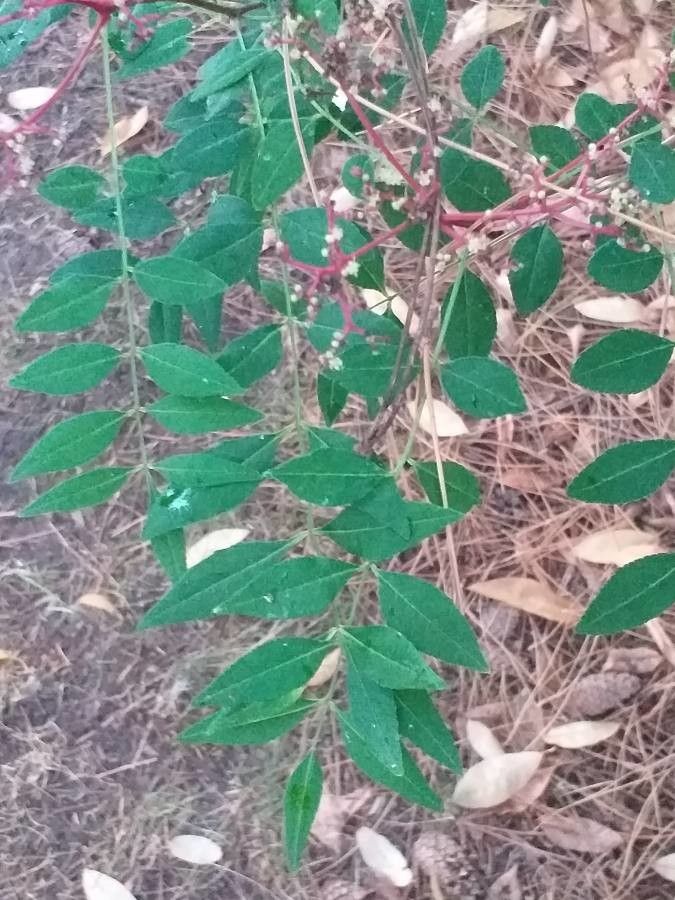
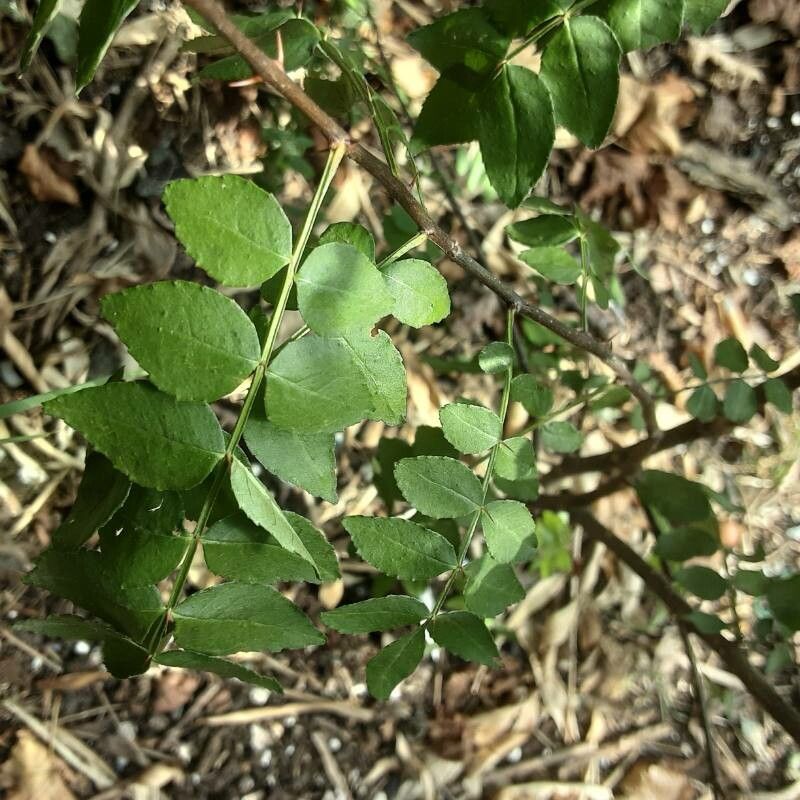
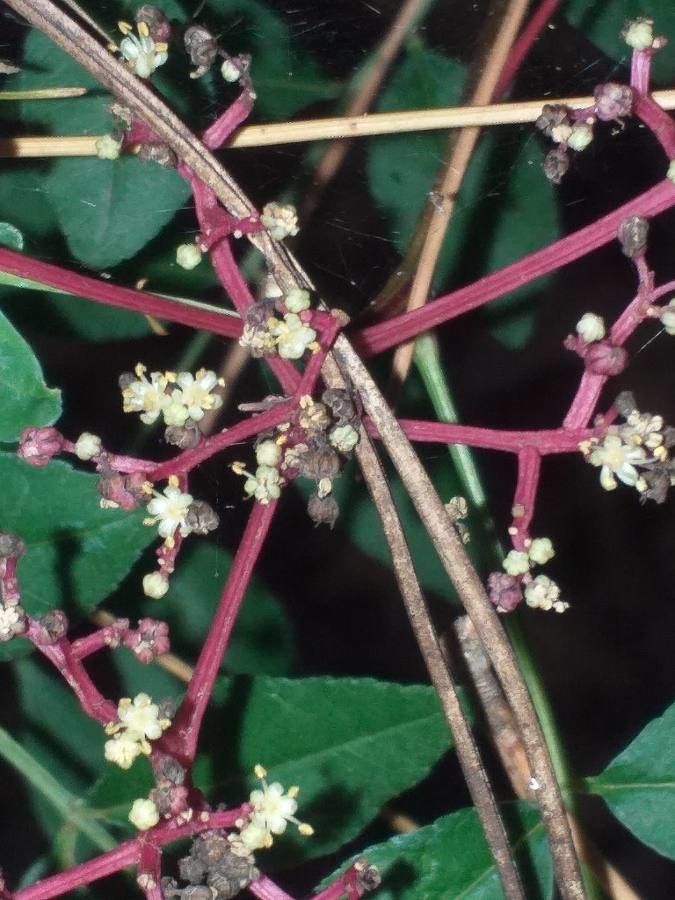
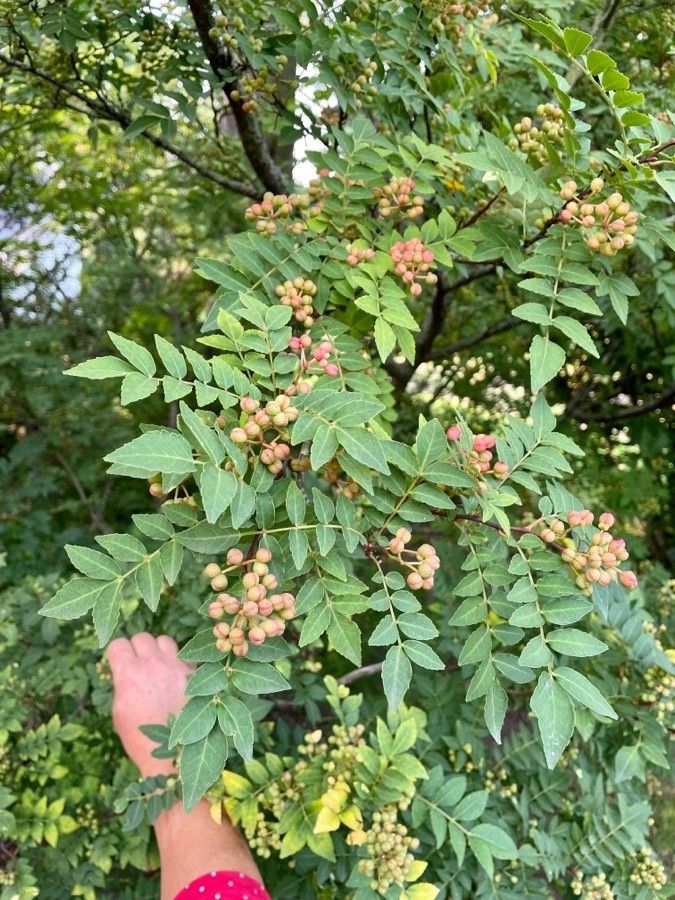
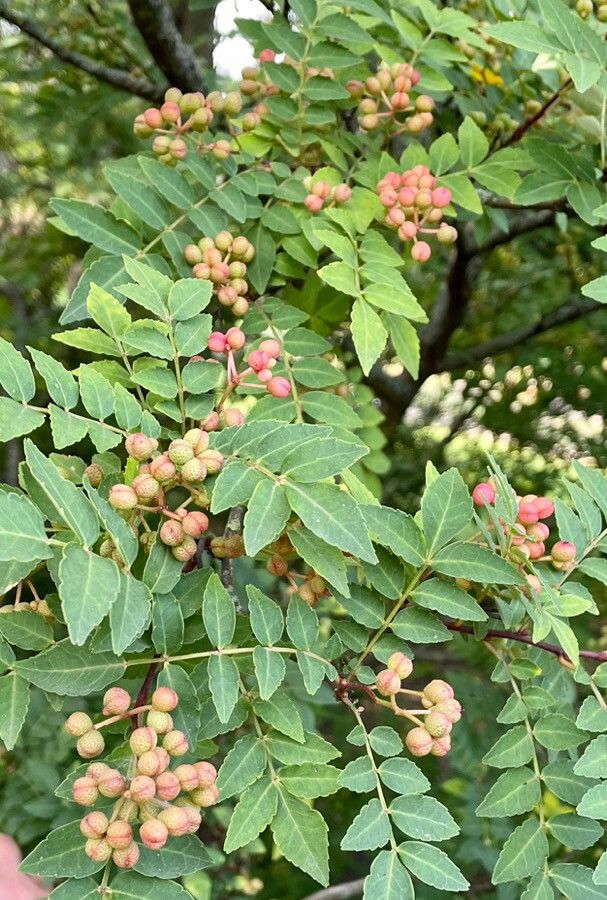
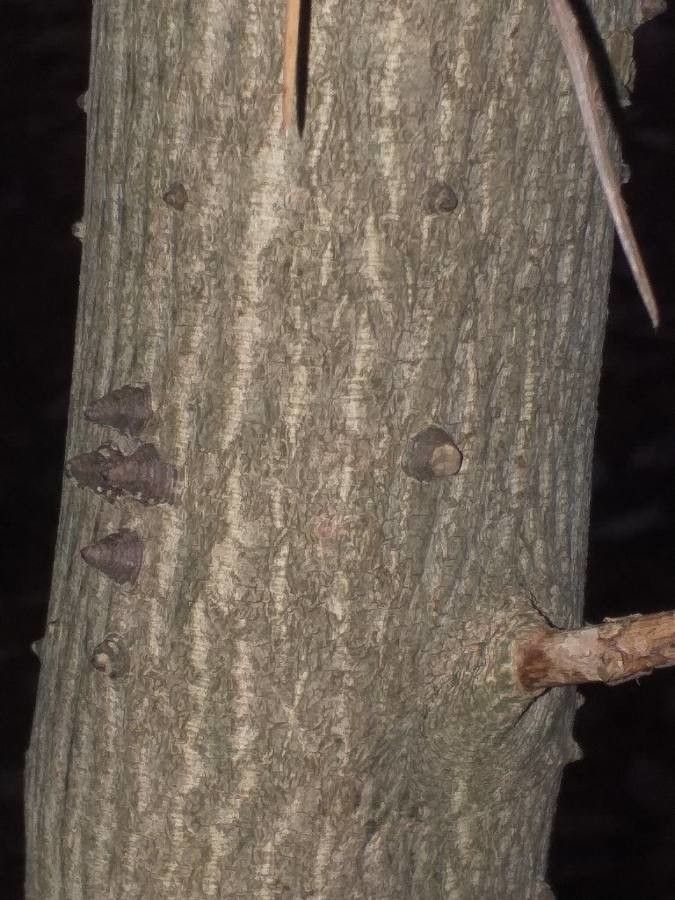
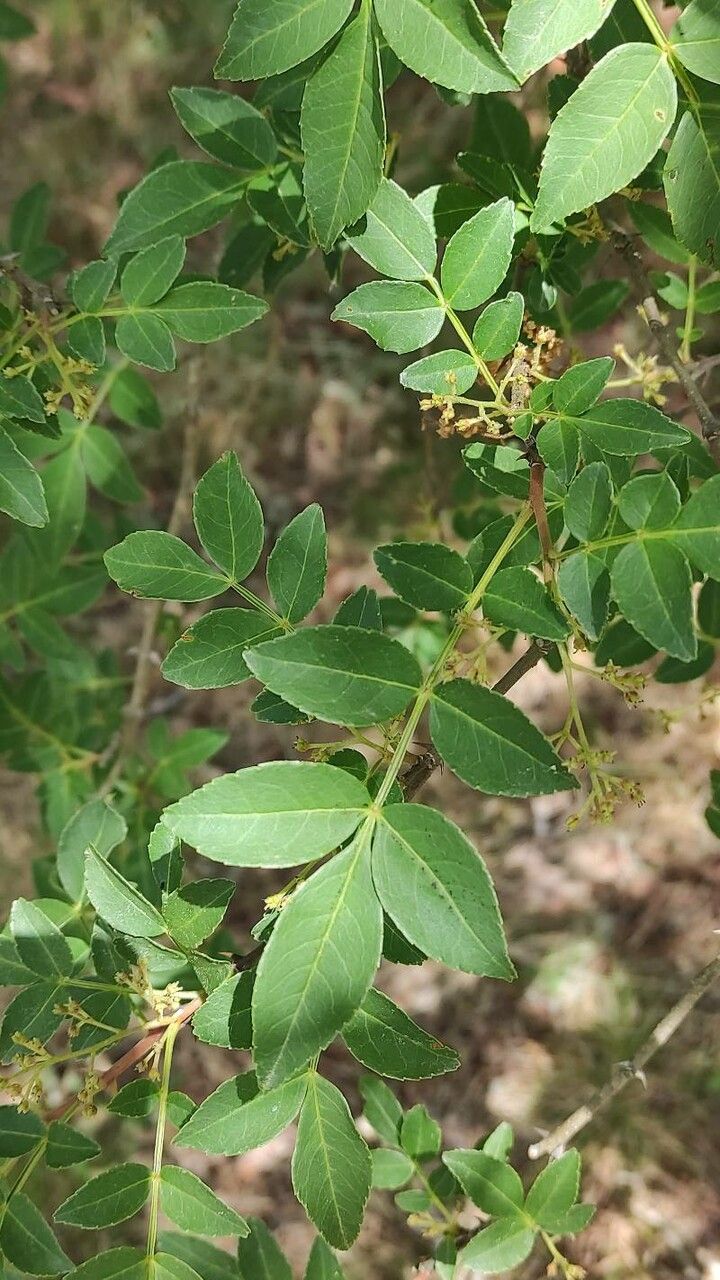
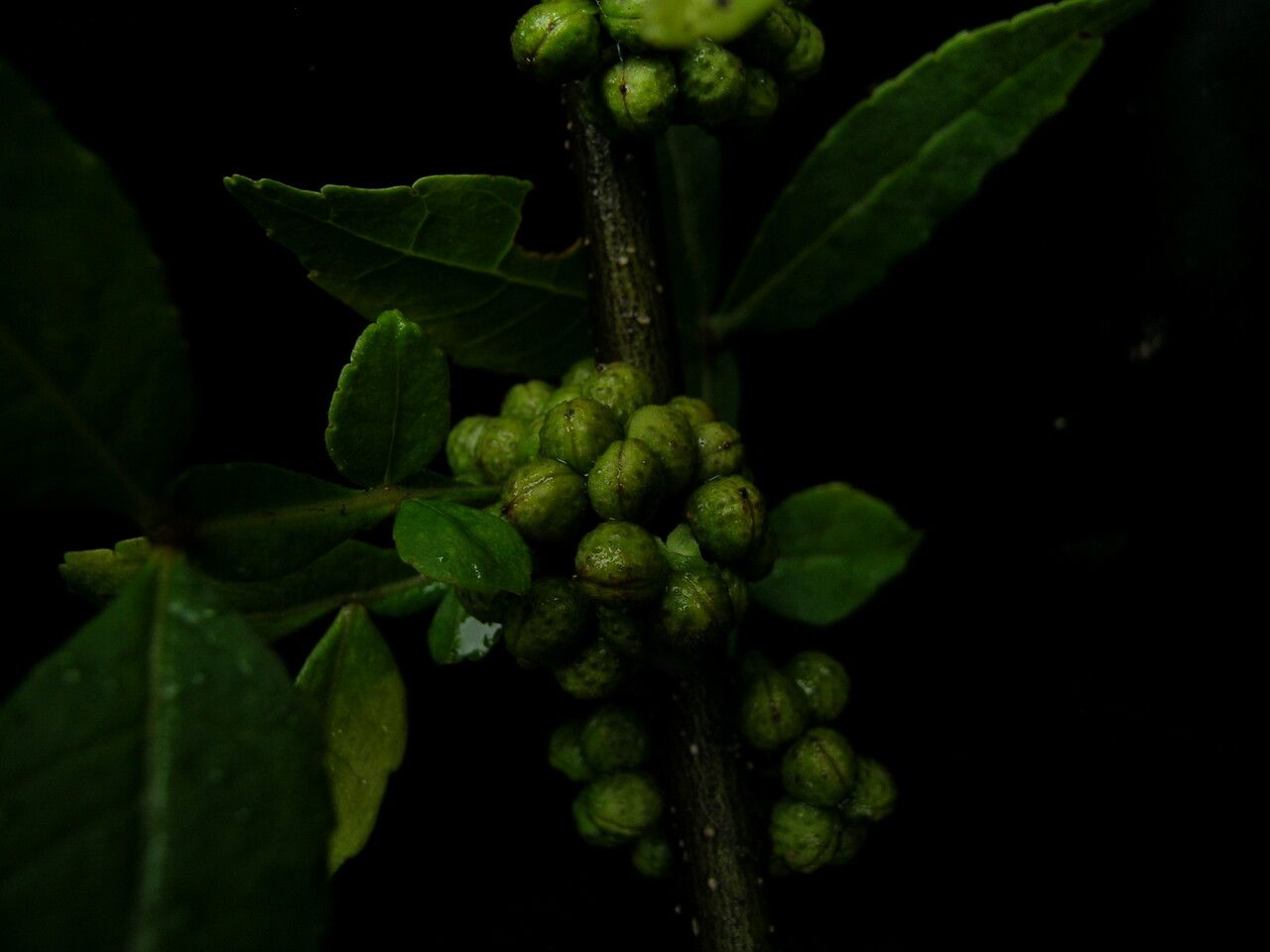
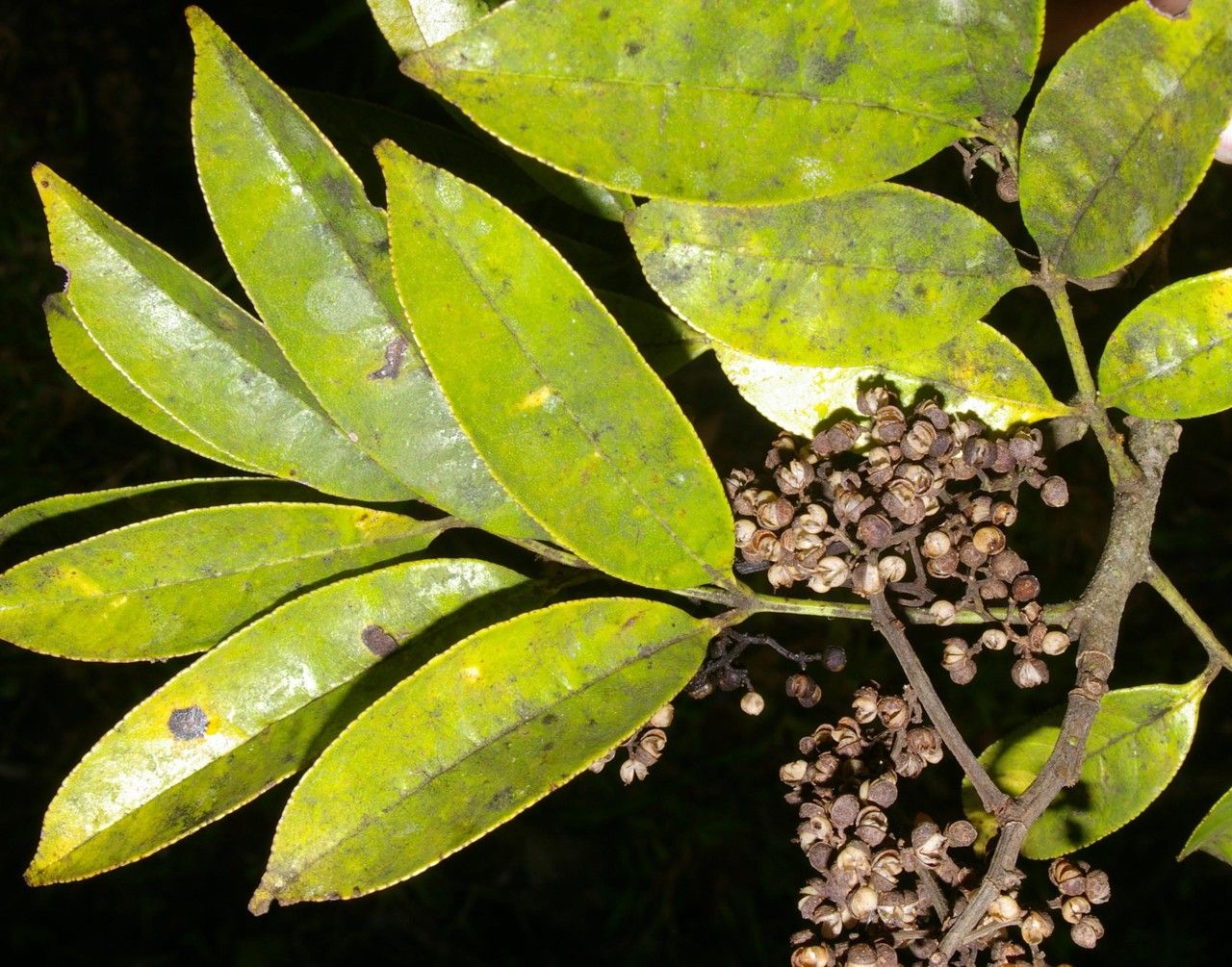
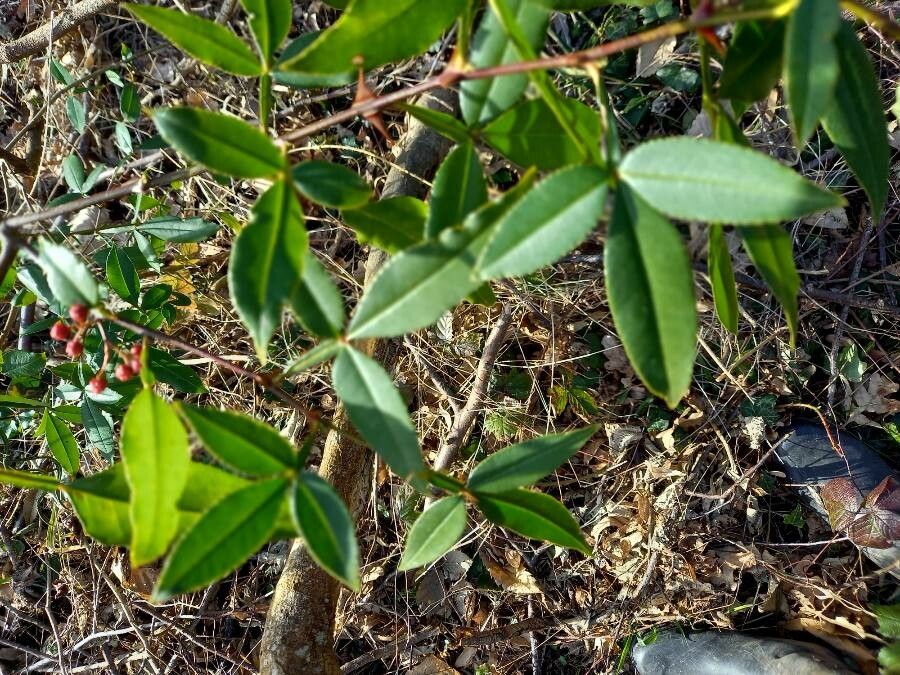
Zanthoxylum schinifolium, also called mastic-leaf prickly ash, is a species of flowering plant in the Rutaceae, the citrus family. Its peppercorns are the source of the spice Sancho (spice) which is used in Korean cuisine.
Chinese prickly ash has moderate resistance to disease and can be prone to problems like leaf spot. Its vulnerability to insect pests varies by variety, but most types are not very resistant to pests. For care, Chinese prickly ash needs regular watering and feeding, along with frequent removal of yellowing leaves. It is important to treat pests and diseases as they occur and to harvest the plant promptly. Chinese prickly ash is appropriate for people who can commit some time and effort to regular maintenance.
How to keep Zanthoxylum Schinifolium.
Light
Chinese prickly ash prefers an open sky for steady light supply and can tolerate occasional partial shade. Typical of its natural habitat, it does best in places with abundant light. Excessive cloudiness can hinder growth, and too little light may lead to health or vigor problems.
Water
Chinese prickly ash has adapted well to different moisture conditions and shows good drought tolerance. It thrives when watered every 2-3 weeks. Using rainwater can mimic its natural environment and enhance growth, which is especially beneficial for this outdoor plant exposed to the elements.
Temperature
Chinese prickly ash is native to regions where temperatures generally range from 41 to 95 °F (5 to 35 ℃). It prefers milder temperatures, so precautions are needed to avoid cold damage in winter or overheating at the height of summer.
Fertilizer
Chinese prickly ash plants benefit from one or two applications of organic, natural fertilizers containing potassium and phosphorus. Apply the fertilizer before planting, incorporate it into the soil and water thoroughly. Usually a single application is enough, but a second can be applied once seedlings are established. Avoid overusing fertilizer to prevent damage to the plants.
Pruning
To promote the health and new growth of Chinese prickly ash, early spring pruning is essential. Focus on removing any diseased, damaged, or dead branches. Use clean, sharp tools to shape the shrubs, which will improve air circulation. This practice not only enhances the overall vitality and appearance of the shrubs but also encourages robust growth during the active season.
Botanical profile.
- Plant Type
- Shrub
- Life Cycle
- Perennial
- Genus
- Zanthoxylum
- Family
- Rutaceae
- Hardiness Zone
- 5-9
- Mature Height
- 2.13 m
- Mature Spread
- 2.13 m to 3.05 m
- Leaf Color
- Green, Dark Green
- Leaf Type
- Deciduous
- Flower Color
- Green
- Flower Size
- 0.25 cm
- Bloom Time
- Early summer, Mid summer
- Planting Time
- Autumn
- Harvest Time
- Late summer, Early fall, Mid fall
- Native Area
- Koppen, Japan, South Korea, China
Other names.
Reader questions.
What are the sunlight requirements for Chinese prickly ash?
Chinese prickly ash requires full sun, which is above 6 hours of sunlight daily, but it can also tolerate partial sun, approximately 3-6 hours of sunlight. To ensure your plants thrive, observe the movement of sunlight through your garden to find spots offering an ideal balance of light and shade. This balance is crucial for the plants' happiness and growth. Chinese prickly ash thrives under an unobstructed expanse of the sky for sustained light nourishment and can endure somewhat dappled exposure. However, excessive cloudiness or insufficient light exposure could impair its growth, causing vitality issues.
What is the native temperature range for Chinese prickly ash?
Chinese prickly ash is native to areas where the temperature typically ranges from 41°F to 95°F (5°C to 35°C). It thrives in milder temperatures, requiring careful management to avoid damage in the colder winter months or during the peak of summer heat. To ensure the plant's growth, it's beneficial to maintain temperatures above 5°C during winter, with a crucial emphasis on keeping the environment above the freezing point to prevent damage.
How can artificial lighting be used for indoor Chinese prickly ash plants?
Indoor Chinese prickly ash plants require adequate lighting for optimal growth, especially when natural sunlight is insufficient. Artificial lights, such as LEDs, are beneficial as they can provide the specific wavelengths of light needed. For full sun plants, 30-50W/sq ft of artificial light is recommended; for partial sun plants, 20-30W/sq ft; and for full shade plants, 10-20W/sq ft. The light source should be placed 12-36 inches above the plant, mimicking natural sunlight, and kept on for 8-12 hours per day to support healthy growth.
How should Chinese prickly ash be protected during winter?
To protect Chinese prickly ash during winter, especially when outdoor temperatures drop to -5°C (25°F), it is recommended to bring the plant indoors or provide additional protection. This could involve setting up a temporary greenhouse or using protective materials like plastic film or fabric to wrap the plant, thereby shielding it from the cold and preventing freeze damage.
What are the symptoms of light deficiency in Chinese prickly ash?
When grown indoors or under inadequate light, Chinese prickly ash may show several symptoms indicating light deficiency, including smaller new leaves, leggy or sparse growth, faster leaf drop, slower or no new growth, lighter-colored new leaves, chlorosis (leaves turning yellow due to the breakdown of chlorophyll), sunscald, leaf curling, wilting, and leaf scorching. These symptoms reflect the plant's struggle to adapt to insufficient light conditions, impacting its overall health.
What are the symptoms of cold damage in Chinese prickly ash?
Chinese prickly ash exhibits moderate tolerance to low temperatures but shows distinct symptoms when exposed to extreme cold. Symptoms include leaf discoloration as they may darken when temperatures fall below -25°C (-13°F), leading to water-soaked necrosis, wilting, and eventual browning of the leaves as they droop. These symptoms are indicators of stress from cold exposure and require immediate attention.
What are the solutions for light deficiency in Chinese prickly ash?
To combat light deficiency in Chinese prickly ash, gradually increase light exposure. For indoor plants, move them to a sunnier location weekly until they receive at least 6 hours of direct sunlight daily, use a south-facing window, and consider artificial lighting for additional support, keeping it on for at least 8 hours daily. For outdoor plants, adjust their location gradually to avoid sunburn. Pruning surrounding trees or transplanting smaller plants can also help reduce obstructions and increase sunlight exposure. Remember, while damaged parts may not recover, new growth should be healthy with improved light conditions.
How can cold damage be managed in Chinese prickly ash?
Management of cold damage in Chinese prickly ash involves trimming away the frost-damaged parts of the plant. The next step is to move the plant to a warmer environment indoors or set up a makeshift greenhouse for cold protection. If placed indoors, selecting a location near a south-facing window ensures the plant receives ample sunlight. Supplemental lighting may be necessary if natural light is insufficient to support plant health.
What are the effects of high temperature on Chinese prickly ash?
High temperatures, especially those exceeding 38°C (100°F), adversely affect Chinese prickly ash. Exposure to such high temperatures leads to a slowdown in plant growth, a lighter coloration of leaves, and an increased susceptibility to sunburn. These symptoms indicate the plant is under thermal stress and requires intervention to prevent further damage.
How should Chinese prickly ash be cared for during hot weather?
Caring for Chinese prickly ash during hot weather involves several steps to mitigate heat stress. Firstly, trim away any sunburned or dried parts of the plant. Then, move the plant to a shaded location, especially one that is shielded from the harsh afternoon sun. Regular watering in the morning and evening helps keep the soil moist, which is vital for maintaining the plant's health in hot conditions.