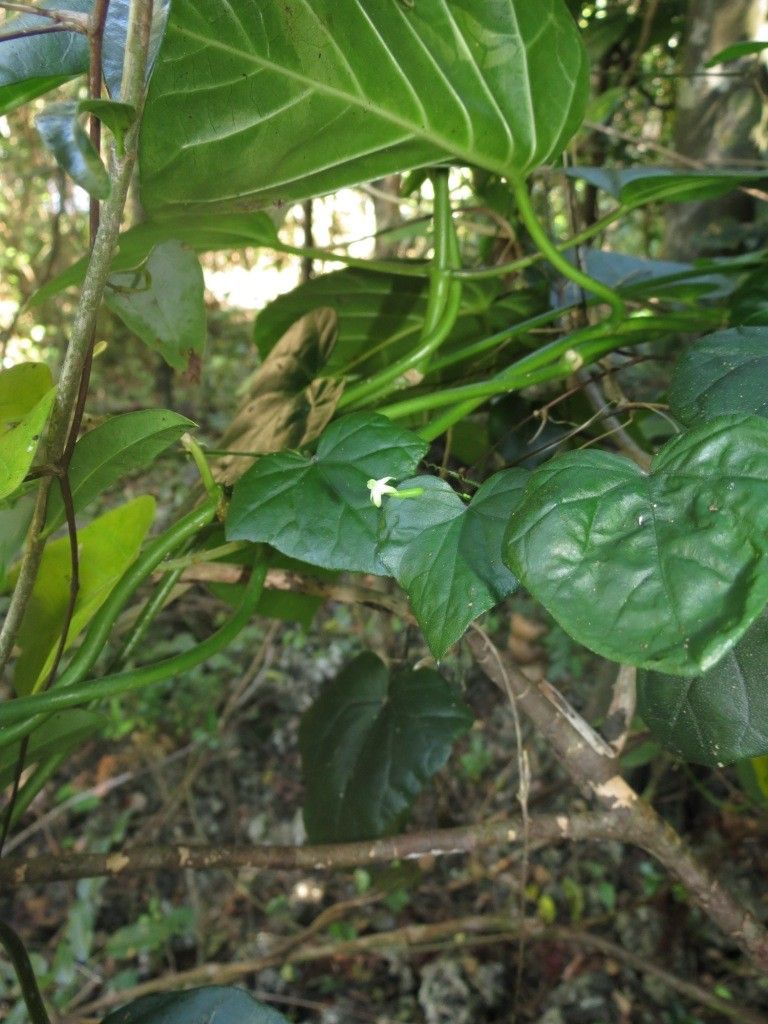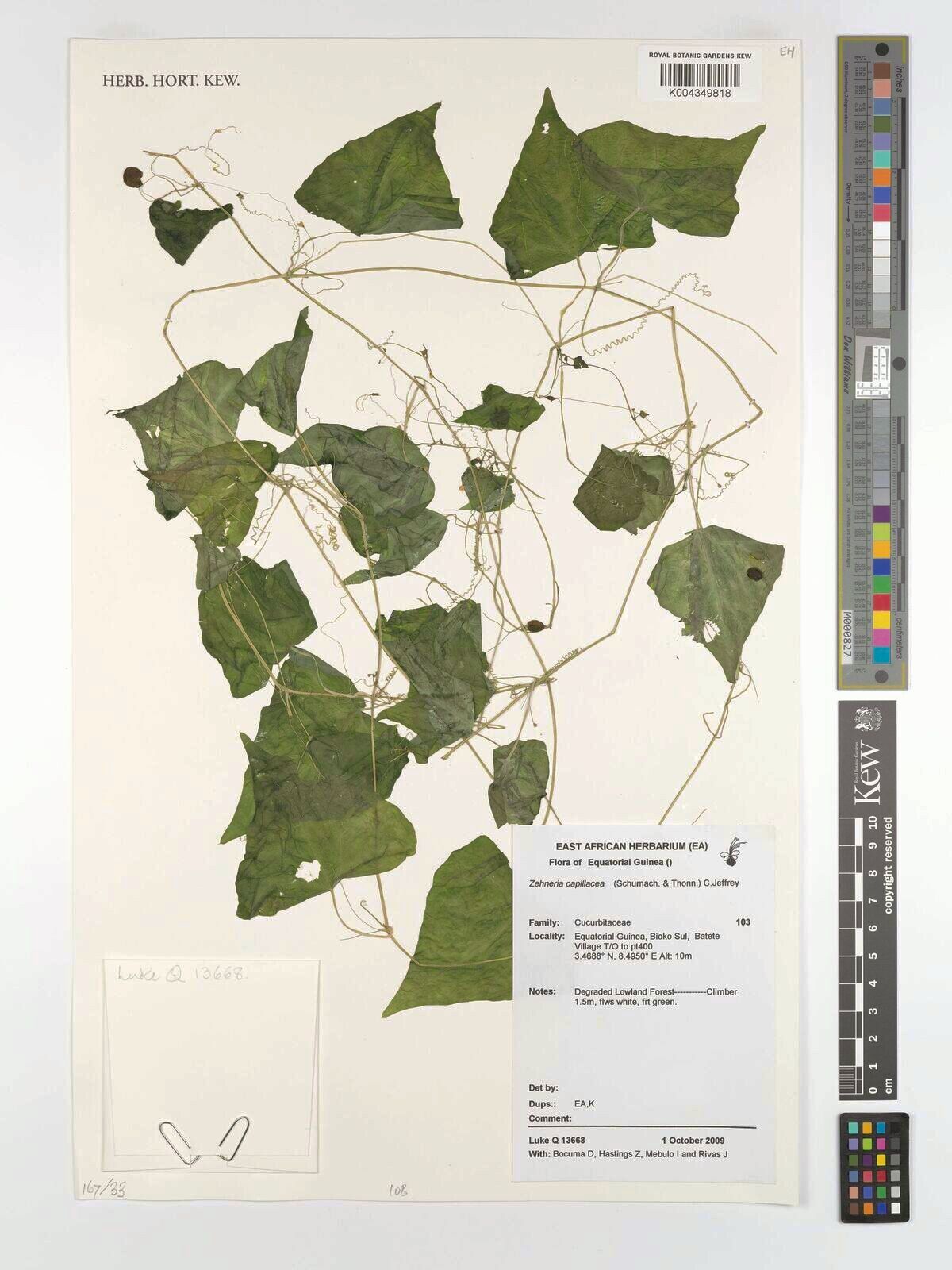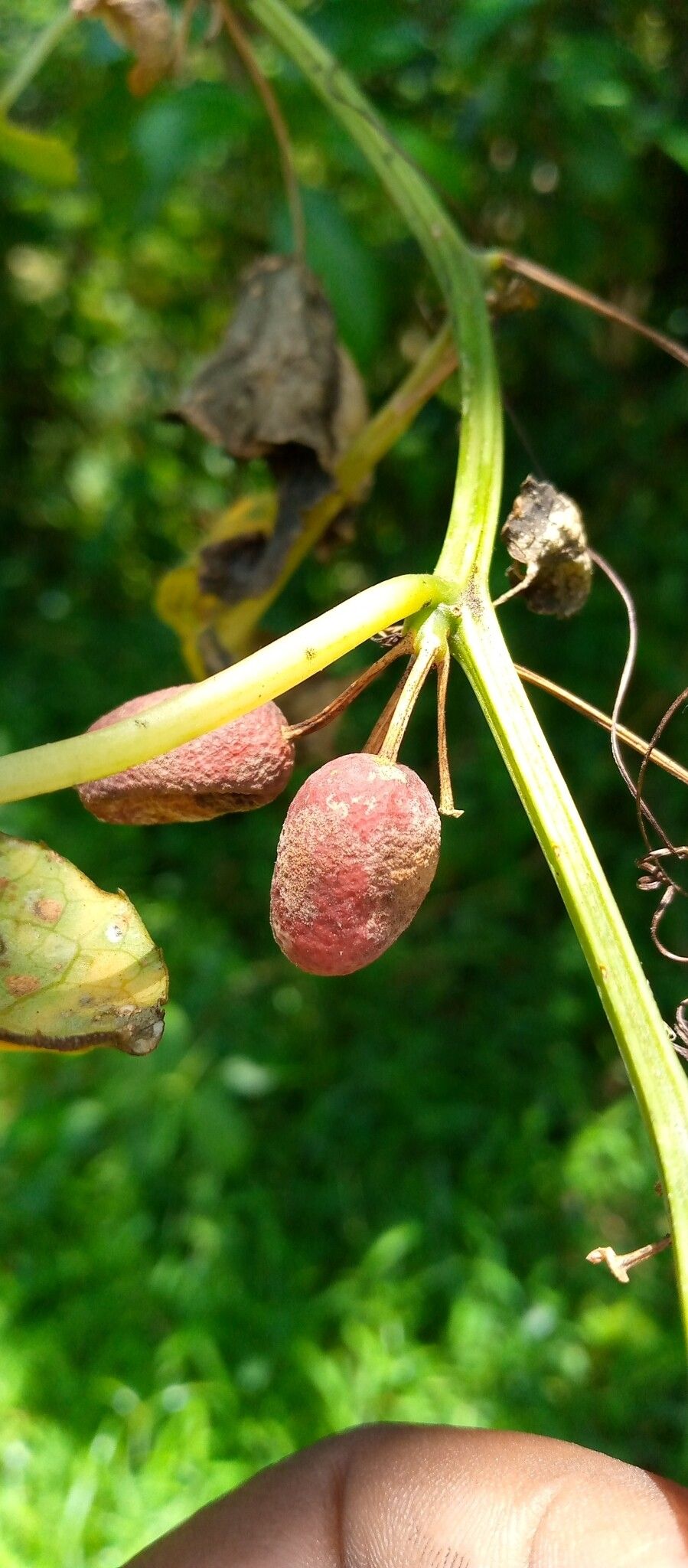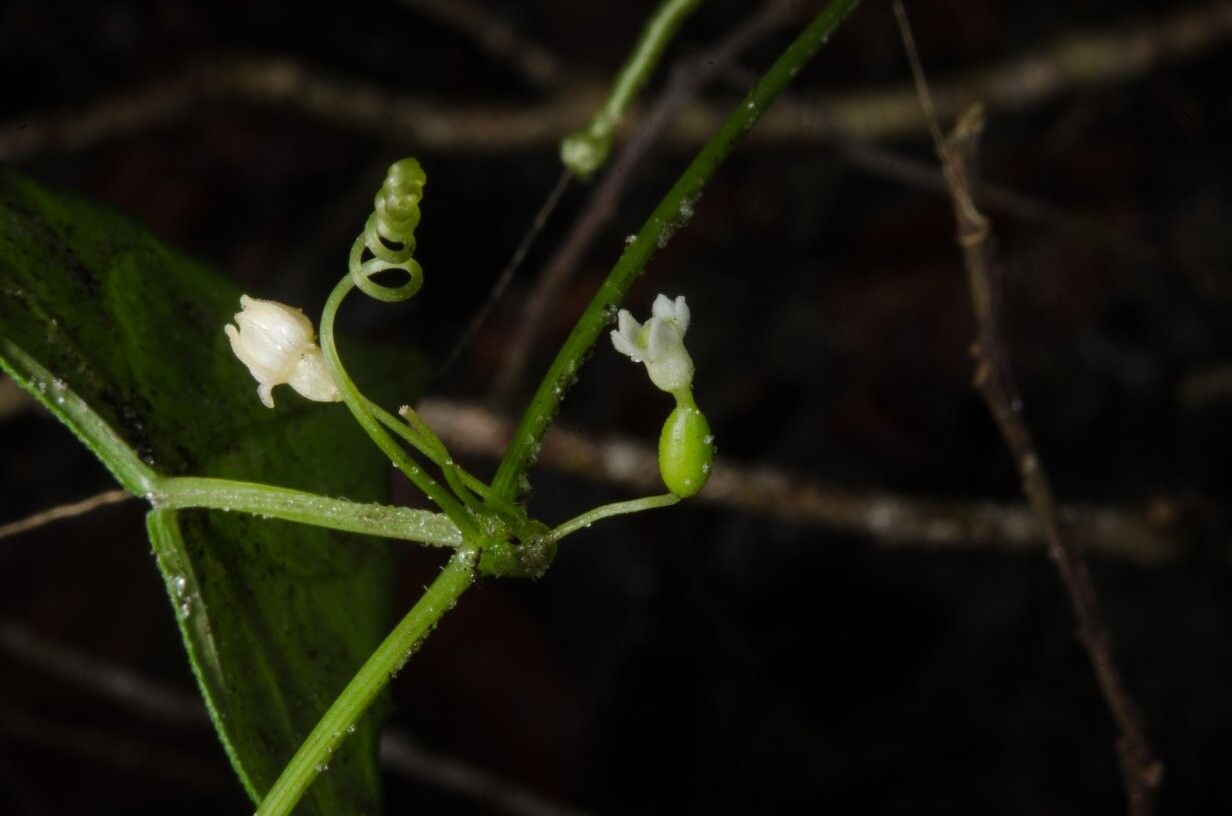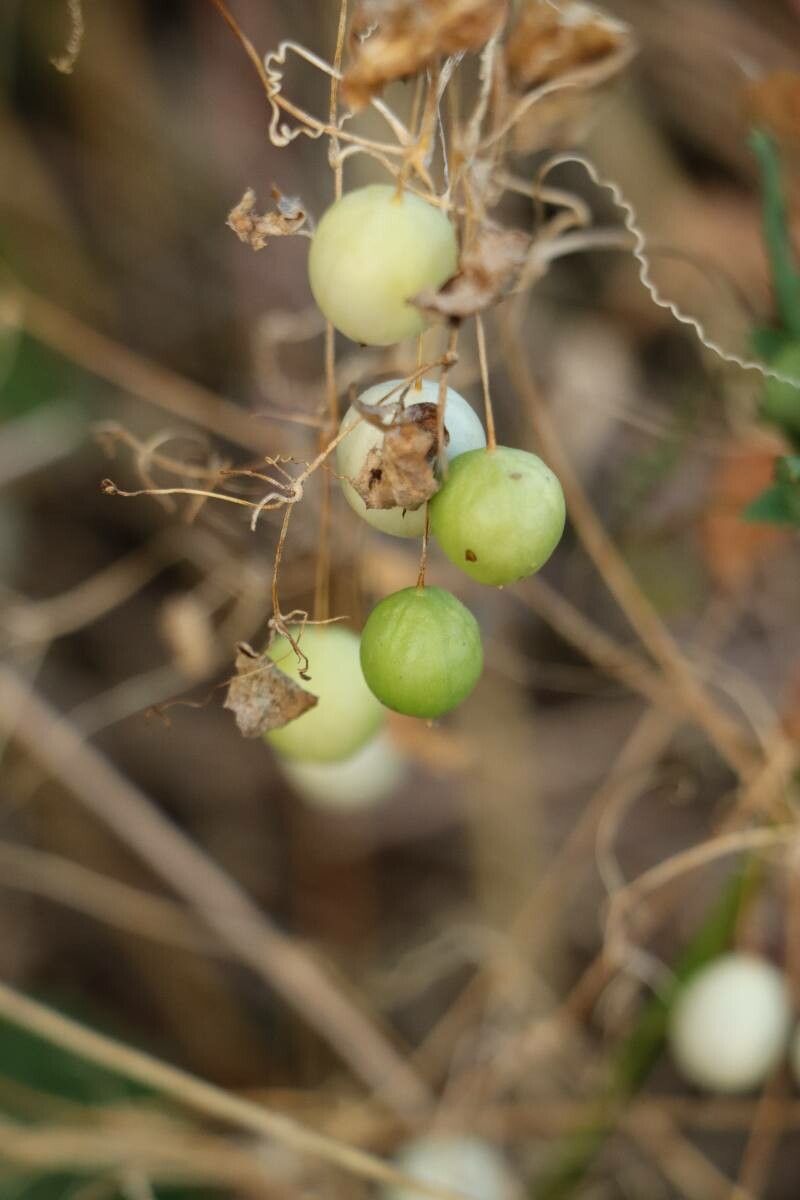
Japanese wild cucumber is fairly disease-resistant and typically does not suffer from many illnesses. Still, it can be vulnerable to pests and diseases present in its environment. Such infections are generally mild. Regarding upkeep, this species needs a moderate level of care. It should be pruned on a regular basis to preserve an attractive appearance and support healthy growth. Adding fertilizer can also encourage it to flower. Japanese wild cucumber is a good fit for anyone with outdoor space, like a garden or patio, and does not demand extensive care experience. If cultivated indoors, it may need more attention.
How to keep Zehneria Japonica.
Light
The wild cucumber from Japan is native to habitats that have patchy sunlight, like the lower levels of forests or rocky regions that naturally offer shade. It flourishes in somewhat sunny areas, however, it can also adjust to completely sunny situations.
Water
Japanese wild cucumber flourishes in consistently moist soil, needing weekly watering to stay healthy. In garden settings, mulching helps retain moisture and protects against temperature fluctuations, which mirrors the regular water availability of its natural habitat.
Temperature
The Japanese wild cucumber is quite tolerant to heat, and can withstand considerable temperature fluctuations. During periods of high heat, it is crucial to manage its watering and ensure it has adequate shade to avoid sun damage. On the other hand, its capacity to endure low temperatures is notably weak. While it can tolerate a certain level of coldness, highly freezing conditions can result in frost harm.
Fertilizer
When the majority of the blossoms on the Japanese wild cucumber are fully open, it signifies the start of another fertilizer application period. Initiate the fertilizing once more whilst the flowers are in their maximum bloom phase, every three to four weeks, providing the weather conditions are suitable. However, once the Japanese wild cucumber has begun to reduce its new blossom production, cease fertilizing. There is no necessity to fertilize when the plant is not able to generate more blooms.
Pruning
The Japanese wild cucumber grows quickly and vines beautifully. To keep it healthy and well-shaped, it's important to selectively prune it from early to late spring. By trimming away damaged or weak stems, you encourage healthy growth and improve air circulation, which helps reduce the risk of disease. Always use clean, sharp tools for the best pruning results.
Botanical profile.
- Plant Type
- Herb
- Life Cycle
- Annual
- Genus
- Zehneria
- Family
- Cucurbitaceae
- Hardiness Zone
- 8-11
- Mature Height
- 0.91 m to 2.13 m
- Mature Spread
- 2.13 m to 3.05 m
- Leaf Color
- Forest Green, Dark Green
- Leaf Type
- Deciduous
- Flower Color
- White
- Flower Size
- 1.02 cm to 2.03 cm
- Bloom Time
- Summer, Early fall, Mid fall
- Planting Time
- Spring, Summer, Autumn
- Harvest Time
- Late summer, Fall, Early winter
- Native Area
- Japan