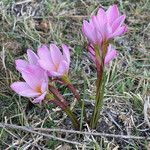
Zephyranthes fosteri
Care Guide
💧 Water
Foster's zephyrlily flourishes in environments that mimic tropical conditions, with occasional rain and high humidity. It is moderately tolerant to drought. To promote healthy growth, it should be watered weekly. When cultivated outdoors, the plant benefits from natural rainfall, which complements its growth cycle and water needs.
☀️ Light Full shade
Foster's zephyrlily does best with soft, gentle light, so it thrives in mostly shaded spots. While it can tolerate some sunlight, excessive or insufficient light can impair its growth. Native to places with mild lighting, that kind of illumination promotes its optimal development.
What are the sunlight requirements for Foster's zephyrlily?
Foster's zephyrlily thrives best in conditions that mimic its natural habitat, which includes mostly shady areas or with partial sunlight. It requires less than 3 hours of sunlight in full shade areas, and about 3-6 hours in partial sun areas. The delicate balance of light and shade is crucial for the optimal growth of this plant. It's recommended to observe the movement of sunlight through your garden to choose the best spots that provide this balance, ensuring the plant's happiness and healthy growth.
How does Foster's zephyrlily respond to different light conditions?
Foster's zephyrlily appreciates the softness of subtle light and flourishes in mostly shady areas. It can tolerate sunlit settings to a certain extent, but both too much and too little light can hinder its growth. Originating from environments with mild light, this level of illumination supports its optimum growth. For indoor plants, artificial lighting can compensate when natural sunlight is insufficient, especially during winter or in less sunny spaces. LED lights are advisable for providing the specific wavelengths needed, with intensity varying based on the plant's needs - full sun plants need 30-50W/sq ft, partial sun plants 20-30W/sq ft, and full shade plants 10-20W/sq ft. The right distance (12-36 inches above the plant) and duration (8-12 hours per day) of artificial light mimic natural sunlight conditions, promoting healthier growth.
What symptoms indicate light-related issues in Foster's zephyrlily?
When Foster's zephyrlily is grown in insufficient light conditions, particularly indoors, it may exhibit a range of subtle symptoms. These include smaller new leaves, leggy or sparse growth, faster leaf drop, slower or halted new growth, lighter-colored or pale new leaves, chlorosis (yellowing leaves), sunscald (damage from intense sunlight), leaf curling, wilting, and leaf scorching. Each of these symptoms suggests either a deficiency or excess of light exposure, reflecting the plant's struggle to adapt to its lighting environment. Adjusting the plant's exposure to light, either by moving it to an area with better natural light or by using artificial lighting, can help mitigate these issues.
How can light-related issues in Foster's zephyrlily be addressed?
To address light-related issues in Foster's zephyrlily and promote healthy growth, follow these solutions based on the plant's location. For indoor plants, move them to a spot where they can receive ample filtered light, including brief periods of direct morning sunlight, ideally 1-2 meters away from a window. Use artificial light such as desk or ceiling lamps, or professional plant grow lights, for at least 8 hours daily if the plant is large or not easily movable. For outdoor plants, gradually adapt them to a brighter location by moving them to a sunnier spot each week, avoiding sudden changes in light intensity. If sunlight is obstructed, consider pruning trees or transplanting smaller plants during their dormant period to a location with better sunlight and drainage. Note that parts of the plant affected by insufficient light may not recover fully, but new growth will be healthy with improved light conditions.
🌡️ Temperature 15–35°C
Foster's zephyrlily comes from temperate regions and naturally does best in temperatures of 59 to 95 °F (15 to 35 ℃). For optimal growth, keep it within its preferred temperature range and make adjustments during harsher seasons if necessary.
💨 Humidity
🪴 Soil 6-7
🌱 Fertilizer
The primary time to fertilize Foster's zephyrlily is in early spring, when flowers are beginning to form. Using the proper fertilizer promotes better blooms and helps Foster's zephyrlily produce attractive flowers. Fertilizing in early spring ensures excellent flowers during the season and supplies energy for dormant growth phases.
🪴 Pot & Repot
✂️ Pruning
To ensure that Foster's zephyr lilies flourish, it's important to apply proper pruning techniques from early to late spring. Start by removing dead leaves to encourage new growth. Thin out the foliage to improve air circulation, which helps prevent diseases. Consistent pruning not only enhances flowering but also keeps the plant looking neat. Be sure to use clean, sharp tools to prevent infections.
🌿 Propagating
🐛 Diseases & pets
☠️ Toxicity
Characteristics
- Plant Type
- Herb
- Life Cycle
- Perennial
- Genus
- Zephyranthes
- Family
- Amaryllidaceae
- Hardiness Zone
- 7-10
- Mature Height
- 15 cm to 30 cm
- Mature Spread
- 15 cm to 25 cm
- Leaf Color
- Green
- Leaf Type
- Deciduous
- Flower Color
- Pink, White
- Flower Size
- 5.08 cm to 6.35 cm
- Bloom Time
- Summer, Early fall, Mid fall
- Planting Time
- Spring, Summer, Autumn
- Harvest Time
- Late summer, Fall, Early winter
- Native Area
- Mexico