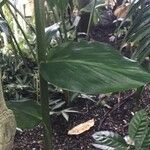
Zingiber Spectabile
Beehive Ginger · విదేశీ అల్లం
Description
Source: leafsnapZingiber spectabile, commonly known as Beehive Ginger or Dancing Ladies Ginger, is a tropical plant native to Southeast Asia. It belongs to the family Zingiberaceae and is popular for its attractive inflorescence. The plant can grow up to 6 feet tall and features long, lance-shaped green leaves. Its cone-shaped inflorescence resembles a beehive, with small flowers emerging from each bract. These flowers are typically pink or red with yellow tips and bloom throughout the year. Beehive Ginger thrives in warm temperatures, high humidity, and well-draining soil. It can be grown outdoors in tropical regions or indoors as a houseplant in cooler climates. Besides its ornamental value, Zingiber spectabile possesses medicinal properties that have been utilized for centuries by traditional healers to treat various ailments, including headaches, fever, and stomach disorders. Overall, Zingiber spectabile is an attractive tropical plant that adds beauty to any setting, whether indoors or outdoors, while also offering medicinal benefits. It makes an excellent addition to both home and garden environments.
Care Guide
💧 Water Every 7 days
Beehive ginger thrives in tropical rainforests, where high humidity and consistent rainfall create the ideal environment for its growth. To ensure it grows optimally, it needs to be watered weekly. As a deciduous plant, beehive ginger sheds its leaves during the dry season to reduce water loss and increase its chances of survival.
How should I water my Beehive ginger plant?
To properly water the Beehive ginger plant, it is recommended to use filtered water at room temperature. Tap water may contain harmful particles, so filtering it is better. It is important to use water that is at room temperature or slightly warmer because this plant is native to warm climates and cold water can be a shock to its system. Additionally, avoid overhead watering as it can cause issues with the foliage. Instead, simply water the soil directly until it is completely soaked. This helps to moisten the roots and promote their growth and nutrient absorption.
What should I do if I give too much water or too little water to my Beehive ginger plant?
Overwatering is a more common issue than underwatering for Beehive ginger plants. When they receive too much water, their stems and leaves may wilt and turn yellow. Overwatering for long periods can also cause diseases like root rot, mold, and mildew, which can be fatal for the plant. While underwatering is less common because Beehive ginger plants can tolerate drought, it can still happen and cause brittle, brown leaves. It's important to recognize the signs of overwatering early on. If you notice them, reduce your watering schedule immediately. Also, check the soil to ensure it drains well. If it doesn't, replace it with a loose, well-draining potting mix. If you determine your plant is not getting enough water, simply increase your watering frequency until the signs of underwatering disappear.
How frequently should I water my Beehive ginger plant?
If your Beehive ginger plant is in a pot, the most precise way to determine if it needs water is to check the soil. Stick your finger into the soil and if the top two to three inches are dry, it's time to water it. For Beehive ginger plants grown outdoors in the ground, you can use a similar method to test the soil. When the top few inches of soil have dried out, it's time to water. Typically, watering once a week is sufficient during spring and early fall. In extremely hot weather, you may need to water twice a week or more. However, mature and well-established Beehive ginger plants have shown a remarkable ability to withstand drought.
How frequently should I water my Beehive ginger plant?
To properly water your Beehive ginger, don't hold back on the amount of water you provide. Wait until the top few inches of soil are dry and then give the plant a good, deep watering. Make sure to thoroughly soak the soil, allowing enough water so that it drains out of the pot's drainage holes. If you don't see excess water draining, you may not have watered enough. However, be careful not to let water collect in the soil, as this can harm the plant. On the other hand, if water doesn't drain properly, it could be a sign of poor soil drainage, which is bad for the plant's health. Outdoors, the plant generally needs about 1 inch of rainfall per week.
How do I water my Beehive ginger at different times it is growing?
The water needs of the Beehive ginger can vary depending on different growth stages. When the plant is young or has been recently transplanted, it requires more water. During these stages, the Beehive ginger focuses on developing new roots, which need extra moisture for optimal growth. As the plant matures over a few seasons, it will require less water. Another growth stage that may require increased watering is during the bloom period, as the flower development requires a significant amount of moisture.
☀️ Light Partial sun
Beehive ginger prefers moderate sunlight but can tolerate lower light levels. Originating from places that are not heavily sunlit, it thrives when sunlight is introduced gradually. Too little light can diminish its flowering, while too much can cause the leaves to curl.
What are the sunlight requirements for beehive ginger plants?
Beehive ginger plants require specific sunlight conditions to thrive. They appreciate moderate sunlight exposure but can adapt to less sunny conditions, making them suitable for environments with partial sun, about 3-6 hours of sunlight, or full shade, which is less than 3 hours of sunlight daily. Observing sunlight movement through your garden helps in choosing spots with an ideal balance of light and shade, ensuring the plants' well-being. It's crucial to provide beehive ginger with adequate sunlight for healthy growth, as insufficient light can affect blooming, and excessive sunlight may cause leaf curling.
How can artificial lighting benefit indoor beehive ginger plants?
Artificial lighting plays a crucial role in the growth of indoor beehive ginger plants, especially when natural sunlight is insufficient, such as in winter or less sunny spaces. Using the right type of artificial light, like LED lights, can help provide the wavelengths needed for optimal plant growth. For full sun plants, 30-50W/sq ft of artificial light is recommended, partial sun plants require 20-30W/sq ft, and full shade plants need 10-20W/sq ft. The light source should be placed 12-36 inches above the plant to mimic natural sunlight, and most plants benefit from 8-12 hours of light per day.
What are common symptoms of inadequate sunlight in beehive ginger plants?
When beehive ginger plants receive insufficient sunlight, they may exhibit symptoms such as smaller new leaves, leggy or sparse growth, faster leaf drop, slower or no new growth, and lighter-colored new leaves. These signs indicate the plant's struggle with inadequate light, leading to reduced chlorophyll and essential nutrients. Additionally, excessive sunlight can cause chlorosis, sunscald, leaf curling, wilting, and leaf scorching, highlighting the importance of providing the right amount of sunlight for healthy plant growth.
What solutions can help address sunlight-related issues for beehive ginger plants?
To address sunlight-related issues in beehive ginger plants, optimization of light exposure is key. For indoor plants, gradually shifting them to sunnier spots each week until they receive 3-6 hours of direct sunlight daily helps in adapting to changing light conditions. If moving the plant is not feasible, using artificial light, such as desk or ceiling lamps for at least 8 hours daily or professional plant grow lights, can provide sufficient light. Outdoor plants benefit from a gradual relocation to sunnier spots to avoid sunburn. Additionally, removing obstructions like branches for outdoor plants and considering transplanting during dormant periods can improve sunlight access. It's important to note that while increasing light exposure benefits new growth, parts of the plant previously affected by insufficient sunlight may not recover fully.
🌡️ Temperature 15–35°C
Beehive ginger comes from tropical areas where the climate is typically warm and humid. Consequently, it is adapted to high temperatures and humidity. It does not tolerate sudden temperature changes and prefers a steady thermal environment, so avoiding temperature fluctuations indoors is important. It generally cannot withstand cold and requires higher temperatures to grow. If the surrounding temperature falls too low, the plant may stop growing or even die.
💨 Humidity normal (40-60%)
This plant will thrive in moderate humidity, which is probably the level in your home. However, misting it a few times a week can be very beneficial. Make sure the room has good ventilation.
🪴 Soil 6-7
🌱 Fertilizer
Proper fertilization is essential for the health and appearance of Beehive ginger. Fertilize Beehive ginger during summer, repeating the feeding monthly throughout the season. Nutrients drive growth and help maintain the plant’s parts. Fertilization improves Beehive ginger’s floral display, ensuring the best blooms.
🪴 Pot & Repot Every 12 months
✂️ Pruning
Beehive ginger boasts a distinctive, beehive-shaped flower cluster and benefits from pruning between early and late spring to ensure healthy growth. To extend the blooming period, enhance air circulation, and improve the plant's appearance, trim away spent flowers regularly. Additionally, keep a close eye on the plant's health to optimize its growth and maintain its shape.
🌿 Propagating
🐛 Diseases & pets
☠️ Toxicity
Characteristics
- Plant Type
- Herb
- Life Cycle
- Perennial
- Hardiness Zone
- 8-10
- Mature Height
- 3.96 m
- Mature Spread
- 40 cm
- Leaf Color
- Green
- Leaf Type
- Deciduous
- Flower Color
- Yellow, Orange
- Flower Size
- 30.48 cm
- Bloom Time
- Summer, Early fall, Mid fall
- Planting Time
- Spring, Summer, Autumn
- Harvest Time
- Fall
- Native Area
- India and China