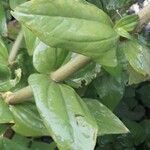
Zinnia elegans
Garden zinnia · Youth-and-age · Youth-and-old-age · Common zinnia · Elegant zinnia
Description
Source: leafsnapZinnia elegans, a popular annual flowering plant from the Asteraceae family, is native to Mexico and Central America but has been widely cultivated in gardens and landscapes worldwide. The plant can grow up to 3 feet tall and produces large, colorful flowers in a variety of shades, including red, orange, yellow, pink, purple, and white. The leaves of Zinnia elegans are lance-shaped with serrated edges. Its daisy-like flowers feature a central disk surrounded by petals, which can be single or double-layered depending on the cultivar. These blooms appear from mid-summer until fall. Zinnia elegans thrives in full sun but can tolerate partial shade in hot climates. It prefers well-drained soil with moderate moisture levels for optimal growth. The plant is easy to grow from seed or transplants. Zinnias are popular garden plants because of their vibrant colors and long-lasting blooms, making them ideal for cut flower arrangements. Additionally, they attract pollinators such as bees and butterflies to your garden. Overall, Zinnia elegans is an easy-to-grow annual flowering plant that adds color and beauty to any garden. It also attracts beneficial pollinators to your yard or landscape area.
💡 The elegant zinnia is a member of the Compositae plant family and originates from tropical America. It is widely cultivated for its large, beautiful flowers, unique shapes, and long blooming period, making it a popular choice for summer gardens. The zinnia generally symbolizes excitement. When the flowers are of mixed colors, they represent longing for deceased friends; red zinnias signify steadfastness; white ones symbolize kindness; and yellow zinnias are seen as an everyday greeting. Those who have zinnias as their birth flowers are often enthusiastic and lively. They are easily stimulated by their surroundings and tend to be very emotional, particularly in matters of love. Their thoughts can be unpredictable, which may cause their partners to feel uncertain.
🌳 Zinnias captivate with a long-lasting display from early summer until the first frost. They serve as natural garden borders, enlivening the landscape with a variety of colors. These flowers are sought after for indoor arrangements because of their enduring vibrancy. Beyond appearance, they attract key pollinators such as bees and butterflies and are effective at keeping deer away due to their unpalatable taste and sturdy structure, thereby protecting gardens from foraging.
🎭 Perseverance, enduring friendship, remembrance
Care Guide
💧 Water Every 3 days
The common zinnia thrives in warm, rainy conditions and requires watering twice a week for optimal growth. As an annual flowering plant, it grows best outdoors during the warm season and benefits from natural rainfall for healthy development.
When Should I Water My Common Zinnia?
Watering common zinnia is vital for its growth and health, with the timing often indicated by the soil's dryness. The top 1-2 inches of soil should be dry before watering. Wilting leaves can also signal the need for water, but ensure not to wait until they are overly floppy. Yellow or pale leaves suggest the need for more frequent watering. Moreover, a noticeable reduction in blooming can mean the plant needs more water. It's essential to find a balance since both overwatering and underwatering carry risks such as root rot or stunted growth.
How Should I Water My Common Zinnia?
For common zinnia, bottom-watering is recommended to avoid over-soaking the soil and foliage, which can lead to root rot and fungal diseases. Tools like a moisture meter can help determine when to water, ensuring the soil's moisture is appropriate. It's important to water around the plant's base, avoiding the foliage, to prevent issues. During the summer, more frequent bottom watering is necessary due to higher soil moisture evaporation. Keeping watering equipment clean is essential to prevent spreading diseases.
How Much Water Does Common Zinnia Really Need?
Common zinnia requires regular watering to maintain moist (but not waterlogged) soil, with the amount varying based on pot size, root depth, and the plant's size. Pots should be at least 8-10 inches in diameter, and water should reach about 6-8 inches deep to meet the roots. Larger plants will need more water than smaller ones. Symptoms of correct watering include vibrant, healthy foliage and abundant flowers, while signs of too little or too much water include wilting, leaf discolouration, and reduced blooming.
What Kind of Water is Best for Common Zinnia?
Common zinnia thrives on distilled, rain, or dechlorinated tap water. It has moderate sensitivity to contaminants such as chlorine, fluoride, and certain heavy metals, which can affect its growth. Letting tap water sit overnight to off-gas chlorine or using filtered water can help. The plant prefers water at room temperature, avoiding the stress cold water can cause. Improved water quality can lead to more vibrant growth and healthier blooms.
How Do Common Zinnia's Watering Needs Change with the Seasons?
Watering needs for common zinnia vary by season. In spring, consistent watering supports growth as temperatures rise. The summer, its peak blooming period, requires more frequent watering due to quick soil drying. Autumn's cooler weather and reduced plant growth mean less frequent watering, ensuring the soil's top few inches dry out before more water is added. In climates where common zinnia survives winter, water minimally due to dormancy. The plant may not survive harsh winters, so watering may not be required in some climates.
☀️ Light Full sun
The zinnia thrives in abundant light, encouraging healthy growth and vivid blooms. It can, however, tolerate partially shaded conditions. Excessive shading can impede growth and lead to poor flowering. Originating in sun-drenched habitats, it retains this trait throughout its development. Nonetheless, too much sunlight can damage the foliage.
What are the sunlight requirements for Common Zinnia?
Common Zinnia (Zinnia elegans) thrives best in full sun, requiring more than 6 hours of sunlight daily. It can also grow in partial sun, with about 3-6 hours of sunlight. It's crucial to observe the sunlight's movement in your garden to ensure your plants receive the ideal balance of light and shade. Excessive shading can hinder growth and reduce flowering, but note that too much direct sunlight might damage the foliage.
How should indoor Common Zinnias be lit if natural sunlight is insufficient?
For indoor Common Zinnias, when natural light is insufficient, artificial lighting is a crucial solution. LED lights, recommended for their ability to replicate specific wavelengths needed by plants, should be configured to provide 30-50W/sq ft for full sun plants, 20-30W/sq ft for partial sun plants, and 10-20W/sq ft for full shade plants. The light source should be placed 12-36 inches above the plant to mimic natural sunlight. It's recommended to mimic natural daylight hours, generally keeping lights on for 8-12 hours per day.
What symptoms indicate inadequate light for Common Zinnias?
Symptoms of inadequate light for Common Zinnias include smaller new leaves, leggy or sparse growth, faster leaf drop, slower or no new growth, and lighter-colored new leaves. These symptoms suggest the plant is not receiving enough sunlight, vital for its growth and health. Additionally, overexposure to sunlight can cause chlorosis, sunscald, leaf curling, wilting, and leaf scorching, indicating the need for a balanced light environment.
What solutions are recommended for Common Zinnias experiencing inadequate sunlight?
To address inadequate sunlight for Common Zinnias, consider gradually moving plants to sunnier locations until they achieve at least 6 hours of direct sunlight daily. For indoor plants, using a south-facing window or artificial light sources, like desk lamps or professional grow lights for at least 8 hours daily, can substantially improve light exposure. When dealing with outdoor plants, a gradual transition to sunnier spots helps avoid sunburn. It’s also beneficial to reduce obstructions that block sunlight by pruning trees or relocating plants to areas with better sunlight exposure and good drainage.
🌡️ Temperature 0–35°C
Zinnia comes from climates with average temperatures between 68 and 95 °F (20–35 °C). It favors warm temperatures and sunlight. In colder months, consider moving it indoors or providing insulation to prevent frost damage.
What are the ideal temperature conditions for Common zinnia?
Common zinnia thrives in climates where the average temperature ranges between 68 to 95°F (20-35°C), enjoying warm temperatures and sunlight. During the colder months, it's advisable to move the zinnia plant indoors or provide it with insulation to prevent frost damage. Although common zinnia has strong cold resistance and generally does not require special frost protection measures during winter, in extreme conditions where temperatures are expected to drop below -35°C, protective measures such as covering the plant with soil or straw are recommended.
How do you prepare Common zinnia for winter?
To prepare Common zinnia for winter, especially before the first freeze in autumn, you should water the plant abundantly to ensure the soil remains moist and enters into a frozen state. This practice helps to prevent drought and water scarcity for the plant during the winter and early spring months.
How does low temperature affect Common zinnia and what are the solutions?
Common zinnia is cold-tolerant and performs best when the temperature stays above 20°C. It should be kept above 0°C during winter. If temperatures fall below -35°C, there might not be noticeable changes during winter; however, there can be a decrease in sprouting, or in some cases, the plant may not sprout at all come springtime. The solution for affected plants in the spring is to remove any parts that have failed to sprout.
How does high temperature affect Common zinnia and what are the solutions?
During the summer, it is important to keep Common zinnia below 35°C. Exceeding 41°C can cause the leaves to become lighter in color, curl, become susceptible to sunburn, and, in severe cases, the entire plant may wilt and become dry. To mitigate these issues, trim away the sunburned and dried-up parts of the plant, move it to a location with shade from the midday and afternoon sun, or use a shade cloth for protection. Additionally, watering the plant in the morning and evening helps to keep the soil moist and support the plant's well-being during high temperatures.
💨 Humidity normal (40-60%)
This plant will thrive in moderate humidity, which is probably the level in your home. However, misting it a few times a week can be very beneficial. Make sure the room has good ventilation.
🪴 Soil 5-7
🌱 Fertilizer
Once a Zinnia has opened most of its flowers to full size, resume fertilizing. When blooms are at their peak production, fertilize every three to four weeks, as weather allows. Then, once the Zinnia begins producing fewer new blooms, stop fertilizing; there’s no need to feed the plant when it can no longer produce more flowers.
Why should I add fertilizer to my Common zinnia?
Plants, including Common zinnia, require nutrients to survive. This is common knowledge for most gardeners, regardless of their experience. Without food, Common zinnia will quickly die out after the first pollination. Therefore, it is crucial to provide the correct nutrients in the appropriate amounts to ensure the plant thrives throughout the blooming season and produces large, beautiful flowers. Fertilizer is especially beneficial for Common zinnia as it helps build a strong and healthy root system. Given that this plant has a fragile and thin root system that is susceptible to damage, fertilizing during planting is essential. This not only promotes stability but also sets the stage for an impressive flowering display. Properly timed fertilization can significantly extend Common zinnia's blooming period.
When should I fertilize my Common zinnia?
The Common zinnia grows rapidly after the last frost, making it the perfect time to fertilize. This should be done during planting, whether you're putting it in the ground or in planters. This initial dose of fertilizer will be the only one until the blooms are in full force later in the year. Once the blooms are fully open and the season is in full swing, it's time to start fertilizing again. This should be done every three to four weeks, as weather permits, while the blooms are at their peak. Once the plant starts producing fewer new blooms, stop fertilizing as there is no need when it can't produce any more.
When is it best not to put fertilizer on my Common zinnia?
Regular fertilizing is important for Common zinnia, but it is crucial to apply it at the right time. In some cases, it is necessary to hold back on fertilizing. These situations are often related to climate or controllable factors. When something is wrong with the plant, soil, or climate, it is best to wait until the issue is resolved and the plant has recovered. For example, if there are severe or unexpected weather changes, such as a sudden cold snap in the middle of summer, it is advisable to wait until it becomes warm again before fertilizing. Similarly, if the soil is too dry or compacted to absorb the fertilizer properly, it is better to wait until conditions improve. In high temperatures, especially during the hottest parts of the day, it is not recommended to apply fertilizer as it may break down too quickly. It is also important to treat and resolve any pest or disease issues before reapplying fertilizer.
What kind of fertilizer should I use for my Common zinnia?
Most types of Common zinnia need a balanced nutrient fertilizer that is specifically formulated for high-yield blooming plants. The best option is a fertilizer with a higher level of phosphorus, indicated by a higher P number in its NPK number, like 10-30-10. There are several fertilizer brands that sell a fertilizer suitable for blooming plants like Common zinnia, which is an easy and low-maintenance way to provide the necessary nutrients. If you choose a pre-mixed fertilizer, be sure to follow the package instructions to avoid over or under fertilizing Common zinnia, which can result in poor growth or wilting.
How can I apply fertilizer to my Common zinnia plant?
The instructions for fertilizing Common zinnia may differ depending on the type of fertilizer you have. Here are some general tips to follow. When you first plant Common zinnia, mix the recommended amount of fertilizer into the soil before planting and water the zinnia. For subsequent fertilizing, if you are using pellet fertilizers, mix them into the top inch of soil around the outer edge of the plant where the roots are. Ensure they are watered well initially, and then water regularly. For other types of fertilizers, mix them into a watering can and apply them like regular watering. Check the instructions on the fertilizer packaging for specific guidance, but if you prefer a regular schedule, aim for fertilizing every three to four weeks.
🪴 Pot & Repot
When repotting Zinnia, choose a pot that is 1–2 inches (2.5–5 cm) larger in diameter and make sure it has good drainage. Use a well-draining potting mix and consider adding perlite for extra drainage. Repot in spring or early summer, water thoroughly afterward, and keep it in a shaded spot at first.
✂️ Pruning
To keep your common zinnia thriving, it's important to prune strategically. In early spring, pinch the tips to encourage branching. Regularly deadhead the flowers to promote continuous blooms. In late spring, shape the plant and remove any dead stems. Consistent pruning not only boosts growth but also improves air circulation and extends the flowering period, resulting in a healthier plant.
🌿 Propagating
🐛 Diseases & pets
☠️ Toxicity
Zinnia elegans has no toxic effects reported.
Characteristics
- Plant Type
- Herb
- Life Cycle
- Annual, Biennial
- Genus
- Zinnia
- Family
- Asteraceae
- Hardiness Zone
- 3-10
- Mature Height
- 15 cm to 91 cm
- Mature Spread
- 30 cm to 61 cm
- Leaf Color
- Green
- Leaf Type
- Deciduous
- Flower Color
- Yellow, Red, Orange, White, Purple, Pink, Green, Cream, Gold
- Flower Size
- 5.08 cm to 6.35 cm
- Bloom Time
- Late spring, Summer
- Planting Time
- Spring, Summer
- Harvest Time
- Summer, Early fall
- Native Area
- Belize, Honduras, Mexico, Guatemala, Peru, El Salvador, Nicaragua, Costa Rica