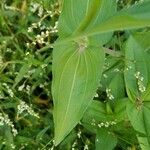
Zinnia violacea
Common Zinnia · Elegant zinnia · Garden zinnia · Youth and Old Age · Youth-and-age
Description
Source: leafsnapZinnia elegans (syn. Zinnia violacea) known as youth-and-age, common zinnia or elegant zinnia, is an annual flowering plant in the family Asteraceae. It is native to Mexico but grown as an ornamental in many places and naturalised in several places, including scattered locations in South and Central America, the West Indies, the United States, Australia, and Italy.
🌳 Zinnias captivate with a long-lasting display from early summer until the first frost. They serve as natural garden borders, enlivening the landscape with a variety of colors. These flowers are sought after for indoor arrangements because of their enduring vibrancy. Beyond appearance, they attract key pollinators such as bees and butterflies and are effective at keeping deer away due to their unpalatable taste and sturdy structure, thereby protecting gardens from foraging.
🎭 Perseverance, enduring friendship, remembrance
Care Guide
💧 Water
☀️ Light Full sun
The zinnia thrives in abundant light, encouraging healthy growth and vivid blooms. It can, however, tolerate partially shaded conditions. Excessive shading can impede growth and lead to poor flowering. Originating in sun-drenched habitats, it retains this trait throughout its development. Nonetheless, too much sunlight can damage the foliage.
🌡️ Temperature 0–35°C
Zinnia comes from climates with average temperatures between 68 and 95 °F (20–35 °C). It favors warm temperatures and sunlight. In colder months, consider moving it indoors or providing insulation to prevent frost damage.
💨 Humidity
🪴 Soil 5-7
🌱 Fertilizer
Once a Zinnia has opened most of its flowers to full size, resume fertilizing. When blooms are at their peak production, fertilize every three to four weeks, as weather allows. Then, once the Zinnia begins producing fewer new blooms, stop fertilizing; there’s no need to feed the plant when it can no longer produce more flowers.
🪴 Pot & Repot
When repotting Zinnia, choose a pot that is 1–2 inches (2.5–5 cm) larger in diameter and make sure it has good drainage. Use a well-draining potting mix and consider adding perlite for extra drainage. Repot in spring or early summer, water thoroughly afterward, and keep it in a shaded spot at first.
✂️ Pruning
🌿 Propagating
🐛 Diseases & pets
☠️ Toxicity
Characteristics
- Plant Type
- Herb
- Life Cycle
- Annual, Biennial
- Genus
- Zinnia
- Family
- Compositae
- Hardiness Zone
- 3-10
- Mature Height
- 15 cm to 91 cm
- Mature Spread
- 30 cm to 61 cm
- Leaf Color
- Green
- Leaf Type
- Deciduous
- Flower Color
- Yellow, Red, Orange, White, Purple, Pink, Green, Cream, Gold
- Flower Size
- 5.08 cm to 6.35 cm
- Bloom Time
- Late spring, Summer
- Planting Time
- Spring, Summer
- Harvest Time
- Summer, Early fall
- Native Area
- Belize, Honduras, Mexico, Guatemala, Peru, El Salvador, Nicaragua, Costa Rica