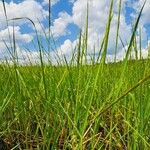
Zizania aquatica
Indian rice · Indian Wild Rice · Annual wildrice · Annual Wild Rice · Southern Wildrice
Description
Source: leafsnapWild rice, also called manoomin, Canada rice, Indian rice, or water oats, is any of four species of grasses that form the genus Zizania, and the grain that can be harvested from them. The grain was historically gathered and eaten in both North America and China, but eaten less in China, where the plant's stem is used as a vegetable. Wild rice is not directly related to domesticated rice (Oryza sativa and Oryza glaberrima), although they are close cousins, all belonging to the tribe Oryzeae. Wild-rice grains have a chewy outer sheath with a tender inner grain that has a slightly vegetal taste.The plants grow in shallow water in small lakes and slow-flowing streams; often, only the flowering head of wild rice rises above the water. The grain is eaten by dabbling ducks and other aquatic wildlife.
Care Guide
💧 Water Twice per week
Annual wild rice, which originates from freshwater marshes, thrives in high moisture and saturated soils. To mimic its natural environment, it should be watered twice a week. This aquatic grass has adapted its growth cycles to align with the seasonal water levels and flooding patterns of its habitat.
☀️ Light Full sun
Annual wild rice does best when it receives plenty of sunlight every day, being native to habitats with unobstructed exposure to the sun. Longer daylight periods promote its vigorous growth. Both excessive and insufficient light increase stress and impede development, and annual wild rice does not have any notable tolerance for low-light conditions.
What are the sunlight requirements for Annual wild rice?
Annual wild rice requires full sun exposure, ideally above 6 hours of sunlight daily, to thrive. The plant originates from habitats with unobstructed exposure to the sun's rays, and extended daylight assists its growth. It's crucial to watch how sunlight moves through your garden and choose spots that provide a perfect balance of light and shade, ensuring the plants' happiness. Nevertheless, Annual wild rice has no remarkable tolerance to low light conditions, and both excessive and inadequate light can stress the plant, leading to hindered growth.
What are some essential care tips for Annual wild rice concerning lighting?
In addition to requiring abundant sunshine, Annual wild rice can benefit from artificial lighting when natural sunlight is insufficient, especially during winter or in less sunny spaces. Artificial lights, such as LED lights tailored to provide specific wavelengths of light, can promote faster, healthier growth. For optimal results, full sun plants need 30-50W/sq ft of artificial light, partial sun plants need 20-30W/sq ft, and full shade plants need 10-20W/sq ft. It's important to place the light source 12-36 inches above the plant and mimic the natural daylight hours, typically ensuring the plant receives 8-12 hours of light per day.
What symptoms indicate Annual wild rice is not receiving enough light?
When grown indoors with limited light, Annual wild rice may exhibit symptoms such as smaller new leaves, leggy or sparse growth, accelerated leaf drop, slower or halted growth, lighter-colored new leaves which indicates a lack of chlorophyll, chlorosis (leaves turning yellow due to breakdown of chlorophyll), sunscald (damage from intense sunlight exposure), leaf curling as a defense mechanism against excessive sunlight, wilting due to increased water loss, and leaf scorching characterized by brown, dry edges on leaves due to overexposure.
What solutions can help improve light conditions for Annual wild rice?
To ensure optimal growth, gradually move your Annual wild rice plants to sunnier locations, reaching at least 6 hours of direct sunlight daily. For indoor plants, using south-facing windows and keeping curtains open during the day maximizes sunlight exposure. If moving the plant isn't feasible, consider supplementing with artificial light, keeping a lamp on for at least 8 hours daily or investing in grow lights. Outdoors, gradually acclimate the plants to avoid sunburn. Reducing obstructions like pruning trees can also help, as will transplanting smaller plants during their dormant period to more sunlit locations with good drainage. It's crucial to note that parts of the plant affected by low sunlight may not recover fully, but new growth should be healthy following improvements in light exposure.
🌡️ Temperature 5–35°C
Annual wild rice is native to regions where temperatures range from 68 to 95 °F (20 to 35 ℃). This plant prefers warmer conditions and should be kept at optimal temperatures. In cooler periods, consider providing a temperature-controlled environment.
What is the optimal temperature range for growing Annual wild rice?
Annual wild rice thrives in climates where temperatures range from 68 to 95 °F (20 to 35 °C). This plant prefers warmer conditions for optimal growth. During cooler seasons, or if the environment does not naturally maintain these temperatures, it is beneficial to create a controlled environment to sustain these optimal temperatures. In winter, it's important to maintain temperatures above 20°C to ensure the plant continues to grow healthily, always keeping the minimum temperature above the freezing point to avoid freezing damage.
What should I do if the temperature drops below the ideal range for Annual wild rice?
Annual wild rice has moderate tolerance to low temperatures but thrives best when the temperature is maintained between 20°C and 35°C. In cases where winter temperatures drop below 0°C, measures should be taken to protect the plant from cold damage. If outdoor temperatures approach -5°C (25°F), consider moving Annual wild rice indoors or protect it by setting up a temporary greenhouse or wrapping the plant with materials like plastic film or fabric. If the plant is exposed to temperatures below its tolerance, exhibiting symptoms like darkening leaves or water-soaked necrosis, trim away the frost-damaged parts and move it to a warm environment indoors near a south-facing window to ensure it receives enough sunlight, supplementing with artificial light if necessary.
How should I care for Annual wild rice during extreme high temperatures?
During the summer months, when temperatures can soar above the optimal range for Annual wild rice, it's crucial to take steps to protect the plant if temperatures exceed 35°C. High temperatures above 38°C can slow down plant growth, cause the leaves to lighten in color, and make the plant more susceptible to sunburn. To mitigate these issues, trim away any sunburned or dried-up parts of the plant. Relocate the plant to an area that provides shade during the intense afternoon sun. Ensure that the plant is watered in the morning and evening to keep the soil consistently moist and help prevent overheating and sunburn.
💨 Humidity
🪴 Soil 6-8
🌱 Fertilizer
🪴 Pot & Repot
✂️ Pruning
To promote healthy growth and maintain vigor throughout the growing season, it's important to prune annual wild rice—a tall plant known for its edible seeds—from early to late spring. By removing dead stems, you can encourage new growth and improve air circulation. Regular pruning also boosts seed production and helps prevent diseases.
🌿 Propagating
🐛 Diseases & pets
☠️ Toxicity
Characteristics
- Plant Type
- Grass
- Life Cycle
- Annual, Biennial, Perennial
- Genus
- Zizania
- Family
- Poaceae
- Hardiness Zone
- 5-9
- Mature Height
- 0.91 m to 3.05 m
- Mature Spread
- 30 cm to 61 cm
- Leaf Color
- Green, Dark Green
- Leaf Type
- Deciduous
- Flower Color
- Green
- Flower Size
- 2.03 cm to 3.05 cm
- Bloom Time
- Early summer, Mid summer
- Planting Time
- Spring, Summer, Autumn
- Harvest Time
- Late summer, Early fall
- Native Area
- Georgia