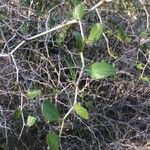
Ziziphus lotus
Lotus · Lotustree · Lotus jujube · Wild jujube
Description
Source: leafsnapZiziphus lotus is a small deciduous tree in the buckthorn family Rhamnaceae, native to the Mediterranean region, including the Sahara in Morocco and also Somalia. It is one of several species called "jujube", and is closely related to Z. jujuba, the true jujube.
Care Guide
💧 Water
Wild jujube is a drought-tolerant plant that only needs watering every 2 to 3 weeks. It's important to let the soil dry out between waterings. This plant thrives outdoors, where it can benefit from sunlight and natural weather conditions. Its deep root system allows it to reach moisture in the deeper layers of soil, reducing the need for frequent watering.
How should I water my Wild jujube plant?
To promote excellent root development, place a garden hose at the base of the plant. Avoid spraying the leaves directly, as they may need more water if exposed to direct sunlight. You can use bubblers or soaker hoses to moisten the roots effectively. When adding or removing plants, use soaker hoses that cover the entire garden or bed to encourage deep root growth. After watering, make sure to drain any excess water and allow the soil to dry before watering again. It's best to water at ground level to prevent diseases. On sunny days, consider spraying the entire bush with water. Whether the plant is in a pot or in the ground, remember that Wild jujube prefers deep watering rather than light sprinkling.
What should I do if I give the Wild jujube tree too much or too little water?
Wild jujube plants can display various signs of overwatering, such as yellowing, wilting, and drooping leaves. The stems may also appear mushy and the overall plant may look unhealthy. If you notice these signs, it's important to adjust your watering schedule accordingly. Conversely, wilting can also indicate under watering, characterized by crispy and dry leaves. In such cases, check the soil and provide a thorough watering if necessary. However, keep in mind that even with proper watering, the damaged root system may cause the plant to continue having dry leaves and a yellow appearance for several days. Once the plant has fully recovered, the yellowing should stop. When growing Wild jujube indoors, always monitor the moisture levels in the pot and avoid overwatering. Look for signs of black spots, indicating excess moisture, in which case, allow the soil to dry out for a few days before watering again. Overwatering can lead to root rot, so if you observe discolored and slimy roots, consider transferring the plant to a different pot. To prevent root rot, avoid overly saturated soil. When planting Wild jujube outdoors, make sure to dig deeper and check for dry soil. If the soil is dry, it may indicate underwatering, so be sure to provide adequate watering for the plant to recover.
How often do I need to water my Wild jujube?
The Wild jujube prefers deep and infrequent watering, especially when planted in pots. It is best to soak them in a gallon of water each time to account for the limited water storage in the pots, which can cause the soil to dry out faster. In cold regions, watering is needed every 3 to 5 days. It is recommended to water in the morning when the soil is dry, both indoors and outdoors. You can also check if watering is necessary by examining the soil. If the top 2-3 inches of soil is dry, it is time to water the plant thoroughly. On hot days, check the moisture daily as the heat can quickly dry out the soil in the pots. If you have a garden, irrigation of the soil is also necessary. In hot climates, watering once a week is sufficient. Only water when you observe that about 2 to 3 inches of soil is too dry, indoors or outdoors. Take into account the amount of rainfall and avoid overwatering to prevent root rot. If there is ample rainfall, additional watering may not be required. Wild jujube typically grows in spring and fall. To conserve water, add a layer of mulch about 3 to 4 inches deep when growing outdoors. Sandy soil tends to drain faster, so plants in this type of soil may require more frequent watering. On the other hand, clay soil retains more moisture, so watering can be done less frequently, allowing the plant to dry out for 2-3 days without developing root rot. Keep track of watering dates on a calendar and be mindful of drooping leaves, as they may indicate a need for immediate watering.
How much water should I give my Wild jujube plant?
The Wild jujube has specific watering needs. For potted plants, water them deeply until you see water dripping from the bottom of the pot. Wait for the soil to dry before watering again. You can use a water calculator or moisture meter to track the amount of water you give to your plant in a week. During the flowering period, provide plenty of water but allow the moisture to evaporate to avoid root rot. If the Wild jujube is planted outdoors and receives enough rainfall, it may not need additional watering. However, for young or newly planted jujubes, make sure they get 1-2 inches of rain per week. As the jujube grows, it can rely on rainfall alone. During extremely hot weather or when there is no rainfall for 2-3 weeks, consider giving the Wild jujube a full watering during the cooler part of the day to prevent damage from high heat. Additional watering may be required during extended dry periods.
Should I change how often I water my Wild jujube tree based on the seasons or weather?
The Wild jujube is an outdoor plant that thrives in rain, but still needs watering during dry weather. During the spring and fall, the soil should be kept moist but not soggy to support growth. In the summer, hot weather can cause the water to evaporate quickly, so more frequent watering may be necessary. However, in the winter when the Wild jujube goes dormant, less water is needed. Well-draining soil is best during this time to help the water evaporate. Once the plant begins to leaf out, watering can be skipped as it can rely on rainfall. When cultivating the Wild jujube, good drainage is essential, especially during winter. When the plant is in a pot, it has limited root growth, so keep it well-watered in the summer and ensure adequate drainage to avoid cold and wet roots. It is recommended to deep soak the plant's root system once or twice a week, avoiding shallow sprinkles. Avoid letting the plant dry out completely in the fall or winter. Also, applying mulch can help reduce stress, conserve water, and encourage healthy blooms.
☀️ Light Full sun
Wild jujube prefers abundant sunlight for healthy development, although it can survive in spots with somewhat lower light. In its native range it does best in full sun. Poor health can result from either too little sun or from too much. Its sunlight requirements may change during different stages of growth.
What kind of sunlight conditions are required for Wild jujube?
Wild jujube needs extensive exposure to the sun to grow healthily, thriving best under full, unobstructed sunlight in its native habitat. It requires more than 6 hours of sunlight daily for optimal growth, characterized as 'Full sun' conditions, but it can also manage with 'Partial sun,' about 3-6 hours of sunlight daily. Artificial lighting can serve as a vital supplement, especially for indoor plants or during less sunny seasons, with different wattages recommended based on the type of sunlight needed: 30-50W/sq ft for full sun plants, 20-30W/sq ft for partial sun plants, and 10-20W/sq ft for full shade plants. It's important to watch how sunlight moves through your garden, choosing locations that offer a balance of light and shade to ensure the plants' well-being.
What are the signs of insufficient sunlight for Wild jujube?
When Wild jujube doesn't receive enough sunlight, especially indoors during winter, it shows noticeable symptoms, including smaller new leaves, leggy or sparse growth, premature leaf drop, delayed or ceased growth, lighter-colored new leaves, chlorosis (yellowing leaves due to chlorophyll breakdown), sunscald (damage from intense light), leaf curling as a defense against excessive sunlight, wilting from water loss, and leaf scorching with brown or crispy edges. These symptoms indicate that the plant is struggling due to insufficient light exposure.
How can you address light deficiency issues in Wild jujube?
To combat light deficiency in Wild jujube, gradually increase its sunlight exposure, aiming for at least 6 hours of direct sunlight daily, preferably using a south-facing window for indoor plants. For those hard to move or large, consider employing artificial light, maintaining it on for at least 8 hours daily, or opt for professional grow lights. Outdoors, progressively shift plants to sunnier spots weekly to avoid shock and sunburn. In gardens, remove any obstructions to sunlight, like overhanging branches, and for smaller plants, consider transplanting them during their dormant period to more sunlit spots. Note that parts of the plant already affected might not recover, but new growth should be healthy with improved light conditions.
🌡️ Temperature 20–37.8°C
Wild jujube comes from habitats with a broad temperature range and does best in temperatures of 68 to 100 °F (20 to 38 ℃). To ensure optimal growth, change its placement or the surrounding temperature to reproduce those conditions, especially in areas with variable seasonal climates.
What is the native environment of wild jujube?
Wild jujube is native to environments that experience a wide temperature range, thriving in conditions between 68 to 100 °F (20 to 38 °C). It is a heat-loving plant that requires adjustments in its location or surrounding temperature to maintain optimum growth, mimicking its native conditions especially during fluctuating seasonal climates.
How should wild jujube be cared for in cold temperatures?
Wild jujube prefers warm temperatures and does not tolerate cold well. It's best to keep the temperature above 20°C, especially during winter, ensuring it remains above 10°C to avoid damage. If the temperature falls below 5°C, leaves may lighten in color, and frost damage can cause them to turn brown or black with symptoms like wilting and drooping. To combat frost damage, trim off the affected parts and move the plant indoors to a warm spot near a south-facing window for cold protection, making sure it receives ample sunlight but is not placed near heaters or air conditioning vents to avoid air dryness.
How does high temperature affect wild jujube and what are the solutions?
During summer, it's crucial to keep wild jujube in temperatures below 38°C to avoid heat stress. Exposing the plant to temperatures above 43°C can cause the leaves to lighten and increase susceptibility to sunburn. If sunburn occurs, trim away the damaged parts and move the plant to a shadier location, particularly during the midday and afternoon sun. Watering the plant in the morning and evening will help keep the soil moist and support the plant through high temperatures.
💨 Humidity
🪴 Soil 6-8
🌱 Fertilizer
Use organic fertilizers (e.g., fish emulsion, compost) instead of chemical fertilizers for Wild jujube. Supply higher nitrogen and phosphorus to young plants in spring. Incorporate compost or fertilizer either before or after planting. For mature plants, add a balanced fertilizer or one addressing specific deficiencies in spring. Nutrient deficiency causes small leaves, short branches, yellow/bronze leaves, acidic fruits, premature fruit fall, and splitting.
🪴 Pot & Repot
✂️ Pruning
The wild jujube is a resilient shrub known for its dense foliage and edible fruit. To maintain its shape, improve air circulation, and encourage fruit production, prune the plant in early spring. Use sharp tools to make clean cuts near the nodes. Be sure to follow local horticultural guidelines to ensure optimum care.
🌿 Propagating
🐛 Diseases & pets
☠️ Toxicity
Characteristics
- Plant Type
- Shrub
- Life Cycle
- Perennial
- Genus
- Ziziphus
- Family
- Rhamnaceae
- Hardiness Zone
- 11
- Mature Height
- 2.13 m to 4.88 m
- Mature Spread
- 3.05 m to 6.1 m
- Leaf Color
- Green
- Leaf Type
- Deciduous
- Flower Color
- Yellow, Green
- Flower Size
- 0.25 cm to 0.51 cm
- Bloom Time
- Early summer, Mid summer
- Planting Time
- Autumn
- Harvest Time
- Late summer, Early fall, Mid fall