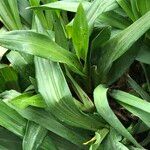
Zygopetalum maculatum
Spotted Zygopetalum
Description
Source: leafsnapZygopetalum maculatum, a species of orchid native to South America—particularly Brazil—belongs to the family Orchidaceae. Known for its beautiful and fragrant flowers, this plant typically reaches a height of up to 60 cm and features long, narrow, dark green leaves. The large flowers of Zygopetalum maculatum, which can reach a diameter of up to 10 cm, display a unique star-like pattern with five petals. These petals usually exhibit greenish-yellow or brownish-purple hues adorned with dark spots or stripes. Zygopetalum maculatum requires moderate care and can be grown either indoors or outdoors, depending on the climate. It thrives in bright but indirect sunlight, well-draining soil, and benefits from regular watering during its growing season. This orchid species is popular among collectors due to its distinctive appearance and pleasant fragrance, reminiscent of cinnamon or cloves. Its flowers bloom once a year during the fall, making it an excellent addition to autumnal decorations. Overall, Zygopetalum maculatum is an attractive plant that adds both beauty and fragrance to any garden space or indoor setting. When properly cared for, this exotic beauty from South America's tropical regions can be a delight for enthusiasts.
💡 The spotted zygopetalum is native to regions like Bolivia and Peru. Each flower stem usually produces between eight and twelve flowers. Once pollinated, the flowers close slightly and retain their color for several months. In contrast, unpollinated blooms will wilt after just one month.
Care Guide
💧 Water Every 7 days
The spotted zygopetalum flourishes in humid, tropical environments and requires soil that remains consistently moist. To meet its watering needs, a weekly watering schedule is ideal, and regular misting helps to recreate its natural habitat. Being an epiphytic orchid, maintaining controlled humidity is essential for encouraging healthy growth and producing vibrant blooms.
What should I do if I give my Spotted zygopetalum too much or too little water?
When a Spotted zygopetalum is overwatered, it may show symptoms such as limp and wrinkled leaves, yellowing or decay, and an overall failure to thrive. However, sometimes plant owners mistakenly think that these signs indicate a lack of water, leading them to add more water, which only worsens the problem. To properly address overwatering, it is important to inspect the roots. Healthy Spotted zygopetalum roots are silvery green, green, or white and feel firm to the touch. Overwatered roots, on the other hand, will appear mushy, limp, and have a brown or black color. To rescue an overwatered Spotted zygopetalum, it is recommended to remove any rotted roots with a sterile knife or garden shears and repot the plant in fresh growing medium. It is always better to avoid overwatering altogether, as root rot may become irreversible and result in the loss of the plant. Similarly, the symptoms of underwatering and overwatering in Spotted zygopetalum may initially appear the same. To determine if the plant is underwatered, check the moisture retention of the growing medium using your finger or a moisture meter. If necessary, adjust the watering frequency accordingly. To confirm the state of the roots, underwatered roots will look crisp, brown, and brittle, while healthy roots should be pliable and green. If the plant has some healthy roots left, it can usually be revived by trimming off any dried up or dead root pieces and repotting it, followed by thorough watering. Within one to two weeks, the shriveled and limp leaves should begin to firm up and appear healthy. If certain leaves are too damaged to be saved, they can be pruned to allow room for new growth.
How frequently should I water my Spotted zygopetalum?
No matter what type of medium you use, water your Spotted zygopetalum when the mix is mostly dry but not completely. The frequency of watering may change with the environment. Typically, in summer, it will be about once or twice a week, while in winter, it can be as infrequent as once every 2 weeks.
How do I water a Spotted zygopetalum plant?
Spotted zygopetalum is a special type of plant that doesn't grow in soil like most plants. To take care of your Spotted zygopetalum, it's important to choose the right growing medium. Regardless of the medium you choose, make sure the container has good drainage. Spotted zygopetalum pots are designed specifically for this plant and have a chunky potting mix with lots of ventilation. They are tall and narrow to allow air to circulate around the roots. One popular medium for Spotted zygopetalum is bark, which drains well but needs more frequent watering. Another common option is sphagnum moss, which is lightweight and allows for less frequent watering, but requires careful attention to prevent root rot. If your Spotted zygopetalum is in moss, be cautious with watering. Watering from below is recommended to avoid splashing the leaves, stem, and flowers. Let the roots soak up water for 10-15 minutes, then drain thoroughly before placing the plant back in its usual spot.
☀️ Light Partial sun
Spotted zygopetalum grows best when it gets plenty of light during the day. In its native habitat, where it prospers under the open sky, its requirement for a bright environment is evident. Too much or too little light can harm its health.
What are the sunlight requirements for Spotted Zygopetalum?
Spotted Zygopetalum requires above 6 hours of sunlight to thrive, indicating a need for full sun exposure. It's essential to observe how sunlight moves through your garden, choosing spots that offer a balance of light and shade, ensuring optimal growth conditions for your plants.
How essential is light for the growth of Spotted Zygopetalum?
Light is crucial for the growth of Spotted Zygopetalum, a plant that flourishes in its native habitat under open skies. An adequate amount of light during the day is vital, as both overexposure and underexposure to light can negatively impact the plant's health. In environments where natural sunlight is insufficient, artificial lighting can provide a vital solution, promoting faster, healthier growth with specific requirements based on the type of plant and its light needs.
What symptoms indicate improper lighting for Spotted Zygopetalum?
Symptoms of improper lighting for Spotted Zygopetalum include small or pale new leaves, leggy or sparse growth, faster leaf drop, slower or halted new growth, chlorosis, sunscald, leaf curling, wilting, and leaf scorching. These symptoms indicate either insufficient or excessive light, each affecting the plant's health in different ways.
What are the recommended solutions for lighting issues in Spotted Zygopetalum?
Solutions for lighting issues in Spotted Zygopetalum involve adjusting the plant's exposure to natural or artificial light. Gradually moving the plant to a sunnier location or using artificial lights can help indoor plants. For outdoor plants, finding the best sunlight spot is crucial, with a gradual adaptation to avoid sunburn. Ground plants benefit from reducing obstructions like tree branches or moving the plant during its dormant period to a sunnier location with better drainage.
🌡️ Temperature 20–37.8°C
Spotted zygopetalum does well in warm conditions. It prefers moderately high temperatures but not extreme heat and humidity. Sunlight warms the plant and encourages flowering. However, long periods of direct sun in summer can cause sunburn, so controlling how much light it gets then is important. The plant generally does not tolerate cold well, so it needs adequate protection and warmer temperatures in winter to prevent freezing.
💨 Humidity
🪴 Soil 5-6
🌱 Fertilizer
When most of the Spotted zygopetalum's blooms have opened to full size, resume fertilizing. At the height of blooming, feed it once every three to four weeks, weather permitting. Then, when the plant begins producing fewer new blooms, stop fertilizing; there's no need to feed it if it can no longer produce more flowers.
Why should I add fertilizer to my Spotted zygopetalum?
Plants, including Spotted zygopetalum, require nutrients to survive. It is important for gardeners to understand this, regardless of their level of experience. Without food, Spotted zygopetalum will not survive long after the initial pollination. Therefore, providing the right nutrients in the appropriate amounts is crucial for sustaining Spotted zygopetalum throughout its blooming season and promoting the growth of large, beautiful flowers. In addition to these benefits, fertilizing helps Spotted zygopetalum develop a strong and healthy root system. Since this plant's root system is fragile and easily damaged, it requires extra support. By fertilizing at planting, Spotted zygopetalum can establish a robust root structure that not only provides stability but also sets the stage for an impressive flowering display. Proper timing of fertilization can also significantly prolong the flowering period of Spotted zygopetalum.
When should I fertilize my Spotted zygopetalum plant?
Spotted zygopetalum experiences rapid growth early in the growing season, after the threat of frost has passed. During this time, it is best to fertilize the plant while planting it in the ground or in planters. This initial dose of fertilizer will be sufficient until later in the year when the plant is in full bloom. Once the season is at its peak and most blooms have reached their full size, you can resume fertilizing every three to four weeks, depending on the weather. However, when the plant starts to produce fewer new blooms, it is no longer necessary to continue fertilizing.
When is it best to not fertilize my Spotted zygopetalum?
Regular fertilizing is important for Spotted zygopetalum. However, it is crucial to avoid fertilizing at the wrong time. This is usually related to factors like climate and controllable factors. When there are problems with the plant, soil, or climate, it is best to wait until the issues are resolved and the plant has recovered. For example, if there are unexpected weather changes such as a sudden cold snap in the middle of summer, it is advisable to wait until it warms up again before fertilizing. Similarly, if the soil becomes too dry or compacted, it is better to hold off on fertilizing as it may not be absorbed properly. Additionally, during extremely hot temperatures, like when it reaches the 90-degree Fahrenheit range, fertilizer should not be applied as it may break down too quickly. It is also important to address any pests or diseases before considering re-fertilizing.
What kind of fertilizer does my Spotted zygopetalum plant need?
Most types of Spotted zygopetalum require the same balanced nutrients from fertilizer, specifically a fertilizer designed for high-yield blooming plants. The best option is a fertilizer with a higher level of phosphorus, indicated by a higher P number in its NPK number (such as 10-30-10). Luckily, several fertilizer brands offer the perfect fertilizer for blooming plants like Spotted zygopetalum, making it easy to provide the necessary nutrients. If you choose to use a pre-mixed fertilizer, simply follow the instructions on the package to avoid giving the plant too much or too little fertilizer, as both can negatively affect its growth or cause wilting.
How can I fertilize my Spotted zygopetalum plant?
When it comes to fertilizing your Spotted zygopetalum, the instructions may vary depending on the type of fertilizer you have. However, here are some general tips that can be applied to most fertilizers. For the first application, which should be done when you initially plant the Spotted zygopetalum, mix the recommended amount of fertilizer into the soil before planting and water it in. For subsequent fertilizing, there are different approaches depending on the type of fertilizer you are using. If you have pellet fertilizers, simply mix the pellets into the top inch of soil around the outer edge of the plant, where the roots are. Make sure to water them in thoroughly initially, and then water regularly afterwards. If you are using other types of fertilizers, they can be mixed into a watering can and applied like regular watering. Be sure to follow any instructions on the fertilizer packaging for consistency. However, if you prefer a regular schedule, aim for fertilizing every three to four weeks.
🪴 Pot & Repot Every 12 months
When repotting Spotted zygopetalum, pick a slightly larger pot with good drainage, ideally a clear orchid pot. Use a well-draining orchid mix formulated for orchids that includes bark or moss. Carefully clean the roots and cut away any that are dead or rotting. Repot after the plant has finished flowering, generally in spring or fall, water thoroughly, and position it in bright, indirect light. Avoid disturbing the roots once it has been repotted.
✂️ Pruning
The spotted zygopetalum is known for its striking flowers adorned with spots and its lush foliage. To maintain its health and appearance, it is important to prune the plant after it has finished flowering, typically from early to late spring. Remove any spent flower spikes and damaged leaves during this time. Regular pruning encourages new growth, enhances the blooms, and reduces the risk of disease. Always use sanitized tools to ensure optimal health and vibrancy of the plant.
🌿 Propagating
🐛 Diseases & pets
☠️ Toxicity
Characteristics
- Plant Type
- Herb
- Life Cycle
- Annual, Perennial
- Genus
- Zygopetalum
- Family
- Orchidaceae
- Hardiness Zone
- 10-12
- Mature Height
- 30 cm
- Mature Spread
- 46 cm
- Leaf Color
- Forest Green
- Leaf Type
- Semi-evergreen
- Flower Color
- Purple, White
- Flower Size
- 4.06 cm to 7.62 cm
- Bloom Time
- Winter, Early spring, Mid spring
- Planting Time
- Spring, Summer, Autumn
- Harvest Time
- Spring, Early summer, Mid summer
- Native Area
- Brazil, Bolivia, Peru