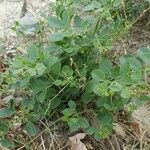
Zygophyllum fabago
Syrian bean-caper · Syrian beancaper
Description
Source: leafsnapZygophyllum fabago, commonly known as Syrian bean-caper or wild rue, is a perennial plant species in the family Zygophyllaceae. Native to the Mediterranean region, it thrives in various habitats such as rocky slopes, dry hillsides, and sandy soils. This plant features a woody stem that can grow up to 1 meter in height and bears numerous branches. The leaves are small, oval-shaped, and exhibit a bluish-green color. Its flowers, which are yellowish-green, bloom from May to August. Historically, Zygophyllum fabago has been valued for its medicinal properties, particularly its anti-inflammatory effects. It has been used as an herbal remedy for various ailments including fever, coughs, asthma, and digestive disorders. Due to its drought tolerance, Zygophyllum fabago is ideal for landscaping projects in arid regions. Furthermore, it serves as an important food source for livestock grazing in drylands. In summary, Zygophyllum fabago is a versatile plant species that offers numerous benefits, from medicinal uses to ecological contributions, making it a vital part of the Mediterranean ecosystem.
Care Guide
💧 Water Every 7 days
The Syrian bean caper, native to arid regions, is highly drought-tolerant and requires minimal watering. Ideally, it only needs irrigation once a week. This plant thrives in full sunlight, making it perfect for xeriscaping. Additionally, it prefers well-draining soil to prevent root rot.
How should I water my Syrian bean caper?
To properly care for the Syrian bean caper, it is recommended to use filtered water at room temperature. Tap water may contain harmful particles, so it is best to avoid using it. Additionally, due to the plant's origin in warm environments, using cold water can potentially shock its system. It is advisable to refrain from overhead watering as it can cause issues with the foliage. Instead, a better approach is to apply the filtered room temperature water directly to the soil until it is thoroughly soaked. This will effectively moisten the roots and facilitate their spread throughout the soil in order to gather essential nutrients.
What do I do if I give my Syrian bean plant too much or too little water?
Overwatering is a more common problem than underwatering for the health of your Syrian bean caper. When this plant receives too much water, its stems and leaves may wilt and turn yellow. Overwatering for a long period can lead to diseases like root rot, mold, and mildew, which can be fatal. Syrian bean capers, however, have good drought tolerance, so underwatering is less likely. But when it does happen, the leaves become brittle and brown. It's important to recognize signs of overwatering quickly as some diseases, such as root rot, may be irreversible if left unchecked. If you notice early signs of overwatering, reduce watering immediately. You should also check the soil's drainage. If it's poor, replace it with a loose, well-draining potting mix. Conversely, if you find signs of underwatering, simply water more regularly until the signs improve.
How often do I need to water my Syrian bean caper?
If your Syrian bean caper plant is in a pot, the most precise way to determine if it needs water is by sticking your finger into the soil. If the top two to three inches of soil feel dry, it's time to water it. For outdoor Syrian bean caper plants planted in the ground, you can also use this method to test the soil. When the top few inches of soil dry out, it's time to water. Typically, in the spring and early fall, you'll need to water this plant about once a week. However, during hot weather, you may need to increase watering to twice a week or more. Nonetheless, mature Syrian bean caper plants are quite resilient to drought.
How much water does my Syrian bean caper require?
To properly water your Syrian bean caper, don't be afraid to give it a good amount of water. Make sure to water it thoroughly when the top two to three inches of soil are dry. This means you need to provide enough water to completely saturate the soil and allow excess water to drain out of the pot's drainage holes. If you don't see any excess water draining, it means you haven't given the plant enough water. However, be cautious not to let water accumulate in the soil, as this can harm the plant. On the other hand, if water fails to drain through the pot, it indicates that the soil is poorly draining, which is harmful to the plant's health. Lastly, if the plant is outdoors, one inch of rain per week should suffice.
How do I water my Syrian bean caper at different times as it grows?
The water needs of the Syrian bean caper can vary depending on its growth stages. In the first few years and after transplanting, it requires more water due to the energy it puts into growing new roots. These roots need extra moisture to support future growth. As the plant matures, it requires less water. Another stage that may require more water is during the bloom period, as flower development utilizes a significant amount of moisture.
☀️ Light Full sun
The Syrian bean caper is a sun-loving perennial herbaceous plant native to open habitats, frequently found in meadows and grasslands. It prefers full sun but can also tolerate partial sun.
What are the sunlight requirements for Syrian bean caper?
Syrian bean caper, known botanically as Zygophyllum fabago, is a sun-loving perennial herb that thrives in open habitats like meadows and grasslands. It requires full sun, defined as more than 6 hours of sunlight per day, but can also tolerate partial sun, which is about 3-6 hours of sunlight daily. When selecting a location for your Syrian bean caper, observe how sunlight moves through your garden to ensure your plant receives the ideal balance of light and shade for optimal growth.
How can artificial lighting be used for Syrian bean caper indoors?
For indoor Syrian bean capers or when natural sunlight is insufficient, artificial lighting can be a vital solution. The right type of artificial light, such as LED lights, can be customized to provide specific wavelengths needed by your plants. Full sun plants require 30-50W/sq ft, partial sun plants need 20-30W/sq ft, and full shade plants need 10-20W/sq ft of artificial light. Position the light source 12-36 inches above the plant to mimic natural sunlight, adjusting the duration to mimic natural daylight hours, typically 8-12 hours per day for most plants.
What are the symptoms of inadequate light for Syrian bean caper?
Syrian bean caper shows several symptoms when exposed to inadequate lighting, including smaller new leaves, leggy or sparse growth, faster leaf drop, slower or no new growth, lighter-colored or pale new leaves, chlorosis (leaves turning yellow), sunscald (damaged leaves or stems from intense light), leaf curling (to minimize water loss and damage from sunlight), wilting (loss of turgor pressure causing drooping), and leaf scorching (brown, dry, crispy leaf edges from excessive sunlight). These symptoms help identify when the plant is not receiving enough light.
What solutions can help improve light conditions for Syrian bean caper?
Improving light conditions for Syrian bean caper involves several strategies. Indoors, slowly move plants to sunnier locations each week until they receive at least 6 hours of direct sunlight, use south-facing windows for maximum exposure, and consider artificial lighting for additional support, ensuring to keep it on for at least 8 hours daily. Outdoors, gradually transition plants to sunnier spots to avoid sunburn. If sunlight is obstructed, prune trees or move smaller plants to sunnier locations, ensuring ample sunlight and good drainage, particularly during the plant's dormant period.
🌡️ Temperature 15–35°C
The Syrian bean caper originates from habitats where temperatures remain between 59 and 95 °F (15 and 35 ℃). It favors warm conditions and may require measures, such as extra shading or irrigation, during extreme seasonal changes.
What are the ideal temperature conditions for Syrian bean caper?
Syrian bean caper thrives in environments that maintain temperatures ranging from 59 to 95 °F (15 to 35 °C). The plant prefers warm conditions but has strong cold resistance, meaning it can typically withstand winter without special frost protection measures. However, during extreme seasonal changes, adjustments like extra shading or irrigation might be necessary, and when winter temperatures are expected to drop below -15°C, providing cold protection by covering the plant with soil or straw is important. Additionally, watering the plant abundantly before the first freeze in autumn helps keep the soil moist, aiding the plant through winter and early spring.
How does Syrian bean caper react to low temperatures?
Syrian bean caper is cold-tolerant and fares best when temperatures stay above 15°C. During winter, it's crucial to maintain temperatures above -10°C. A drop below -15°C might not show immediate changes during winter, but come spring, there might be a decrease in sprouting or possibly no sprouting at all. To assist the plant in this condition, removing parts that have failed to sprout in the spring is recommended.
What should I do if my Syrian bean caper experiences high temperatures?
During summer, it's essential to keep the Syrian bean caper's environment below 35°C. If temperatures exceed 41°C, the plant's leaves may lighten in color, become prone to curling, suffer from sunburn, and in severe cases, the entire plant may wilt and dry out. To mitigate damage, trimming away the sunburned and dried parts is advised. Moving the plant to a shaded location or using a shade cloth can protect it from midday and afternoon sun. Ensuring the soil is moist by watering in the morning and evening can also help.
What is the botanic name of Syrian bean caper?
The botanic name of Syrian bean caper is Zygophyllum fabago.
💨 Humidity
🪴 Soil 6-8
🌱 Fertilizer
Usually a single fertilizer application in spring is enough for the Syrian bean caper, though repeated feedings can maximize growth. Feed every month to six weeks. Fertilization improves the leaves’ appearance and function, helping maintain even color and a healthy texture. It also encourages root growth and increases nutrient absorption for the plant’s long-term health.
🪴 Pot & Repot
✂️ Pruning
The Syrian bean caper is a robust shrub known for its leathery leaves and clusters of small white flowers. To promote healthy, dense growth and improve its shape and appearance, it should be pruned from early to late spring. This pruning also helps remove dead wood and enhances the plant's overall health and visual appeal.
🌿 Propagating
🐛 Diseases & pets
☠️ Toxicity
Characteristics
- Plant Type
- Herb, Shrub
- Life Cycle
- Perennial
- Genus
- Zygophyllum
- Family
- Zygophyllaceae
- Hardiness Zone
- 7-10
- Mature Height
- 76 cm
- Mature Spread
- 91 cm
- Leaf Color
- Light Green
- Leaf Type
- Evergreen
- Flower Color
- White, Yellow
- Flower Size
- 0.51 cm to 0.76 cm
- Bloom Time
- Summer, Early fall
- Planting Time
- Spring, Summer
- Harvest Time
- Late summer, Fall