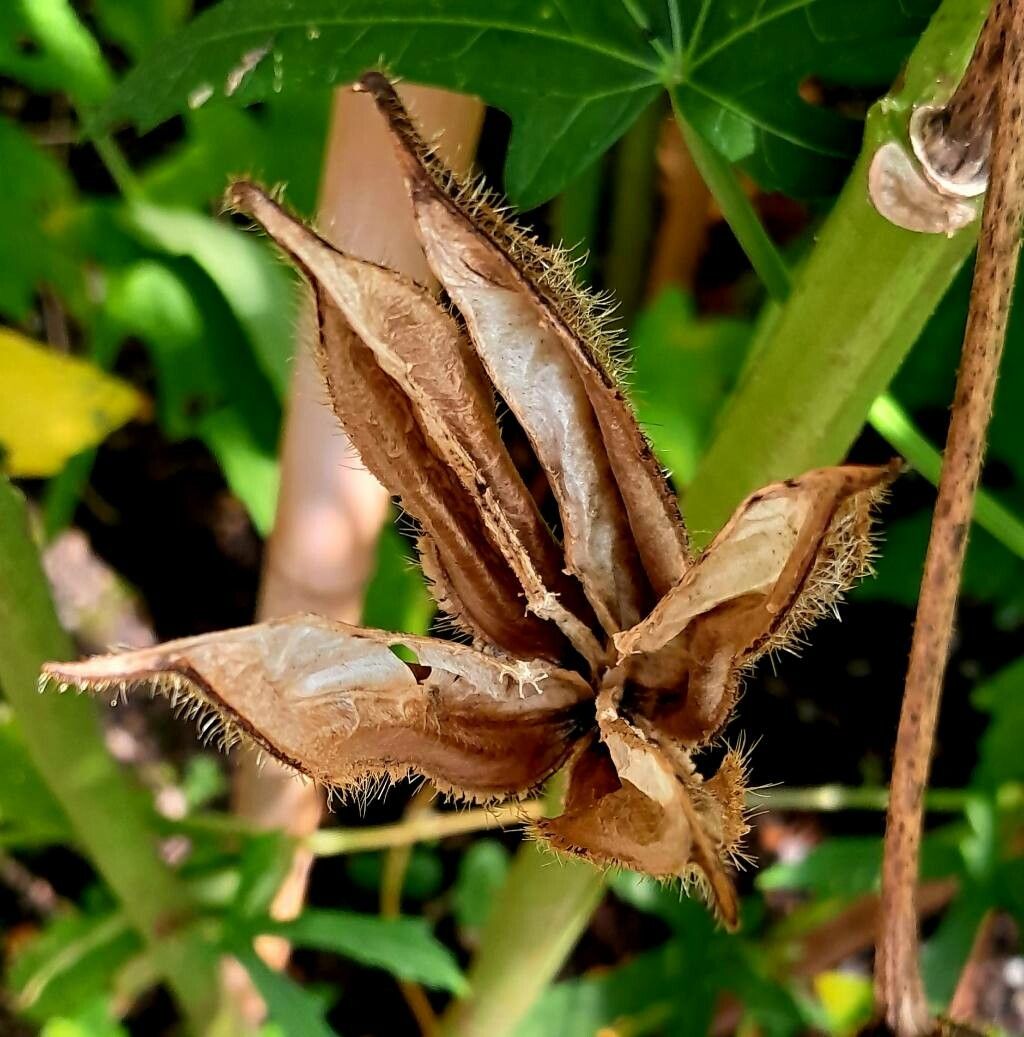
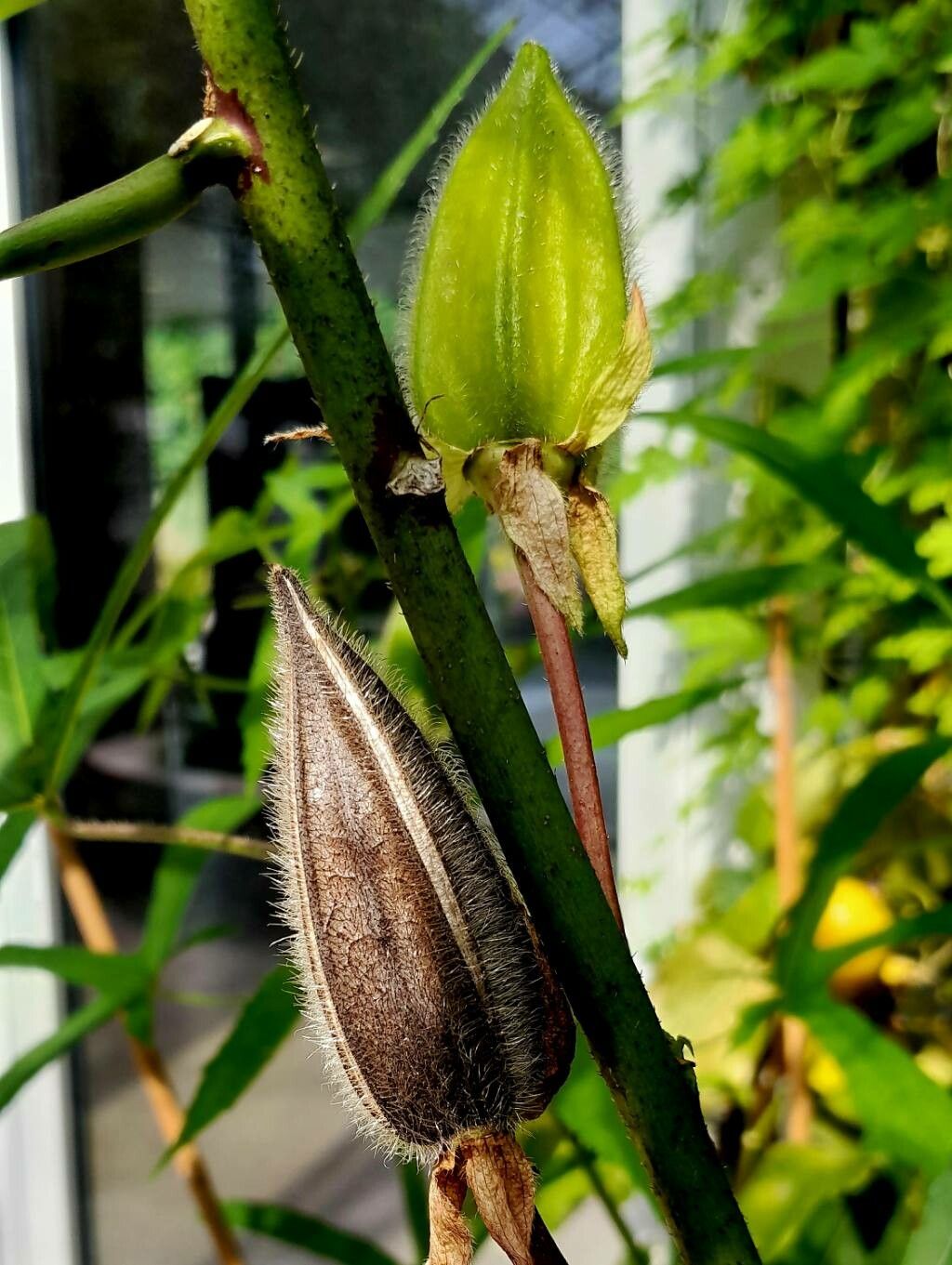
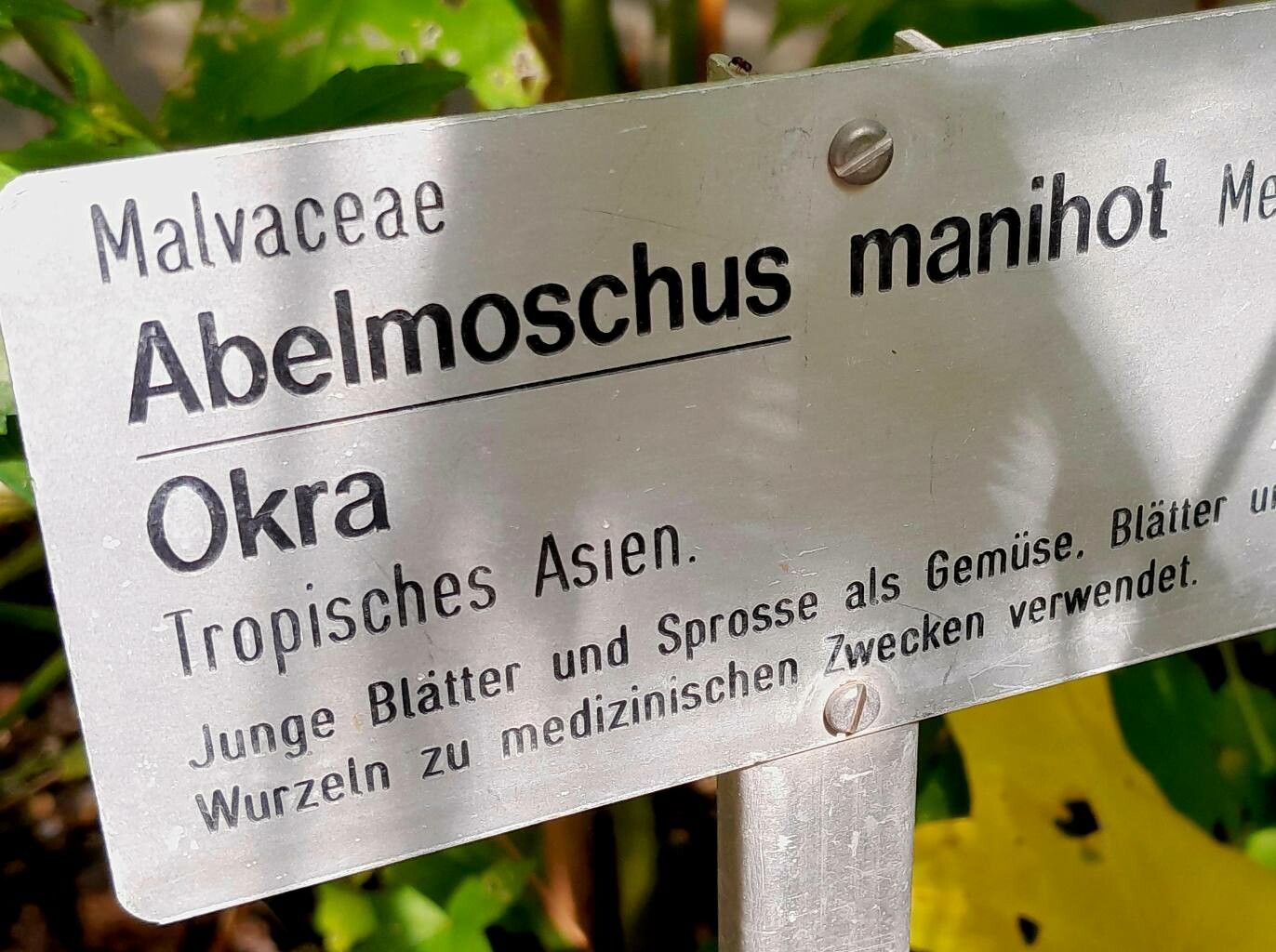
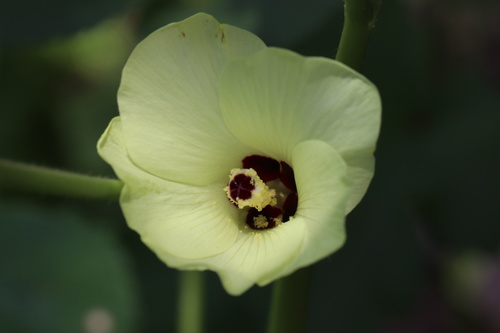
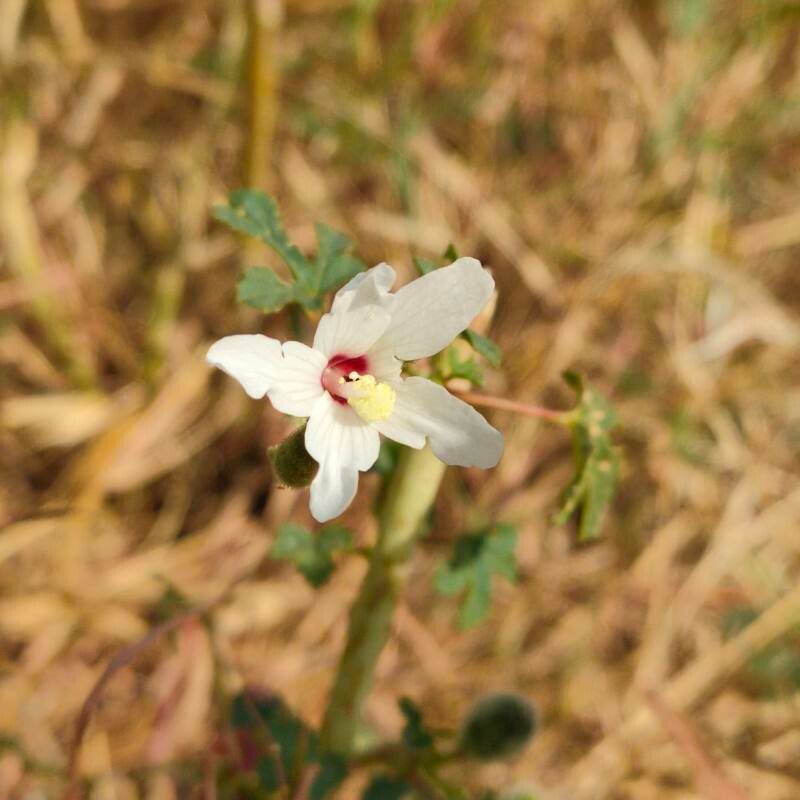
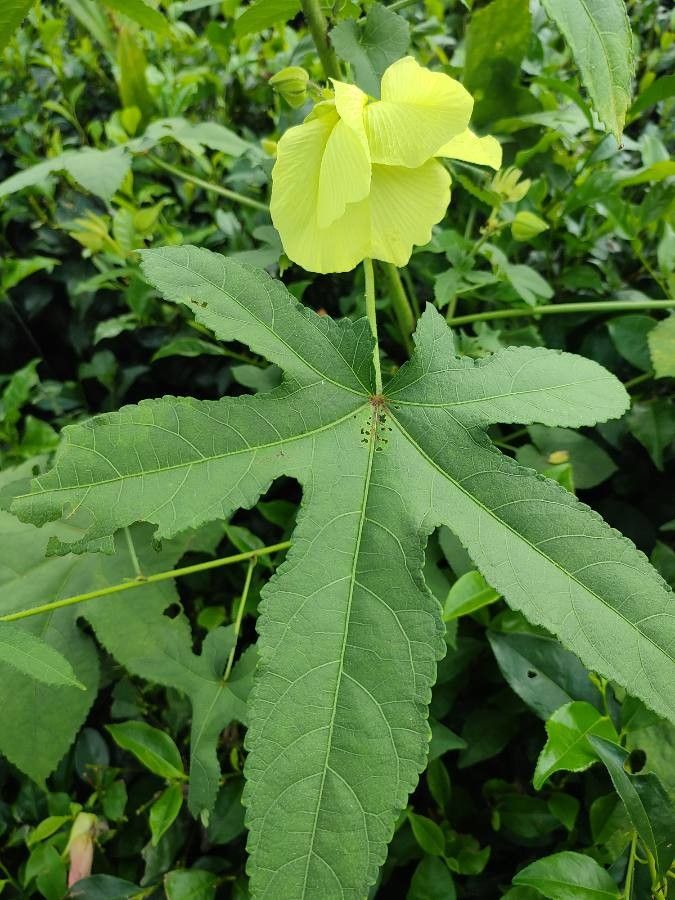
Abelmoschus manihot, the aibika, is a flowering plant in the family Malvaceae. It was formerly considered a species of Hibiscus, but is now classified in the genus Abelmoschus. The plant is also known as the sunset muskmallow, sunset hibiscus, or hibiscus manihot.
Hibiscus root has moderate resistance to disease and can be prone to issues like leaf spot. Its vulnerability to insect pests differs by variety, but most varieties are relatively less resistant to pests. For care, Hibiscus root requires regular watering and fertilizing, along with frequent removal of yellow leaves. It’s important to address pests and diseases as they appear and to harvest the plant promptly. Hibiscus root is best suited for people who can invest some time and energy in ongoing care.
How to keep Abelmoschus Manihot.
Light
Hibiscus root comes from areas that receive a lot of sunlight, such as open fields and sunny meadows. It prefers full sun but can also tolerate partial sun.
Water
Hibiscus roots thrive in humid, well-watered environments, which reflects their tropical origins. They require weekly watering and demonstrate resilience during the rainy season by utilizing the abundant moisture for optimal growth. As an herbaceous species, hibiscus is commonly grown outdoors.
Temperature
Hibiscus root is a plant that favors temperate climates and performs best in temperatures between 59 and 95 °F (15 and 35 ℃). It was originally cultivated in environments with similar temperature conditions. For optimal growth, its temperature settings may need to be adjusted as the seasons change.
Fertilizer
To maximize yield, hibiscus roots benefit from regular applications of a balanced fertilizer, particularly one high in nitrogen. Apply fertilizer before planting, at the time of planting, and when seedlings are 2 inches tall. Adding compost or manure also provides a steady nutrient supply. Insufficient nutrients in the soil cause underdeveloped leaves and stems, inferior flavors, thin stems, and potentially a bitter taste.
Pruning
Hibiscus plants feature broad, lobed leaves and impressive flowers. To maintain their health and appearance, it's best to prune them from early to late spring. Focus on removing any dead branches and thinning crowded areas to enhance airflow and the plant's overall shape. Using clean, sharp tools will also improve their health and appearance, encouraging vibrant blooms.
Pot & Repot
To ensure optimal growth, repot hibiscus plants every 2-3 years during the spring. Choose a container that is 2 inches larger in diameter to allow room for root expansion. After repotting, place the plant in a location with plenty of sunlight and water it moderately. This will help the plant recover without overwhelming the new soil.
Botanical profile.
- Plant Type
- Herb
- Life Cycle
- Perennial
- Genus
- Abelmoschus
- Family
- Malvaceae
- Hardiness Zone
- 8-10
- Mature Height
- 1.22 m to 1.83 m
- Mature Spread
- 61 cm to 91 cm
- Leaf Color
- Green
- Leaf Type
- Evergreen
- Flower Color
- Yellow, Black
- Flower Size
- 7.62 cm to 15.24 cm
- Bloom Time
- Summer, Early fall, Mid fall
- Planting Time
- Spring, Summer, Autumn
- Harvest Time
- Late summer, Fall, Early winter
Other names.