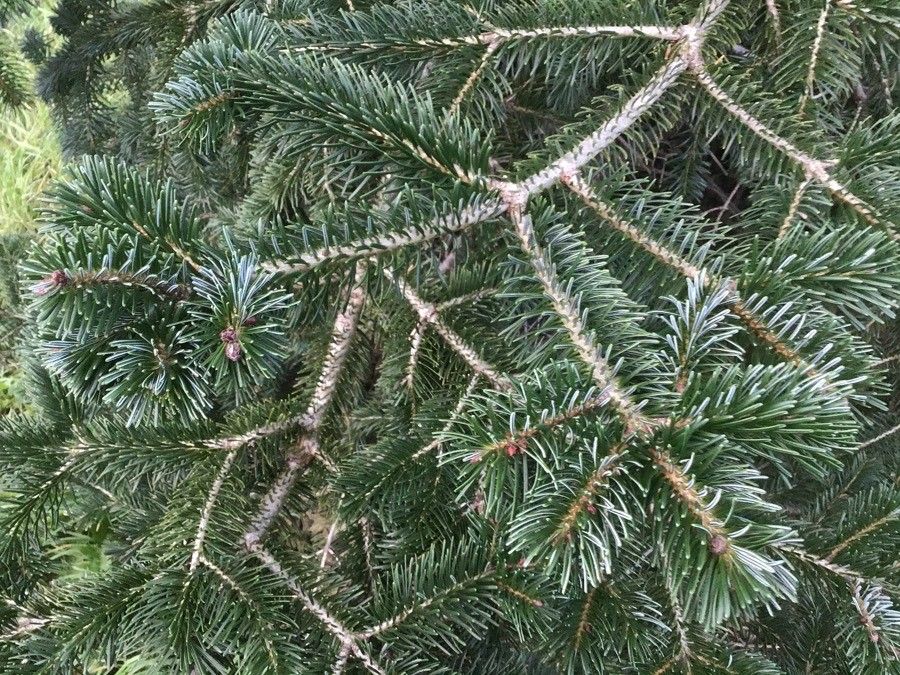
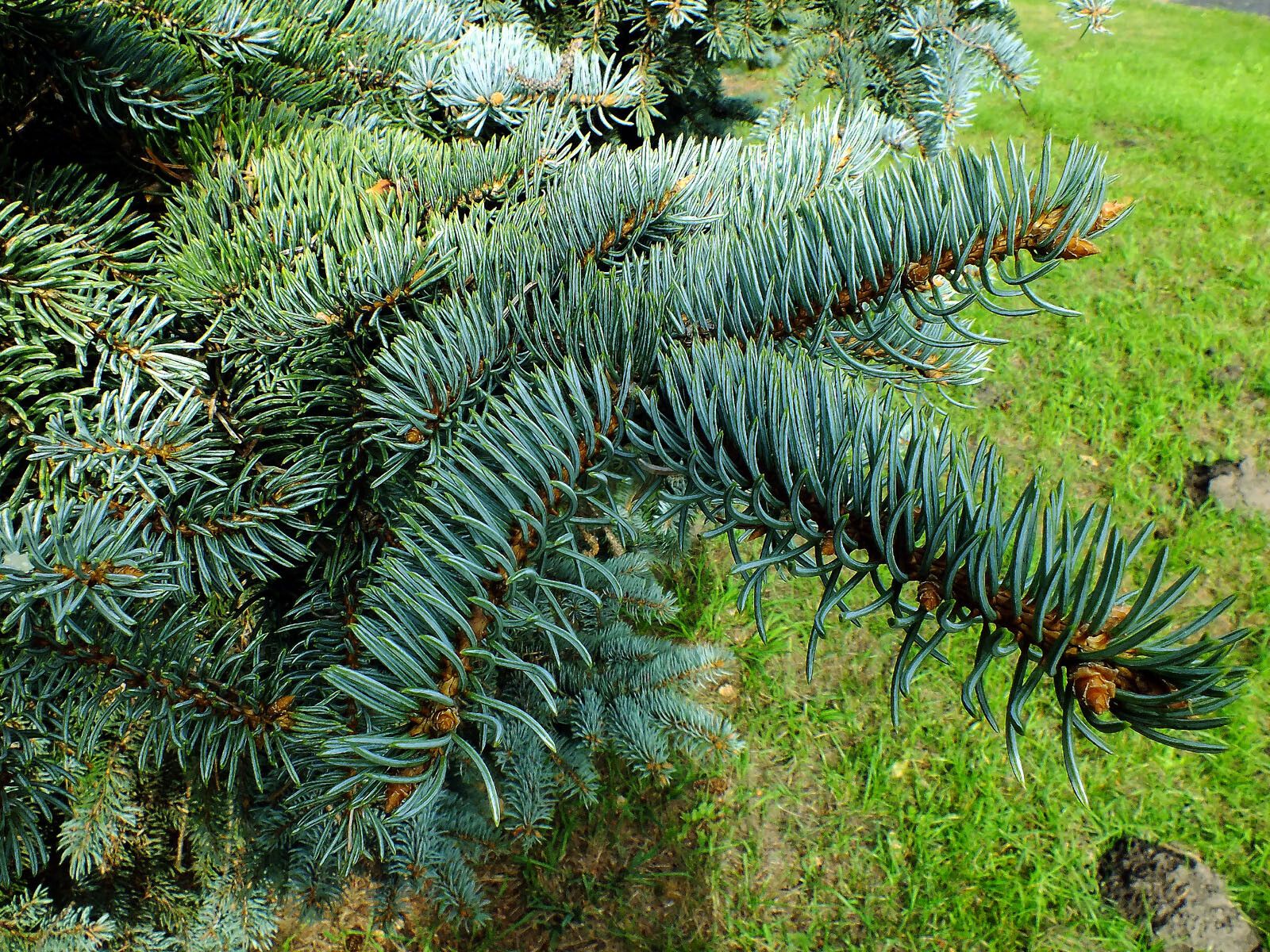
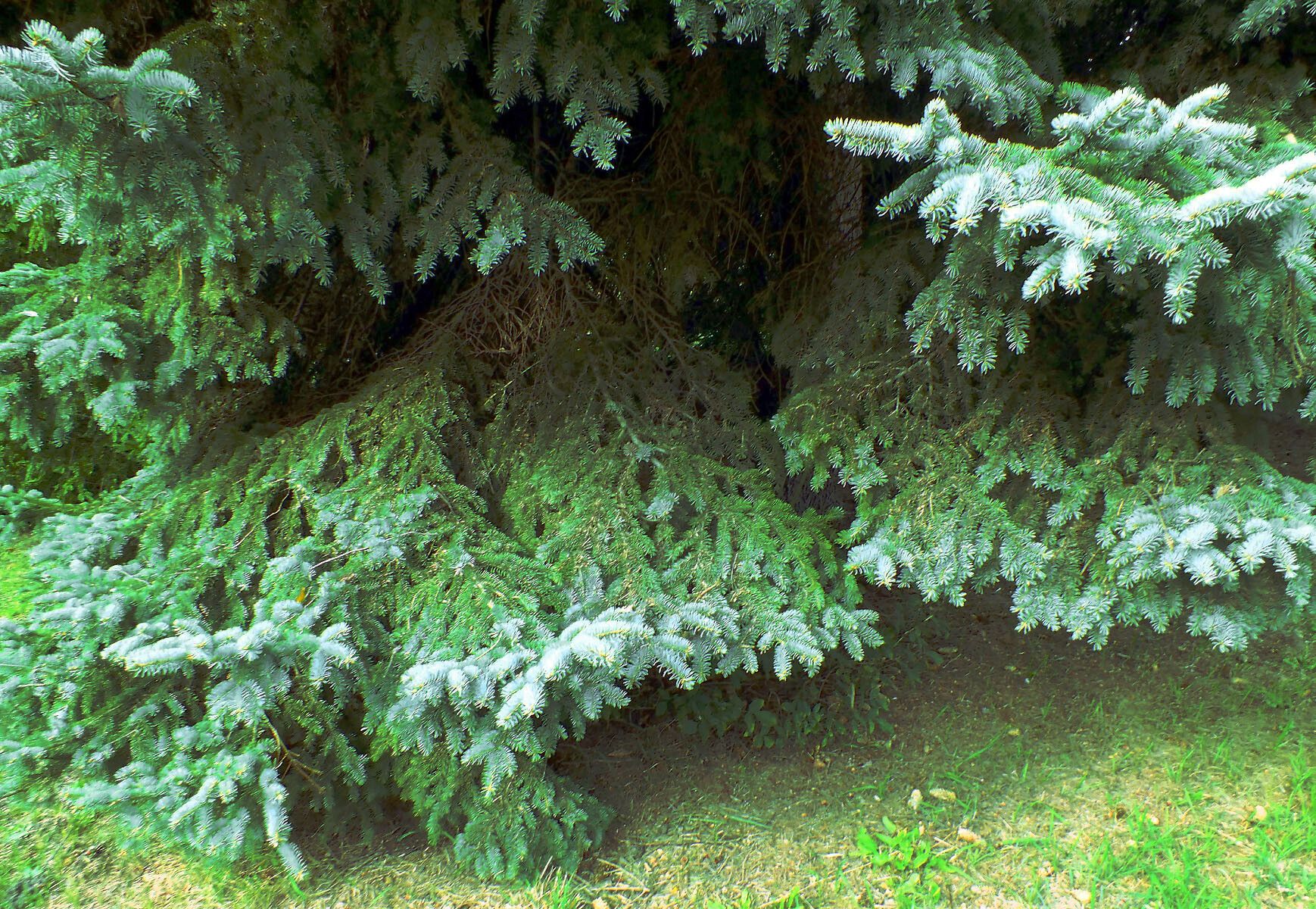
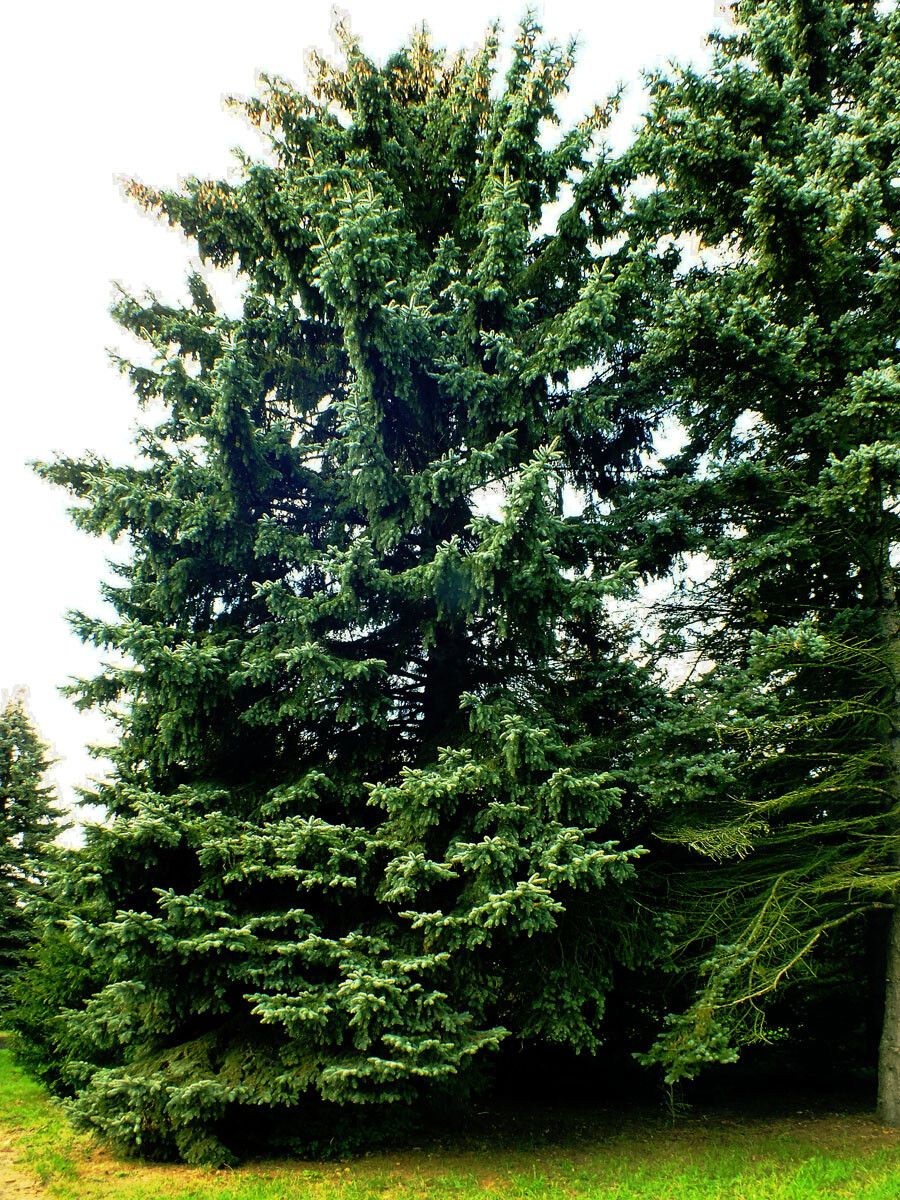
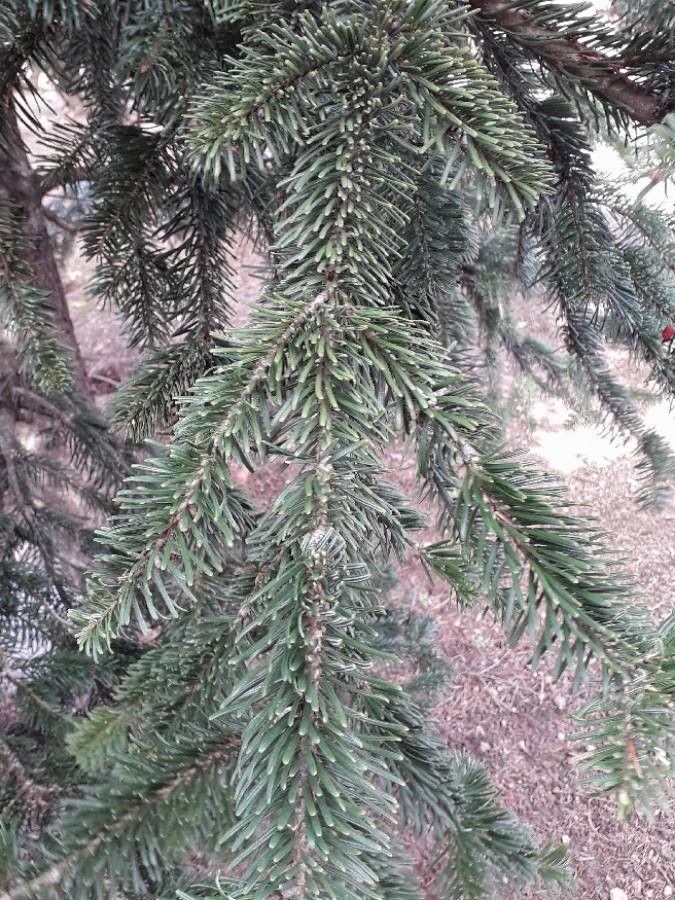
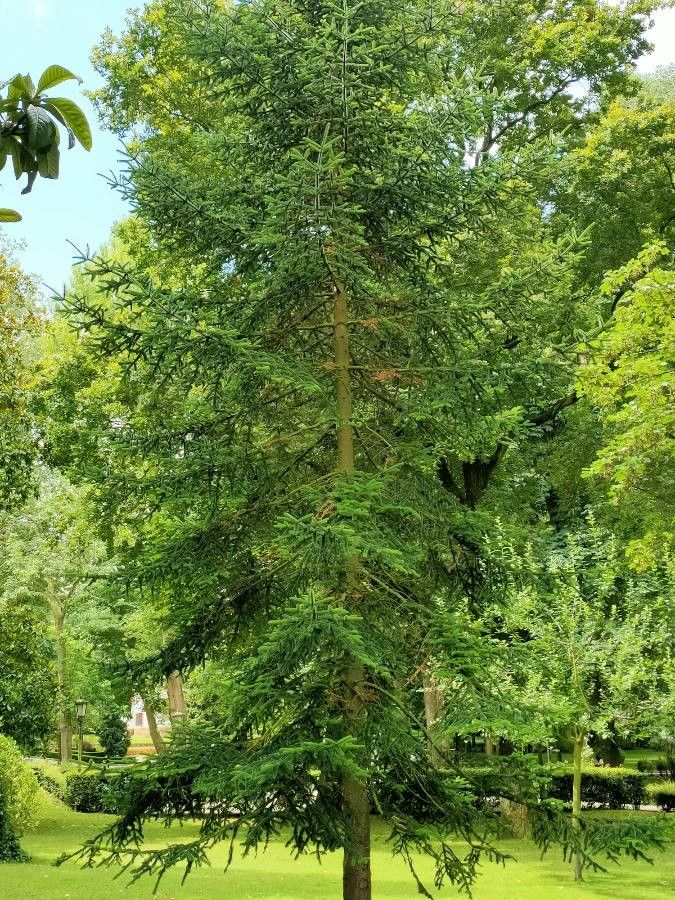
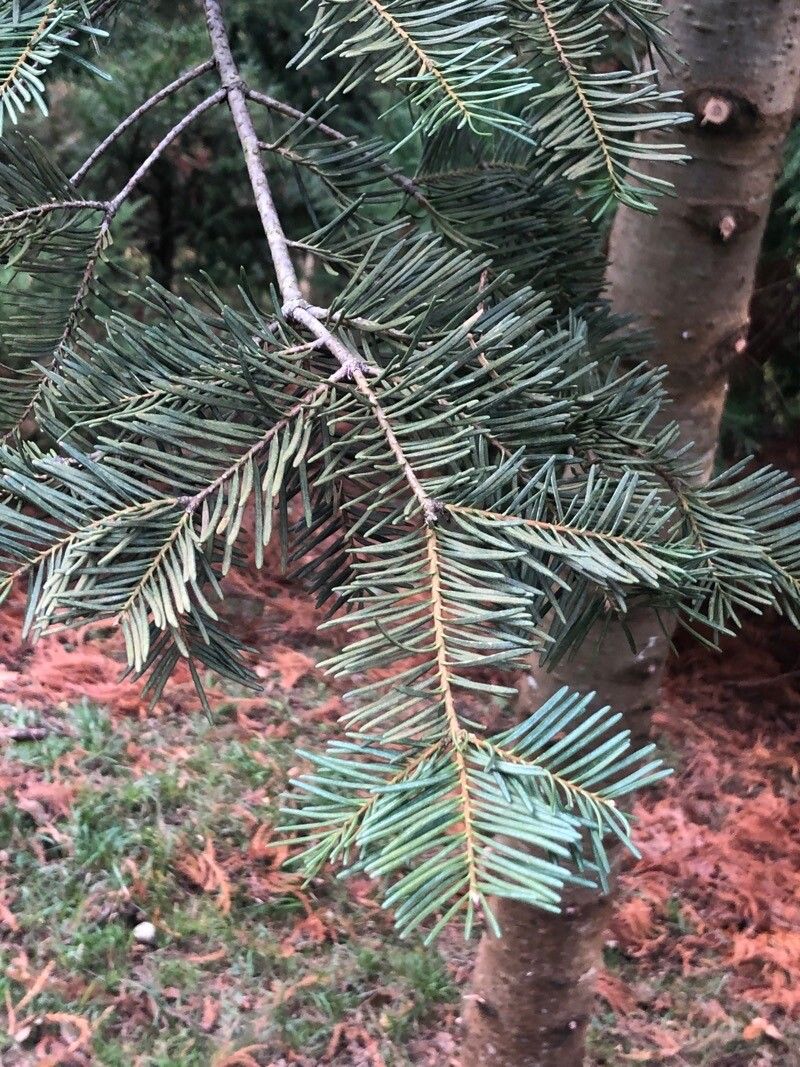
Abies magnifica, commonly known as the red fir or silvertip fir, is a large evergreen conifer native to the western United States. It can reach heights of up to 200 feet and features a narrow, conical shape with dense, blue-green foliage. The tree's bark is smooth and grayish-brown when young, but it becomes rough and furrowed as it matures. The needles of Abies magnifica are arranged in a spiral pattern along the branches and are approximately 1 inch long. They have two white stripes on their undersides, which contribute to their distinctive blue-green color. The tree produces large, cylindrical cones that can grow up to 10 inches long. Abies magnifica thrives in moist, well-drained soils, and it prefers cool climates at high elevations. It requires plenty of sunlight but also benefits from some shade during hot summer months. This species is valued for its strong and durable timber, making it suitable for construction purposes. Additionally, it provides essential habitat for wildlife, such as birds, squirrels, and deer, which feed on its seeds or use it for shelter during harsh weather conditions. Overall, Abies magnifica is an impressive species with numerous ecological benefits, making it a vital component of the ecosystems in the western United States.
Shasta red fir is highly resistant to disease and is generally not susceptible to illnesses. Regarding care, this plant is relatively low-maintenance. When grown outdoors, it needs only minimal watering, and larger specimens typically do not require pruning. Smaller plants, however, should be pruned after they have bloomed. Shasta red fir is suitable for anyone with an outdoor area, such as a garden or deck, and does not demand much gardening experience.
How to keep Abies Magnifica.
Light
Shasta red fir comes from open habitats, like sunny meadows and forest edges, that provide plenty of light. It thrives in full sun but can also tolerate partial sun, adapting well to various sunlight conditions.
Water
To care for the Shasta red fir, water it more often during the summer, ideally twice a week. Make sure the top layer of soil dries out between waterings to prevent waterlogging. In the spring and fall, once-a-week watering is sufficient. Stop watering when it rains and during the winter months, but always take into account local climate conditions and soil moisture levels.
Temperature
Shasta red fir is highly adaptable to a range of climate conditions, whether in scorching summers or cold winters. However, it does have a preferred temperature range for optimal growth. When temperatures become too high, the plant is susceptible to heat and humidity stress, which can cause its death. In areas where temperatures approach the lower limit of its cold tolerance, it is important to insulate the plant to protect it.
Fertilizer
The Shasta red fir has specific nutrient needs and does not require heavy fertilization. Spring is the best time to fertilize for optimal growth. Supplying nutrients improves its health, boosts resistance to pests and diseases, and supports its long lifespan.
Pruning
The Shasta red fir has a dense, conical shape and reddish bark. Pruning in early spring is essential—remove any dead or diseased branches to improve airflow and prevent overcrowding. Always make cuts back to a lateral branch to encourage new growth and enhance the plant's health and vigor.
Botanical profile.
- Plant Type
- Tree
- Life Cycle
- Perennial
- Genus
- Abies
- Family
- Pinaceae
- Hardiness Zone
- 4-7
- Mature Height
- 21.95 m to 30.48 m
- Mature Spread
- 20.12 m
- Leaf Color
- Dark Green, Steel Blue
- Leaf Type
- Evergreen
- Bloom Time
- Mid spring, Late spring
- Planting Time
- Spring, Summer
- Harvest Time
- Late summer, Early fall, Mid fall
Other names.
Reader questions.
What sunlight requirements are necessary for Shasta red fir (Abies magnifica)?
Shasta red fir, known botanically as Abies magnifica, thrives in conditions that meet its sunlight requirements precisely. For optimal growth, it needs full sun, characterized by more than 6 hours of direct sunlight daily. It can also grow in partial sun, which amounts to about 3-6 hours of sunlight each day. It's essential to observe the sunlight's path through your garden, ensuring that you select locations offering an ideal mix of light and shade. This careful placement is crucial for the plant's wellness and vitality.