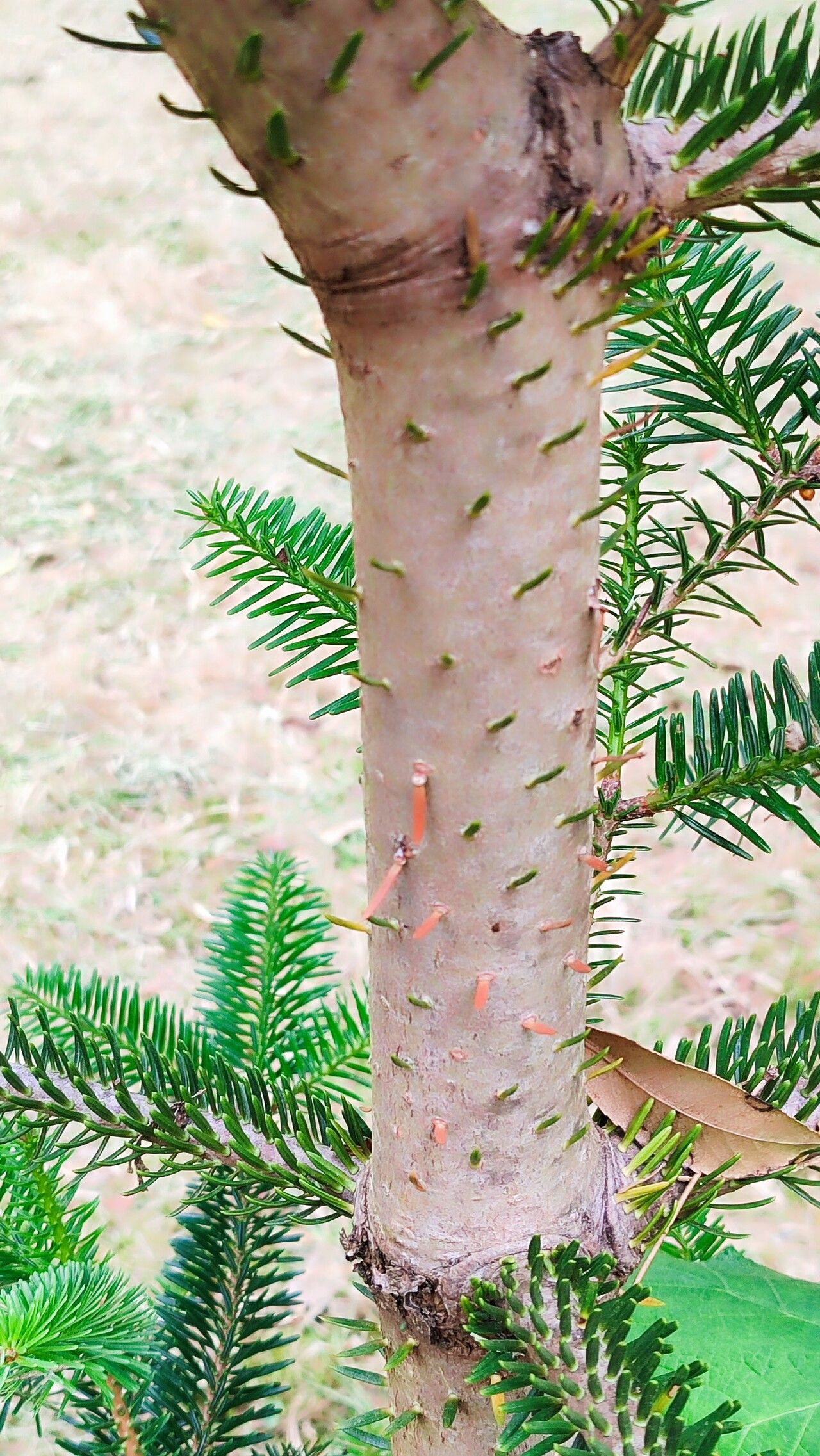
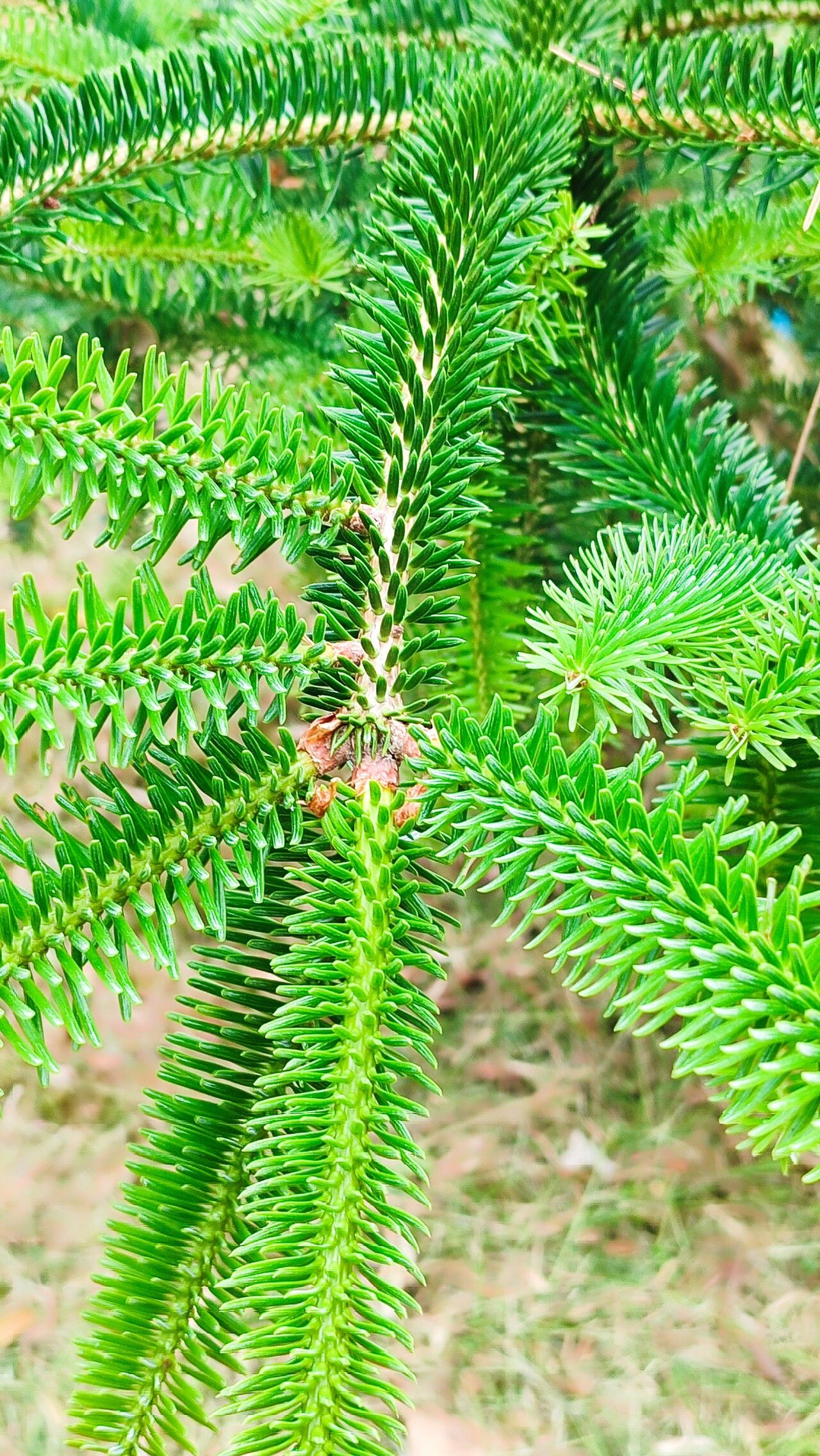
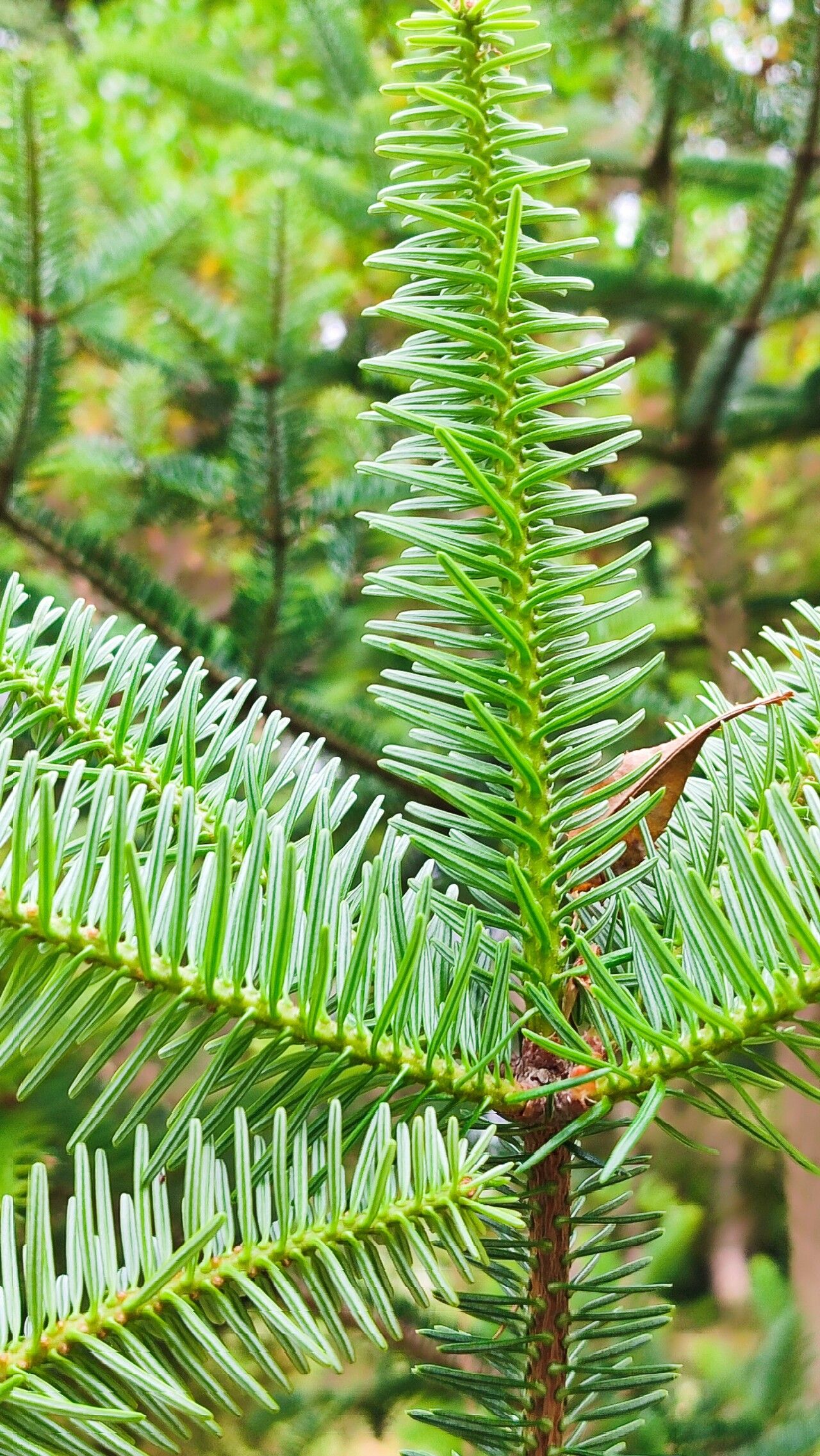
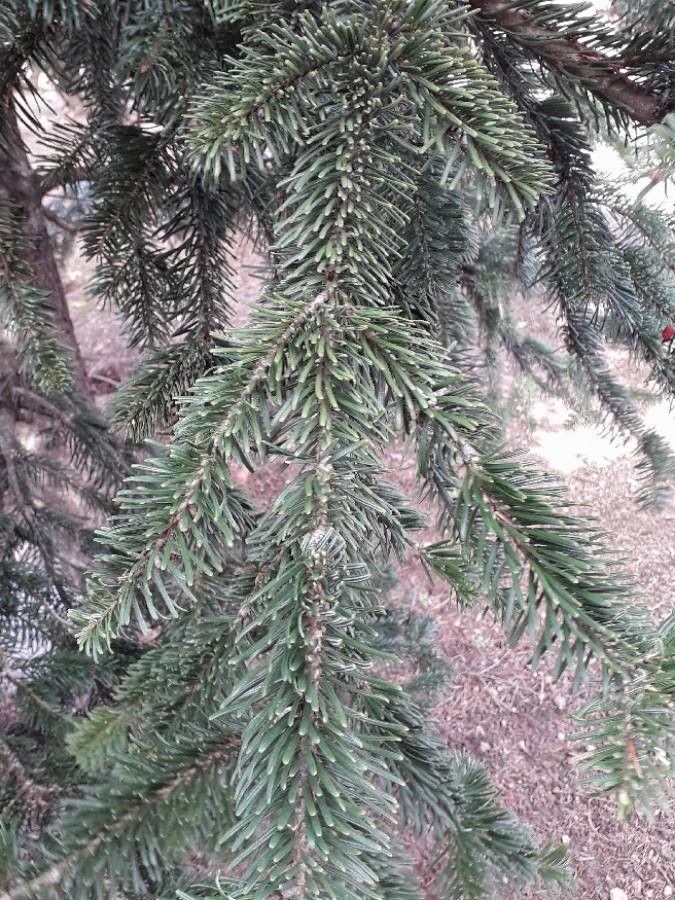
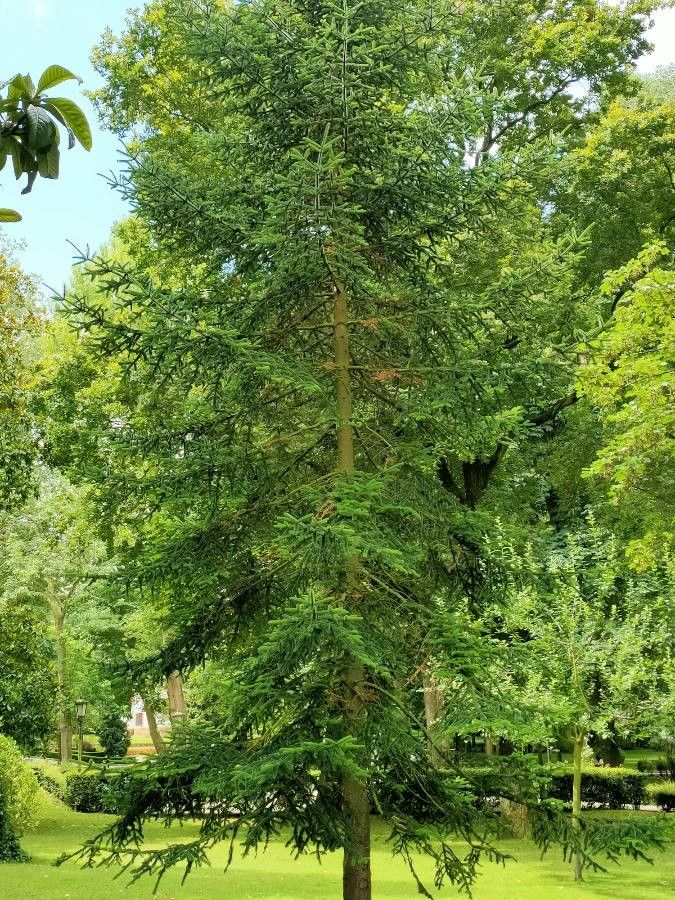
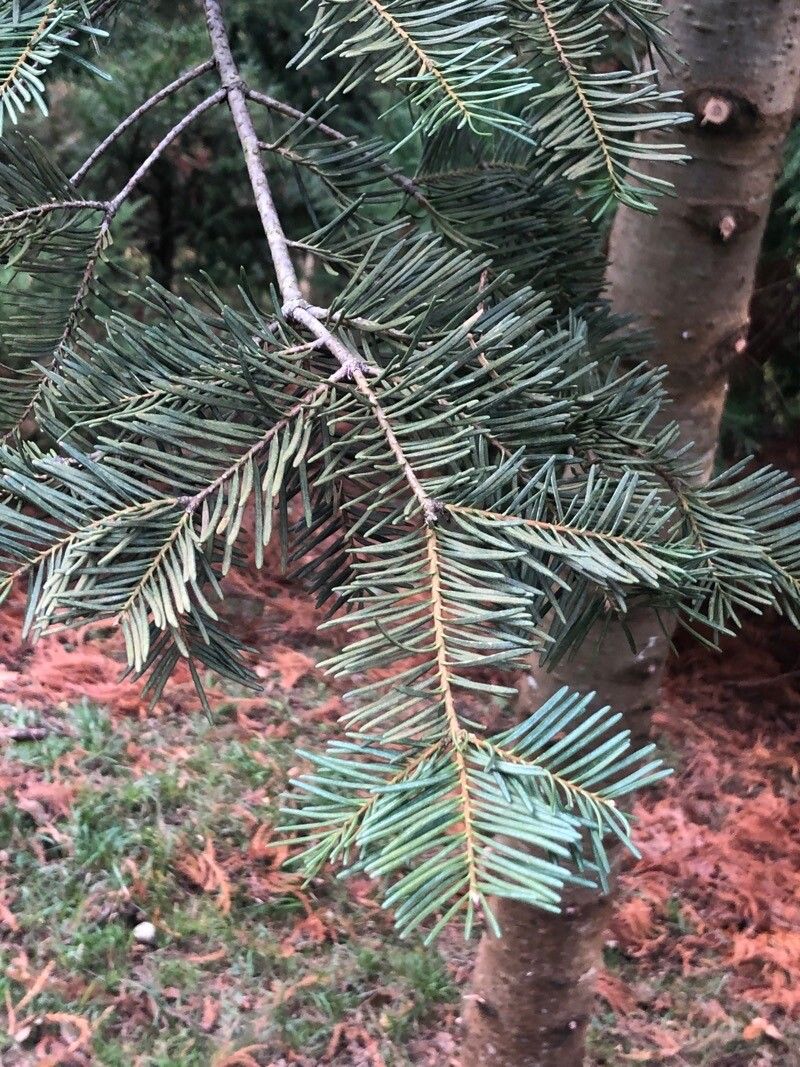
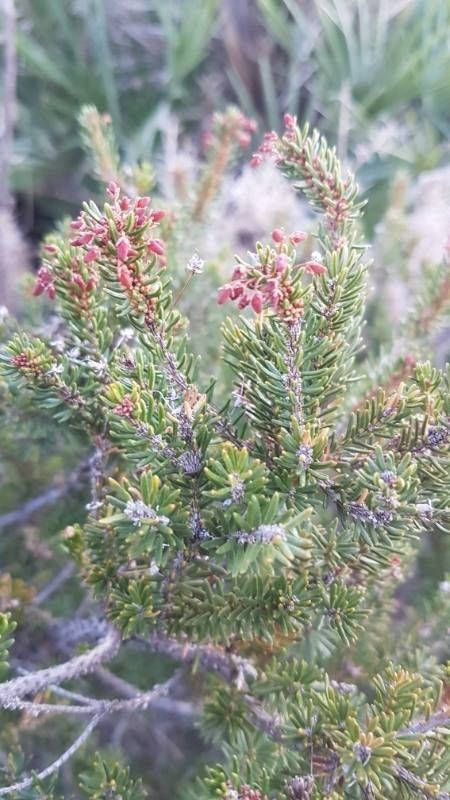
Silver fir is highly resistant to disease and typically not vulnerable to illnesses. With respect to care, this plant is fairly low-maintenance. When grown outdoors it needs little watering, and larger specimens generally do not require pruning. Nonetheless, smaller specimens should be pruned after they have finished blooming. Silver fir is well suited to anyone with an outdoor area, such as a garden or deck, and does not demand much prior gardening experience.
How to keep Abies Pardei.
Light
Silver fir needs the greatest amount of sunlight exposure for the best growth, even though it can survive under less than ideal exposure. In its natural habitat, silver fir flourishes in regions where there is ample sunlight. Its health and vigor could suffer from overexposure or insufficient exposure to light.
Temperature
The silver fir originates from regions where the climate ranges from 59 to 100.4 °F (15 to 38 ℃). For its best growth, it is important to mimic its natural temperature conditions. To simulate the seasonal change it's used to, adjust the temperatures appropriately.
Fertilizer
The nutritional needs of the Silver fir are distinct and do not require a high amount of fertilization. Fertilization during spring is best for its maximum development. Enhancing its nutrient intake promotes its wellbeing, increases its defenses against pests and diseases, and contributes to its prolonged life expectancy.
Botanical profile.
- Plant Type
- Tree
- Life Cycle
- Perennial
- Hardiness Zone
- 8-11
- Mature Height
- 39.93 m to 49.99 m
- Mature Spread
- 3.96 m to 7.92 m
- Leaf Color
- Green, Gray, Silver
- Leaf Type
- Evergreen
- Flower Color
- Yellow, Pink, Green, Purple, Red
- Bloom Time
- Early summer, Mid summer
- Planting Time
- Spring, Autumn
- Harvest Time
- Mid summer, Late summer, Fall
- Native Area
- Austria, Czech Republic, Slovakia, Montenegro, Bulgaria, Poland, Greece, Croatia, Slovenia, Belarus, Ukraine, Serbia, Hungary, Germany, Italy, Spain, Switzerland, Albania, Romania, France
Other names.