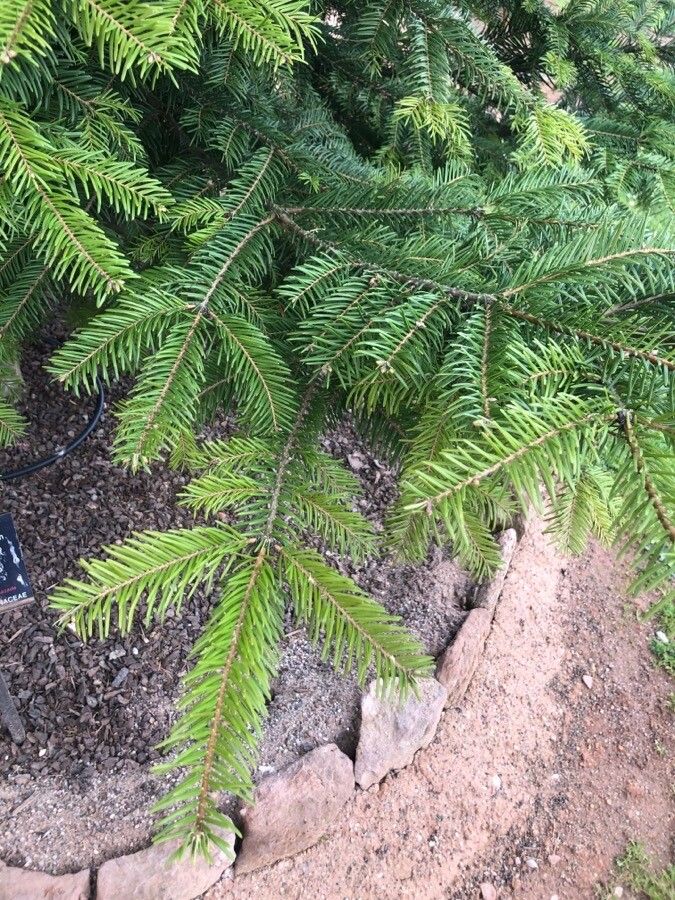
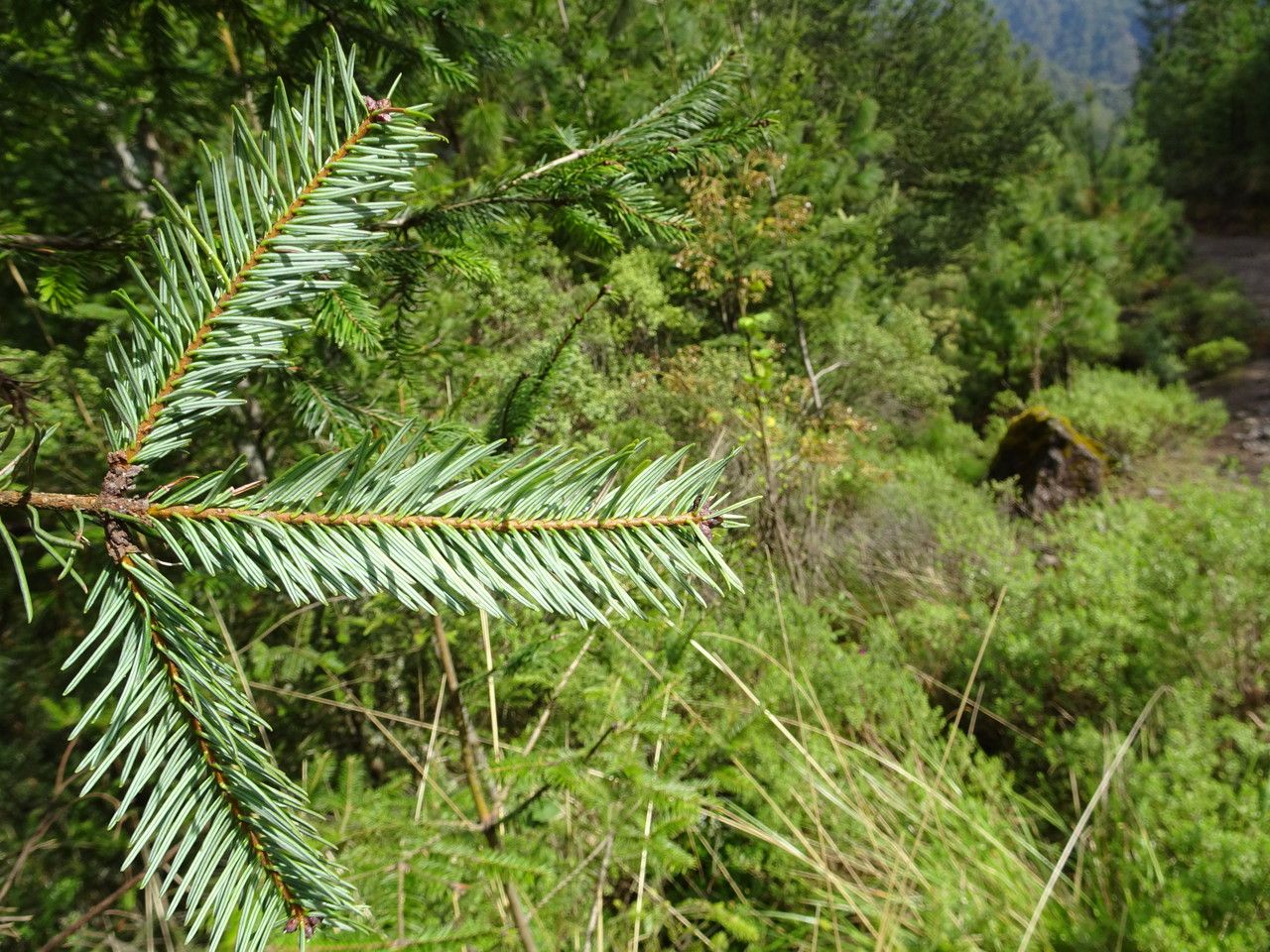
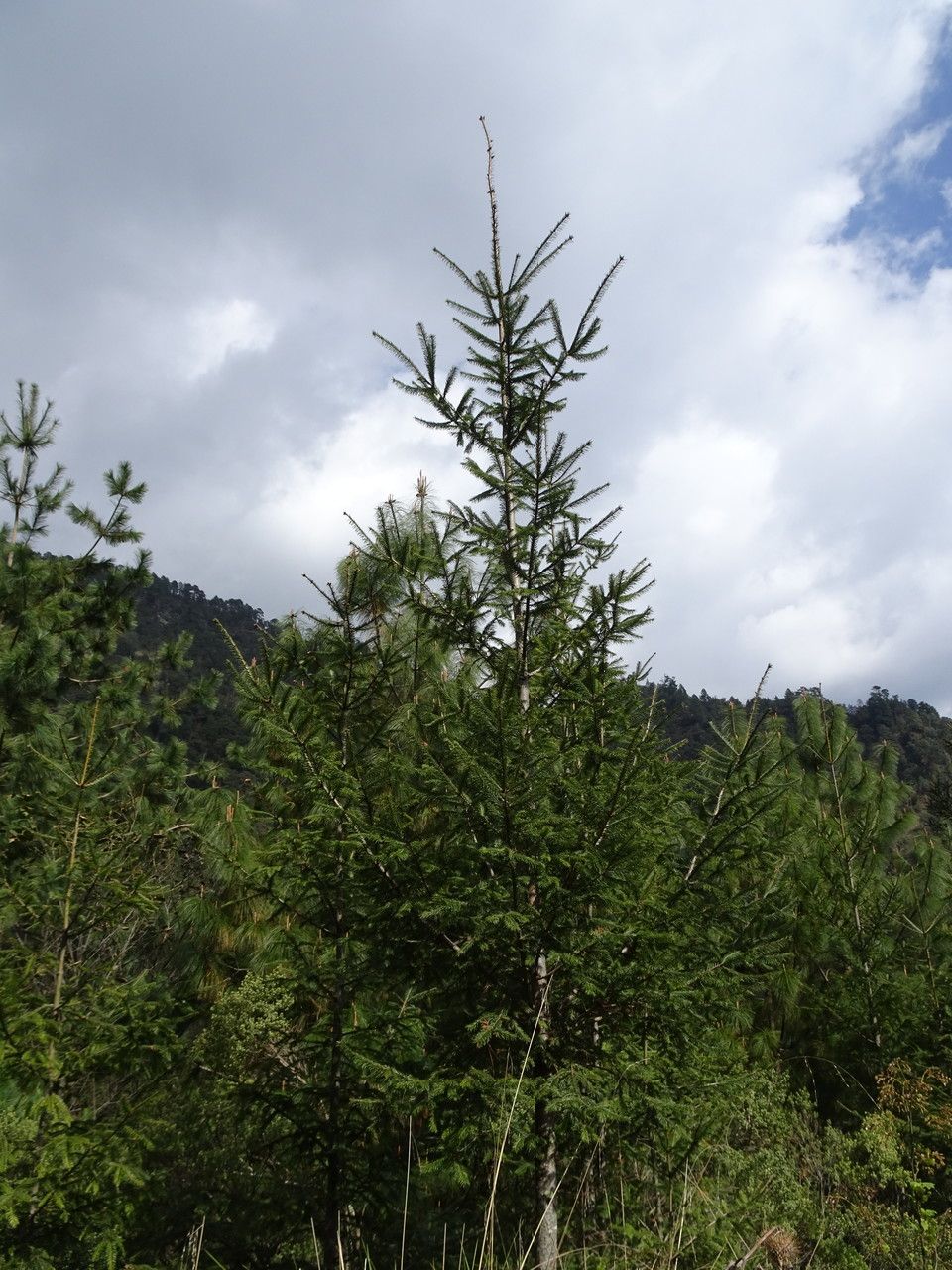
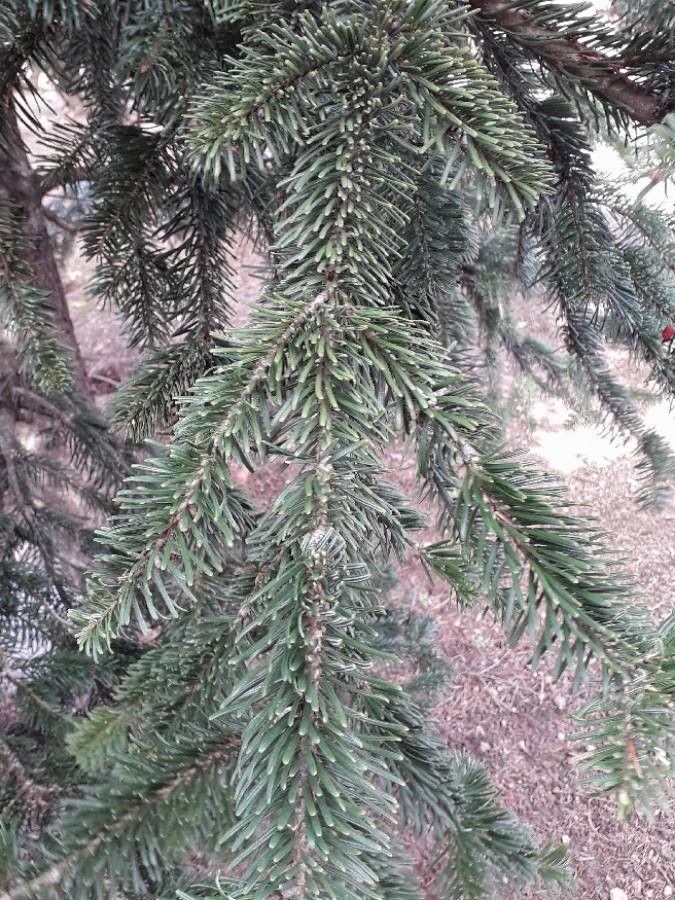
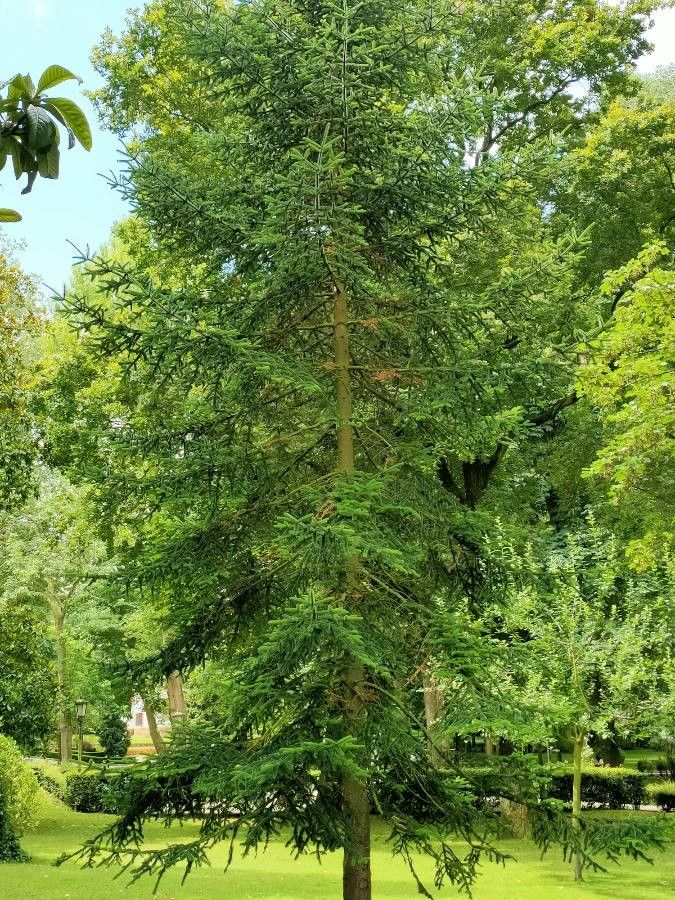
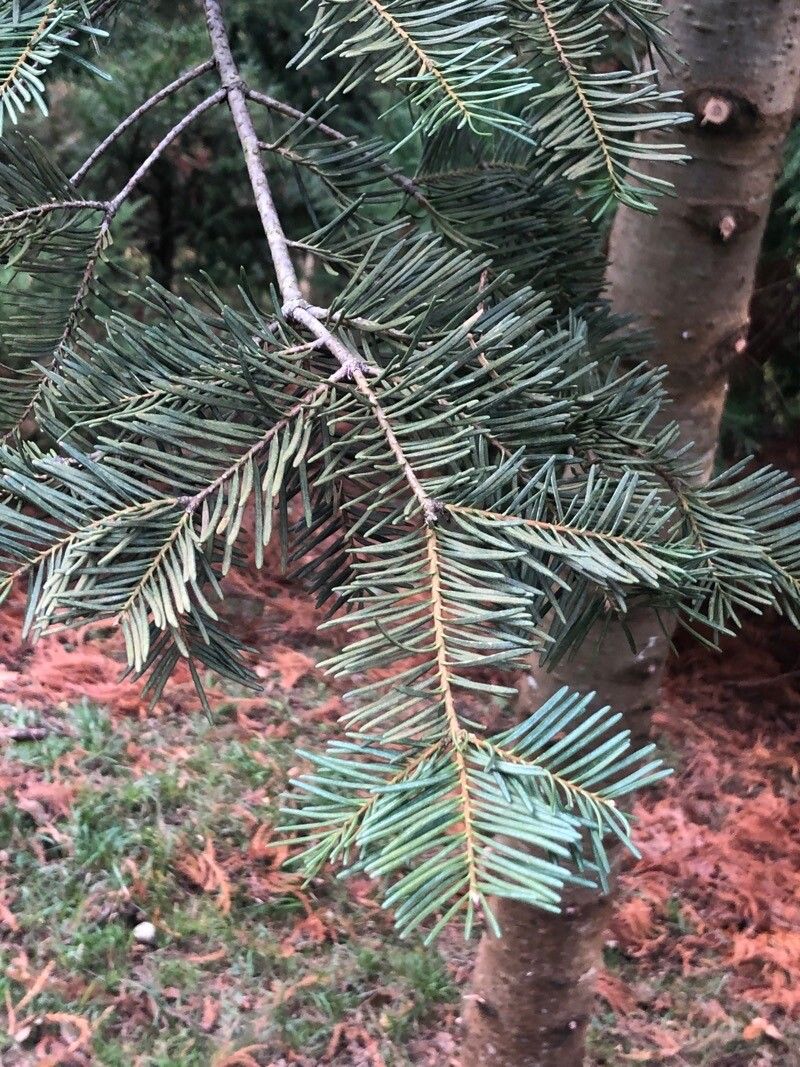
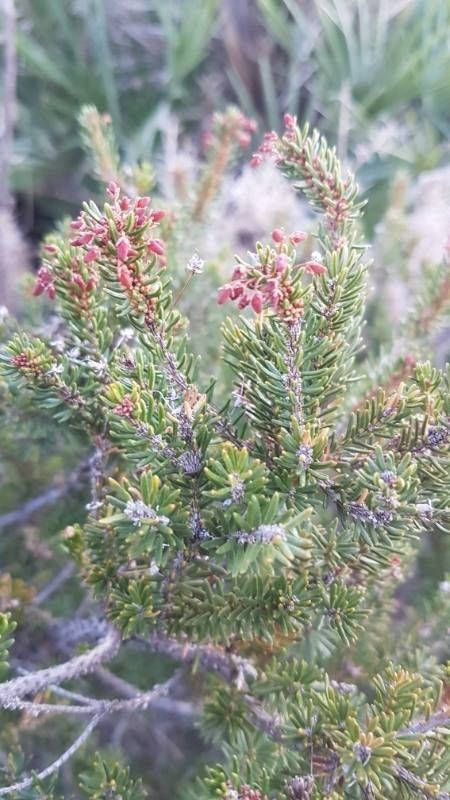
Abies religiosa, the oyamel fir or sacred fir, (known as oyamel in Spanish) is a fir native to the mountains of central and southern Mexico (Trans-Mexican Volcanic Belt, Sierra Madre del Sur) and western Guatemala. It grows at high altitudes of 2,100–4,100 metres (6,900–13,500 ft) in cloud forests with cool, humid summers and dry winters in most of its habitat regime. In the state of Veracruz, it grows with precipitation all year long. The tree is resistant to regular winter snowfalls.
Sacred fir is resistant to disease and generally not susceptible to infections. Regarding care, this species is fairly low-maintenance. When cultivated outside, it needs only occasional watering, and larger specimens typically do not require pruning. Smaller specimens, though, should be pruned after flowering. Sacred fir is appropriate for anyone who has outdoor space, such as a garden or a deck, and does not call for extensive care experience.
How to keep Abies Religiosa.
Light
Sacred fir naturally occurs in habitats like forest understories and rocky areas, where it grows in natural shade. It prefers partial sun but can tolerate full sun or full shade, demonstrating its versatility and hardiness.
Water
Sacred fir trees originate from high-altitude cloud forests and thrive in consistently moist soil and cool climates. To care for a sacred fir, water it weekly while ensuring that the soil does not become waterlogged. This tree is best suited for outdoor environments, particularly those that are humid. As an evergreen, the sacred fir retains water in its needles, making it resilient during drier periods.
Temperature
Sacred fir shows strong adaptability to a variety of climate conditions, whether facing very hot summers or cold winters. However, it does have an optimal temperature range for growth. If temperatures become too high, the plant is susceptible to heat and humidity stress, which can lead to its death. In areas where temperatures approach the lower limit of its cold tolerance, it is important to use insulation measures to protect the plant.
Fertilizer
Sacred fir has particular nutrient needs and does not require heavy fertilization. The best time to apply fertilizer for peak growth is in spring. Providing nutrients enhances its health, increases its resistance to pests and diseases, and supports its long life.
Pruning
Sacred fir benefits from early spring pruning, which involves removing dead or diseased branches to promote healthy growth. Thinning out overcrowded limbs improves both air circulation and light penetration. To maintain its natural shape and enhance overall health and resilience, minimal pruning is recommended, as emphasized by trusted horticultural sources.
Botanical profile.
- Plant Type
- Tree
- Life Cycle
- Perennial
- Genus
- Abies
- Family
- Pinaceae
- Hardiness Zone
- 7-9
- Mature Height
- 29.87 m to 49.99 m
- Mature Spread
- 7.92 m to 11.89 m
- Leaf Color
- Dark Green
- Leaf Type
- Evergreen
- Bloom Time
- Mid spring, Late spring
- Planting Time
- Spring, Summer
- Harvest Time
- Late summer, Early fall, Mid fall
- Native Area
- Mexico
Other names.
Reader questions.
What are the sunlight requirements for Sacred fir (Abies religiosa)?
The Sacred fir, also known as Abies religiosa, thrives in various sunlight conditions. For optimal growth, it needs 'Full sun' which means it requires above 6 hours of sunlight daily. However, it can also grow well in 'Partial sun,' requiring about 3-6 hours of sunlight per day. It's important to observe the way sunlight moves through your garden throughout the day, to ensure you place your Sacred fir in an area that offers a good balance of light and shade, aligning with its needs for healthy growth. This thoughtful consideration will significantly contribute to the happiness of your plant.