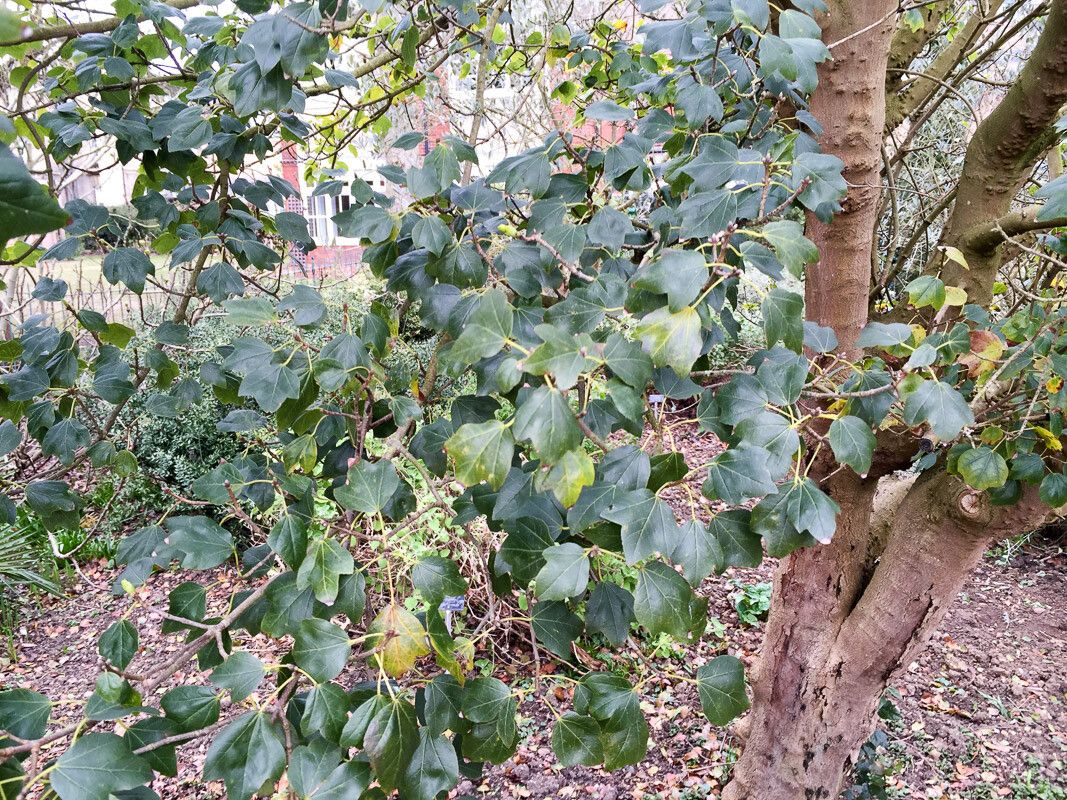
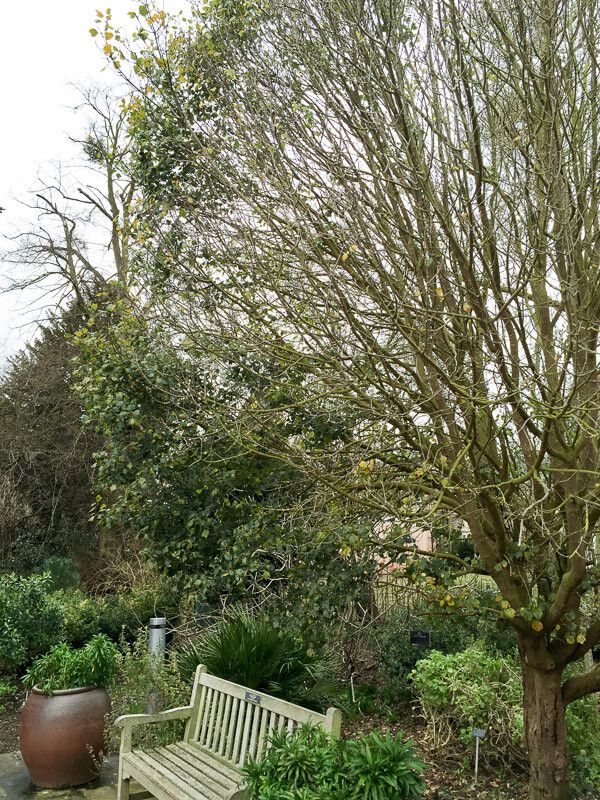
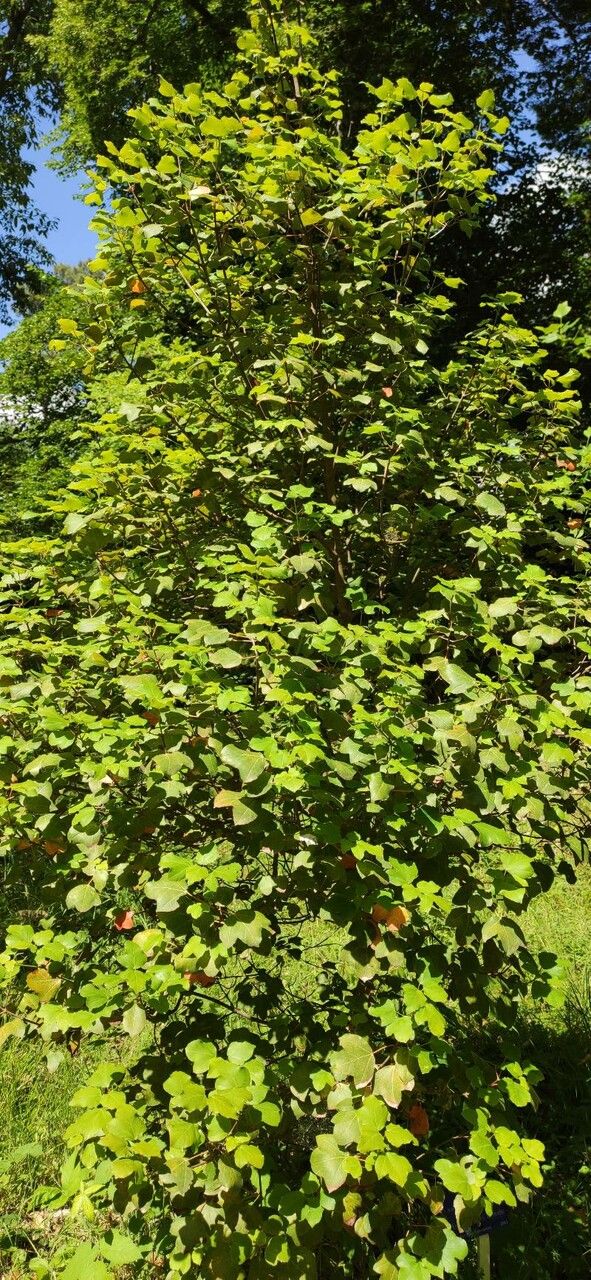
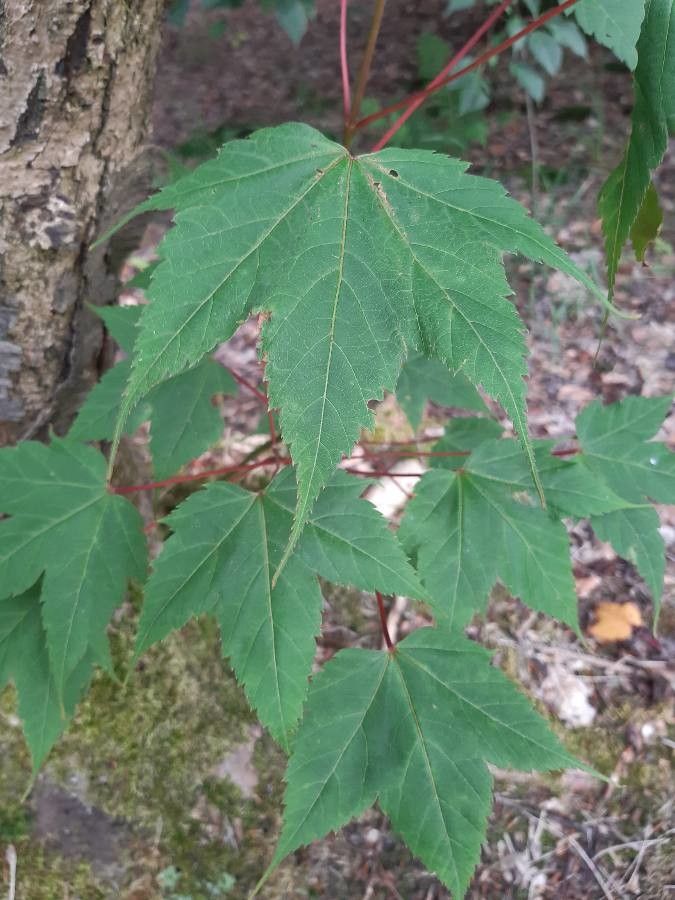
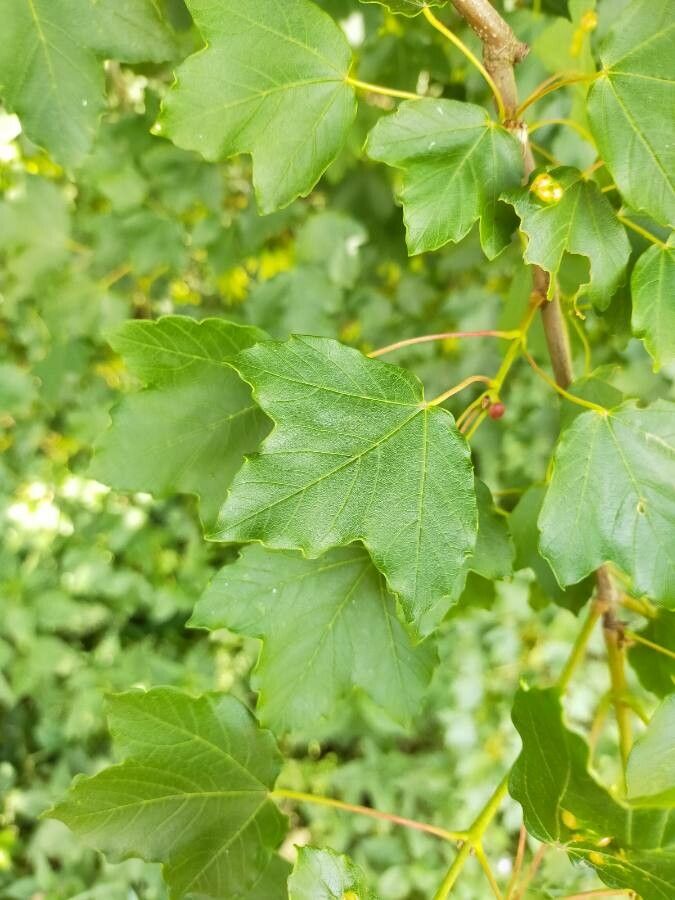
Acer obtusifolium, commonly known as the Korean maple or Amur maple, is a deciduous tree species in the Sapindaceae family. Native to eastern Asia, it is found in China, Japan, and Korea. The tree can grow up to 20 feet tall and features a rounded crown with dense foliage.
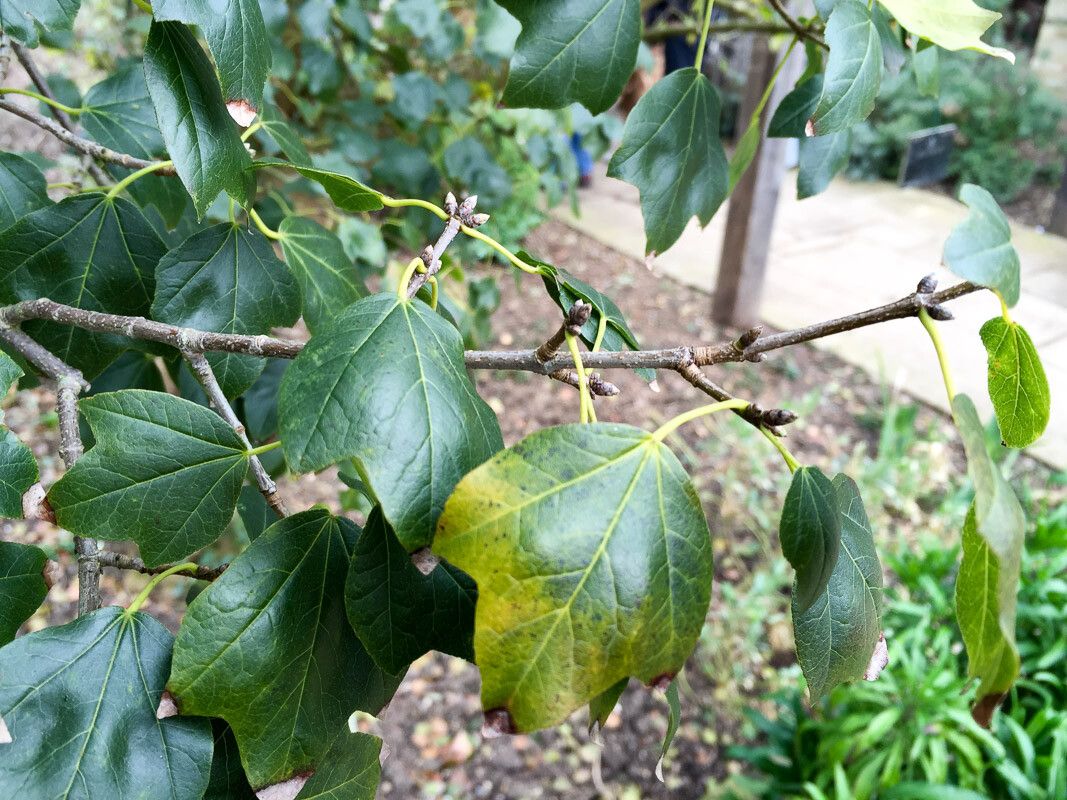
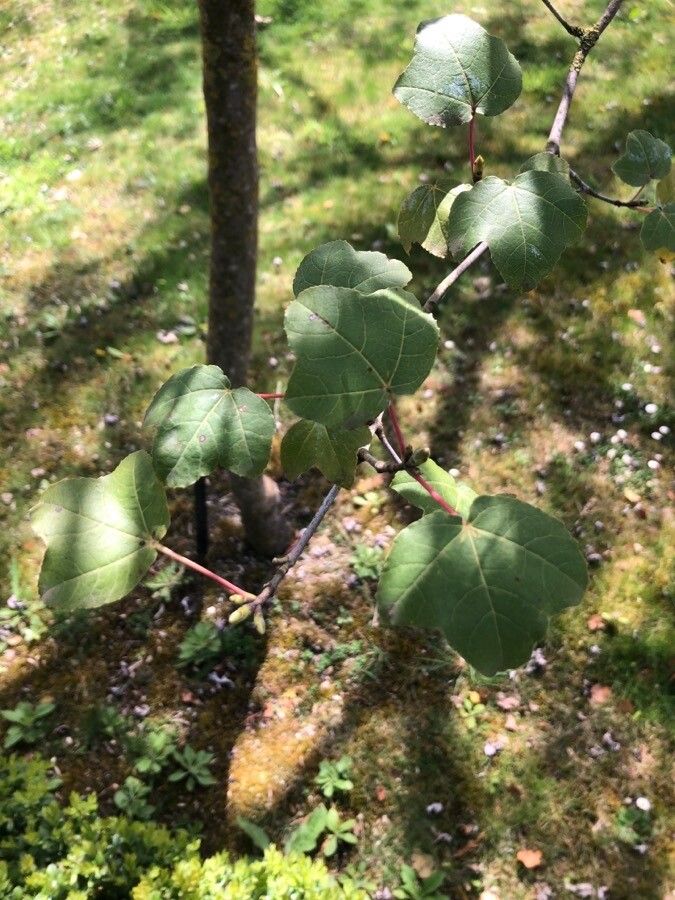
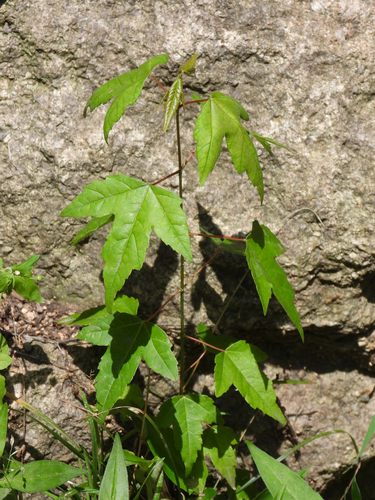
The leaves of Acer obtusifolium are simple and palmate, with three or five lobes. During the summer, they are dark green, turning bright red in autumn before falling off for winter dormancy.
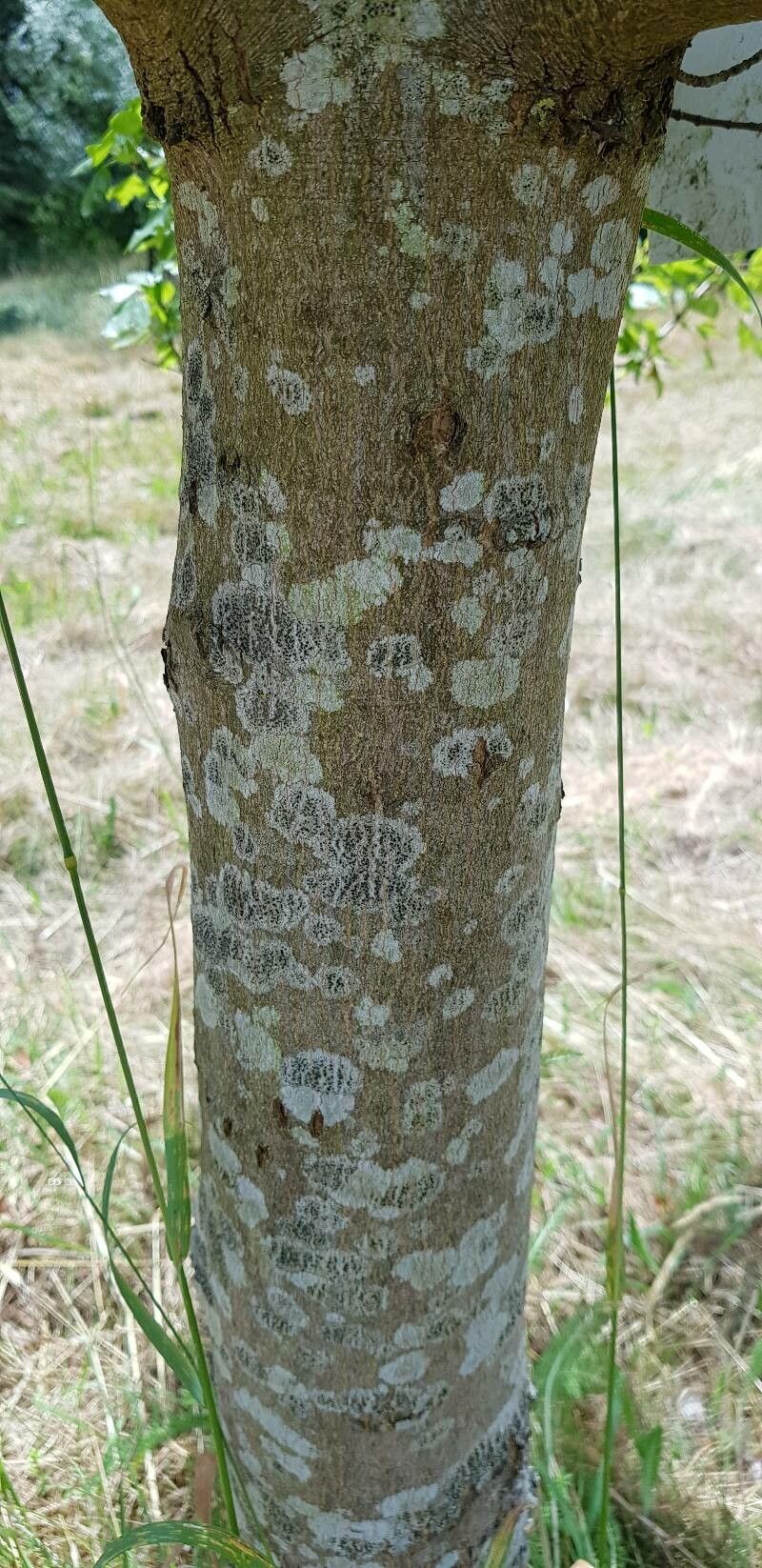
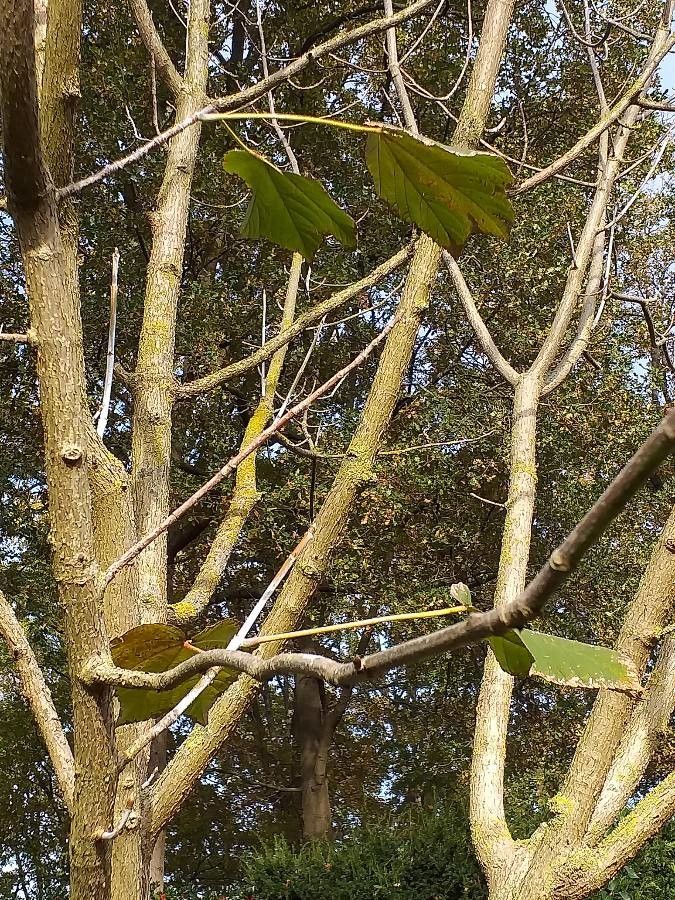
The flowers of this tree are small and inconspicuous, but they produce winged fruits similar to those of other maples. The bark is grayish-brown with shallow fissures that become more pronounced as the tree ages.
Acer obtusifolium prefers well-drained soils and thrives in full sun or partial shade. It can withstand cold temperatures down to -40°F (-40°C), making it suitable for colder regions.
This tree has multiple uses, including ornamental purposes due to its striking autumn foliage and its potential as a small shade tree in urban landscapes. Traditionally, it has been used for medicinal purposes such as treating fever and inflammation, thanks to the anti-inflammatory properties found in its bark extract.
Overall, Acer obtusifolium is an attractive deciduous species that provides year-round interest through its changing leaf colors. It is adaptable enough for various landscapes, including urban environments where space may be limited, yet still offers ample shade coverage when fully grown.
Syrian maple shows strong resistance to disease and is typically not susceptible to ailments. In terms of maintenance, this plant is fairly low-maintenance. When planted outdoors it needs little watering, and larger specimens generally do not require pruning. Smaller plants, however, should be trimmed after they have finished blooming. Syrian maplet is suitable for anyone with an outdoor area, such as a garden or deck, and does not demand extensive care experience.
How to keep Acer Obtusifolium.
Light
Syrian maple is native to habitats like forest understories and rocky sites, where it grows in natural shade. It favors partial sun but can adjust to full sun or full shade, showing its versatility and hardiness.
Water
The Syrian maple flourishes in moist soil, particularly in the summer, to prevent leaf scorch. Seedlings may need to be watered twice daily. However, during the spring and fall, watering should be adjusted based on the weather conditions. In the winter, it's important to ensure the soil doesn't dry out. Garden seedlings require special attention during their early growth stages.
Temperature
Syrian maple tolerates warm conditions well and can endure higher temperatures and wider temperature swings. In hot weather, one should pay attention to watering and provide suitable shade to avoid sunburn. Conversely, Syrian maple is not very tolerant of cold; it can resist some chill, but very low temperatures can cause frost damage.
Fertilizer
Fertilize your Syrian maple in early spring to encourage healthy growth. Regular fertilization improves overall health, resulting in vigorous growth, greater resilience in difficult conditions, and enhanced resistance to pests and diseases. Maintain a specific fertilization schedule for your Syrian maple to ensure foliage that is vibrant, deeply colored, and lush in appearance.
Pruning
The Syrian maple boasts dense foliage and a spreading growth habit, making it an excellent choice for structured landscapes. To maintain its shape and improve air circulation, prune the tree in early spring. This practice enhances both the health and appearance of the maple. It's important to avoid heavy pruning in mid-summer and always use clean, sharp tools to prevent disease.
Botanical profile.
- Plant Type
- Tree
- Life Cycle
- Perennial
- Genus
- Acer
- Family
- Sapindaceae
- Hardiness Zone
- 7-10
- Mature Height
- 4.88 m to 10.06 m
- Mature Spread
- 3.05 m to 6.1 m
- Leaf Color
- Green, Dark Green
- Leaf Type
- Evergreen
- Flower Size
- 0.25 cm to 0.51 cm
- Bloom Time
- Mid spring, Late spring
- Planting Time
- Spring, Summer, Autumn
- Harvest Time
- Late summer, Early fall, Mid fall
- Native Area
- Cyprus, Syria, Lebanon
Other names.
Reader questions.
What are the sunlight requirements for Syrian maple (Acer obtusifolium)?
The Syrian maple (Acer obtusifolium) thrives in different sunlight conditions depending on what you can provide. For those looking to maximize its growth and health, full sun exposure, meaning the plant should receive above 6 hours of direct sunlight daily, is ideal. However, it can also adapt to partial sun locations, where it gets about 3-6 hours of sunlight. It's important to observe the way sunlight moves through your garden throughout the day. Selecting the right spot that offers a harmonious balance of light and shade will ensure your Syrian maple flourishes, keeping it happy and healthy.