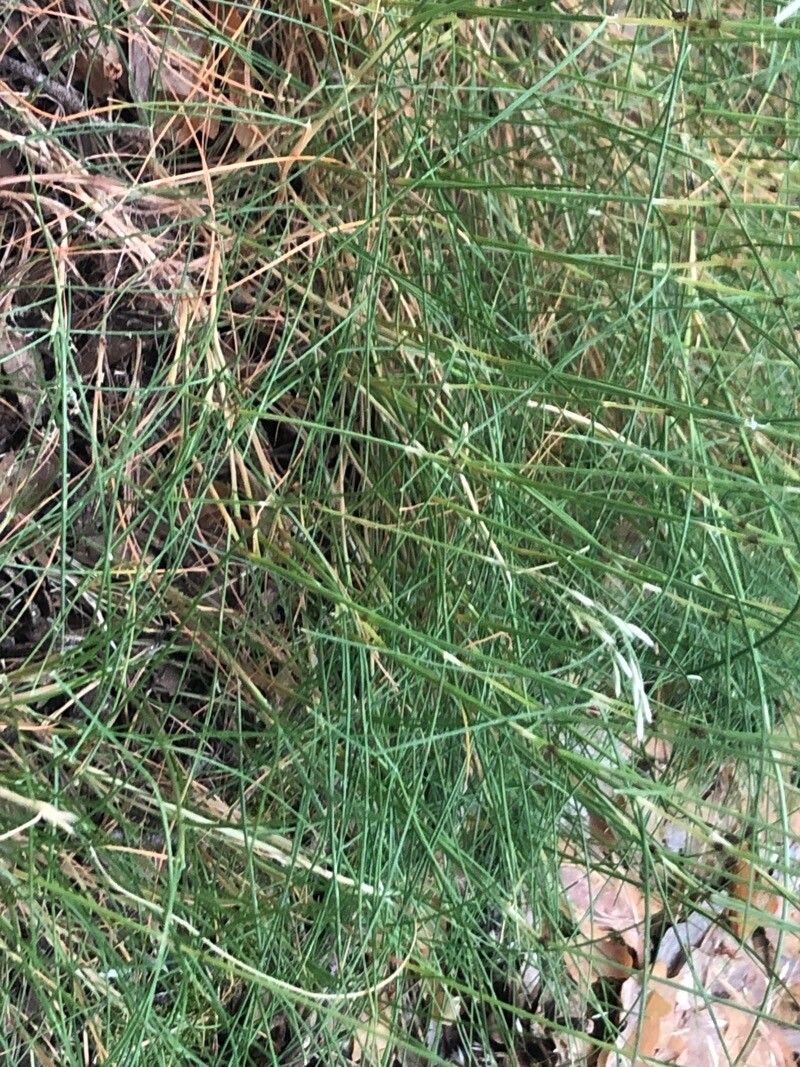
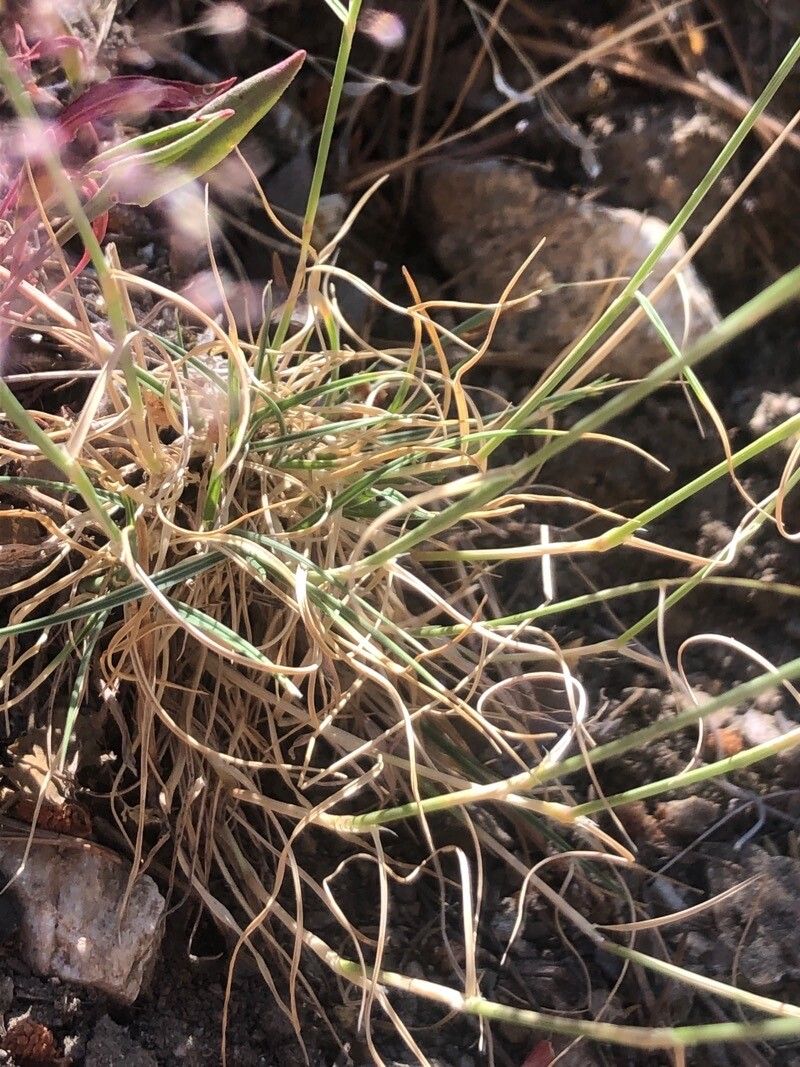
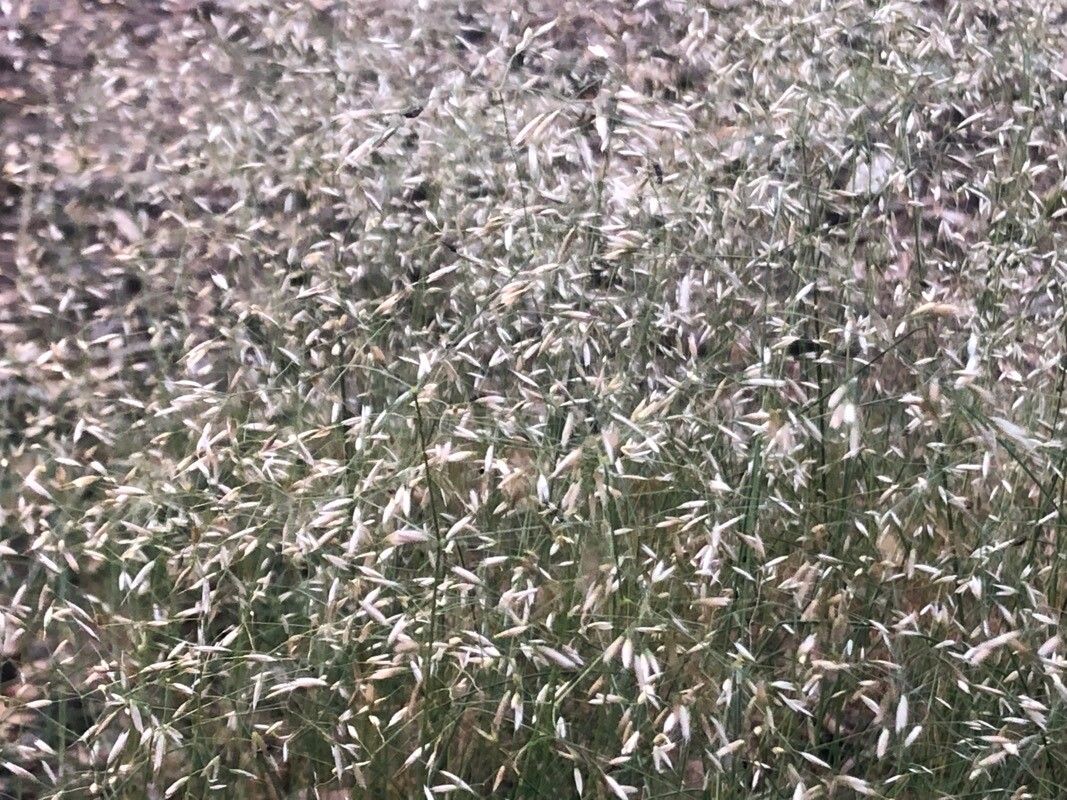
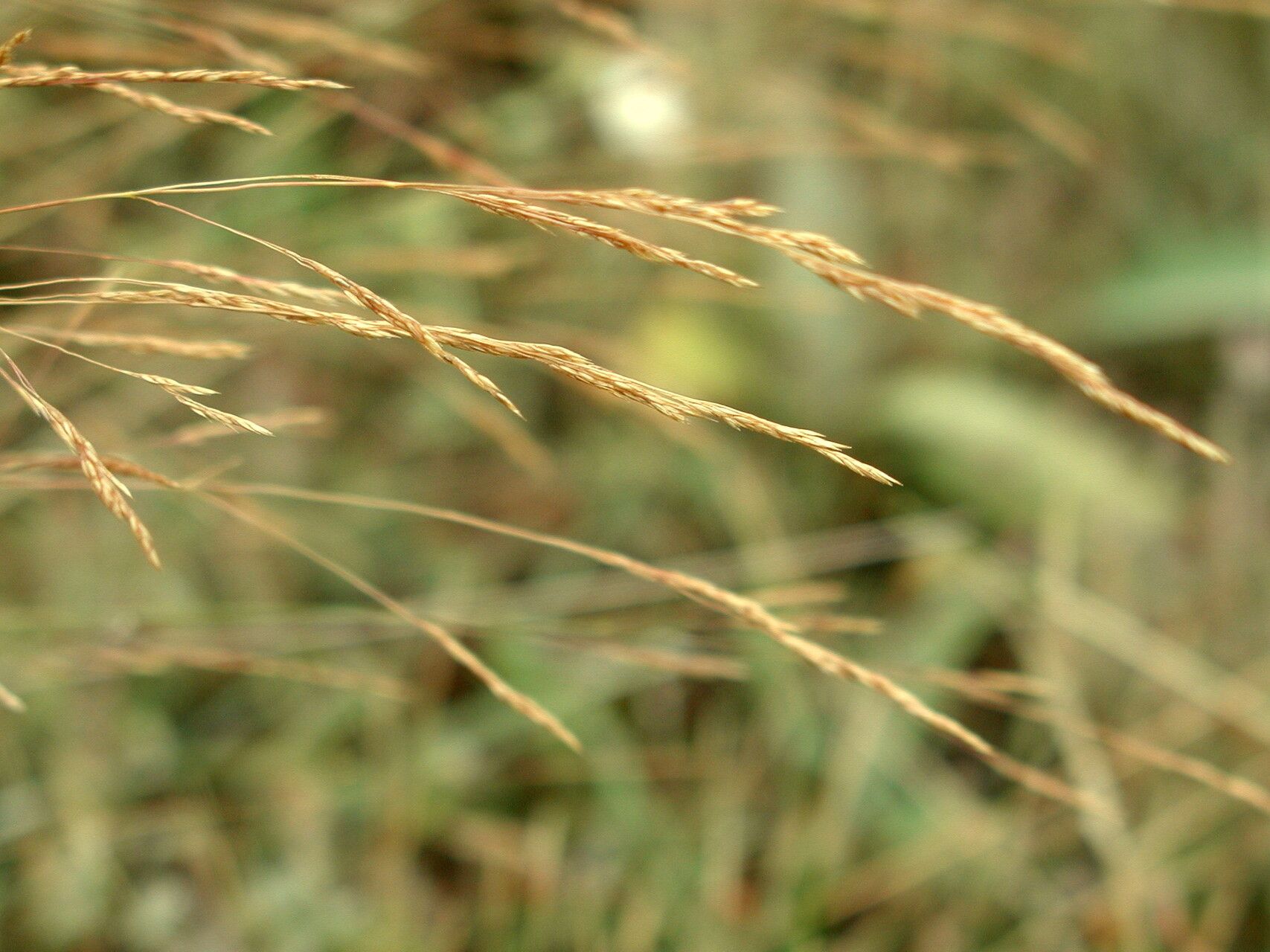
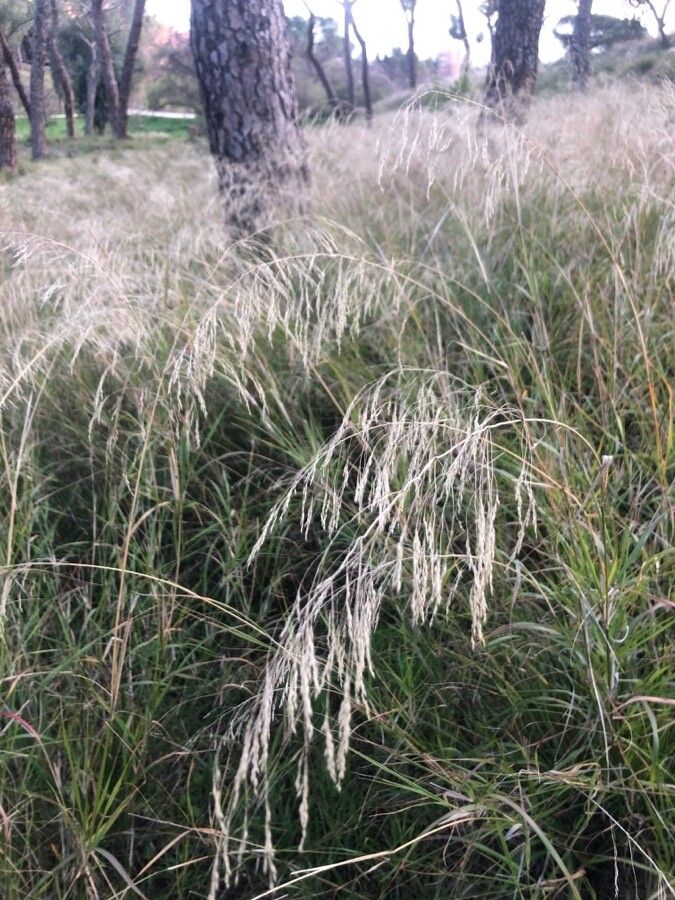
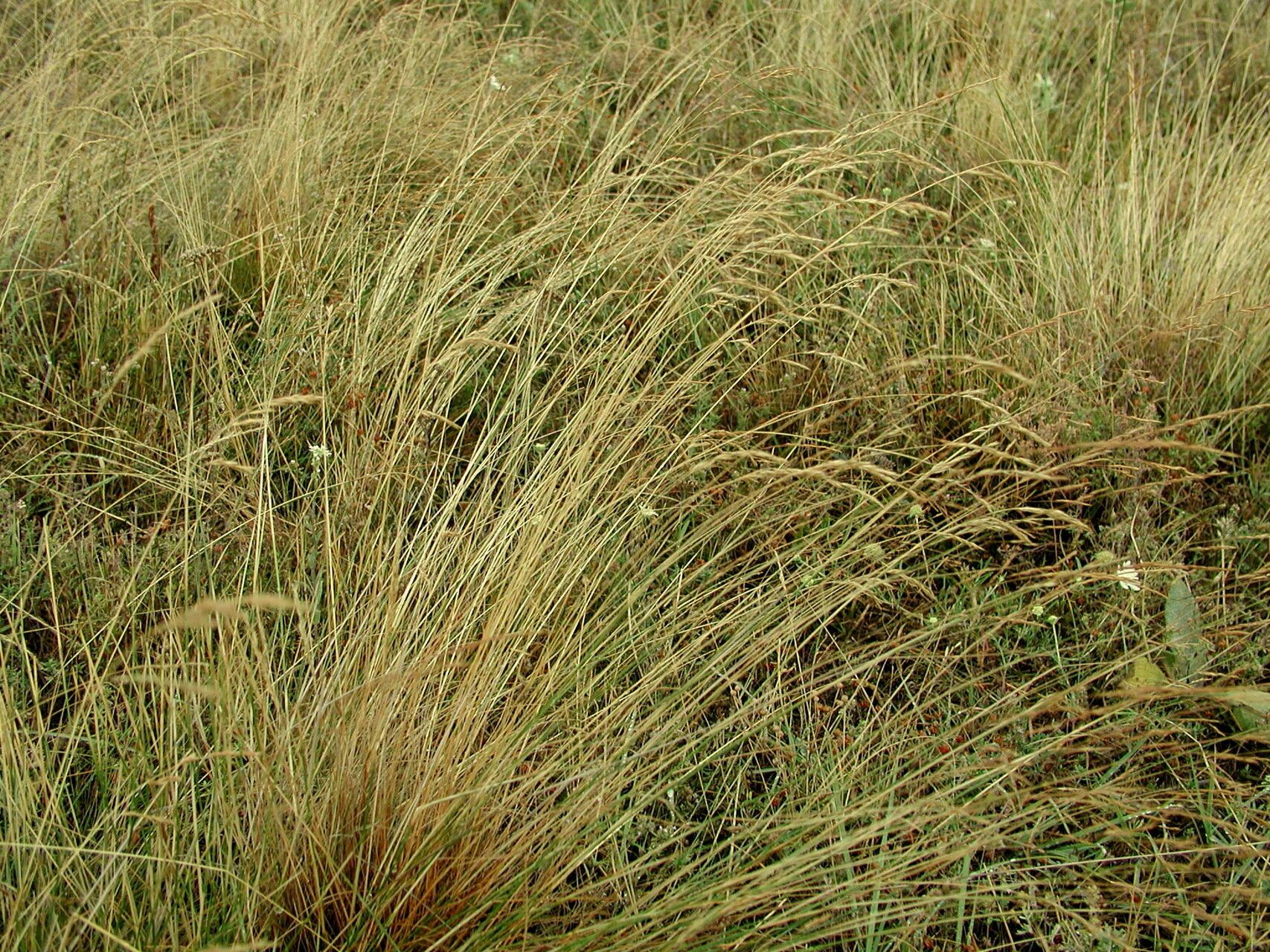
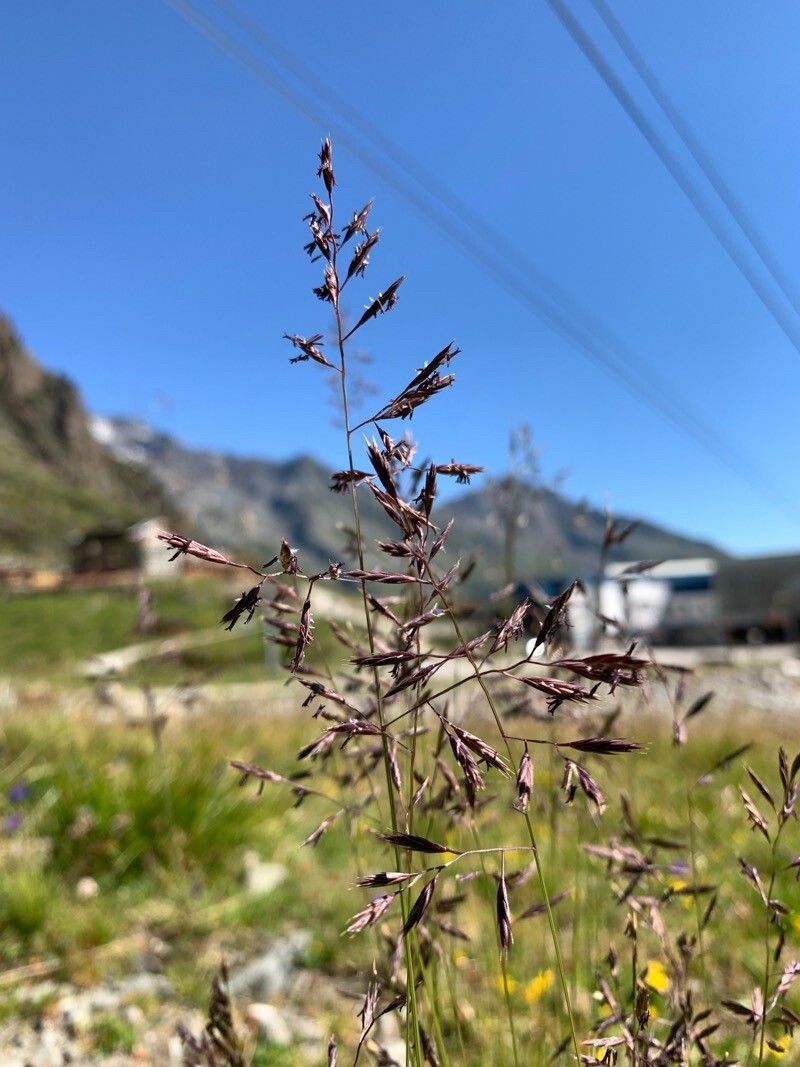
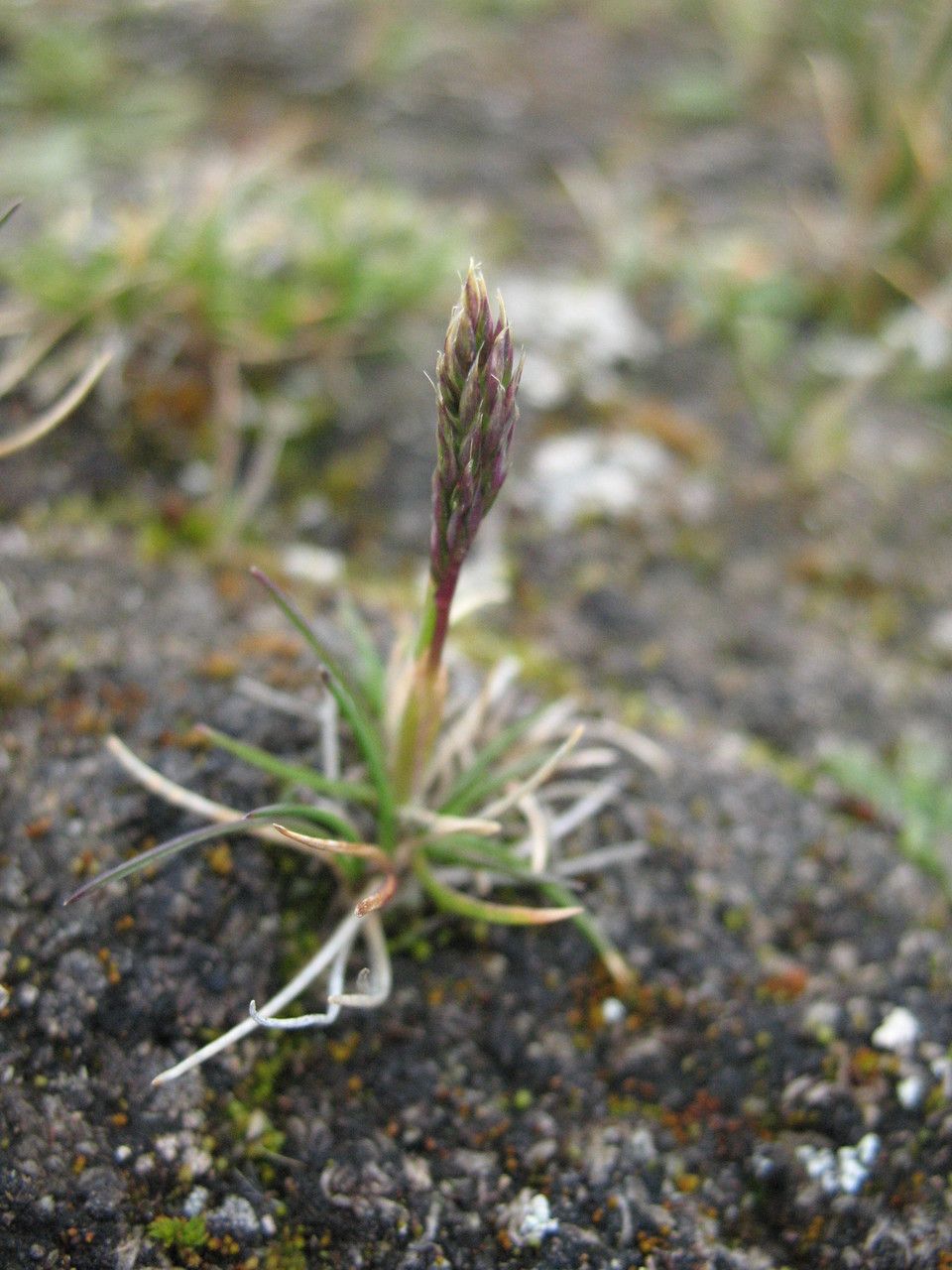
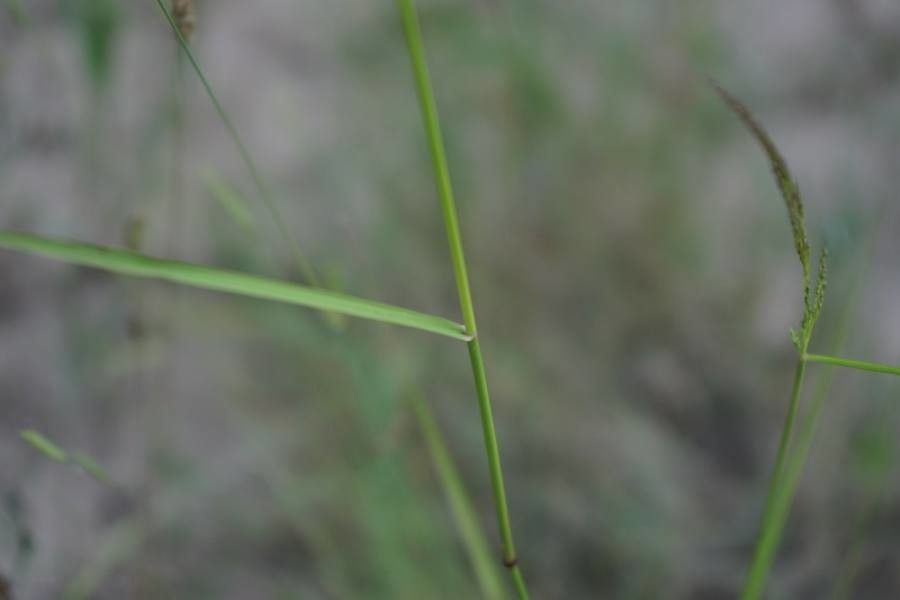
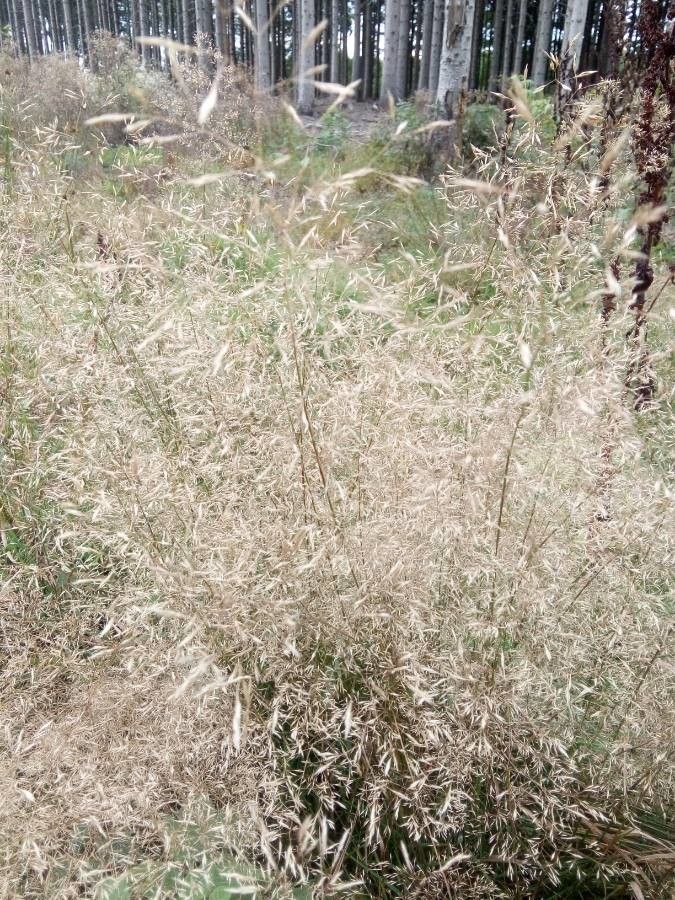
Agrostis castellana, the highland bent, dryland bent or dryland browntop, is a species of cool-season grass in the family Poaceae. It is native to Macaronesia and the Mediterranean, has been widely introduced elsewhere, and is considered an invasive species in some locales. It is a hyperaccumulator of zinc and lead.
Highland bent is quite resistant to disease and typically does not fall victim to illnesses. With regard to care, this plant is fairly low-maintenance. When grown outdoors it needs only occasional watering, and larger specimens usually do not require pruning. Smaller plants, however, should be pruned after they finish blooming. Highland bent is suitable for anyone who has an outdoor area, such as a garden or a deck, and it does not demand extensive gardening experience.
How to keep Agrostis Castellana.
Light
Highland bent is a sun-loving perennial herbaceous plant that originates in open habitats and commonly thrives in meadows and grasslands. It prefers full sun but can also tolerate partial sun.
Temperature
Highland bent can adjust to a wide range of temperatures, though its distribution may still be restricted by different combinations of moisture and heat. It grows best in warm summers with sufficient rainfall or irrigation. Extended periods of cloudy, rainy weather, as well as prolonged high temperatures, can increase the risk of Highland bent dying. In winter, adequate protection from the cold can improve the plant's chances of survival.
Fertilizer
Highland bent needs extra nutrients to encourage healthy new growth. In spring, placing compost around the plant's base can effectively supply the nutrition it requires. Fertilizing helps support vigorous growth and improves the plant's resistance to diseases and pests.
Pruning
Highland bent grass benefits greatly from annual pruning in early spring, which encourages new growth and creates a more uniform appearance. To achieve the best results, it is important to mow the grass to a height of 1 to 2 inches and remove any dead blades. Additionally, using clean, sharp tools minimizes stress and reduces the risk of disease, thereby improving the overall health of the grass.
Botanical profile.
- Plant Type
- Grass
- Life Cycle
- Perennial
- Genus
- Agrostis
- Family
- Poaceae
- Hardiness Zone
- 4-9
- Mature Height
- 30 cm to 76 cm
- Mature Spread
- 20 cm to 40 cm
- Leaf Color
- Green
- Leaf Type
- Evergreen
- Flower Size
- 0.20 cm to 0.25 cm
- Bloom Time
- Early summer, Mid summer
- Planting Time
- Spring, Summer, Autumn
- Harvest Time
- Mid summer, Late summer
Other names.