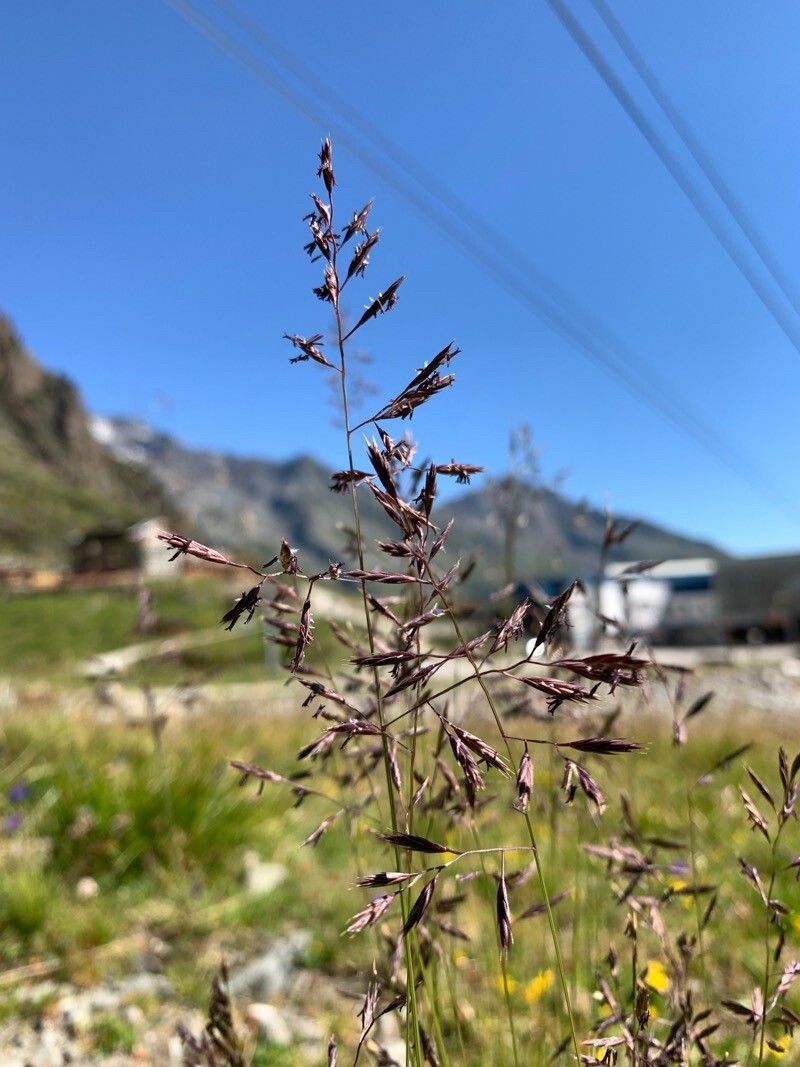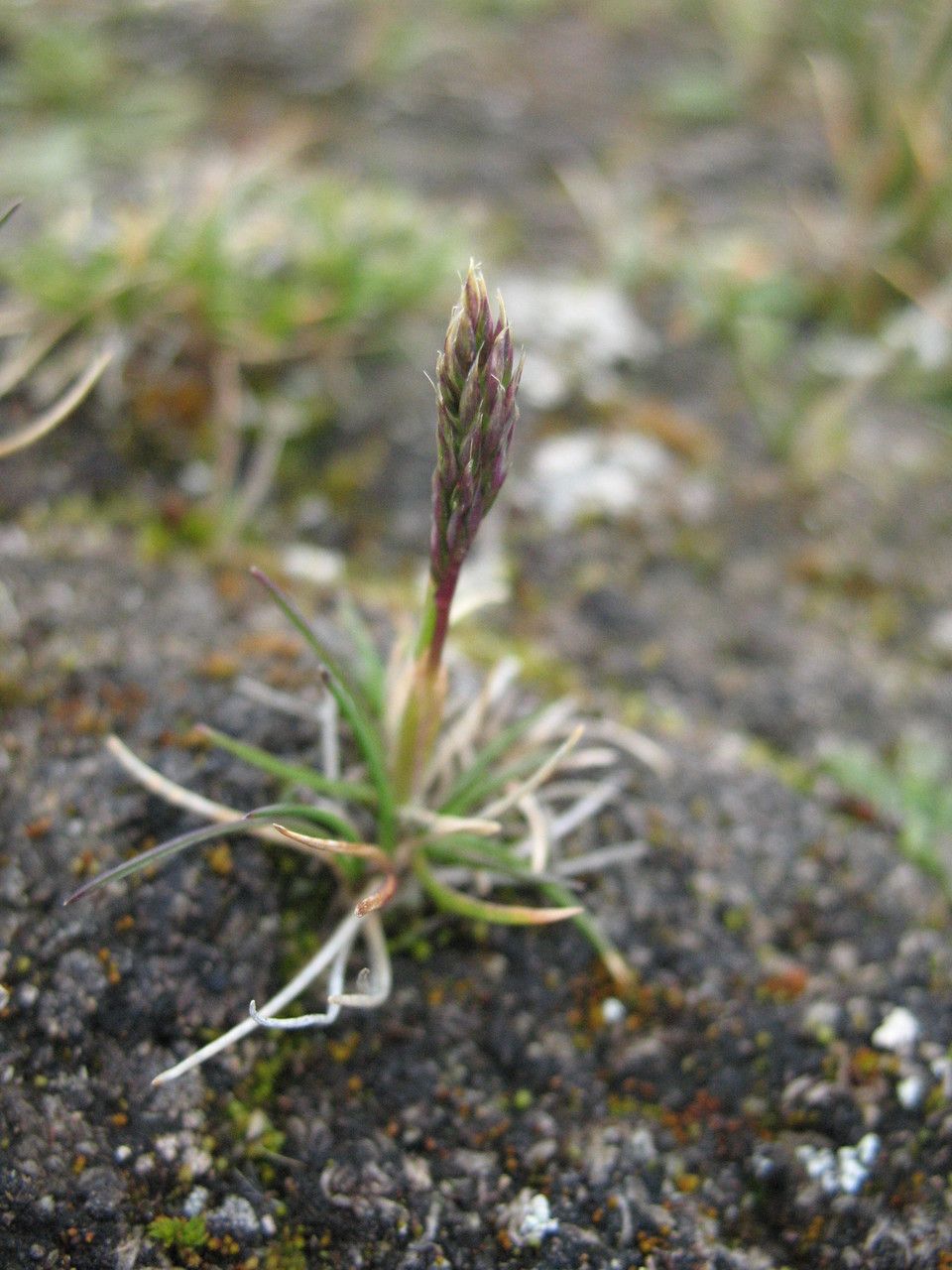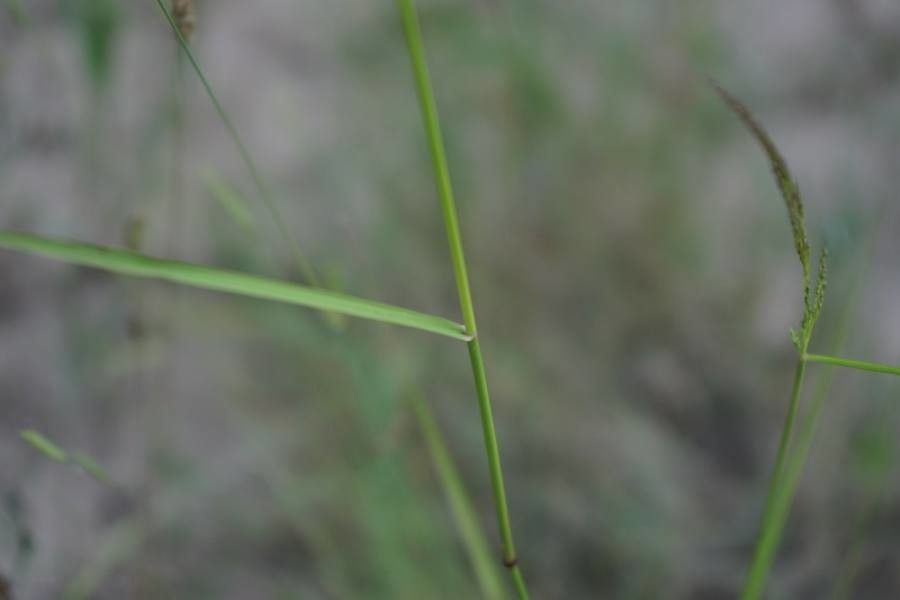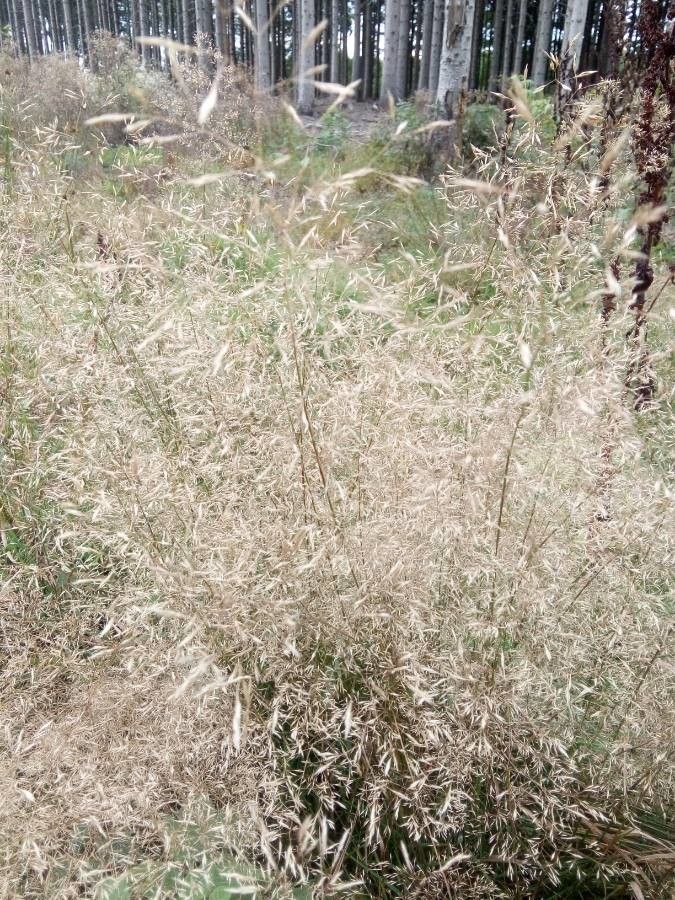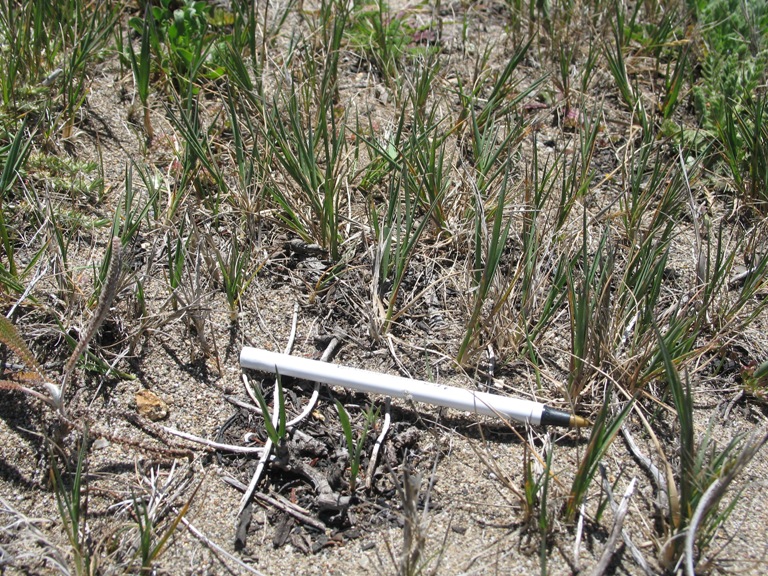
Agrostis pallens is a species of grass known by the common name seashore bentgrass.
Seashore bentgrass is disease-resistant and generally not susceptible to diseases. Regarding care, this plant is fairly low-maintenance. When grown outside, it needs only light watering, and larger specimens typically do not require pruning. Smaller plants, however, should be pruned after they finish blooming. Seashore bentgrass is appropriate for anyone who has an outdoor area, such as a garden or deck, and it does not demand much gardening experience.
How to keep Agrostis Pallens.
Light
Seashore bentgrass performs best when it receives abundant sunlight all day. It can tolerate lower light levels, but that may slow its growth. In its natural range, it is adapted to areas with plenty of sun. Unhealthy light exposure can cause weak or discolored foliage.
Water
Seashore bentgrass thrives in coastal habitats, as it prefers consistent moisture and can withstand short periods of dryness. To maintain its health, it benefits from weekly watering. It also requires a well-draining soil mix to prevent waterlogging, which aligns with its adaptation to the typical rainfall patterns of coastal climates.
Temperature
Seashore bentgrass prefers temperatures between 41 and 89.6 ℉ (5 to 32 ℃). It does well in its native habitat where average temperatures range from 66.2 to 75.4 ℉ (19 to 24 ℃). In winter, temperatures can fall below its preferred range, so providing extra cover or moving it to a warmer location is recommended.
Fertilizer
Seashore bentgrass needs extra nutrients to encourage healthy new growth. In spring, applying compost around the plant’s base can effectively supply the nutrition it requires. Fertilizing helps support vigorous growth and improves the plant’s resistance to diseases and pests.
Pruning
Seashore bentgrass has fine blades and can tolerate a range of conditions. Prune it in early spring to remove dead growth and encourage new shoots. Regular trimming helps maintain the desired height, prevents overcrowding, and promotes air circulation. This enhances growth, strengthens resilience, and reduces the risk of disease.
Botanical profile.
- Plant Type
- Grass
- Life Cycle
- Perennial
- Genus
- Agrostis
- Family
- Poaceae
- Hardiness Zone
- 4-8
- Mature Height
- 10 cm to 61 cm
- Mature Spread
- 20 cm to 61 cm
- Leaf Color
- Green
- Leaf Type
- Evergreen
- Flower Color
- Yellow, Green
- Flower Size
- 2.54 cm to 12.70 cm
- Bloom Time
- Early summer, Mid summer
- Planting Time
- Autumn, Winter
- Harvest Time
- Mid summer, Late summer
- Native Area
- Mexico
Other names.
Reader questions.
What temperatures are ideal for Seashore Bentgrass?
Seashore bentgrass (Agrostis pallens) thrives in temperatures ranging from 41°F to 89.6°F (5°C to 32°C). Its optimal growth occurs within its native environment's average temperature range of 66.2°F to 75.4°F (19°C to 24°C). However, during winter, temperatures can dip below its preferred range. Although Seashore bentgrass exhibits strong cold tolerance and typically doesn't require special frost protection, during exceptionally cold winters with temperatures dropping below -30°C, it is crucial to provide additional cover, such as soil or straw, to protect the plant.
How should Seashore Bentgrass be cared for in winter?
To prepare Seashore bentgrass for winter, especially when temperatures are expected to fall below its cold tolerance range, it's recommended to water the plant abundantly before the first freeze of autumn. This ensures that the soil stays moist and enters a frozen state through the season, thereby preventing drought and water scarcity for the plant during the colder months. For winters where temperatures are predicted to dip below -30°C, it's important to protect the plant with layers of soil or straw to safeguard it against the extreme cold.
What symptoms indicate Seashore Bentgrass is affected by low temperatures?
Seashore bentgrass is known for its cold tolerance, usually thriving best above 5°C and needing care to remain above -25°C during winter. If temperatures fall below -30°C, there might not be immediate visible damage during the winter, but issues such as decreased or completely absent sprouting could arise in the spring. To help the plant recover, removing parts that failed to sprout in spring is suggested.
How does high temperature affect Seashore Bentgrass, and what are the solutions?
In summer, it's important to keep Seashore bentgrass below 32°C. Exposure to temperatures above 35°C may result in symptoms like lighter leaf color, leaf curling, susceptibility to sunburn, and in severe cases, wilting and drying of the entire plant. To mitigate these effects, trimming sunburned and dried parts, relocating the plant to a shaded area, or using a shade cloth for protection are effective strategies. Additionally, watering the plant in the morning and evening can help keep the soil moist and alleviate stress from high temperatures.