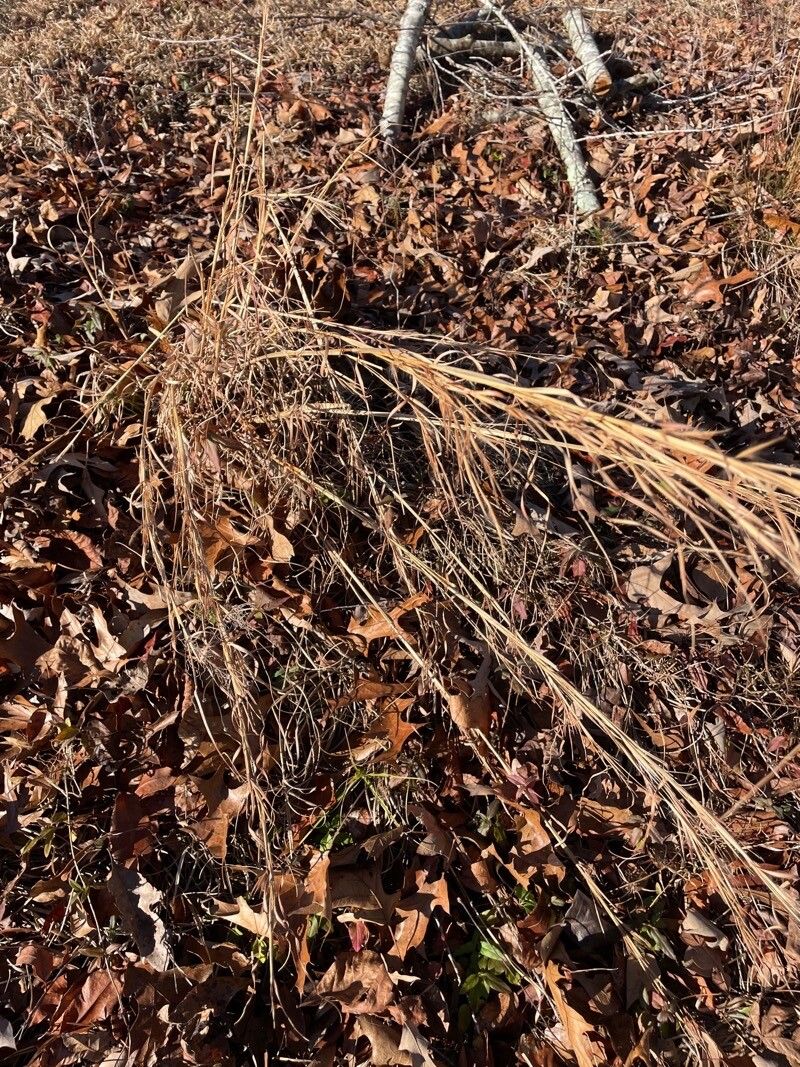
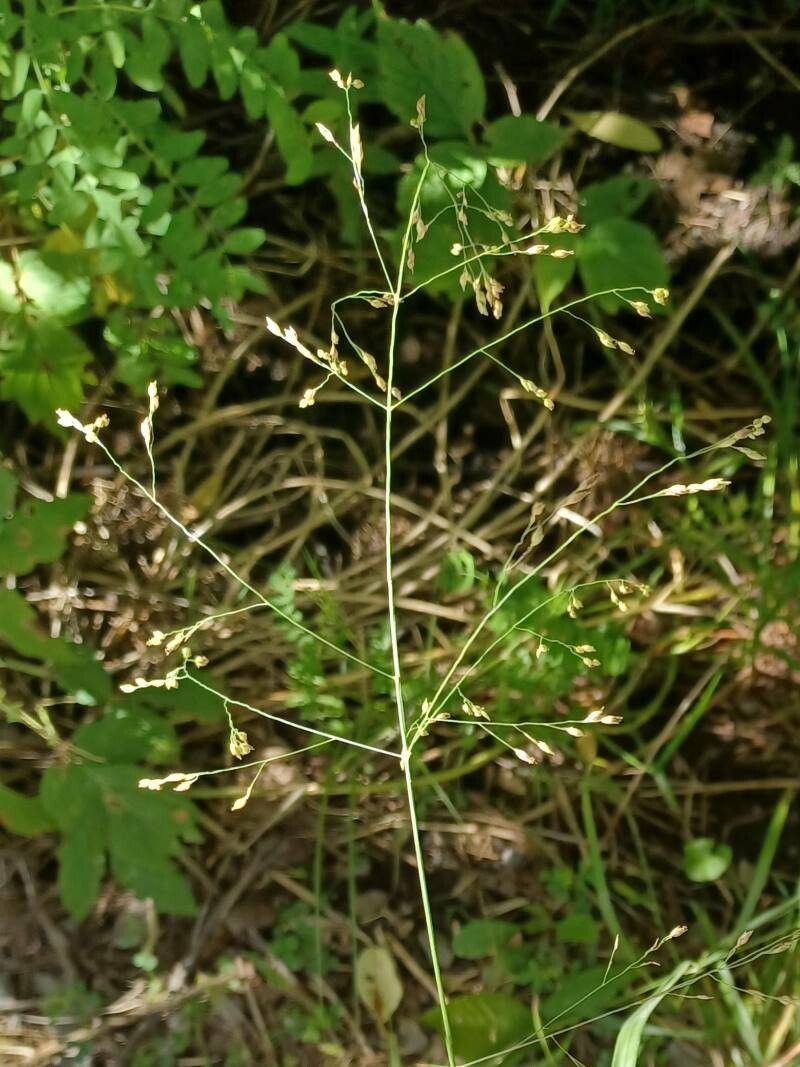
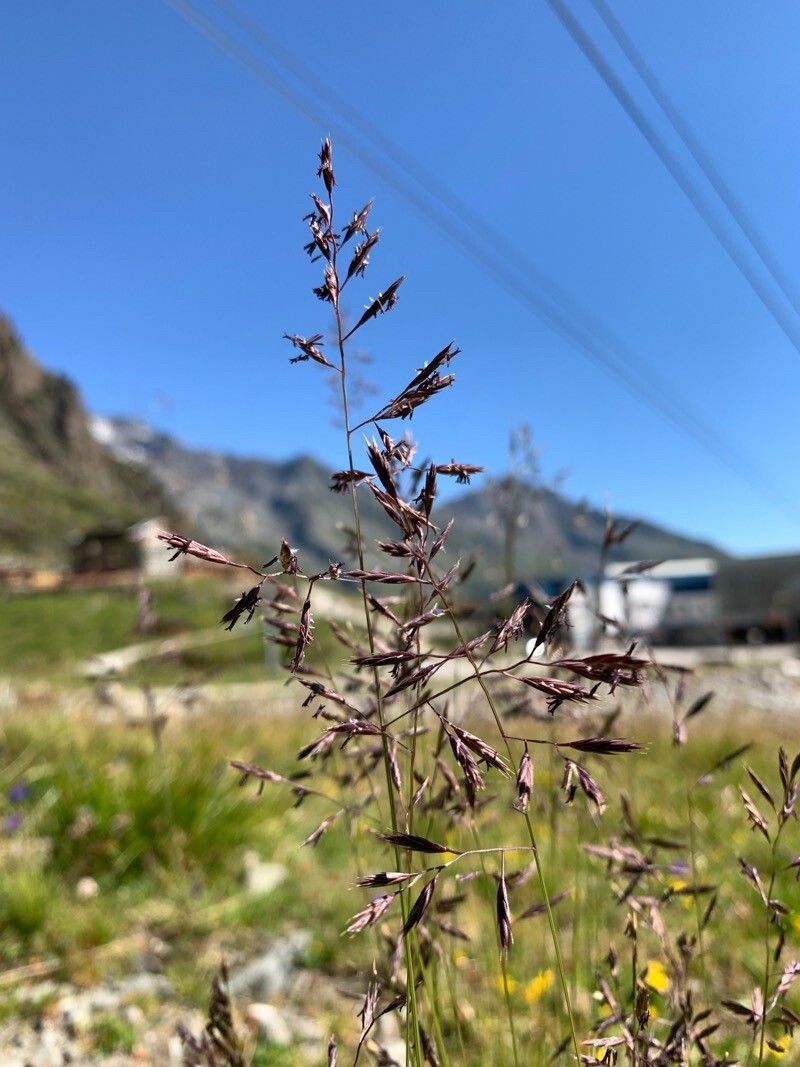
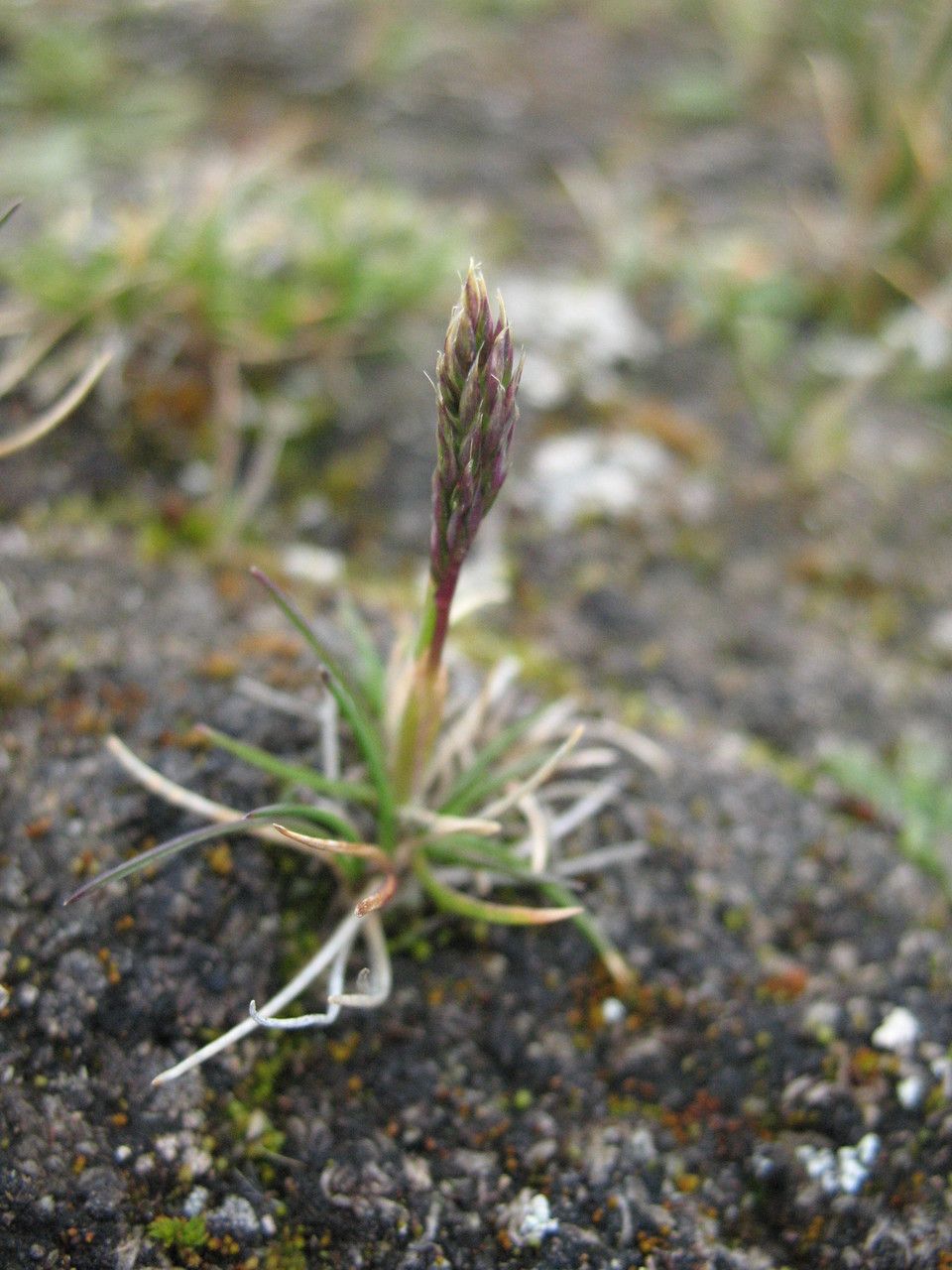
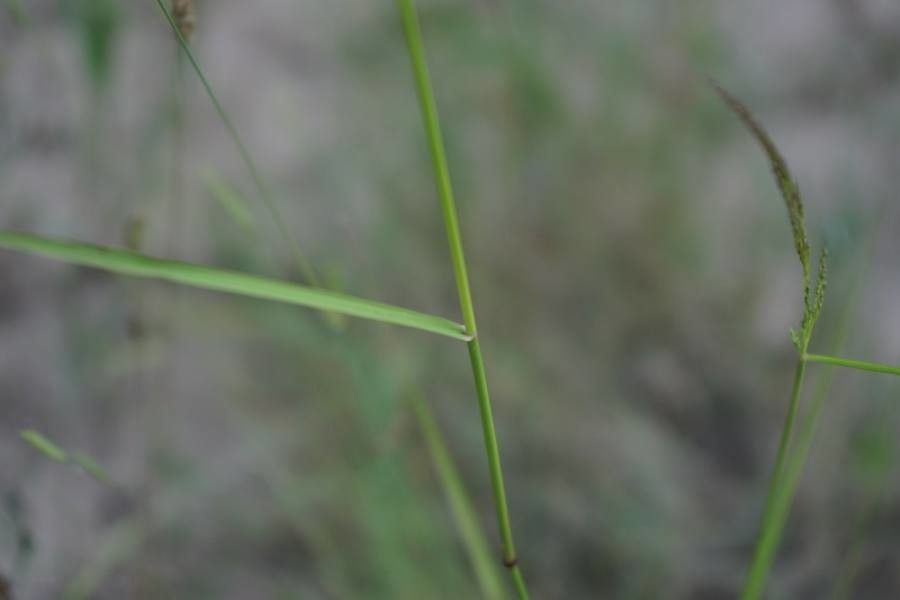
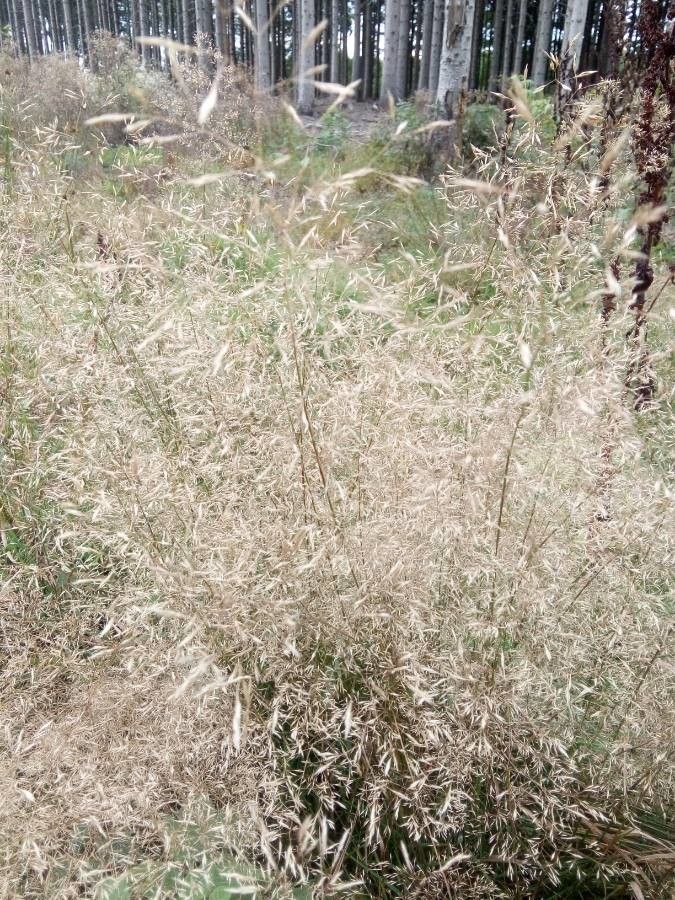
Agrostis scabra is a common species of grass known by the common names hair grass, rough bent, rough bent grass, winter bent grass, and ticklegrass. A tumbleweed, it is a bunchgrass native to Asia and much of North America, and widely known elsewhere as an introduced species.
Upland bentgrass is resistant to disease and generally does not tend to get sick. In terms of care, the plant is fairly low maintenance. When grown outdoors it needs little watering, and larger plants typically do not require pruning. Smaller plants, however, should be pruned after they finish blooming. Upland bentgrasst is appropriate for anyone with an outdoor area, such as a garden or deck, and does not demand much experience in plant care.
How to keep Agrostis Scabra.
Light
Upland bentgrass prefers a site that receives abundant sunlight throughout the day but can tolerate areas that get only partial sun. It adapts when light falls below its minimum or exceeds its maximum requirements, though its growth may be affected.
Water
Rough bent grass, native to temperate regions, flourishes in environments with moderate moisture. It typically requires weekly watering but can also adapt to both moist and slightly dry conditions, allowing it to endure brief periods of drought. Commonly found in meadows, this grass relies on seasonal rainfall patterns to maintain healthy growth.
Temperature
Upland bentgrass originates from temperate regions and performs well at temperatures between 32 and 95 °F (0 to 35 °C). It grows best in the warmer seasons. However, to maintain growth year-round, winter temperature adjustments may be necessary to keep conditions within its preferred range.
Fertilizer
Upland bentgrass needs extra nutrients to encourage healthy new growth. In spring, placing compost around the plant’s base can effectively supply the nutrition it requires. Fertilizing helps support vigorous growth and enables the plant to better resist diseases and pests.
Pruning
Rough bent grass flourishes in a variety of conditions. To promote healthy growth, it is important to prune it in early spring, removing any dead foliage. Regular trimming helps control its height and density, keeping the grass looking neat and encouraging robust growth during its peak season.
Botanical profile.
- Plant Type
- Grass
- Life Cycle
- Perennial
- Genus
- Agrostis
- Family
- Poaceae
- Hardiness Zone
- 3-9
- Mature Height
- 20 cm to 76 cm
- Mature Spread
- 20 cm to 40 cm
- Leaf Color
- Green, Light Green
- Leaf Type
- Deciduous
- Flower Color
- Yellow, Green, Purple, Brown
- Flower Size
- 10.16 cm to 25.40 cm
- Bloom Time
- Summer
- Planting Time
- Spring, Summer, Autumn
- Harvest Time
- Late summer, Early fall, Mid fall
- Native Area
- Colombia, Honduras, Mexico, Guatemala, Bolivia, Venezuela, Peru, Ecuador, Costa Rica
Other names.
Reader questions.
What is Rough Bent and what are its temperature preferences?
Rough Bent, scientifically known as Agrostis scabra, thrives in moderate climates and prefers temperatures ranging from 32 to 90 °F (0 to 32 °C). Adapted to different seasonal changes, slight adjustments in temperature might be necessary to meet its preferences. It's noteworthy for its high tolerance to cold, not necessitating additional frost protection in winter. To prepare for the first freeze of autumn, it's advisable to water the plant abundantly, ensuring the soil remains moist as it enters a frozen state, thereby preventing drought and water scarcity during winter and early spring.
How does Rough Bent react to cold temperatures, and what are the recommended solutions?
Rough Bent exhibits exceptional cold tolerance, capable of withstanding winter temperatures above -35°C. If temperatures plummet below this threshold, no immediate changes might be observable in winter; however, a decrease in sprouting or complete lack of sprouting can occur in spring. The recommended solution for spring includes removing any parts of the plant that failed to sprout, aiding in the promotion of healthy regrowth and maintenance.
What should be done if Rough Bent is exposed to high temperatures?
Rough Bent is sensitive to high temperatures, ceasing growth and becoming more prone to rot when temperatures exceed 32°C. To mitigate damage from excessive heat, it's advised to trim away sunburned and dried parts of the plant. Relocating the plant to a shaded area or employing a shade cloth to protect it from midday and afternoon sun can significantly reduce temperature stress. Additionally, watering the plant during cooler times of the day, such as morning and evening, keeps the soil adequately moist and supports overall plant health.